
When most people calculate the cost of owning a home in Fullerton, they stop at the mortgage payment. That’s a mistake. The real cost structure includes layers that don’t show up in online calculators: property taxes that adjust with assessed value, insurance premiums shaped by California’s regulatory environment, maintenance expenses tied to the age and type of housing stock, and utility bills influenced by Southern California’s climate and energy pricing. These hidden costs don’t just add up—they change the ownership experience entirely, especially in a market where the median home value sits at $791,000.
Fullerton’s housing market operates under Orange County pressure, where proximity to employment centers, established neighborhoods, and transit connectivity drive values higher than many inland alternatives. For renters paying $1,989 per month in median gross rent, the question isn’t whether ownership costs more upfront—it’s whether the long-term exposure makes sense given how housing costs behave here over time.
This article breaks down the cost structure of renting versus owning in Fullerton, explains which expenses are predictable and which aren’t, and clarifies how local conditions—from climate to infrastructure—shape the financial experience of living here.
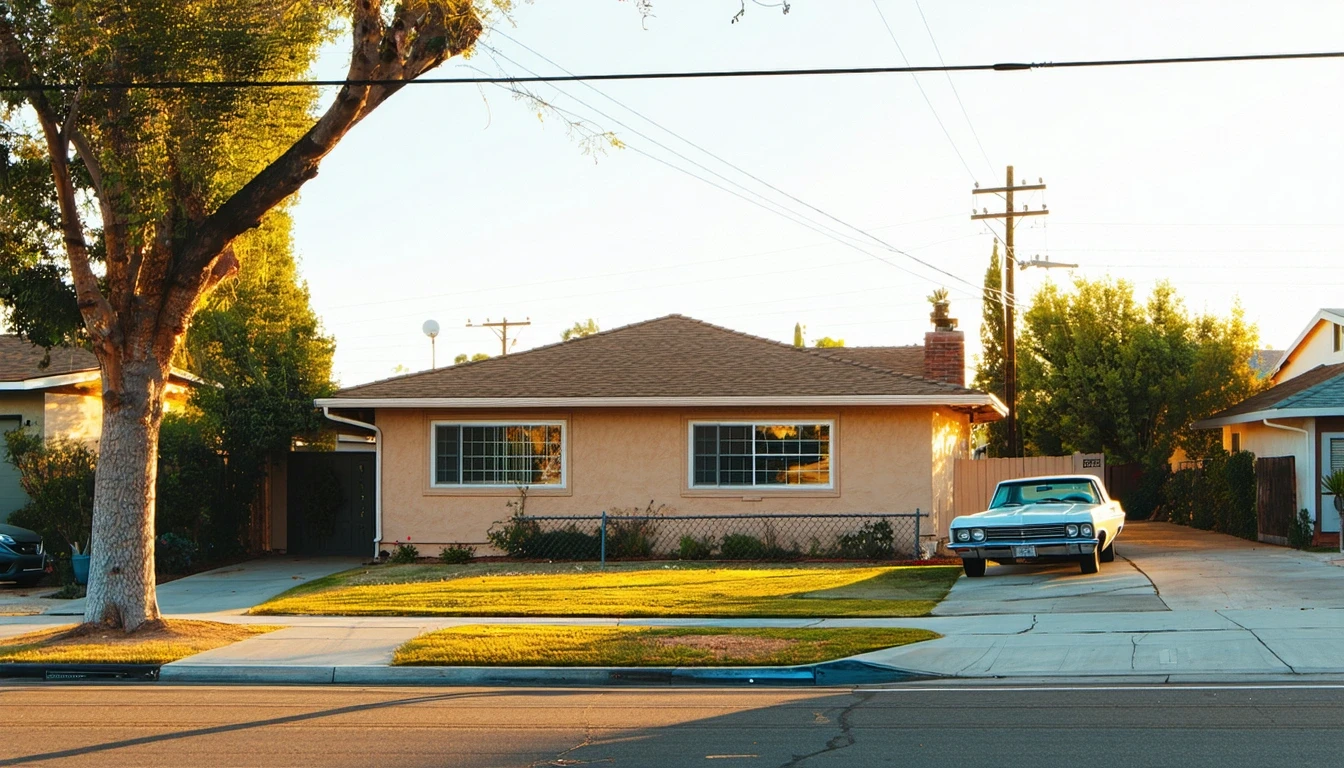
The Housing Market in Fullerton Today
Fullerton sits in the heart of Orange County, where housing demand reflects both regional employment access and the structural advantages of an established city. Unlike newer developments farther inland, Fullerton’s housing stock includes older single-family homes, mid-rise apartments, and mixed-use corridors that support both car-dependent and transit-oriented lifestyles. The presence of rail service expands commute options beyond the typical Southern California car-only model, which matters when evaluating what drives expenses for households trying to balance housing and transportation tradeoffs.
What newcomers often misunderstand is that Fullerton’s median home value of $791,000 doesn’t reflect a luxury market—it reflects the baseline cost of entry into a stable, connected suburban city within Orange County. This isn’t a speculative boom market or a distressed area; it’s a mature housing environment where prices are sustained by employment proximity, school access, and infrastructure that reduces reliance on long commutes or second vehicles.
The rental market operates under similar pressure. At $1,989 per month for median gross rent, Fullerton sits in the middle tier of Orange County pricing—not as high as coastal communities, but well above inland alternatives. Renters here aren’t paying for luxury; they’re paying for location, access, and the ability to run errands, reach parks, and connect to transit without needing a car for every trip.
Renting in Fullerton
Rental availability in Fullerton reflects the city’s mixed housing stock. Apartments cluster along commercial corridors and near transit nodes, while single-family rentals appear more sporadically in established neighborhoods. The rental experience varies significantly depending on proximity to rail, walkable errands, and green space—factors that don’t always correlate with rent price but dramatically affect day-to-day convenience.
At $1,989 per month, median gross rent captures a range of housing types: older apartment complexes with lower rents but fewer amenities, mid-tier units near transit with moderate walkability, and newer developments that command premiums for parking, in-unit laundry, and proximity to parks. Renters who prioritize car-light living will find pockets of Fullerton where pedestrian infrastructure supports walking to groceries, cafes, and transit stops—reducing the need for a second vehicle and offsetting higher rent with lower transportation costs.
Rental pressure in Fullerton doesn’t spike as aggressively as in coastal markets, but it doesn’t soften either. Landlords here operate in a stable demand environment where vacancies fill quickly and lease renewals tend to track regional trends rather than local oversupply. Renters should expect rent to behave as a variable cost that adjusts with market conditions, not a locked-in expense.
Owning a Home in Fullerton
Ownership in Fullerton means taking on exposure to property taxes, insurance, maintenance, and governance costs that renters avoid entirely. These aren’t optional—they’re structural features of homeownership that vary based on property type, age, and location within the city.
Property taxes in California operate under Proposition 13, which limits assessed value increases to 2% per year for existing owners but resets to market value upon sale. This creates a bifurcated ownership experience: long-term owners enjoy predictable, low tax growth, while new buyers face tax bills based on current purchase prices. For a home valued at $791,000, the initial tax burden will be significantly higher than what the previous owner paid, and it will remain tied to that assessed value unless the property changes hands again.
Insurance costs in Fullerton reflect California’s regulatory environment and the city’s relatively low exposure to wildfire or flood risk compared to other parts of the state. However, premiums still vary based on home age, construction type, and coverage limits. Older homes may face higher premiums due to outdated electrical systems or roofing, while newer construction benefits from modern building codes that reduce risk.
Maintenance exposure depends heavily on housing type. Single-family homes in Fullerton’s established neighborhoods often date back several decades, meaning roofs, HVAC systems, and plumbing may be approaching or past their expected lifespan. Buyers should anticipate deferred maintenance costs that don’t appear in the purchase price but become unavoidable within the first few years of ownership. Condos and townhomes shift some of this burden to HOA fees, which cover exterior maintenance and shared systems but introduce governance risk and fee increases over time.
The ownership experience in Fullerton differs from renting primarily in control and exposure. Owners gain stability in housing costs—no landlord can raise the rent—but they absorb all volatility in taxes, insurance, and repairs. Renters avoid that exposure but lose the ability to lock in long-term housing costs or build equity.
Apartment vs House in Fullerton — Cost Behavior Comparison
| Expense Category | Apartment | House |
|---|---|---|
| Cooling Costs | Lower exposure; shared walls reduce heat gain, smaller square footage limits AC runtime | Higher exposure; detached construction and larger square footage increase cooling demand during extended summer heat |
| Heating Costs | Minimal; shared walls and mild winters keep heating demand low | Low but present; detached homes lose more heat overnight during occasional cold snaps |
| Water & Sewer | Often included in rent or billed at lower rates due to multi-unit metering | Billed separately; irrigation for yards increases usage and cost |
| Exterior Maintenance | Covered by landlord or HOA; tenant has no direct cost or control | Owner responsibility; includes roof, siding, landscaping, and deferred repairs on aging housing stock |
| Parking | Varies; some complexes include one space, others charge separately or offer limited guest parking | Typically includes garage or driveway; supports multi-car households without added fees |
Why these categories differ in Fullerton: The city’s Mediterranean climate creates extended cooling seasons with minimal heating demand, making building type and square footage the primary drivers of utility exposure. Fullerton’s established housing stock—much of it built decades ago—means single-family homes carry higher deferred maintenance risk than newer apartment complexes. Water costs diverge based on landscaping expectations and whether the property includes yard irrigation, which is common in detached homes but absent in most apartments.
Omitted categories: Trash, internet, and basic electricity connection fees don’t vary meaningfully between apartments and houses in Fullerton. HOA fees were excluded because their presence depends on specific developments rather than housing type, and their cost behavior is governance-driven rather than structurally predictable.
Utilities & Upkeep Differences
Utility exposure in Fullerton is shaped primarily by cooling demand. The city experiences extended summer heat, and homes without adequate insulation or modern HVAC systems will see electricity bills climb during peak months. At 34.71¢/kWh, electricity rates in Southern California are among the highest in the country, meaning inefficient cooling translates directly into noticeable cost increases.
Apartments benefit from shared-wall construction, which reduces heat gain and limits the square footage that needs active cooling. Single-family homes, especially older detached properties, face higher exposure due to larger floor plans, less efficient building envelopes, and outdoor-facing walls on all sides. Homeowners can mitigate this with insulation upgrades, programmable thermostats, and strategic use of ceiling fans, but the baseline exposure remains higher than in multi-unit buildings.
Natural gas usage in Fullerton is minimal outside of water heating and occasional winter heating. At $21.89/MCF, gas costs remain a minor line item compared to electricity. Homes with gas appliances (ranges, dryers, water heaters) will see slightly higher bills, but the difference is far less significant than cooling-related electricity swings.
Maintenance exposure diverges sharply between housing types. Apartment tenants face virtually no direct maintenance costs—landlords handle repairs, and any deferred maintenance becomes the owner’s problem, not the renter’s. Homeowners in Fullerton’s older housing stock should anticipate recurring expenses: roof replacements, HVAC servicing, water heater failures, and landscape upkeep. These costs don’t follow a predictable schedule, but they’re structurally inevitable for properties built 30+ years ago.
Rent vs Buy: Long-Term Exposure in Fullerton
The decision to rent or buy in Fullerton isn’t primarily about monthly cost—it’s about which risks you’re willing to absorb and which you’d rather avoid. Renters face rent volatility but avoid property tax resets, insurance swings, and catastrophic repair costs. Owners lock in predictable housing payments (if financed with a fixed-rate mortgage) but take on every other form of cost variability.
Over time, renters in Fullerton will see their housing costs adjust with market conditions. Lease renewals typically reflect regional rent trends, and while California’s rent control laws limit annual increases in some cases, Fullerton’s rental market remains responsive to demand. Renters gain flexibility—they can move without transaction costs—but they lose the ability to stabilize housing expenses or build equity.
Owners in Fullerton benefit from California’s Proposition 13 structure, which caps assessed value growth at 2% per year. This creates long-term predictability in property taxes, but only after the initial purchase. New buyers pay taxes based on current market value, which means their tax bill starts high and grows slowly. Insurance and maintenance, however, don’t follow the same predictable path. Premiums can spike due to statewide market conditions, and major repairs (roofs, HVAC, plumbing) arrive on their own schedule, often in clusters.
The ownership advantage in Fullerton grows stronger the longer you stay. Early years carry the highest cost burden—purchase transaction fees, initial repairs, higher insurance premiums—but as the mortgage principal pays down and property taxes remain capped, the cost structure stabilizes. Renters, by contrast, never escape the exposure to market-driven rent increases, and they never convert housing payments into equity.
For households with stable income and long-term plans in Fullerton, ownership shifts risk from volatility (rent increases) to control (predictable mortgage, manageable tax growth). For those prioritizing flexibility or uncertain about staying in Orange County, renting avoids the transaction costs and deferred maintenance exposure that come with ownership.
How Day-to-Day Living Shapes Housing Decisions in Fullerton
Housing costs in Fullerton don’t exist in isolation—they interact directly with how the city’s infrastructure supports daily errands, commuting, and household logistics. Fullerton’s pedestrian infrastructure creates pockets where walking to groceries, cafes, and transit stops is practical, reducing the need for a second vehicle and lowering the combined cost of housing and transportation. The presence of rail service expands commute options beyond the typical Southern California car-only model, which matters for households evaluating whether a higher housing cost in Fullerton offsets savings elsewhere.
For renters, choosing an apartment near walkable corridors or transit nodes can eliminate the need for a second car entirely, shifting monthly expenses away from insurance, fuel, and parking fees and toward rent. For homeowners, proximity to parks and mixed-use areas reduces the pressure to own a large yard or rely on driving for every errand, which lowers both maintenance exposure and time spent managing household logistics.
These structural features don’t change the price of housing, but they change the cost experience. A household paying $1,989 per month in rent near rail and walkable errands faces a fundamentally different financial profile than one paying the same rent in a car-dependent pocket of the city. Similarly, a homeowner in a neighborhood with integrated green space and nearby grocery options spends less time and money on transportation, which offsets some of the higher ownership costs associated with Fullerton’s $791,000 median home value.
How this article was built: In addition to public economic data, this article incorporates location-based experiential signals derived from anonymized geographic patterns—such as access density, walkability, and land-use mix—to reflect how day-to-day living actually feels in Fullerton, CA.
FAQs About Housing Costs in Fullerton
Is it cheaper to rent or buy in Fullerton long-term?
Ownership in Fullerton becomes more cost-effective the longer you stay, primarily due to California’s Proposition 13 tax structure, which caps assessed value growth at 2% per year. Renters face ongoing exposure to market-driven rent increases, while owners lock in predictable mortgage payments and benefit from equity accumulation. However, ownership requires absorbing upfront transaction costs, maintenance expenses, and insurance volatility that renters avoid entirely.
How much do utilities typically cost for a house versus an apartment in Fullerton?
Apartments in Fullerton generally see lower cooling costs due to shared-wall construction and smaller square footage, which limits air conditioning demand during extended summer heat. Single-family homes face higher electricity exposure due to detached construction, larger floor plans, and less efficient building envelopes, especially in older housing stock. Water costs also diverge, with houses incurring higher bills due to yard irrigation and separate metering.
What hidden costs should I expect when buying a home in Fullerton?
Beyond the mortgage, buyers in Fullerton face property taxes that reset to market value at purchase, insurance premiums shaped by home age and construction type, and maintenance costs tied to Fullerton’s established housing stock. Older homes often require roof replacements, HVAC servicing, and plumbing updates within the first few years of ownership. These costs don’t appear in the purchase price but become unavoidable once you own the property.
Does Fullerton’s location affect housing costs compared to other Orange County cities?
Fullerton’s housing costs reflect its position as an established city with rail connectivity and proximity to employment centers, which sustains demand without reaching the premium pricing of coastal Orange County communities. The city offers a middle-tier cost structure within the county—lower than beach cities but higher than inland alternatives—while providing infrastructure that reduces reliance on long commutes or second vehicles.
How does Fullerton’s climate impact homeownership costs?
Fullerton’s Mediterranean climate creates extended cooling seasons with minimal heating demand, making electricity the dominant utility cost for homeowners. At 34.71¢/kWh, inefficient cooling in older homes translates into noticeable summer bills. Heating costs remain low due to mild winters, and natural gas usage is minimal outside of water heating. Exterior maintenance exposure is moderate—no extreme weather events drive recurring damage, but aging housing stock still requires periodic roof, HVAC, and landscaping upkeep.
Making Housing Choices in Fullerton
Housing costs in Fullerton operate within a structure shaped by Orange County market pressure, California’s tax and regulatory environment, and the city’s established infrastructure. At $791,000 for a median home and $1,989 per month for median rent, the baseline cost of entry is high—but the cost behavior over time depends entirely on which risks you’re willing to manage.
Renters in Fullerton avoid property tax resets, insurance volatility, and catastrophic repair costs, but they remain exposed to market-driven rent increases and never convert housing payments into equity. Owners absorb upfront transaction costs and ongoing maintenance exposure, but they gain long-term predictability in housing expenses and benefit from Proposition 13’s tax growth caps.
The fit depends on how long you plan to stay, whether you value flexibility over stability, and how Fullerton’s infrastructure aligns with your household’s transportation and errands patterns. For those prioritizing car-light living, walkable pockets, and rail access, Fullerton’s housing costs interact favorably with lower transportation expenses. For those planning to stay long-term and willing to manage maintenance exposure, ownership offers a path to stable housing costs in a connected, established city.
For a broader look at how housing fits into Fullerton’s overall cost structure, see What Costs People Most in Fullerton (and Why). If you’re planning a move and need logistical support, the Best Moving Companies Guide offers practical guidance on managing relocation costs and timelines.