
A summer electricity bill in Fountain Valley can easily hit $250 or more for a single-family home—sometimes double what residents pay in spring. That seasonal spike isn’t an anomaly; it’s the structural reality of cooling costs in coastal Southern California, where air conditioning dominates household energy use for months at a time. Understanding how utilities behave here, and what drives those swings, is essential for anyone planning a household budget or evaluating the true cost of living in this Orange County suburb.
Understanding Utilities in Fountain Valley
Utilities represent the second-largest recurring expense for most households after housing, and in Fountain Valley, they follow a distinctly seasonal pattern shaped by the region’s warm summers and mild winters. Unlike cities where heating drives winter bills into triple digits, Fountain Valley’s utility profile tilts heavily toward cooling. The combination of inland heat during summer months and Southern California’s electricity pricing structure means that air conditioning becomes the dominant cost driver from June through September, while winter months bring relative relief.
For most residents, “utilities” means electricity, water, natural gas, trash, and recycling. In single-family homes, these services are typically billed separately, with electricity and water accounting for the largest shares. Apartment renters often see simpler arrangements—water, trash, and sometimes gas bundled into rent or HOA fees—but electricity almost always remains the tenant’s responsibility. That distinction matters, because electricity is both the most volatile and the most controllable utility expense in Fountain Valley. How much you use, when you use it, and how efficiently your home is insulated will determine whether your summer bills feel manageable or punishing.
For newcomers, the structure of utility billing in Fountain Valley can feel opaque at first. Water is typically tiered, meaning the more you use, the higher the per-unit cost. Trash and recycling are often flat monthly fees, sometimes bundled with water service depending on the provider. Natural gas, used primarily for heating and cooking, sees its highest demand in winter but remains a secondary cost compared to electricity. The key insight for planning purposes is this: your total utility spending will swing more than you expect, and that swing is driven almost entirely by how much you cool your home during the warmest months.
Utilities at a Glance in Fountain Valley
The table below shows how core utility costs typically behave for a mid-size household in a single-family home in Fountain Valley. Where city-level prices are available in the data feed, they are shown directly. When exact figures are not provided, categories are described qualitatively to reflect how costs are structured and what drives variability.
| Utility | Cost Structure |
|---|---|
| Electricity | 31.91¢/kWh; usage-sensitive and seasonal |
| Water | Tiered pricing; usage-dependent |
| Natural Gas | $21.89/MCF; winter-driven, heating-dependent |
| Trash & Recycling | Bundled with water or HOA in many neighborhoods |
| Total | Seasonal variability driven by electricity and heating |
This table reflects utility cost structure for a mid-size household in a single-family home in Fountain Valley during 2026. Where exact figures are not provided in the IndexYard data feed, categories are described directionally to reflect how costs behave rather than a receipt-accurate total.
Electricity is billed at 31.91 cents per kilowatt-hour in Fountain Valley, a rate that reflects California’s higher-than-national energy costs. For illustrative context, a household using 1,000 kWh in a month—common during peak summer cooling—would face roughly $319 in electricity charges before fees or taxes. That usage level isn’t unusual for a well-insulated home running air conditioning daily; older homes or those with poor insulation can push well past that threshold. The rate itself is stable, but the volume of electricity consumed swings dramatically with temperature, making this the most exposure-sensitive utility in the city.
Water in Fountain Valley is billed on a tiered structure, meaning the cost per unit rises as household consumption increases. This pricing model rewards conservation and penalizes heavy irrigation or large households with high indoor usage. Because water bills also typically include sewer and trash fees, the line item labeled “water” on your bill often reflects more than just the water itself. Outdoor watering—especially for lawns—can push households into higher tiers quickly during dry months, making water the second-most variable utility cost after electricity.
Natural gas is priced at $21.89 per thousand cubic feet (MCF) and is used primarily for heating, water heating, and cooking. In Fountain Valley’s mild climate, heating demand remains low compared to colder regions, so gas bills stay modest through most of the year. Winter months see the highest usage, but even then, gas costs rarely approach the scale of summer electricity bills. For households with gas water heaters or furnaces, this utility provides a degree of cost predictability that electricity does not.
Trash and recycling are typically billed as flat monthly fees, either directly by the waste hauler or bundled with water service. In some Fountain Valley neighborhoods, HOAs include trash collection in their dues, which simplifies billing but can obscure the true cost. When billed separately, trash fees are stable and predictable, making them one of the few utility expenses that doesn’t fluctuate with season or usage.
Electricity is typically the most exposure-sensitive utility in Fountain Valley, driven more by climate and home efficiency than by base rates.
How Weather Impacts Utilities in Fountain Valley
Fountain Valley’s coastal Southern California climate is defined by warm, dry summers and mild winters, a pattern that creates a pronounced seasonal rhythm in utility costs. Summer temperatures regularly push into the 80s and 90s, and during heat waves, inland areas near Fountain Valley can see stretches of weather in the high 90s or low 100s. Air conditioning becomes non-negotiable for most households during these months, and the cumulative effect of running cooling systems daily—often for 10 to 12 hours—drives electricity usage to its annual peak. Many residents report that their electric bills in July and August are double or even triple what they pay in April or October, a swing driven entirely by cooling demand.
Winter in Fountain Valley is mild by national standards, with daytime highs typically in the 60s and nighttime lows rarely dipping below the mid-40s. This means heating costs remain modest. Natural gas furnaces or electric heat pumps run intermittently rather than continuously, and many households go days without turning on heat at all. The result is a winter utility profile that feels almost flat compared to summer. For families accustomed to harsh winters elsewhere, this seasonal inversion—where summer costs far exceed winter costs—can feel counterintuitive, but it’s the defining feature of utility expenses in this region.
One local quirk worth noting: Fountain Valley sits inland enough to experience warmer summer days than beach cities just a few miles west, but it benefits from evening marine breezes that cool homes naturally after sunset. Residents who open windows at night and close them during the day can reduce air conditioning runtime significantly, a behavioral adjustment that translates directly into lower electricity bills. Conversely, homes that rely on air conditioning around the clock, or those with poor insulation and older windows, will see much higher costs. The gap between an efficient, behaviorally optimized household and a less efficient one can easily exceed $100 per month during peak summer.
How to Save on Utilities in Fountain Valley
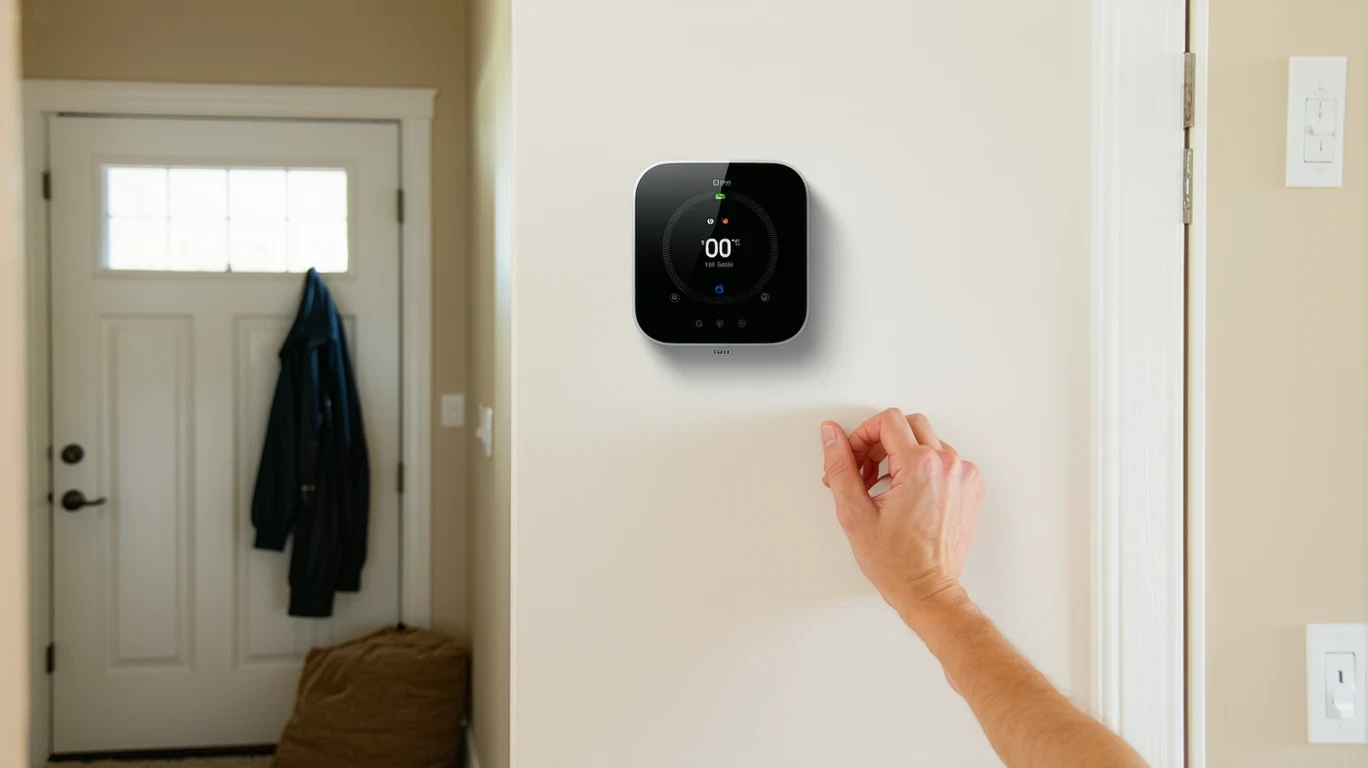
Reducing utility costs in Fountain Valley starts with recognizing that electricity is the primary lever. Because cooling dominates summer expenses, strategies that reduce air conditioning runtime or improve cooling efficiency deliver the most immediate savings. Installing a programmable or smart thermostat allows households to raise temperatures during unoccupied hours and pre-cool before residents return home, reducing total runtime without sacrificing comfort. Sealing air leaks around windows and doors, adding insulation to attics, and using reflective window film can all lower the amount of heat entering the home, which in turn reduces the burden on air conditioning systems.
Water conservation offers a secondary savings opportunity, particularly for households with irrigation systems or lawns. Switching to drought-tolerant landscaping, installing drip irrigation, and watering during early morning hours (when evaporation is lowest) can keep usage within lower pricing tiers. Many water providers in the region offer rebates for upgrading to high-efficiency toilets, showerheads, and washing machines—improvements that reduce both water and energy costs over time. For renters, simple behavioral changes like shorter showers and full dishwasher loads can still yield measurable reductions in water bills.
Natural gas savings are harder to capture in Fountain Valley’s mild climate, but households with gas water heaters can lower costs by reducing water heater temperature settings to 120°F and insulating the tank and pipes. For those considering appliance upgrades, replacing a gas water heater with a heat pump water heater can shift that load to electricity, which may or may not save money depending on usage patterns and rate structures. Solar panel adoption is another path worth exploring, particularly for homeowners with high summer electricity usage. California’s net metering policies and federal tax credits can make solar installations financially viable over a multi-year horizon, though upfront costs remain significant.
- Enroll in time-of-use billing plans if your provider offers them, shifting high-energy activities like laundry and dishwashing to off-peak hours
- Check for utility rebates on energy-efficient air conditioning units, heat pumps, and insulation upgrades
- Plant shade trees on the south and west sides of your home to reduce direct sun exposure during peak heat
- Use ceiling fans to circulate air, allowing you to raise thermostat settings by a few degrees without losing comfort
- Replace incandescent bulbs with LEDs, which generate less heat and use a fraction of the electricity
- Inspect and replace HVAC filters regularly to maintain system efficiency and reduce runtime
🏆 Tip: Check if your provider in Fountain Valley offers rebates for energy-efficient AC units or heating systems—many Southern California utilities run seasonal incentive programs that can offset hundreds of dollars in upgrade costs.
FAQs About Utility Costs in Fountain Valley
Why are utility bills so high in Fountain Valley during summer?
Summer bills spike because air conditioning drives electricity usage to its annual peak, often doubling or tripling consumption compared to spring or fall. California’s electricity rates are already higher than the national average, and when combined with sustained cooling demand during warm months, the result is a sharp seasonal increase that catches many newcomers off guard.
What is the average monthly electric bill for an apartment in Fountain Valley compared to a single-family home?
Apartments typically see lower electricity costs due to smaller square footage, shared walls that reduce heat gain, and less exposure to direct sun. A one- or two-bedroom apartment might see summer electric bills in the $80–$150 range, while a single-family home with central air conditioning can easily reach $200–$300 or more during the same period, depending on insulation, occupancy, and thermostat settings.
Do HOAs in Fountain Valley usually include trash or water in their fees?
It varies by neighborhood and development type. Many townhome and condo HOAs bundle trash, water, and sometimes sewer into monthly dues, which simplifies billing but can make it harder to track individual usage. Single-family home HOAs less commonly include utilities, though some cover landscaping water for shared green spaces. Always review HOA fee breakdowns carefully when evaluating housing costs.
How does seasonal weather affect monthly utility bills in Fountain Valley?
Summer heat drives electricity costs up sharply due to air conditioning, while mild winters keep heating costs low. The seasonal swing is more pronounced than in many other regions, with summer bills often exceeding winter bills by $100 or more for single-family homes. Spring and fall represent the lowest-cost months, when neither heating nor cooling is needed consistently.
Does Fountain Valley offer incentives for solar panels or energy-efficient appliances?
California as a whole provides strong support for solar adoption through net metering, state tax credits, and federal incentives, and many local utilities offer rebates for energy-efficient appliances, HVAC upgrades, and insulation improvements. Fountain Valley residents can access these programs through their electricity provider, though specific rebate availability and amounts change periodically based on funding and policy updates.
How Utilities Fit Into the Cost Structure in Fountain Valley
Utilities in Fountain Valley function as a secondary but volatile cost driver, sitting below housing but above most discretionary spending categories in terms of household budget impact. Unlike rent or mortgage payments, which remain fixed month to month, utility costs swing with season, usage, and behavior, creating a layer of financial variability that households must plan for. Electricity dominates that variability, particularly during summer, when cooling costs can add $150 to $200 or more to monthly expenses compared to spring baselines. For families budgeting on fixed incomes or tight margins, that seasonal surge can strain cash flow if not anticipated.
What makes utilities particularly important in Fountain Valley is their interaction with housing type and location. Single-family homes with older HVAC systems, poor insulation, or west-facing exposure face higher costs than newer, energy-efficient builds or apartments with shared walls. Neighborhoods with mature tree canopy enjoy natural cooling that reduces air conditioning demand, while newer developments on cleared land often see higher summer bills. These differences mean that two households with identical incomes and family sizes can experience meaningfully different cost structure outcomes based solely on where they live and how their home is built.
For a fuller picture of how utilities interact with rent, transportation, groceries, and other recurring expenses, the monthly budget breakdown provides household-level context that situates utility costs within the broader financial landscape of living in Fountain Valley. Utilities alone don’t determine affordability, but their seasonal volatility and sensitivity to household behavior make them one of the most controllable cost categories—and one of the most important to understand when evaluating whether Fountain Valley fits your financial situation.
If you’re planning a move or trying to understand where your money will go each month, start by estimating your summer electricity costs, then work backward to build a realistic annual utility budget. The difference between a well-insulated, behaviorally efficient household and one that runs air conditioning indiscriminately can easily exceed $1,000 per year, a gap large enough to matter for most families. Explore IndexYard’s other Fountain Valley resources to see how utilities fit into the larger picture of housing affordability, transportation tradeoffs, and day-to-day living costs in this Orange County suburb.
How this article was built: In addition to public economic data, this article incorporates location-based experiential signals derived from anonymized geographic patterns—such as access density, walkability, and land-use mix—to reflect how day-to-day living actually feels in Fountain Valley, CA.
—