
How Grocery Costs Feel in Fontana
Picture this: it’s Sunday afternoon in Fontana, and you’re mapping out meals for the week. You’ve got a household of four to feed, maybe a couple of school lunches to pack, and you’re trying to decide whether to make one big grocery run or split it between a discount chain and a mid-tier store for variety. The choices you make this week—what you buy, where you shop, and how flexible you can be—will shape not just your cart total, but how tight or comfortable your food budget feels all month long.
Grocery costs in Fontana sit right at the national baseline, with a regional price parity index of 100—meaning food prices here track closely with the broader U.S. average. But that single number doesn’t tell you much about the lived experience. What matters more is how your household size, income level, and shopping habits interact with the local grocery landscape. A single professional might breeze through weekly shopping without much thought, while a family of four managing tight margins feels every price swing on staples like chicken, eggs, and fresh produce. The pressure isn’t uniform—it’s personal, and it’s shaped by the decisions you make before you even walk into a store.
In Fontana, grocery shopping is less about sticker shock and more about strategy. The region supports a full spectrum of grocery tiers, from no-frills discount chains to premium organic markets, and most households develop a hybrid approach: buying bulk staples at one store, filling in fresh items at another, and occasionally splurging on specialty ingredients when the budget allows. The city’s median household income of $93,230 per year suggests that many families have room to navigate these choices, but that doesn’t mean grocery costs fade into the background. For households stretching to cover housing, utilities, and transportation, food becomes one of the few flexible line items—and that flexibility comes with its own kind of stress.
Grocery Price Signals (Illustrative)
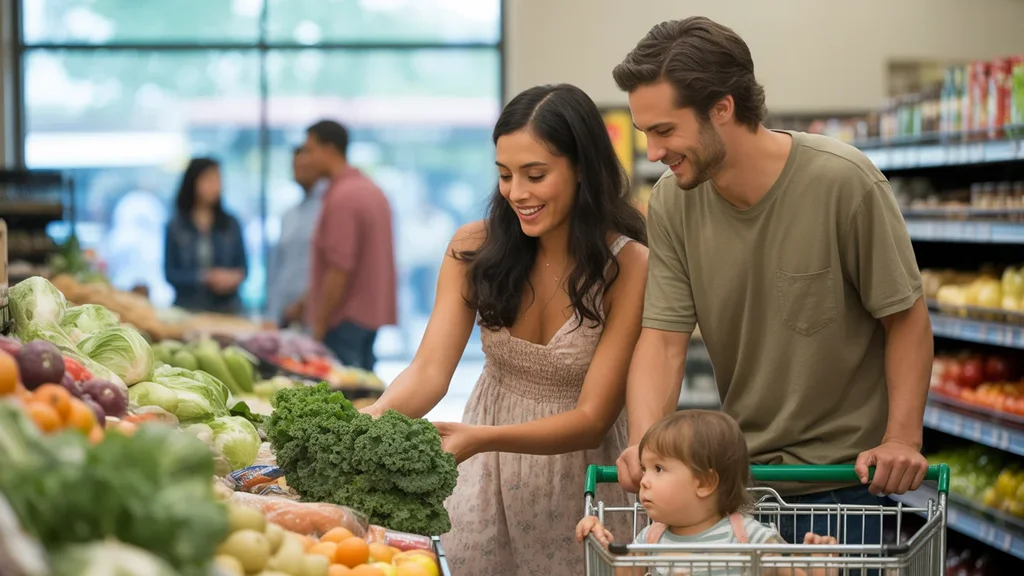
To understand how grocery prices position themselves in Fontana, it helps to look at a few everyday staples. These aren’t meant to represent a full shopping list or a weekly haul—they’re anchors that show how individual items tend to compare locally. Prices vary by store, season, and format, but these illustrative figures give you a sense of the baseline you’re working with when planning meals and managing a food budget.
| Item | Price |
|---|---|
| Bread | $1.84/lb |
| Cheese | $4.84/lb |
| Chicken | $2.04/lb |
| Eggs | $2.58/dozen |
| Ground beef | $6.75/lb |
| Milk | $4.10/half-gallon |
| Rice | $1.06/lb |
These prices reflect a moderate cost structure—not bargain-bin cheap, but not premium either. Ground beef at $6.75 per pound and eggs at $2.58 per dozen sit in a range that feels manageable for households with steady income, but can add up quickly when you’re feeding multiple people or trying to keep protein-heavy meals on the table. Staples like rice and bread remain accessible, which helps anchor meal planning around affordable bases. Cheese and milk, meanwhile, occupy a middle tier that rewards volume buying and store loyalty programs.
What these numbers don’t show is volatility. Egg prices, for example, can swing dramatically based on supply disruptions or seasonal demand, and ground beef often sees promotional cycles that make timing your shopping trips worthwhile. Families who cook from scratch and plan around sales tend to experience these prices very differently than households grabbing convenience items or pre-prepped meals on the fly. The illustrative figures above give you a reference point, but your actual grocery experience in Fontana will depend heavily on how you shop, not just what you buy.
Store Choice & Price Sensitivity
Grocery price pressure in Fontana varies more by store tier than by any single “average” experience. The city supports a full range of grocery formats, and the tier you choose—discount, mid-tier, or premium—shapes not just your checkout total, but the entire texture of your shopping routine. Discount chains prioritize volume and no-frills efficiency: limited selection, house brands, and rock-bottom pricing on staples. You’ll find the best deals on rice, beans, canned goods, and frozen basics, but fresh produce and specialty items may be hit-or-miss. For families managing tight budgets or buying in bulk, discount stores deliver the most control over food costs.
Mid-tier grocers occupy the middle ground, offering broader selection, better produce quality, and more name-brand options without the premium markup. These stores tend to run weekly promotions, loyalty programs, and digital coupons that reward planning and consistency. If you’re willing to shop the sales cycle and mix store brands with national labels, mid-tier stores offer a balance of convenience, variety, and cost management. Many Fontana households treat mid-tier grocers as their primary stop, supplementing with discount runs for pantry staples and occasional premium trips for special ingredients.
Premium and organic-focused markets cater to households prioritizing quality, sourcing, and specialty diets. Prices here run significantly higher—organic produce, grass-fed meats, and artisan dairy can easily double the per-unit cost of conventional equivalents. For high-income households or those with specific dietary needs, the premium tier offers value through quality and curation. But for budget-conscious families, these stores function more as occasional destinations than weekly anchors. The key insight: grocery costs in Fontana aren’t fixed—they’re a function of where you shop, how often you switch stores, and how much flexibility you have to chase deals across multiple locations.
What Drives Grocery Pressure Here
Grocery pressure in Fontana isn’t just about prices—it’s about how those prices interact with household income, family size, and the broader cost structure of daily life. With a median household income of $93,230 per year, many families have enough breathing room to absorb moderate grocery costs without constant stress. But that median masks significant variation: single earners, young families, and households stretching to cover Fontana’s $506,600 median home value or $1,616 monthly rent often find groceries becoming one of the few flexible line items in an otherwise rigid budget. When housing and transportation costs are locked in, food spending becomes the release valve—and that’s where the pressure shows up.
Household size amplifies grocery sensitivity in predictable ways. A single professional spending $250–$350 per month on food might not notice week-to-week price swings, but a family of four trying to keep monthly grocery costs under $800 feels every uptick in chicken, eggs, or fresh produce. Larger households also face logistical complexity: more mouths to feed means more trips, more planning, and more exposure to impulse purchases or convenience markups. The ability to buy in bulk, cook from scratch, and stick to a meal plan becomes essential—not just for savings, but for maintaining control over a category that can spiral quickly.
Regional distribution patterns also shape grocery costs in subtle ways. Fontana’s position in the Inland Empire means it benefits from proximity to major distribution hubs and agricultural regions, which helps keep baseline prices stable. But the city’s car-oriented layout means most grocery trips involve driving, and households without reliable transportation or those living farther from discount stores face higher effective costs through time, fuel, and reduced access to competitive pricing. Seasonal variability plays a quieter role: summer heat drives demand for fresh produce and hydration staples, while winter holidays create temporary price spikes on baking ingredients, meats, and prepared foods. These shifts don’t rewrite the budget, but they do require households to stay alert and adjust their routines to avoid getting caught off guard.
Practical Ways People Manage Grocery Costs
Managing grocery costs in Fontana comes down to behavior, not just budgeting. The most effective strategies focus on control—reducing waste, maximizing what you already buy, and making intentional choices about when and where you shop. Meal planning stands out as the single most impactful habit: mapping out a week’s worth of dinners before you shop reduces impulse purchases, minimizes duplicate buying, and ensures you actually use the perishables you bring home. Families who plan around pantry staples and seasonal produce tend to see steadier grocery spending and less end-of-week scrambling.
Buying in bulk works well for non-perishables and freezer-friendly items, but only if you have the storage space and upfront cash flow to make it practical. Rice, beans, pasta, canned goods, and frozen vegetables all benefit from volume buying, especially when purchased during promotional cycles. Protein is trickier: buying family packs of chicken or ground beef and portioning them at home can lower per-pound costs, but requires freezer space and some comfort with meal prep. Store loyalty programs and digital coupons add another layer of savings for households willing to track deals and time their purchases—these programs reward consistency and planning, not spontaneity.
Cooking from scratch remains the most reliable way to stretch a grocery budget. Pre-prepped meals, grab-and-go items, and convenience foods carry significant markups, and those costs accumulate quickly over a month. Households that build cooking routines around simple, repeatable recipes—stir-fries, casseroles, sheet-pan dinners—tend to spend less and waste less than those relying on packaged solutions. The tradeoff is time and energy, which aren’t always abundant. But for families managing tight margins, the return on that effort shows up every week in lower checkout totals and fewer mid-week takeout runs.
Groceries vs Eating Out (Directional)
The boundary between grocery spending and dining out isn’t just financial—it’s emotional and logistical. Cooking at home almost always costs less per meal than restaurant or takeout equivalents, but the comparison isn’t purely about price. Eating out buys time, convenience, and a break from meal planning and cleanup. For busy families juggling work schedules, school pickups, and evening activities, the occasional takeout run isn’t a budget failure—it’s a pressure release. The question isn’t whether to eliminate dining out entirely, but how often you can afford to lean on it without destabilizing your grocery rhythm.
In Fontana, where car dependency and longer commutes are common, dining out often fills gaps created by time scarcity. A household that cooks five or six nights a week and orders pizza or picks up fast food once or twice isn’t overspending—they’re managing tradeoffs. But when dining out becomes the default three or four times a week, grocery costs don’t drop proportionally. You still buy staples, produce spoils before you use it, and the combined spending on groceries and restaurants climbs without delivering much additional value. The households that manage this balance best treat dining out as intentional rather than reactive: planned Friday dinners, weekend brunches, or celebratory meals that don’t compete with grocery planning.
The directional insight here is simple: groceries and dining out aren’t substitutes—they’re complements. A strong grocery routine reduces the frequency and urgency of eating out, which in turn makes those restaurant meals feel more intentional and less like budget leakage. Families who cook consistently and plan for leftovers tend to experience dining out as a choice, not a necessity, and that shift in control makes a meaningful difference in how food costs feel over time.
FAQs About Grocery Costs in Fontana (2026)
Is it cheaper to shop in bulk in Fontana?
Buying in bulk can lower per-unit costs on non-perishables and freezer staples, but only if you have storage space and the upfront cash to make larger purchases. Discount and warehouse stores offer the best bulk pricing, though you’ll need to compare per-unit costs carefully to ensure you’re actually saving.
Which stores in Fontana are best for low prices?
Discount grocery chains typically offer the lowest baseline prices on staples like rice, beans, canned goods, and frozen items. Mid-tier stores often run competitive promotions and loyalty programs that can match or beat discount pricing on select items, especially if you shop the weekly sales cycle.
How much more do organic items cost in Fontana?
Organic produce, meats, and dairy generally carry significant premiums over conventional equivalents—sometimes double the per-unit cost. Premium and specialty grocers stock the widest organic selection, but mid-tier stores increasingly offer organic house brands at more accessible price points.
How do grocery costs for two adults in Fontana tend to compare to nearby cities?
Fontana’s regional price parity sits at the national baseline, meaning grocery costs here track closely with the broader U.S. average. Nearby cities in the Inland Empire show similar pricing patterns, though proximity to specific store formats and distribution centers can create localized variation.
How do households in Fontana think about grocery spending when cooking at home?
Most households treat groceries as a flexible budget category that responds to planning and effort. Families who cook from scratch, meal plan, and shop strategically tend to keep food costs stable, while those relying on convenience items or frequent dining out see more volatility and higher combined spending.
Does Fontana’s climate affect grocery costs?
Fontana’s hot, dry summers can increase demand for fresh produce, hydration staples, and refrigerated items, which may create modest seasonal price fluctuations. Winter holidays also tend to drive temporary price increases on baking ingredients, meats, and prepared foods, though these shifts are common across most U.S. markets.
Are grocery delivery services worth the cost in Fontana?
Delivery services add convenience but also fees, tips, and sometimes higher item prices. For households with limited time or transportation challenges, delivery can be worth the premium. For budget-focused families, in-store shopping with a planned list almost always delivers better control over total spending.
How Groceries Fit Into the Cost of Living in Fontana
Groceries occupy a distinct position in Fontana’s cost structure: they’re significant enough to matter, but flexible enough to manage. Unlike housing—where the $506,600 median home value and $1,616 monthly rent lock in large, recurring costs—or utilities, where electricity at 34.71¢/kWh and natural gas at $23.78/MCF respond to usage but not negotiation, groceries give households real agency. You can’t renegotiate your rent mid-lease or opt out of summer cooling bills, but you can absolutely change where you shop, what you buy, and how you cook. That flexibility makes groceries one of the few cost categories where effort translates directly into savings.
But groceries don’t exist in isolation. For families already stretched by monthly expenses, food costs become one of the first places to tighten when other bills spike. A household managing a 33-minute average commute, gas at $4.81/gallon, and rising insurance premiums might find themselves shifting from mid-tier grocers to discount chains, cutting back on dining out, or stretching leftovers further than they’d prefer. The grocery budget absorbs pressure from other categories, which is both a strength and a vulnerability. It means you have control, but it also means you’re constantly making tradeoffs.
For a complete picture of how groceries interact with housing, transportation, utilities, and other recurring costs, the monthly budget breakdown offers a fuller view of where money goes and how different household types experience Fontana’s cost structure. Groceries are one piece of that puzzle—important, manageable, and deeply personal. The households that feel most in control aren’t necessarily spending the least; they’re the ones who’ve built routines that align their food costs with their income, priorities, and daily realities. That alignment doesn’t happen by accident—it’s the result of planning, flexibility, and a clear-eyed understanding of what grocery spending actually buys you in Fontana.
How this article was built: In addition to public economic data, this article incorporates location-based experiential signals derived from anonymized geographic patterns—such as access density, walkability, and land-use mix—to reflect how day-to-day living actually feels in Fontana, CA.