
Florissant is considered relatively affordable in 2026, with a median home value of $125,200 anchoring housing costs well below many metro benchmarks. The value proposition depends on housing entry cost versus car dependence—transportation structure and vehicle ownership create the primary recurring exposure beyond the initial buy-in.
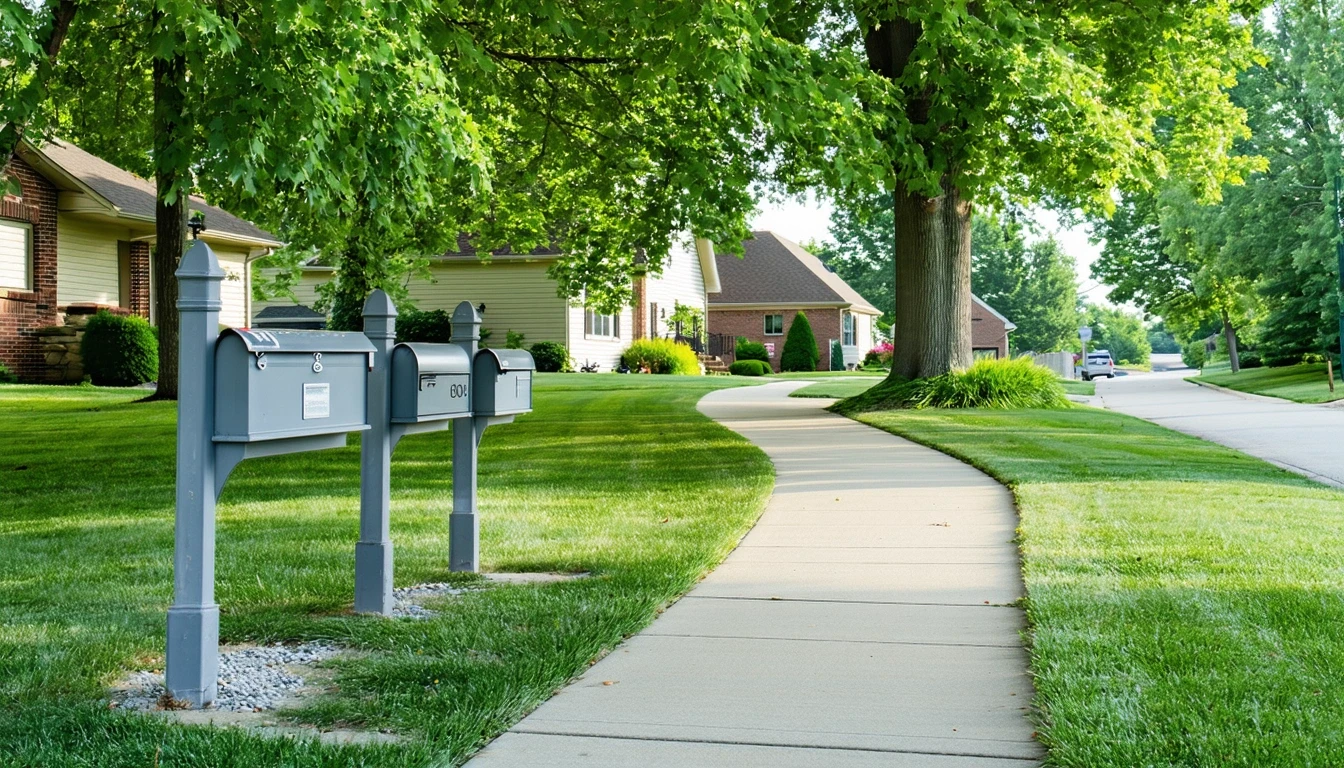
Is the True Cost of Living Higher Than You Think?
When evaluating Florissant’s cost structure, the answer hinges less on sticker prices and more on how daily logistics compound over time. The city’s regional price parity index of 96 signals costs slightly below the national baseline, but that directional advantage plays out unevenly across categories. Housing offers a clear entry point, but the car-oriented street layout and corridor-clustered food access mean households absorb transportation and time costs that don’t show up in rent or mortgage figures alone.
The real question isn’t whether Florissant is cheap—it’s whether the tradeoffs between low housing entry costs and higher transportation dependency align with how a household actually operates day to day.
Overall Cost of Living Snapshot
Florissant’s cost structure is defined by accessible housing and moderate everyday expenses, offset by transportation exposure that varies sharply depending on commute patterns and vehicle count. The regional price index of 96 places the city slightly below national averages, but that figure masks meaningful variation: housing costs remain low, groceries track close to baseline, and utilities swing with seasonal heating and cooling demands rather than rate premiums.
The primary cost driver is the combination of housing entry affordability and transportation dependence. With a median home value of $125,200 and median gross rent of $1,195 per month, Florissant offers one of the more accessible housing markets in the St. Louis metro. But the car-oriented infrastructure—characterized by minimal pedestrian density and bus-only transit—means most households rely on personal vehicles for errands, work, and family logistics. That dependency doesn’t just add fuel costs; it shapes insurance, maintenance, and the friction of managing multi-vehicle households.
Surprises tend to emerge not from individual line items but from the interaction between low fixed costs and variable exposures. Heating bills during cold stretches, summer cooling in low-rise homes with limited insulation, and the compounding effect of longer commutes all introduce volatility that a snapshot rent or mortgage figure won’t capture. The city’s strong family infrastructure—schools and playgrounds meet density thresholds—adds value for households with children, but it also implies logistical complexity that requires reliable transportation to access.
Driver verdict: Housing dominates as the entry cost anchor, but transportation structure and seasonal utility swings determine whether the overall cost profile remains manageable or escalates into sustained pressure.
Housing Costs (Primary Driver)
Housing in Florissant functions as the primary financial gateway, and the numbers reflect an entry point that remains accessible relative to regional alternatives. The median home value of $125,200 positions ownership within reach for households with stable income and moderate savings, while the median gross rent of $1,195 per month offers a rental baseline that avoids the premium pricing seen in denser or more transit-rich parts of the metro.
The renting versus owning calculus here tilts toward ownership for households planning to stay more than a few years. Mortgage payments on a home near the median value—assuming standard down payment and current interest rates—often land in a range comparable to or below the $1,195 rental baseline, particularly once tax deductions and equity accumulation enter the picture. Renting makes sense for those prioritizing flexibility or avoiding maintenance exposure, but it doesn’t deliver the long-term cost stability that ownership provides in a market where home values have remained relatively steady.
The housing stock is predominantly low-rise and single-family, with mixed residential and commercial land use present but not deeply integrated. That means neighborhoods feel residential first, with commercial corridors serving as destinations rather than embedded amenities. For buyers, this translates to quieter blocks and yard space; for renters, it often means older multifamily buildings or single-family rentals rather than purpose-built apartment complexes.
Conclusion: Florissant is a buying-favorable market for households ready to commit, with ownership offering better cost control and long-term value than renting in most scenarios.
| Housing Type | Cost Anchor | What That Buys You |
|---|---|---|
| Median Home Value | $125,200 | Single-family home, low-rise neighborhood, yard space, equity-building entry point |
| Median Gross Rent | $1,195/month | Flexibility, no maintenance burden, access to rental stock in older buildings or single-family units |
Utilities & Energy Risk
Utility costs in Florissant are shaped more by seasonal intensity than by rate structure. The electricity rate of 12.95¢/kWh sits near regional norms, and natural gas pricing at $28.51 per MCF (roughly equivalent to 100 therms) remains moderate compared to peak-winter markets. But the city’s cold winters and warm summers mean usage swings drive the real exposure, not the per-unit price.
For illustrative context, a household using around 1,000 kWh per month for electricity would face a baseline cost near $130 before fees and taxes during moderate months. That figure climbs when air conditioning runs through extended heat or when electric heating supplements gas systems. Natural gas usage during heating months—often around 1 MCF per month in colder stretches—adds another layer of variability, particularly in older homes with less insulation or single-pane windows.
The current temperature of 31°F, feeling like 25°F, underscores the heating exposure that dominates winter months. Homes in Florissant’s low-rise, single-family neighborhoods often lack the thermal efficiency of newer construction, meaning furnaces cycle more frequently and gas consumption rises. Cooling season brings the inverse pressure: summer heat drives air conditioning usage, and homes without shade cover or efficient HVAC systems see electricity bills spike.
Risk classification: moderate. Utilities won’t destabilize a budget under normal conditions, but seasonal peaks introduce meaningful swings that require planning. Efficiency upgrades—better insulation, programmable thermostats, or HVAC tune-ups—help reduce usage and smooth out volatility, though the upfront cost and effort remain a barrier for renters and cost-conscious owners alike.
Groceries & Daily Costs
Grocery costs in Florissant track close to regional baselines, with the derived estimates reflecting a cost structure slightly below national averages due to the regional price parity index of 96. The city’s food establishment density falls in the medium band, while grocery density exceeds high thresholds, meaning access to supermarkets and larger chains is strong, though smaller convenience options or specialty stores may require driving to specific corridors.
For households managing weekly shopping, the pressure comes less from individual item pricing and more from the logistics of access. Corridor-clustered food availability means most residents drive to grocery stores rather than walking, and that adds incremental transportation costs—fuel, time, and vehicle wear—that don’t appear on the receipt but compound over months. Families with multiple dependents or dietary restrictions may find themselves making multiple trips per week, further embedding transportation into the grocery cost structure.
The practical impact varies by household composition. Single adults or couples without children can consolidate trips and plan around sales, minimizing both food and transportation exposure. Families with school-age children face less flexibility: snack runs, last-minute ingredient needs, and preference-driven purchases all increase both grocery spending and the frequency of car-dependent errands.
Grocery pressure in Florissant is moderate and manageable for most households, but it’s tightly coupled to transportation access and planning capacity. The cost isn’t just what you pay at checkout—it’s the time and fuel required to get there and back.
Transportation Reality
Transportation in Florissant is a structural cost, not a discretionary one. The car-oriented street layout, minimal pedestrian infrastructure, and bus-only transit system mean personal vehicles are the default—and often the only practical—option for commuting, errands, and family logistics. That dependency doesn’t just add fuel costs; it shapes insurance premiums, maintenance schedules, and the financial exposure of multi-vehicle households.
For illustrative context, a household with a typical 25-mile round-trip commute and a vehicle averaging 25 MPG would consume about one gallon of gas per day. At Florissant’s current gas price of $2.41 per gallon, that translates to roughly $50–$60 per month in commuting fuel alone, before accounting for non-commute driving. Add grocery runs, school drop-offs, and weekend errands—all of which require driving due to corridor-clustered access and limited walkability—and fuel costs can easily double.
But fuel is only part of the equation. Vehicle ownership in a car-dependent city means absorbing insurance, registration, maintenance, and depreciation as recurring fixed costs. A household running two vehicles to manage work and family schedules faces compounded exposure across all those categories, and the lack of viable transit alternatives removes any flexibility to downsize or share.
The bus service present in Florissant offers limited coverage and frequency, making it a fallback option rather than a primary transportation mode for most residents. Commuters heading to job centers outside the city or families managing school and activity schedules will find transit impractical for daily use, reinforcing the car-dependent structure.
Transportation is a recurring exposure in Florissant, and its true cost extends beyond the gas pump to encompass the full lifecycle of vehicle ownership and the time cost of car-dependent logistics.
Cost Exposure Profiles
Cost exposure in Florissant is determined by the interaction between housing entry affordability and the structural demands of car-dependent living. The city offers a low barrier to entry—home values and rents remain accessible—but the ongoing cost profile depends heavily on commute length, vehicle count, and household logistics complexity.
Low-exposure situations: Owners who bought near the median home value, work locally or from home, and manage with a single vehicle face minimal cost pressure. Fixed housing costs remain stable, transportation exposure stays contained, and the city’s integrated park access and strong family infrastructure deliver value without requiring constant driving. Utility bills swing seasonally but remain predictable with basic efficiency habits.
High-exposure situations: Renters facing annual lease renewals without equity-building, households running two or more vehicles to manage commutes and family schedules, and those with longer commutes to job centers outside Florissant absorb compounded costs across housing, transportation, and fuel. The car-oriented layout and corridor-clustered errands mean every trip—groceries, healthcare, school activities—requires driving, and the time cost of managing those logistics adds friction that doesn’t show up in dollar figures but shapes daily life.
The difference between these profiles isn’t income—it’s structure. A household with shorter commutes, stable housing, and efficient logistics can live comfortably in Florissant’s cost environment. A household stretched across longer distances, multiple vehicles, and frequent errands will find the same baseline costs escalate into sustained pressure, even with identical housing and utility expenses.
Transportation dependence is the variable that determines whether Florissant’s low housing costs translate into genuine affordability or simply shift financial exposure from rent to fuel, insurance, and vehicle maintenance.
How this article was built: In addition to public economic data, this article incorporates location-based experiential signals derived from anonymized geographic patterns—such as access density, walkability, and land-use mix—to reflect how day-to-day living actually feels in Florissant, MO.
Frequently Asked Questions
Is Florissant more affordable than nearby St. Louis suburbs in 2026? Florissant’s median home value of $125,200 and regional price index of 96 position it as more affordable than many inner-ring suburbs, though the cost advantage depends on transportation exposure. Households with shorter commutes or local employment will find Florissant’s housing entry point delivers genuine savings, while those commuting longer distances may offset housing gains with higher fuel and vehicle costs.
What does a typical cost profile look like in Florissant? A typical profile includes low fixed housing costs—either a mortgage near $125,200 or rent around $1,195 per month—combined with moderate grocery and utility expenses and elevated transportation costs due to car dependency. Seasonal utility swings and commute length introduce the most variability, with winter heating and summer cooling creating predictable but meaningful spikes.
Do utilities cost more in Florissant than nearby areas? Utility rates in Florissant—12.95¢/kWh for electricity and $28.51/MCF for natural gas—are consistent with regional norms rather than outliers. The cost pressure comes from usage intensity during cold winters and warm summers, not from rate premiums, meaning efficiency and home condition matter more than location for managing utility bills.
What costs tend to surprise newcomers in Florissant? Transportation costs surprise households underestimating the cumulative impact of car dependency. Fuel, insurance, and maintenance for one or two vehicles add up quickly, and the time cost of driving to corridor-clustered grocery stores, clinics, and schools compounds the financial exposure. Seasonal utility swings also catch renters and first-time owners off guard if they’re coming from apartments or climates with less extreme heating and cooling demands.
Are property taxes higher in Florissant than nearby cities? Property tax rates vary across St. Louis County municipalities, and while specific Florissant rates aren’t provided in the data, the city’s lower median home value of $125,200 means absolute tax bills tend to be lower than in higher-value suburbs, even if rates are comparable. Buyers should verify local millage rates and school district levies during the purchase process to understand the full ownership cost.
Is Florissant a good place for families trying to control costs? Florissant offers strong family infrastructure—school and playground density both meet thresholds—and integrated park access, making it structurally supportive for households with children. Cost control depends on managing transportation exposure and housing stability; families who buy rather than rent and keep commutes short will find the city’s amenities deliver value without requiring constant spending. Those stretched across longer commutes or multiple activity schedules may find logistics costs erode the housing savings.
How does car dependency affect the real cost of living in Florissant? Car dependency shifts cost from housing to transportation, meaning the low median home value and rent don’t tell the full story. Households running two vehicles to manage work and family logistics absorb insurance, fuel, and maintenance costs that can rival or exceed the savings from cheaper housing. The car-oriented layout and corridor-clustered errands mean nearly every trip requires driving, embedding transportation into the cost structure in ways that aren’t immediately visible but accumulate over time.
What’s the biggest financial risk of moving to Florissant? The biggest risk is underestimating transportation exposure and seasonal utility volatility. Households assuming low housing costs alone define affordability may find themselves stretched by commuting fuel, vehicle maintenance, and winter heating or summer cooling bills that swing more than expected. The city rewards planning and efficiency but penalizes households that can’t consolidate trips, shorten commutes, or manage multi-vehicle logistics effectively.
—