
How much is enough to feel at ease? In Farmington, the answer depends less on hitting a specific number and more on whether your income can absorb the town’s particular cost structure without forcing constant tradeoffs. Comfort here isn’t about luxury—it’s about whether you can cover housing, handle seasonal utility swings, manage car-dependent errands, and still have room to breathe financially. Some households thrive at income levels that leave others stretched thin, not because the costs are different, but because expectations and circumstances don’t align with how Farmington actually works.
What “Living Comfortably” Means in Farmington
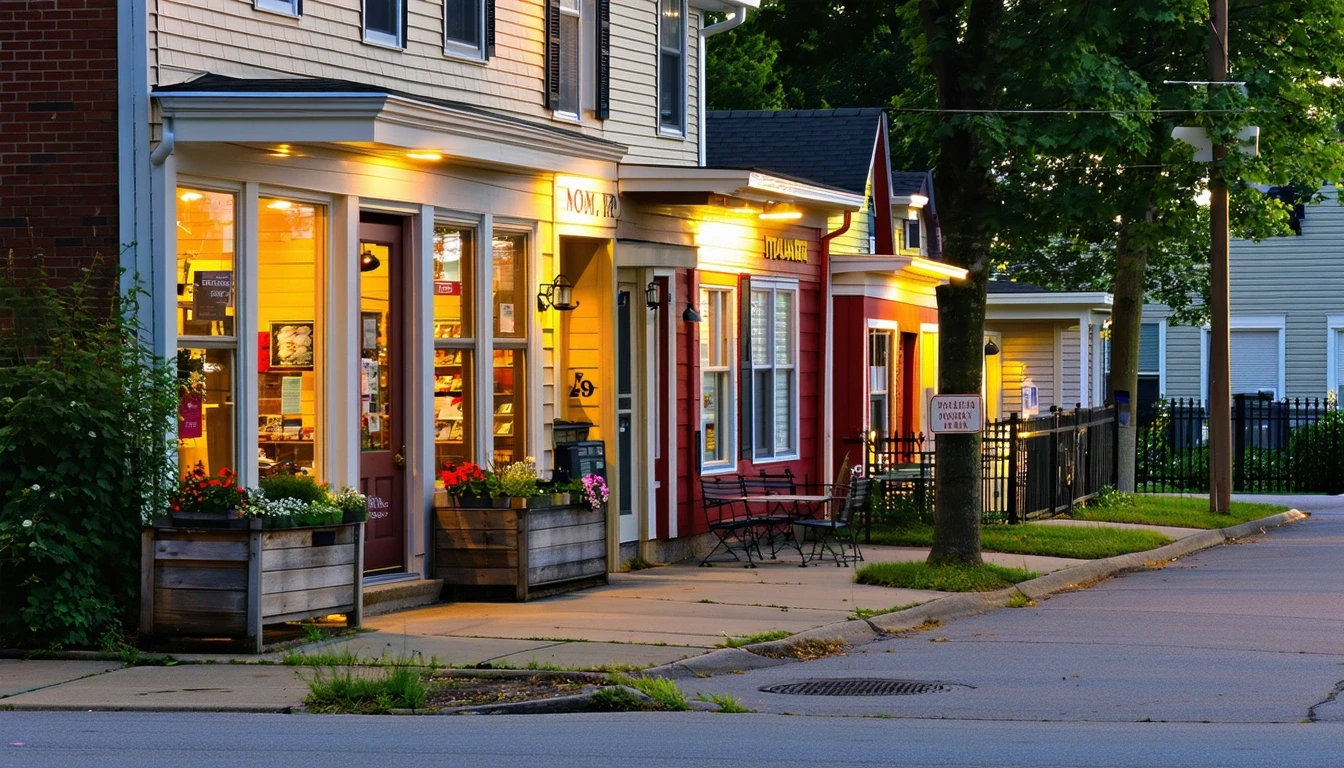
Comfort in Farmington reflects the town’s character: a mix of residential neighborhoods with pockets of walkability, access to a hospital, and a suburban structure that assumes car ownership. Living comfortably here means affording stable housing—whether that’s a home valued around the median of $375,700 or rent near $1,654 per month—without those costs dominating your financial decisions. It means absorbing utility bills that swing with Connecticut’s cold winters and warm summers, where heating drives the largest seasonal exposure. It means accepting that daily errands require planning and driving, since grocery and food options are spread thin relative to the road network.
Comfort also means having enough margin that an unexpected repair, a higher-than-usual gas bill, or a tight month doesn’t trigger a cascade of adjustments. It’s the difference between choosing where to shop and being limited by what’s closest, between maintaining your home proactively and deferring everything optional. In Farmington, comfort is shaped by the town’s infrastructure: bus service exists, but most households rely on cars. Walkable pockets offer some relief, but they don’t extend to the places you need to go most often.
Where Income Pressure Shows Up First
Housing is the most visible pressure point. The median home value of $375,700 translates to significant monthly obligations for buyers—mortgage, property taxes, insurance, and maintenance—that together claim a large share of gross income. Renters face their own squeeze: $1,654 per month is the median, and that figure doesn’t include utilities, parking, or the reality that many rentals sit above that line. For households earning near or below the town’s median income of $118,329 per year, housing alone can push the standard affordability threshold, leaving less room for everything else.
Utilities add a second layer of strain, especially in winter. Connecticut’s electricity rate of 27.02¢ per kWh is high, and natural gas at $16.29 per MCF compounds heating costs during the extended cold season. A household that budgets comfortably in spring may feel pinched in January, when heating demand peaks and bills climb. Unlike housing, which is predictable, utility costs fluctuate with weather and usage, making them harder to plan around and easier to underestimate.
Transportation pressure in Farmington is less about gas prices—currently $2.90 per gallon—and more about dependency. The town’s sparse grocery and food establishment density means most errands require a car, and the lack of rail transit leaves bus service as the only public option. Households that assumed walkability or easy access to daily needs often find themselves driving more than expected, logging miles that add up in fuel, maintenance, and time. For families, this dependency multiplies: school drop-offs, activity shuttles, and grocery runs stack into a weekly routine that assumes at least one reliable vehicle, if not two.
For families specifically, income pressure compounds. School and playground density both fall below thresholds that would make those amenities easily accessible, meaning parents often travel outside immediate neighborhoods for educational and recreational options. Combined with higher housing costs and the need for more space, families face a cost structure that’s harder to navigate than singles or couples encounter.
How the Same Income Feels Different by Household
A single adult earning a solid income in Farmington can live comfortably if they’re willing to accept the town’s tradeoffs. Rent or a modest home purchase is manageable, and one person’s utility usage stays relatively contained. The challenge is car dependency: even with some walkable pockets and mixed land use, daily errands require driving, and the sparse accessibility of food and grocery options means more trips, more planning, and less spontaneity. Singles who value convenience or prefer not to own a car will find Farmington’s structure frustrating, regardless of income.
Couples experience similar dynamics but with more flexibility. Sharing housing and transportation costs eases the burden, and two incomes—if both are working—create more margin to absorb utility swings and occasional surprises. The town’s walkable areas and bus service offer some relief, but the reality remains car-centric. Couples without children can often find comfort at income levels that would feel tight for a single person, simply because fixed costs are split and lifestyle needs are more predictable.
Families face the most pressure. Higher housing costs to accommodate children, limited school and playground infrastructure, and the logistical demands of managing multiple schedules all add friction. A family earning the same gross income as a couple will feel significantly more stretched, not because the costs are objectively higher across the board, but because the compounding effect of space, errands, activities, and seasonal utility exposure leaves less room for error. Families who thrive in Farmington tend to have incomes well above the median or have structured their lives to minimize the friction—living close to the few accessible amenities, reducing discretionary spending, or accepting longer commutes to access better options elsewhere.
The Comfort Threshold (Qualitative)
The comfort threshold in Farmington isn’t a number—it’s the point where income stops dictating behavior. It’s when you can afford the home or apartment you actually want, not just the one that fits the budget. It’s when a high heating bill in February is annoying but not destabilizing. It’s when you can choose to drive to a better grocery store instead of settling for the closest option, and when saving for future goals becomes plausible rather than aspirational.
For most households, this threshold sits above the point where monthly expenses consume every dollar. It requires enough margin that occasional overspending, an unexpected repair, or a seasonal spike doesn’t force cuts elsewhere. In Farmington, where housing and utilities claim significant shares of income and car dependency is structural, reaching this threshold often means earning enough to cover the predictable costs and still have flexibility left over. Households below this line can survive, but they’re managing tradeoffs constantly. Households above it can make choices based on preference, not pressure.
Why Online Cost Calculators Get Farmington Wrong
Most cost-of-living calculators reduce Farmington to a set of averages: median rent, typical utility bills, standard transportation costs. They produce a total, imply a required income, and move on. What they miss is how those costs interact with the town’s structure. A calculator might show that rent is $1,654 and suggest that’s manageable on a certain income, but it won’t tell you that sparse grocery access means more frequent trips, higher gas usage, and less time. It won’t explain that walkable pockets exist but don’t cover daily needs, or that limited family infrastructure adds logistical friction for parents.
Calculators also flatten household differences. They treat a single adult, a couple, and a family as variations on the same formula, when in reality the same income produces vastly different experiences depending on who’s living it. A couple might find Farmington’s costs reasonable; a family at the same income level might feel constant pressure. The calculators don’t account for this, because they’re built on totals, not texture.
People feel surprised after moving because the numbers didn’t prepare them for the behavior. They expected walkability based on the presence of sidewalks and mixed land use, only to discover that daily errands still require a car. They budgeted for utilities based on averages, then hit a cold stretch in January and watched the bills climb. The gap between the calculator’s output and lived reality is where financial stress takes root, and it’s why understanding what drives expenses in Farmington matters more than knowing the median figures.
How to Judge Whether Your Income Fits Farmington
Rather than asking “Is my income high enough?” ask whether your income aligns with how Farmington actually functions. Start with housing: can you afford the $375,700 median home price or $1,654 median rent without it consuming most of your gross monthly income? If housing alone pushes you near or past traditional affordability thresholds, every other cost becomes harder to manage.
Next, consider car dependency. Are you prepared to own and maintain a vehicle, and to drive for most errands? Farmington’s sparse food and grocery density, combined with limited transit options, makes car ownership nearly essential. If you were hoping to rely on walking, biking, or public transit for daily needs, the town’s structure will frustrate you regardless of income.
Evaluate your tolerance for utility volatility. Can you absorb seasonal swings in heating and electricity costs without needing to adjust spending elsewhere? Connecticut’s cold winters and high electricity rates mean bills fluctuate more than in milder or cheaper-energy regions. Households with tight budgets often feel this pressure most acutely in the coldest months.
If you have children, assess whether limited school and playground density will add logistical burden. Farmington’s family infrastructure falls below thresholds that make those amenities broadly accessible, meaning more driving, more planning, and potentially more costs for activities or programs outside the immediate area.
Finally, ask how much financial margin you need to feel secure. Comfort in Farmington requires enough income to cover predictable costs and still handle surprises—a repair, a rate increase, an unexpected expense. If your income leaves little room after housing, utilities, and transportation, the town’s cost structure will feel relentless. If you have margin, Farmington’s tradeoffs become manageable.
FAQs About Living Comfortably in Farmington
Is Farmington affordable for families?
Farmington is structurally challenging for families. High housing costs, limited school and playground density, and car-dependent errands all add friction. Families can make it work, but it typically requires income well above the median or a willingness to accept significant tradeoffs in convenience and accessibility.
Can you live in Farmington without a car?
Technically yes, but practically difficult. Bus service exists, and some walkable pockets offer pedestrian infrastructure, but grocery and food options are sparse and spread out. Most households rely on cars for daily errands, and those who don’t often find themselves spending more time and effort managing logistics.
How much do utilities actually cost in winter?
Utility costs in Farmington swing with the season. High electricity rates and cold-climate heating exposure mean winter bills climb significantly compared to milder months. The exact amount depends on home size, insulation, and heating system, but the volatility is real and worth planning for, especially if your budget is tight.
Does the median income in Farmington mean most people are comfortable?
Not necessarily. The median household income of $118,329 per year reflects the middle point, meaning half of households earn less. For those below the median, housing and transportation costs can claim a large share of income, leaving little margin. Comfort depends not just on earnings but on household size, lifestyle expectations, and how well income aligns with the town’s cost structure.
What’s the biggest financial surprise people face after moving to Farmington?
Most people underestimate car dependency. They see walkable pockets, mixed land use, and assume they’ll drive less than they do. In reality, sparse grocery and food access means more trips, more fuel, and more time behind the wheel. The second surprise is often utility volatility—budgeting for averages works until a cold winter month arrives and the heating bill spikes.
How this article was built: In addition to public economic data, this article incorporates location-based experiential signals derived from anonymized geographic patterns—such as access density, walkability, and land-use mix—to reflect how day-to-day living actually feels in Farmington, CT.
Farmington can work well for some households—but only if expectations match reality. Comfort here isn’t guaranteed by income alone; it’s earned by aligning what you earn with how the town actually functions, and by understanding where pressure shows up before it becomes a problem.
—