
Answer: Fairfield is considered moderately priced in 2026, with a median home value of $196,600 and median rent of $1,096 per month. The value proposition depends on housing entry cost versus car dependence and the ability to manage sparse grocery access and limited park infrastructure.
You’re staring at a spreadsheet, trying to figure out whether Fairfield pencils out. The rent looks reasonable. The home prices aren’t scary. But then you start adding up the car payments, the gas, the grocery runs that take longer than they should, and suddenly the picture gets cloudier. What actually drives the cost of living here, and where do the surprises come from?
Fairfield’s cost structure is shaped by three forces: below-average housing entry costs that create opportunity, car dependency that adds recurring exposure, and a sparse daily-errands landscape that increases planning burden. The city sits below the regional baseline for pricing—its Regional Price Parity index of 94 indicates costs run about 6% below the national average—but that advantage is unevenly distributed. Housing is the entry gate, transportation is the recurring tax, and the texture of daily logistics determines whether the savings hold up over time.
The dominant cost driver is housing, but not in the way you’d expect in a high-pressure market. Fairfield’s median home value of $196,600 and median gross rent of $1,096 per month position it as accessible rather than exclusionary. The pressure point isn’t whether you can get in—it’s whether the tradeoffs that come with entry (car dependence, errands friction, limited park and family infrastructure) align with how your household actually operates. Surprises come from underestimating transportation exposure and overestimating the convenience of daily errands.
Housing Costs (Primary Driver)
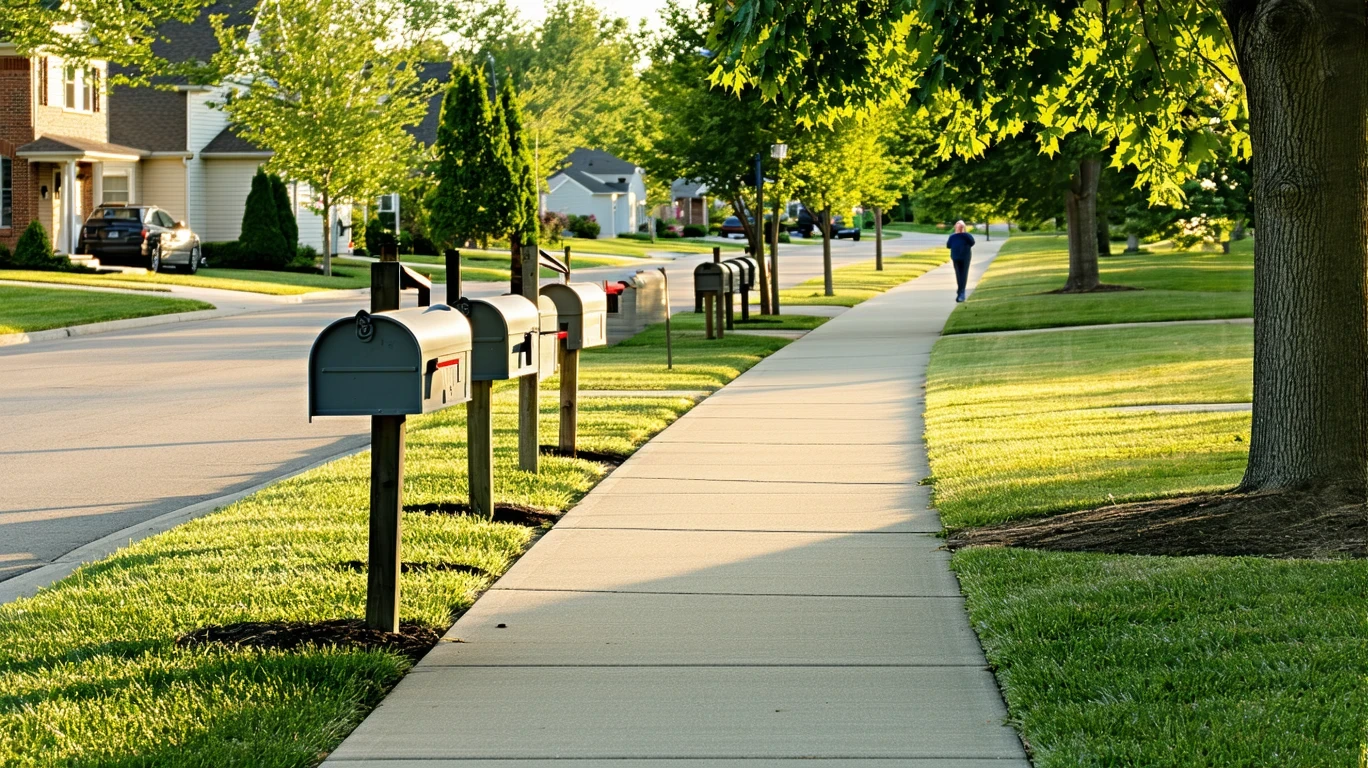
Housing in Fairfield is the foundation of its cost structure, and it tilts toward ownership. The median home value of $196,600 reflects a market where entry is achievable without extreme leverage or dual high incomes. Median gross rent of $1,096 per month offers a lower-risk alternative, but the rental market here functions more as a transitional platform than a long-term lifestyle. Ownership is the equilibrium state for most households that stay.
The renting-versus-owning calculus hinges on time horizon and transportation exposure. Renters avoid property tax volatility, maintenance unpredictability, and insurance escalation, but they also forgo equity accumulation in a market where home values provide stability rather than speculative upside. Owners accept exposure to tax reassessments, aging systems (HVAC, roofing, water heaters), and the behavioral cost of car dependency, but they lock in a fixed housing cost base and gain control over long-term financial predictability.
Fairfield functions as a buying city for households with stable income and tolerance for car-oriented logistics. It works as a renting city for those in transition, testing the metro, or unwilling to absorb maintenance risk. It does not function well as a renting city for households seeking walkable convenience or integrated park access—those features are structurally limited here.
| Housing Type | Cost Anchor | What That Buys You |
|---|---|---|
| Median Home Value | $196,600 | Ownership entry with equity exposure, property tax and maintenance responsibility, car-dependent access to errands and amenities |
| Median Gross Rent | $1,096/month | Lower-risk housing with flexibility, no maintenance burden, limited walkable convenience, transitional positioning |
Utilities & Energy Risk
Utility costs in Fairfield are driven by seasonal intensity rather than rate structure. The electricity rate of 17.66¢/kWh sits near the middle of the Midwest range, and natural gas is priced at $23.03 per thousand cubic feet (MCF), which translates to moderate heating exposure during cold months. The current temperature of 2°F signals the kind of winter conditions that dominate heating bills from December through February.
Electricity demand peaks in summer, when extended cooling seasons drive air conditioning usage. Heating demand peaks in winter, when natural gas or electric heat runs continuously during freezing stretches. The swing between these seasons creates volatility, but the absolute cost per unit keeps the exposure in the moderate range. Households that manage thermostat discipline, seal air leaks, and maintain HVAC systems reduce volatility more than they reduce baseline spend.
Utility risk classification for Fairfield: moderate. Seasonal swings are real, but rate structures and climate intensity don’t push exposure into the major category. The bigger risk is behavioral—households that overcool in summer or overheat in winter will see bills climb faster than the rate alone would predict.
Groceries & Daily Costs
Grocery costs in Fairfield reflect the city’s below-average regional pricing, but the structure of grocery access creates friction that offsets some of that advantage. The Regional Price Parity index of 94 suggests food costs run slightly below the national baseline, and derived item-level prices—bread at $1.72 per pound, chicken at $1.90 per pound, eggs at $2.55 per dozen—confirm that grocery pricing itself is not a pressure point.
The pressure comes from access density. Fairfield’s food and grocery establishment density falls below low thresholds, meaning fewer stores per square mile and longer average distances between home and shopping. This sparse accessibility increases trip frequency planning, reduces spontaneous errand efficiency, and adds time and fuel costs that don’t show up in the grocery receipt. For households accustomed to walkable or tightly clustered grocery options, this is a structural adjustment, not a pricing problem.
Daily costs in Fairfield are shaped more by logistics than by price. The savings on the shelf are real, but they require more intentional trip planning and vehicle dependence to capture. Households that batch errands and tolerate longer intervals between grocery runs will experience this as a minor inconvenience. Households that value frequent, spontaneous access to fresh food and varied retail will experience it as a recurring friction cost.
Transportation Reality
Transportation in Fairfield is a recurring cost exposure, not a one-time decision. The city’s structure assumes car ownership, and the experiential signals confirm that assumption. Fairfield has walkable pockets—areas where the pedestrian-to-road ratio exceeds high thresholds—but those pockets are exceptions, not the norm. Bus service is present, but it functions as supplemental rather than primary transportation. The dominant pattern is car dependency for work commutes, errands, and household logistics.
Gas prices of $2.85 per gallon set the baseline for fuel costs, but the real exposure comes from distance and frequency. Households with long commutes, multiple vehicles, or frequent errands face compounding transportation costs that rival or exceed housing savings. The unemployment rate of 4.0% suggests a stable job market, but job locations are dispersed across the Cincinnati metro, meaning commute length varies widely and transportation exposure scales with employment geography.
Transportation is the recurring tax on Fairfield’s housing affordability. The entry cost is low, but the operating cost is high for households that underestimate vehicle dependence. Families with two commuters, households with school-age children requiring daily drop-offs, and individuals working in downtown Cincinnati or northern suburbs will feel transportation pressure more acutely than the housing savings suggest. This is not a city where you can substitute transit for car ownership without significant lifestyle compromise.
Cost Exposure Profiles
Cost exposure in Fairfield is shaped by three structural realities: housing entry versus long-term ownership, transportation dependence, and the logistics burden of sparse errands infrastructure. These exposures don’t distribute evenly—they concentrate in specific household patterns.
Low-exposure situations: Single-owner households with no commute or short commutes, low vehicle counts, and tolerance for batched errands face minimal cost pressure. Ownership locks in housing costs, eliminates rent escalation, and allows long-term tax and maintenance planning. Low transportation dependence keeps fuel and vehicle costs predictable. Acceptance of sparse grocery and park density removes the friction cost of unmet convenience expectations. These households experience Fairfield as structurally affordable.
High-exposure situations: Renting households with long commutes, multiple vehicles, and expectations of walkable errands or integrated park access face compounding cost pressure. Rent offers flexibility but no equity offset. Long commutes multiply fuel, maintenance, and time costs. Multiple vehicles double insurance, registration, and depreciation exposure. Sparse grocery density and limited park infrastructure (park density below low thresholds) add planning burden and reduce spontaneous outdoor and family activity. These households experience Fairfield as more expensive than the headline housing numbers suggest, not because of pricing, but because of structural misalignment.
The cost structure here rewards households that align with car-dependent, ownership-oriented, low-errands-frequency patterns. It penalizes households that expect urban convenience, frequent park access, or transit viability. The difference isn’t income—it’s operational fit. Fairfield’s costs are moderate when your household matches its infrastructure. They escalate when you fight the structure.
Frequently Asked Questions
Is Fairfield more affordable than Cincinnati in 2026? Fairfield’s median home value of $196,600 and median rent of $1,096 per month generally position it below Cincinnati’s urban core pricing, but the comparison depends on transportation exposure and neighborhood selection. Fairfield’s car dependency can offset housing savings for commuters.
What does a typical cost profile look like in Fairfield? Housing dominates as the entry cost, transportation functions as the recurring tax, and groceries remain moderate due to below-average regional pricing. The biggest variable is commute length and vehicle count, which can shift the cost structure significantly.
Do utilities cost more in Fairfield than nearby areas? Utility rates in Fairfield—17.66¢/kWh for electricity and $23.03/MCF for natural gas—sit near the regional average. Seasonal intensity drives bills more than rate structure, with winter heating and summer cooling creating predictable swings.
What costs tend to surprise newcomers in Fairfield? Transportation exposure surprises households that underestimate car dependency, and sparse grocery density surprises those expecting walkable or tightly clustered errands access. Limited park infrastructure also surprises families expecting integrated outdoor space.
Are property taxes higher in Fairfield than Mason or West Chester? Property tax rates vary by jurisdiction and are not provided in the available data, but Fairfield’s median home value of $196,600 suggests a lower absolute tax base than higher-priced nearby suburbs, assuming similar millage rates.
Is Fairfield a good city for renters long-term? Fairfield functions better as a transitional renting city than a long-term one. The rental market offers flexibility and lower entry risk, but the city’s infrastructure rewards ownership and car-dependent logistics, which align better with long-term stability.
How does car dependency affect the cost of living in Fairfield? Car dependency is the primary recurring cost exposure after housing. Gas prices of $2.85 per gallon, combined with dispersed job locations and sparse errands density, mean transportation costs scale quickly for households with long commutes or multiple vehicles.
Does Fairfield’s below-average pricing apply to all cost categories? The Regional Price Parity index of 94 indicates overall costs run about 6% below the national average, but that advantage is concentrated in housing and groceries. Transportation and utility costs behave more like regional norms, and the logistics burden of sparse infrastructure can erode savings for some households.
How this article was built: In addition to public economic data, this article incorporates location-based experiential signals derived from anonymized geographic patterns—such as access density, walkability, and land-use mix—to reflect how day-to-day living actually feels in Fairfield, OH.
—