
Understanding how much you’ll spend on utilities in Escondido means looking beyond a single number—it’s about recognizing what drives your bills month to month, how seasonal weather shifts your exposure, and where you have control. Utility costs in Escondido reflect Southern California’s inland climate, regional energy pricing, and the structural realities of how homes are built and serviced across the city.
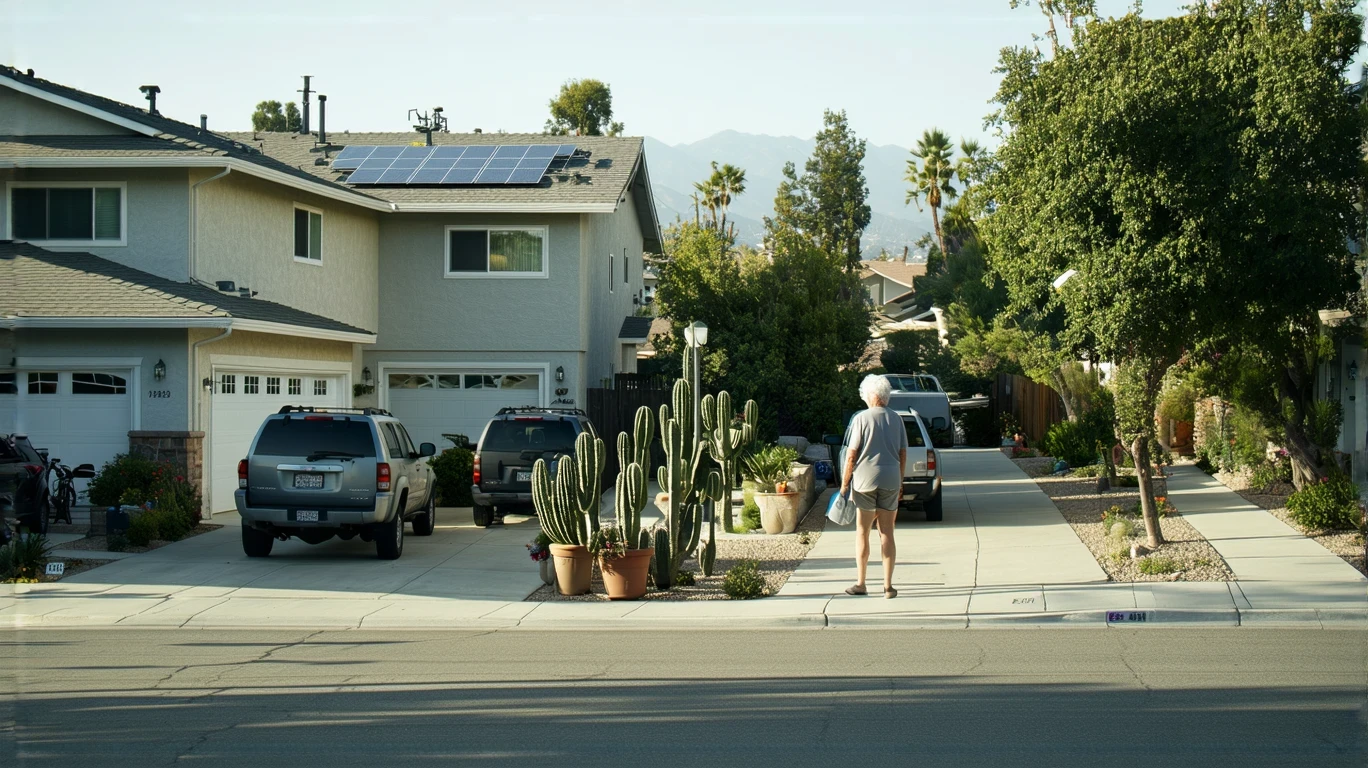
Understanding Utilities in Escondido
Utilities typically represent the second-largest monthly expense after housing, and in Escondido, they behave differently depending on whether you’re renting an apartment with some costs included or managing a standalone single-family home where every service arrives as a separate bill. For most households, the core categories—electricity, water, natural gas, and trash—combine to create a baseline cost that shifts with the seasons, your home’s efficiency, and how much you use.
Electricity dominates summer months when air conditioning runs for extended periods under hot, dry conditions. Natural gas plays a smaller role here than in colder climates, but it still drives heating costs during the mild winter. Water pricing in Escondido reflects California’s ongoing focus on conservation, with tiered rates that penalize higher usage. Trash and recycling services vary by provider and are sometimes bundled with water or included in HOA fees, depending on your neighborhood.
For people moving to Escondido, the biggest adjustment often comes from understanding that utility costs aren’t fixed—they’re exposure-driven. A household that keeps thermostats moderate, waters landscaping strategically, and maintains efficient appliances will experience meaningfully lower costs than one that doesn’t. The difference isn’t just a few dollars; it’s the gap between predictable monthly expenses and bills that swing unpredictably with behavior and weather.
Utilities at a Glance in Escondido
The table below shows how core utility costs typically behave for a mid-size household in a single-family home in Escondido. Where city-level prices are available in the data feed, they are shown directly. When exact figures are not provided, categories are described qualitatively to reflect how costs are structured and what drives variability.
| Utility | Cost Structure |
|---|---|
| Electricity | 34.71¢/kWh; usage-sensitive, climate-driven |
| Water | Tiered pricing; conservation-focused, usage-dependent |
| Natural Gas | $23.78/MCF; winter-driven, heating-dependent |
| Trash & Recycling | Bundled with water or HOA in many areas |
| Total | Seasonal variability driven by electricity and heating exposure |
This table reflects utility cost structure for a mid-size household in a single-family home in Escondido during 2026. Where exact figures are not provided in the IndexYard data feed, categories are described directionally to reflect how costs behave rather than a receipt-accurate total.
Electricity is billed per kilowatt-hour at 34.71¢, which places Escondido above the national average but in line with California’s broader energy pricing. The real cost driver isn’t the rate—it’s how many hours your air conditioning runs during triple-digit summer heat. Homes with older HVAC systems, poor insulation, or west-facing windows see the highest exposure. Apartments with shared walls and newer construction with efficient systems experience lower swings.
Water costs in Escondido follow tiered pricing structures designed to encourage conservation. The first tier covers basic indoor use at a lower rate, while higher tiers—triggered by outdoor irrigation, pools, or large households—carry steeper charges. In a region shaped by drought cycles and water scarcity, staying within the lower tiers isn’t just about saving money; it’s about aligning with how the system is designed to function.
Natural gas plays a smaller role in Escondido than in colder climates, but it still drives heating costs during the winter months. Priced at $23.78 per thousand cubic feet, gas expenses peak when overnight temperatures drop and furnaces cycle on. For most households, this means moderate bills from November through February, with minimal usage the rest of the year. Homes relying on electric heat or heat pumps avoid this category entirely.
Trash and recycling services in Escondido are typically bundled with water bills or included in HOA fees, depending on your neighborhood and housing type. Standalone single-family homes outside HOA communities may receive separate invoices from private haulers. The cost is relatively stable month to month, but it’s worth confirming what’s included when comparing rental listings or evaluating home purchase offers.
Electricity is typically the most exposure-sensitive utility in Escondido, driven more by climate and home efficiency than by base rates.
How Weather Impacts Utilities in Escondido
Escondido’s inland Southern California climate creates a predictable seasonal pattern: long, hot, dry summers that stretch cooling demand across five to six months, and short, mild winters where heating needs remain modest. The extended cooling season is the defining feature of utility costs here. When daytime highs push into the 90s and low 100s from June through September, air conditioning isn’t optional—it’s what makes indoor spaces livable. Households that don’t manage thermostat settings, shade, and airflow during this period see electric bills climb significantly compared to spring or fall.
Winter heating costs remain low by national standards. Escondido rarely experiences freezing temperatures, and most homes rely on natural gas furnaces that cycle on during evening and early morning hours when temps dip into the 40s or 50s. The heating season is short and the exposure is limited, meaning natural gas bills stay modest even during the coldest months. Many households notice a small uptick from December through February, but it’s nothing like the summer swing driven by cooling.
One climate quirk worth noting: Escondido’s low humidity means evaporative cooling strategies—like whole-house fans or swamp coolers—can work effectively during shoulder seasons, reducing reliance on traditional air conditioning. Homes with good cross-ventilation and strategic window management can delay turning on the AC in late spring and shut it off earlier in fall, shaving weeks off the high-cost cooling period. It’s a small adjustment that compounds over time, especially in older homes where HVAC efficiency lags.
How to Save on Utilities in Escondido
Reducing utility costs in Escondido starts with understanding where you have the most control: electricity during summer, water year-round, and natural gas during winter. The strategies that work best here are the ones that reduce exposure during peak periods rather than trying to optimize every small behavior. Focus on the big levers—cooling efficiency, irrigation timing, and appliance performance—and the savings follow naturally.
Practical steps that lower bills without requiring major upfront investment include adjusting thermostat settings during peak afternoon hours, using ceiling fans to circulate air, and closing blinds on west-facing windows before the hottest part of the day. For water, shifting outdoor irrigation to early morning or late evening reduces evaporation loss and keeps usage within lower pricing tiers. Inside, fixing leaks and upgrading to low-flow fixtures makes a measurable difference over time, especially in larger households.
- Enroll in time-of-use or off-peak billing programs if your provider offers them—shifting heavy appliance use to evening hours can lower costs.
- Consider solar panel installation; California’s incentives and Escondido’s sun exposure make this a strong long-term play for homeowners.
- Install a programmable or smart thermostat to automate temperature adjustments when you’re away or asleep.
- Plant shade trees on south and west sides of your home to reduce direct sun exposure and cooling load.
- Upgrade insulation in attics and around windows to reduce heat transfer during both summer and winter.
- Check for utility provider rebates on energy-efficient air conditioners, water heaters, and appliances—many programs exist but require proactive enrollment.
🏆 Tip: Check if your provider in Escondido offers rebates for energy-efficient AC units or heating systems. Many programs exist but aren’t automatically applied—you have to ask and submit documentation to qualify.
FAQs About Utility Costs in Escondido
Why are utility bills so high in Escondido during summer? The extended cooling season and inland heat drive air conditioning use for five to six months, often doubling or tripling electric bills compared to spring. Homes with older HVAC systems or poor insulation see the highest exposure.
Do HOAs in Escondido usually include trash or water in their fees? Many HOAs bundle trash and sometimes water into monthly dues, especially in townhome and condo communities. Single-family home HOAs vary—some include these services, others don’t. Always confirm what’s covered before assuming.
How much should a family of four budget for utilities in Escondido each month? Budgeting depends on home size, efficiency, and season, but expect electricity to dominate during summer and natural gas to add modest costs in winter. Water and trash remain relatively stable year-round. Focus on understanding your home’s specific exposure rather than relying on citywide averages.
Does Escondido offer incentives for solar panels or energy-efficient appliances? Yes—California maintains robust state-level solar incentives, and some local providers offer rebates for energy-efficient HVAC systems, water heaters, and appliances. Eligibility and amounts vary, so check directly with your utility provider and explore federal tax credits as well.
How does seasonal weather affect monthly utility bills in Escondido? Summer heat drives the largest cost swings through extended air conditioning use, while mild winters keep heating costs low. Spring and fall represent the lowest-cost months, when neither cooling nor heating dominates. The gap between peak and off-peak months is significant and predictable.
How Utilities Fit Into the Cost Structure in Escondido
Utilities in Escondido function as a secondary but volatile cost driver, sitting behind housing but ahead of most discretionary spending. Unlike rent or mortgage payments, which remain fixed, utility costs shift with the seasons, your home’s efficiency, and how you manage daily consumption. For households trying to understand where your money goes in Escondido, utilities represent one of the few major expense categories where behavior and planning directly control outcomes.
The structure of Escondido—low-rise, mixed land use, with walkable pockets and rail transit—means many households can reduce transportation costs by living closer to work or errands, but that tradeoff often comes with higher housing density and shared utility exposure. Apartments in corridor-clustered areas may include some utilities in rent, smoothing monthly volatility but removing direct control. Single-family homes in less dense neighborhoods give you full control over every bill, but also full exposure to seasonal swings and maintenance costs.
For a complete picture of how utilities interact with housing, transportation, and day-to-day expenses, see your monthly budget in Escondido: where it breaks. That article walks through how different household types allocate income across all major categories, including the seasonal utility patterns discussed here. Understanding utilities in isolation is useful, but seeing how they fit into the broader cost structure is what makes budgeting actionable.
How this article was built: In addition to public economic data, this article incorporates location-based experiential signals derived from anonymized geographic patterns—such as access density, walkability, and land-use mix—to reflect how day-to-day living actually feels in Escondido, CA.
—