
“Enterprise feels like you’re close enough to everything Vegas offers, but far enough that you’re not drowning in it. It’s quiet, it’s newer, but sometimes it feels like you have to plan every errand instead of just walking out the door.”
That tension—proximity without immersion, convenience without spontaneity—defines much of the emotional experience of living in Enterprise, NV. This unincorporated community in the Las Vegas metro area attracts people seeking suburban comfort, newer housing, and a buffer from the Strip’s intensity. But it also frustrates those who arrive expecting walkable neighborhoods, abundant local schools, or the kind of texture that comes from decades of organic growth.
Understanding whether Enterprise feels like a good fit requires looking past the surface appeal of affordable-ish housing and Vegas access. It means asking: Do you thrive when errands require a car and a plan? Do you value newness over established character? Are you comfortable with bus-only transit and corridor-clustered shopping? The answers shape whether Enterprise feels like home—or like a placeholder.
The Emotional Landscape of Enterprise
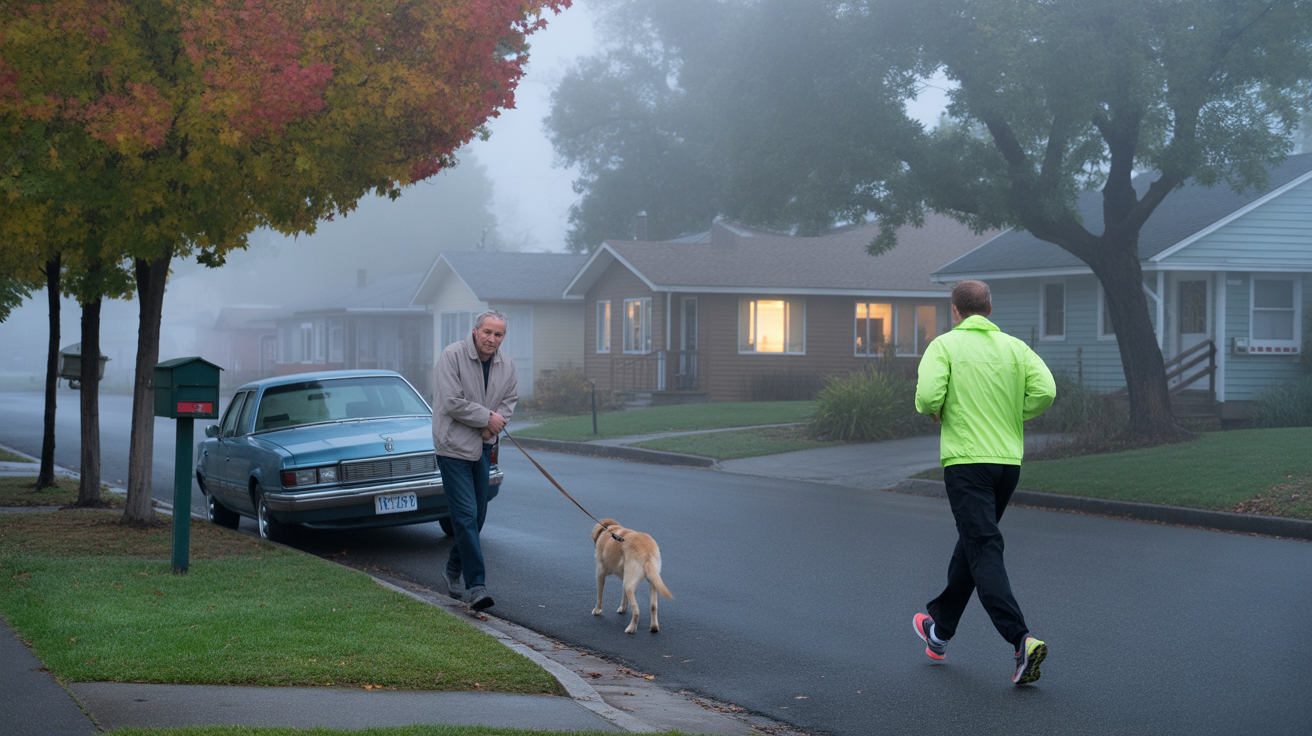
Enterprise doesn’t have a single downtown or a historic Main Street. It’s a sprawling suburban area that grew rapidly in the 1990s and 2000s, filled with planned communities, strip malls, and mid-rise apartment complexes. The vibe is functional, not romantic. People who love it tend to appreciate what it isn’t: it’s not chaotic, not expensive by Vegas standards, not saturated with tourists. It offers breathing room, parking, and proximity to jobs and entertainment without the noise.
But that same functionality can feel sterile to people who crave neighborhood texture. The street grid is wide and car-oriented. Errands cluster along commercial corridors rather than sprinkling through residential blocks. While some pockets have pedestrian infrastructure and mixed land use, the overall experience requires a car and a mental map of where things are. For households used to walking to a corner store or letting kids bike to school, Enterprise can feel isolating.
The climate adds another layer. Triple-digit summer heat dominates daily life for months, shaping when people go outside, how much they spend on cooling, and whether outdoor amenities feel usable or ornamental. Winters are mild, but the desert sun is relentless. People who thrive here tend to be comfortable with indoor-focused routines and planned outdoor windows—early mornings, late evenings, or seasonal escapes.
Social Media Buzz in Enterprise
Online discussion about Enterprise tends to revolve around a few recurring themes: affordability relative to other parts of the Vegas metro, the convenience of being “close to everything,” and frustration with traffic, limited walkability, and the sameness of newer developments. The tone is pragmatic rather than passionate. People defend their choice to live here, but rarely romanticize it.
Common refrains include:
“It’s a solid place if you have a car and don’t mind driving. Everything you need is within 10 minutes, but nothing is within walking distance.”
“Enterprise is fine. It’s not exciting, but it’s not supposed to be. You get space, you get quiet, and you’re still close to the action when you want it.”
“I wish there were more parks and better schools nearby. It feels like they built all these houses but forgot the community part.”
The emotional tone is often one of qualified satisfaction. People appreciate the tradeoff they’ve made—lower cost, more space, less intensity—but they’re also aware of what they’ve given up. There’s little nostalgia and little boosterism. Enterprise is a place people choose more than a place they love.
Local News Tone
Coverage of Enterprise tends to frame the area through the lens of growth, infrastructure strain, and identity negotiation. As an unincorporated community, Enterprise lacks its own municipal government, which shapes how residents experience services, planning decisions, and civic voice. Local outlets often focus on:
- “New Housing Developments Reshape Suburban Landscape”
- “Residents Navigate Traffic as Population Grows”
- “Community Debates Role of Commercial Corridors”
- “Families Weigh School Access and Commute Tradeoffs”
- “Desert Living: Balancing Outdoor Amenities and Climate Realities”
The framing is rarely celebratory or crisis-driven. Instead, it reflects the ongoing negotiation of suburban life in a fast-growing metro: how to manage density, where to invest in infrastructure, and what kind of place Enterprise is becoming. For residents, this translates into a sense of in-between-ness—not quite established, not quite new; not quite urban, not quite rural.
Review-Based Public Perception
Public reviews of Enterprise—whether on Google, Yelp, or neighborhood platforms—tend to split along expectation lines. People who wanted suburban convenience, newer housing, and proximity to Vegas amenities often feel satisfied. People who wanted walkable neighborhoods, abundant parks, or a strong sense of place often feel let down.
Positive reviews emphasize:
- Newer housing stock and well-maintained complexes
- Proximity to shopping, dining, and entertainment
- Quiet streets and lower crime than some Vegas neighborhoods
- Access to jobs without living in the urban core
Critical reviews focus on:
- Car dependency and limited walkability
- Sparse school options and family infrastructure
- Lack of neighborhood character or “soul”
- Traffic congestion along major corridors
- Limited green space and outdoor texture
The pattern is clear: Enterprise rewards people who prioritize function over form and access over immersion. It frustrates people who expect their neighborhood to feel like a destination in itself. The community’s structure—corridor-clustered errands, bus-only transit, and mixed residential-commercial zones—means that daily life requires planning and mobility. For some, that’s a minor inconvenience. For others, it’s a daily friction point.
Comparison to Nearby Cities
| Aspect | Enterprise, NV | Henderson, NV | Summerlin, NV |
|---|---|---|---|
| Overall Vibe | Functional suburban, proximity-focused | Established suburban, family-oriented | Master-planned, amenity-rich |
| Walkability | Limited, car-dependent baseline | Moderate in older areas, car-oriented overall | Planned pedestrian zones, still car-reliant |
| Housing Character | Newer developments, mid-rise apartments | Mix of older and newer single-family homes | Newer, higher-end planned communities |
| Community Feel | In-between, less established identity | Stronger neighborhood roots, more texture | Polished, resort-like, less organic |
| Cost Pressure | Moderate, more accessible than Summerlin | Moderate to high, varies by neighborhood | Higher, premium for master-planned amenities |
Enterprise sits in the middle of a spectrum. It’s less expensive and less polished than Summerlin, but also less established and less textured than Henderson. If you want master-planned amenities and don’t mind paying for them, Summerlin might feel more complete. If you want a stronger sense of neighborhood history and more walkable pockets, Henderson might feel more rooted. If you want proximity to Vegas, newer housing, and a lower entry cost, Enterprise makes sense—but you’ll trade texture and spontaneity for that access.
What Locals Are Saying
“I moved here from California and was shocked at how much space I could afford. The apartment is new, the area is quiet, and I can be on the Strip in 15 minutes. It’s not walkable, but I have a car, so it works.”
— Young professional, renting in a mid-rise complex
“We chose Enterprise because it felt safer and quieter than other parts of Vegas. The schools aren’t great, but we’re managing. I just wish there were more parks and things for the kids to do without driving.”
— Parent of two, homeowner
“It’s fine for now, but it doesn’t feel like a real community. Everything is new and kind of generic. I miss having a downtown or a place where people just hang out.”
— Newcomer from the Midwest
“I’ve been here 10 years and I still think it’s the best value in the metro. You’re close to work, close to shopping, and you don’t pay Summerlin prices. People complain about walkability, but that’s not what this place is for.”
— Long-time resident, works in hospitality
“The heat is no joke. If you’re not used to desert summers, it’s going to be a shock. You can’t just go outside whenever you want. You have to plan around it.”
— Retiree, originally from the Pacific Northwest
“I work remotely and chose Enterprise because it’s affordable and close to amenities. But I do feel like I’m always in my car. There’s no coffee shop I can walk to, no corner store. It’s all big-box and strip malls.”
— Remote worker, renting
“It’s a good place to land when you’re figuring out Vegas. You’re not locked into one neighborhood, and you can explore from here. But I don’t know if I’d stay long-term.”
— Newcomer, exploring the metro
Does Enterprise Feel Like a Good Fit?
Enterprise works best for people who value proximity, function, and affordability over texture, walkability, and established character. It’s a place that rewards car owners, planners, and people comfortable with a suburban baseline. It frustrates people who want their neighborhood to feel like a destination, who expect to walk to errands, or who need abundant family infrastructure close by.
The community’s structure—corridor-clustered shopping, bus-only transit, mixed residential-commercial zones, and limited school density—means that daily life requires intentionality. You don’t stumble into spontaneous errands or chance encounters. You plan your routes, batch your trips, and accept that convenience comes in the form of access, not proximity.
If you’re moving to the Las Vegas metro and want breathing room without paying Summerlin premiums, Enterprise offers a pragmatic middle ground. If you’re looking for a place that feels rooted, walkable, or community-centered, you’ll likely feel the gaps. The vibe here isn’t about falling in love with your neighborhood—it’s about making a smart tradeoff and building your life around it.
For a clearer sense of what a budget has to handle in Enterprise, or to explore what “enough” actually means in terms of quality of life, those resources can help you move from vibe to logistics. And if you’re weighing renting vs buying in Enterprise, understanding the housing tradeoffs will clarify whether this functional, proximity-driven community aligns with your long-term plans.
How this article was built: In addition to public economic data, this article incorporates location-based experiential signals derived from anonymized geographic patterns—such as access density, walkability, and land-use mix—to reflect how day-to-day living actually feels in Enterprise, NV.
The perspectives shown reflect commonly expressed local sentiment and recurring themes in public discussion, rather than individual accounts.