

Enterprise and Paradise sit just miles apart in the Las Vegas metro, sharing the same desert climate, utility providers, and regional economy. Yet the financial experience of living in each city diverges in ways that matter deeply for households making decisions in 2026. Both communities offer access to the broader Las Vegas job market, but they differ in housing entry barriers, transit infrastructure, and the daily friction of running errands. For families weighing school access against walkability, or professionals balancing commute predictability against housing costs, understanding where cost pressure concentrates—not just how much things cost overall—becomes the deciding factor.
This comparison focuses on structural differences: how housing costs behave, where transportation costs show up, and which households feel grocery or utility exposure most acutely. Neither city is universally “cheaper.” Instead, each creates a distinct cost profile that fits different household priorities, income structures, and lifestyle needs. The right choice depends less on total spending and more on which costs you can control, which you can’t, and how much flexibility you need when circumstances change.
Meet the Torres family: Maria, a healthcare administrator, and James, a logistics coordinator, are debating whether to rent in Paradise near the Strip or buy farther out in Enterprise. Their two kids are in elementary school, and they’re trying to figure out which city makes their monthly budget feel more predictable—and which one gives them more room to adjust if one of them changes jobs or their commute shifts.
Housing Costs
Housing creates the starkest divide between Enterprise and Paradise. In Enterprise, the median home value reaches $413,800, while Paradise sits at $333,800—a difference that translates directly into down payment requirements, mortgage obligations, and property tax exposure. For renters, Enterprise’s median gross rent of $1,700 per month contrasts with Paradise’s $1,192 per month, a gap that compounds over lease terms and affects how much flexibility households retain for other expenses. These aren’t small variations; they represent fundamentally different entry barriers and ongoing obligations.
The housing stock in both cities leans toward more vertical building forms with mixed land use, meaning apartments and townhomes appear alongside single-family homes. But the cost structure differs. In Enterprise, higher home values suggest newer construction, larger lots, or proximity to amenities that command premium pricing. Renters in Enterprise face tighter inventory at higher price points, which reduces negotiating power and increases competition for available units. In Paradise, lower home values and rents reflect older housing stock, denser development patterns, and proximity to the urban core—tradeoffs that create accessibility for first-time buyers and renters but may introduce maintenance variability or less predictable utility performance in older buildings.
For first-time buyers, Paradise offers a lower threshold to ownership, reducing the cash needed upfront and shrinking monthly mortgage obligations. Families prioritizing space or newer construction may find Enterprise’s housing stock more aligned with their needs, but they’ll absorb higher ongoing costs and less flexibility if income fluctuates. Renters sensitive to monthly cash flow will feel the difference immediately: Paradise’s lower rents free up budget for transportation, groceries, or savings, while Enterprise’s higher rents demand more stable, higher income to avoid cost pressure. Established homeowners moving laterally may find Enterprise’s market more competitive, while those downsizing or entering ownership for the first time may find Paradise’s entry point more forgiving.
| Housing Type | Enterprise | Paradise |
|---|---|---|
| Median Home Value | $413,800 | $333,800 |
| Median Gross Rent | $1,700/month | $1,192/month |
| Typical Housing Form | More vertical, mixed-use | More vertical, mixed-use |
Housing takeaway: Households prioritizing lower entry costs and monthly flexibility will find Paradise more accessible, especially renters and first-time buyers. Enterprise’s higher housing costs create barriers but may align with households seeking newer construction or more space. The primary pressure in Enterprise is front-loaded (down payments, higher rent); in Paradise, it’s distributed differently, with lower baseline costs but potential variability in older housing stock maintenance and utility efficiency.
Utilities and Energy Costs
Both Enterprise and Paradise share identical utility rate structures: electricity costs 14.20¢/kWh and natural gas runs $14.46/MCF. The desert climate drives similar seasonal exposure—extended cooling seasons dominate summer months, with rare heating needs in winter. Yet utility bills don’t feel the same in both cities, because housing age, building form, and square footage create different levels of exposure even when rates stay constant.
In Enterprise, where housing stock skews newer and home values run higher, households may benefit from better insulation, more efficient HVAC systems, and tighter building envelopes that reduce cooling loads during triple-digit summer heat. Larger homes, however, introduce more square footage to cool, and single-family layouts often lack the thermal buffering that apartments gain from shared walls. Families in Enterprise managing larger homes will see utility costs rise with home size, even if efficiency features help moderate the impact. Renters in newer apartment complexes may experience lower bills than those in older units, but landlords don’t always pass efficiency upgrades to tenants, leaving some renters exposed to higher usage despite modern construction.
Paradise’s lower home values and older housing stock suggest more variability in utility performance. Older buildings may lack modern insulation, use less efficient cooling systems, or feature single-pane windows that increase heat gain. Apartments in Paradise benefit from vertical density—shared walls and ceilings reduce per-unit cooling loads—but older units may offset that advantage with outdated equipment. Renters in Paradise face unpredictable utility costs depending on building age and landlord investment in upgrades. Homeowners inheriting older systems may face higher baseline usage until they invest in efficiency improvements, creating a tradeoff between lower purchase prices and higher ongoing energy exposure.
Households in both cities can reduce exposure through behavioral adjustments—programmable thermostats, off-peak usage, and shade management—but the effectiveness of those strategies depends on housing quality. Families with young children or elderly members who require consistent indoor temperatures will feel utility volatility more acutely, especially in older Paradise homes where equipment failures or inefficiency spikes can’t be deferred. Single adults or couples with flexible schedules may tolerate more variability, adjusting usage patterns to avoid peak rates or high-demand periods.
Utility takeaway: Enterprise households in newer construction experience more predictable utility costs, though larger homes introduce higher baseline usage. Paradise households face more variability depending on housing age, with older units creating higher exposure despite identical rates. Renters in both cities should verify building age and equipment condition before signing leases, as landlords control efficiency investments. Homeowners in Paradise may face upfront costs to improve efficiency, while those in Enterprise trade higher housing costs for lower utility volatility.
Groceries and Daily Expenses
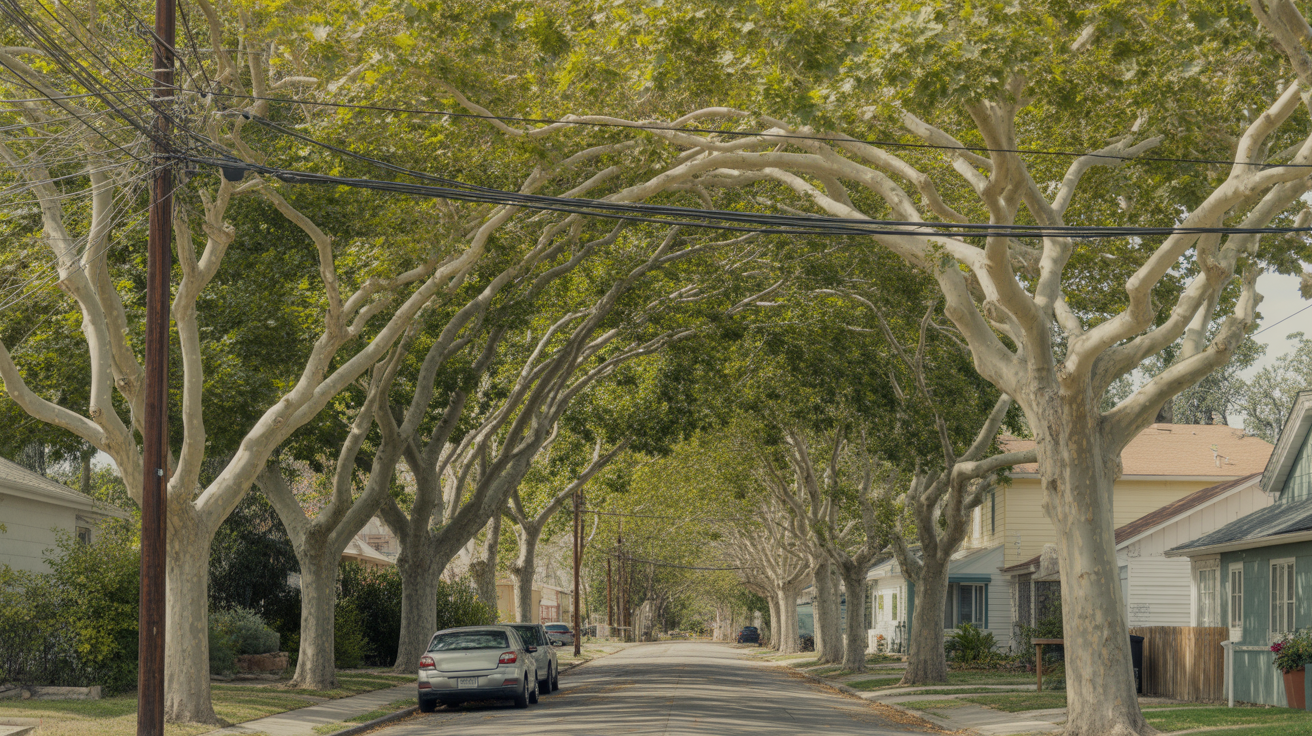
Grocery costs in both cities reflect the same regional price environment—bread runs around $1.78/lb, ground beef $6.49/lb, and eggs $2.63/dozen—but access patterns and shopping infrastructure create different levels of friction and convenience spending. Paradise shows broadly accessible food and grocery options, with high density of both food establishments and grocery stores distributed throughout the city. Enterprise, by contrast, shows corridor-clustered errands, with food and grocery options concentrated along specific routes rather than evenly spread. That difference doesn’t change what items cost, but it changes how much time, planning, and convenience spending households absorb to get them.
In Paradise, higher food and grocery density means shorter trips, more competition among stores, and easier access to discount chains, ethnic markets, and specialty shops. Households can comparison-shop without adding significant drive time, and the presence of multiple options within a small radius reduces reliance on a single store’s pricing or inventory. Families managing larger grocery volumes benefit from this density—quick trips for missing ingredients don’t require extended planning, and the ability to split shopping across stores (produce at one, bulk staples at another) becomes practical rather than theoretical. Single adults and couples also gain flexibility: grabbing dinner ingredients after work or picking up household goods on the way home doesn’t require dedicated trips or route adjustments.
Enterprise’s corridor-clustered pattern means grocery shopping requires more intentional routing. Households may pass fewer stores during daily commutes, making spontaneous stops less convenient and increasing the likelihood of planned, less frequent shopping trips. That structure favors bulk buying and meal planning but penalizes households that need flexibility or forget items mid-week. Families with unpredictable schedules—shift workers, parents managing after-school activities—may find themselves making extra trips or relying on convenience stores with higher per-unit pricing. The presence of walkable pockets in Enterprise helps, but those pockets don’t always align with grocery access, meaning pedestrian infrastructure doesn’t fully offset the need for car-based errands.
Dining out and convenience spending follow similar patterns. Paradise’s higher density of food establishments increases temptation for takeout, coffee runs, and quick meals, which can inflate daily spending if households don’t actively manage frequency. Enterprise’s corridor clustering reduces spontaneous dining opportunities but may also reduce convenience spending creep—fewer options mean fewer impulse purchases, though it also means less flexibility when time is tight. Households sensitive to convenience spending will find Paradise’s accessibility both a benefit (more choice) and a risk (more temptation), while Enterprise’s structure imposes more discipline by default.
Grocery takeaway: Paradise’s broadly accessible errands reduce friction for households managing frequent shopping trips, comparison shopping, or unpredictable schedules. Enterprise’s corridor-clustered pattern favors planned, less frequent trips and may reduce convenience spending but increases time cost and planning burden. Families with young children or dual-income couples juggling schedules will feel Paradise’s accessibility as a meaningful advantage, while households with stable routines and bulk-buying habits may find Enterprise’s structure less disruptive.
Taxes and Fees
Nevada’s state tax structure—no personal income tax, reliance on sales and property taxes—applies equally to both Enterprise and Paradise, but the local implementation and fee landscape differ in ways that affect ongoing obligations. Property taxes scale with home values, meaning Enterprise homeowners face higher annual tax bills tied to the median home value of $413,800 compared to Paradise’s $333,800. That difference compounds over time, creating a predictable but non-negotiable cost that rises with assessed values and doesn’t shrink even if household income fluctuates.
Both cities operate within Clark County’s property tax framework, but local fees—trash collection, water, sewer, and stormwater management—vary by jurisdiction and housing type. Enterprise’s newer housing stock often includes HOA fees that bundle landscaping, exterior maintenance, and shared amenities, creating predictable monthly obligations but reducing control over cost. Paradise’s older, denser housing stock may feature fewer HOA-governed communities, giving homeowners more control over maintenance spending but introducing variability when repairs or upgrades become necessary. Renters in both cities typically see these fees embedded in rent, but the transparency and predictability differ: newer Enterprise complexes may itemize fees more clearly, while older Paradise units may lump costs into base rent without breakouts.
Sales taxes hit all households equally at the register, but the impact scales with spending patterns. Families managing larger grocery volumes, frequent dining out, or regular household goods purchases will feel sales tax pressure more acutely, regardless of city. The lack of income tax benefits higher earners disproportionately, but it doesn’t offset the regressive nature of consumption taxes for lower-income households. Paradise’s lower median household income of $55,224 per year suggests a population more exposed to sales tax pressure relative to earnings, while Enterprise’s higher median income of $91,165 per year provides more cushion against consumption-based taxation.
Special assessments, parking fees, and utility connection charges appear sporadically in both cities, often tied to new development or infrastructure upgrades. Homeowners in Enterprise’s newer subdivisions may encounter one-time assessments for road improvements or utility extensions, while Paradise residents in older neighborhoods may face deferred maintenance costs when aging infrastructure requires replacement. Renters generally avoid these costs directly, but landlords pass them through in the form of rent increases or reduced maintenance responsiveness.
Tax and fee takeaway: Enterprise homeowners face higher property tax exposure due to elevated home values, plus potential HOA fees that bundle services but reduce flexibility. Paradise homeowners encounter lower baseline property taxes but more variability in maintenance and fee structures. Renters in both cities should clarify which fees are included in rent and which are billed separately. Long-term residents planning to stay several years will feel property tax differences more acutely in Enterprise, while recent movers in Paradise may appreciate lower entry-level tax obligations despite less predictable fee structures.
Transportation & Commute Reality
Transportation costs and commute patterns diverge meaningfully between Enterprise and Paradise, driven by transit infrastructure and job access rather than fuel prices—both cities share the same $3.43/gal gas price. Paradise provides rail transit service alongside bus coverage, creating flexibility for households willing to trade time for lower car dependence. Enterprise offers bus-only transit, which limits route density and frequency, making car ownership more essential for most households. Both cities show walkable pockets with high pedestrian-to-road ratios, but those pockets don’t eliminate the need for cars when commuting beyond neighborhood boundaries.
Paradise’s average commute time of 22 minutes reflects proximity to the Las Vegas Strip and central employment hubs, though 26.7% of workers face long commutes and only 4.4% work from home. That suggests most households still rely on cars despite rail access, but the presence of rail creates optionality: households with one car can split transportation modes, and those willing to accept longer transit times can reduce fuel and parking costs. The rail line doesn’t serve all neighborhoods equally, so proximity to stations becomes a key variable in whether transit substitutes for driving or simply adds unused infrastructure.
Enterprise lacks commute time data, but its position farther from the urban core and reliance on bus-only transit suggests longer average commutes and higher car dependence. Walkable pockets help for local errands, but they don’t replace cars for reaching job centers, and bus routes may require transfers or extended wait times that make driving the only practical option for shift workers or families managing school drop-offs. The presence of some bike infrastructure (medium bike-to-road ratio) offers limited relief for short trips, but the desert heat and distances involved make cycling a niche solution rather than a primary mode.
Fuel costs hit all households at the same rate, but the frequency and distance of trips vary. Families in Enterprise making daily commutes to the Strip or Henderson will burn more fuel than Paradise residents living closer to job centers. Single adults with flexible schedules or remote work options can mitigate transportation costs in either city, but those with fixed commutes or multiple household members commuting separately will feel the difference. Paradise’s rail access doesn’t eliminate car costs—parking, insurance, and maintenance remain—but it creates a pressure valve for households willing to adjust schedules or tolerate longer trip times.
Transportation takeaway: Paradise’s rail transit and shorter average commute times reduce car dependence for households near stations, though most residents still drive. Enterprise’s bus-only transit and likely longer commutes make car ownership nearly essential, increasing fuel, maintenance, and insurance exposure. Households with multiple commuters or inflexible schedules will feel Enterprise’s transportation costs more acutely, while those in Paradise near rail lines gain optionality that can reduce long-term vehicle expenses.
Cost Structure Comparison
Housing pressure dominates the cost experience in both cities, but the nature of that pressure differs. Enterprise front-loads costs through higher home values and rents, creating steeper entry barriers and larger ongoing obligations. Paradise distributes pressure differently: lower entry costs improve accessibility, but older housing stock introduces variability in maintenance and utility efficiency that can offset initial savings. Renters in Paradise gain immediate monthly flexibility, while those in Enterprise absorb higher baseline costs in exchange for potentially newer, more predictable housing conditions.
Utilities introduce similar seasonal exposure in both cities—extended cooling seasons and triple-digit heat create non-negotiable summer costs—but housing age and size determine how much volatility households experience. Enterprise’s newer construction and larger homes create higher baseline usage but more predictable performance. Paradise’s older, denser housing stock reduces per-unit cooling loads in apartments but increases variability in single-family homes with outdated systems. Households managing tight budgets will feel utility spikes more acutely in Paradise, where older equipment failures or inefficiency can’t be deferred, while those in Enterprise trade higher housing costs for lower utility uncertainty.
Daily errands and grocery access create friction differently. Paradise’s broadly accessible food and grocery options reduce time costs and planning burden, making spontaneous trips practical and comparison shopping easy. Enterprise’s corridor-clustered pattern requires more intentional routing, favoring bulk buying and planned trips but penalizing households with unpredictable schedules. Families with young children or dual-income couples juggling after-school activities will feel Paradise’s accessibility as a meaningful convenience advantage, while households with stable routines may find Enterprise’s structure less disruptive.
Transportation patterns matter more in Enterprise, where bus-only transit and likely longer commutes make car ownership nearly essential. Paradise’s rail access and shorter average commute times create optionality for households near stations, though most residents still drive. The difference isn’t about eliminating car costs—both cities remain car-dependent for most households—but about whether transit provides a viable fallback when gas prices spike, parking becomes expensive, or a second vehicle becomes unaffordable. Households with multiple commuters or inflexible work schedules will feel Enterprise’s transportation exposure more acutely, while those in Paradise near rail lines gain flexibility that can reduce long-term vehicle dependence.
The better choice depends on which costs dominate your household. For renters and first-time buyers sensitive to entry barriers, Paradise’s lower housing costs create immediate breathing room. For established homeowners prioritizing predictability and newer construction, Enterprise’s higher costs may align with long-term stability. Households managing frequent errands, unpredictable schedules, or multiple commuters will find Paradise’s transit and errands accessibility reduces friction, while those with stable routines and higher incomes may tolerate Enterprise’s structure without significant lifestyle compromise. Neither city is universally cheaper—each creates pressure in different places, and the right fit depends on which pressures you can absorb and which you can’t.
How the Same Income Feels in Enterprise vs Paradise
Single Adult
Housing becomes the first non-negotiable cost, and the difference between $1,700 and $1,192 in median rent determines how much flexibility remains for everything else. In Paradise, lower rent leaves room for transportation choices—whether to keep a car or rely more on rail transit—and allows for spontaneous grocery or dining decisions without immediate budget strain. In Enterprise, higher rent locks in a larger fixed obligation, meaning transportation and errands require more planning to avoid overspending. Flexibility exists in both cities, but in Paradise it shows up as discretionary cushion, while in Enterprise it depends on maintaining stable income without interruption.
Dual-Income Couple
The commute friction and errands accessibility differences become more visible when two people manage separate work schedules. In Paradise, rail transit creates optionality for one partner to reduce car dependence, and broadly accessible grocery options mean errands don’t require dedicated weekend trips or extensive coordination. In Enterprise, bus-only transit and corridor-clustered errands mean both partners likely need cars, and grocery shopping requires more intentional planning to avoid multiple trips. Housing costs still dominate, but the time cost of managing logistics—commuting, errands, household tasks—adds friction that compounds when both partners work full-time or manage irregular schedules.
Family with Kids
School access, errands frequency, and transportation logistics become non-negotiable, and the cost structure differences between cities create distinct pressure points. In Paradise, lower housing costs free up budget for childcare or extracurriculars, and broadly accessible errands reduce the time burden of managing frequent grocery trips or last-minute school supply runs. In Enterprise, higher housing costs absorb more income upfront, and corridor-clustered errands mean more planning to avoid inefficient trips. Both cities show limited family infrastructure (low school density), so proximity to quality schools becomes a location decision within each city rather than a city-level advantage. The commute reality matters more when managing school drop-offs and pickups—Paradise’s shorter average commute and rail access create more flexibility, while Enterprise’s likely longer commutes and bus-only transit increase car dependence and reduce schedule adaptability.
Decision Matrix: Which City Fits Which Household?
| Decision factor | If you’re sensitive to this… | Enterprise tends to fit when… | Paradise tends to fit when… |
|---|---|---|---|
| Housing entry + space needs | Down payment size, monthly rent flexibility, or housing age/condition | You prioritize newer construction and can absorb higher entry costs without income volatility | You need lower entry barriers and monthly flexibility, accepting older housing stock variability |
| Transportation dependence + commute friction | Commute time, transit optionality, or multi-vehicle household costs | You have stable income to support car ownership and tolerate longer commutes without schedule flexibility needs | You value rail transit optionality and shorter commutes, especially if managing multiple household commuters |
| Utility variability + home size exposure | Seasonal bill spikes, equipment efficiency, or cooling cost predictability | You prefer newer construction with predictable utility performance despite higher baseline usage from larger homes | You can manage older housing stock variability and prioritize lower baseline housing costs over utility predictability |
| Grocery strategy + convenience spending creep | Errands frequency, spontaneous shopping needs, or time cost of planning | You have stable routines and can plan bulk shopping trips without needing frequent spontaneous access | You need broadly accessible errands to reduce time burden and support unpredictable schedules or frequent trips |
| Fees + friction costs (HOA, services, upkeep) | Predictability of monthly obligations vs control over maintenance spending | You value bundled services and predictable HOA fees over control, accepting reduced flexibility | You prefer lower baseline fees and more control over maintenance timing, accepting variability |
| Time budget (schedule flexibility, errands, logistics) | Managing dual incomes, kids’ schedules, or shift work without excess planning burden | You have flexible schedules or can absorb planning burden without daily logistics friction | You need reduced errands friction and transit optionality to manage tight or unpredictable schedules |
Lifestyle Fit
Both Enterprise and Paradise offer access to the broader Las Vegas metro lifestyle—entertainment, dining, outdoor recreation—but the daily texture of life differs in ways that indirectly affect costs. Paradise’s rail transit and broadly accessible errands create a rhythm where spontaneous decisions become practical: grabbing dinner after work, meeting friends without extensive planning, or running a forgotten errand without dedicating an hour to the trip. That convenience reduces time costs but increases temptation for convenience spending—more accessible options mean more opportunities to spend on takeout, coffee, or impulse purchases. Households disciplined about discretionary spending will benefit from the flexibility; those prone to convenience creep may find Paradise’s accessibility inflates daily expenses without conscious management.
Enterprise’s corridor-clustered errands and bus-only transit create a more structured daily routine. Errands require planning, and spontaneous trips become less practical, which imposes discipline by default but also increases time costs when flexibility is needed. Families managing school schedules, extracurriculars, or irregular work hours may find that structure frustrating, while those with stable routines may not notice the difference. The walkable pockets in Enterprise help for local trips—coffee shops, small parks, neighborhood restaurants—but they don’t eliminate car dependence for reaching job centers or major shopping areas. Enterprise’s more vertical building form and mixed land use create pockets of pedestrian-friendly activity, but those pockets remain isolated rather than connected.
Outdoor recreation and green space access feel similar in both cities: park density sits in the moderate range, and water features add visual variety to the desert landscape. Neither city offers extensive trail networks or large regional parks within immediate reach, so households prioritizing outdoor access will likely drive to Red Rock Canyon, Lake Mead, or other regional destinations. The desert climate limits outdoor activity during summer months—triple-digit heat makes midday recreation impractical—so households with young children or active lifestyles will need to adjust routines around early mornings or evenings. That seasonal constraint doesn’t vary between cities, but it does affect how much value households extract from proximity to parks or trails.
Paradise’s rail transit creates a meaningful lifestyle difference for households willing to use it: access to the Strip, downtown Las Vegas, and other urban amenities becomes practical without parking costs or traffic friction. Enterprise residents face longer drives and more reliance on cars for entertainment or dining beyond their immediate neighborhood. That difference compounds over time—frequent trips to urban destinations add fuel, parking, and time costs that Paradise residents near rail stations can avoid. Households prioritizing urban access or frequent entertainment will feel that difference more acutely than those content with suburban routines.
Quick fact: Both cities show limited family infrastructure, with school density below thresholds, meaning proximity to quality schools becomes a location decision within each city rather than a city-level advantage. Quick fact: Paradise’s average commute of 22 minutes reflects proximity to central job hubs, while Enterprise’s position farther from the urban core likely extends commute times for most workers.
Frequently Asked Questions
Is Enterprise or Paradise cheaper for renters in 2026?
Paradise shows lower median gross rent at $1,192 per month compared to Enterprise’s $1,700 per month, creating immediate monthly flexibility for renters. The difference isn’t just about baseline cost—Paradise’s lower rent leaves more budget for transportation, groceries, and discretionary spending, while Enterprise’s higher rent demands more stable income to avoid cost pressure. Renters prioritizing monthly cash flow will find Paradise more accessible, though older housing stock in Paradise may introduce variability in utility costs or maintenance responsiveness that newer Enterprise units avoid.
How do transportation costs differ between Enterprise and Paradise in 2026?
Both cities share the same gas price at $3.43/gal, but transportation pressure shows up differently due to transit infrastructure and commute patterns. Paradise offers rail transit alongside bus service and averages 22-minute commutes, creating optionality for households near stations to reduce car dependence. Enterprise relies on bus-only transit and likely longer commutes, making car ownership nearly essential for most households. Families with multiple commuters or inflexible work schedules will feel Enterprise’s transportation exposure more acutely, while those in Paradise near rail lines gain flexibility that can reduce long-term vehicle costs.
Which city has more accessible grocery shopping and errands in 2026?
Paradise shows broadly accessible food and grocery options with high density distributed throughout the city, reducing trip frequency and planning burden. Enterprise shows corridor-clustered errands, with grocery stores concentrated along specific routes rather than evenly spread. That difference doesn’t change what items cost, but it changes how much time and planning households need to manage shopping. Families with unpredictable schedules or frequent errands will find Paradise’s accessibility reduces friction, while households with stable routines and bulk-buying habits may find Enterprise’s structure less disruptive.
Do Enterprise and Paradise have similar utility costs in 2026?
Both cities share identical utility rates—electricity at 14.20¢/kWh and natural gas at $14.46/MCF—but housing age and size create different exposure levels. Enterprise’s newer construction and larger homes offer more predictable utility performance but higher baseline usage, while Paradise’s older, denser housing stock reduces per-unit cooling loads in apartments but increases variability in single-family homes with outdated systems. Households managing tight budgets will feel utility spikes more acutely in Paradise, where older equipment failures