
Housing in Enfield operates within Connecticut’s high-property-tax environment, shaped by the town’s role as a suburban commuter node between Hartford and Springfield. The cost structure here isn’t defined by a single price point—it’s driven by how property taxes, heating exposure, and maintenance demands interact with an aging housing stock and a mixed inventory of single-family homes and garden-style apartments. Newcomers often underestimate how much of the ownership burden sits outside the purchase price, and how differently renters and owners experience cost volatility over time.
This article breaks down cost structure across rental and ownership paths, explains what drives long-term exposure in Enfield specifically, and clarifies which household types face the most friction in this market.
The Housing Market in Enfield Today
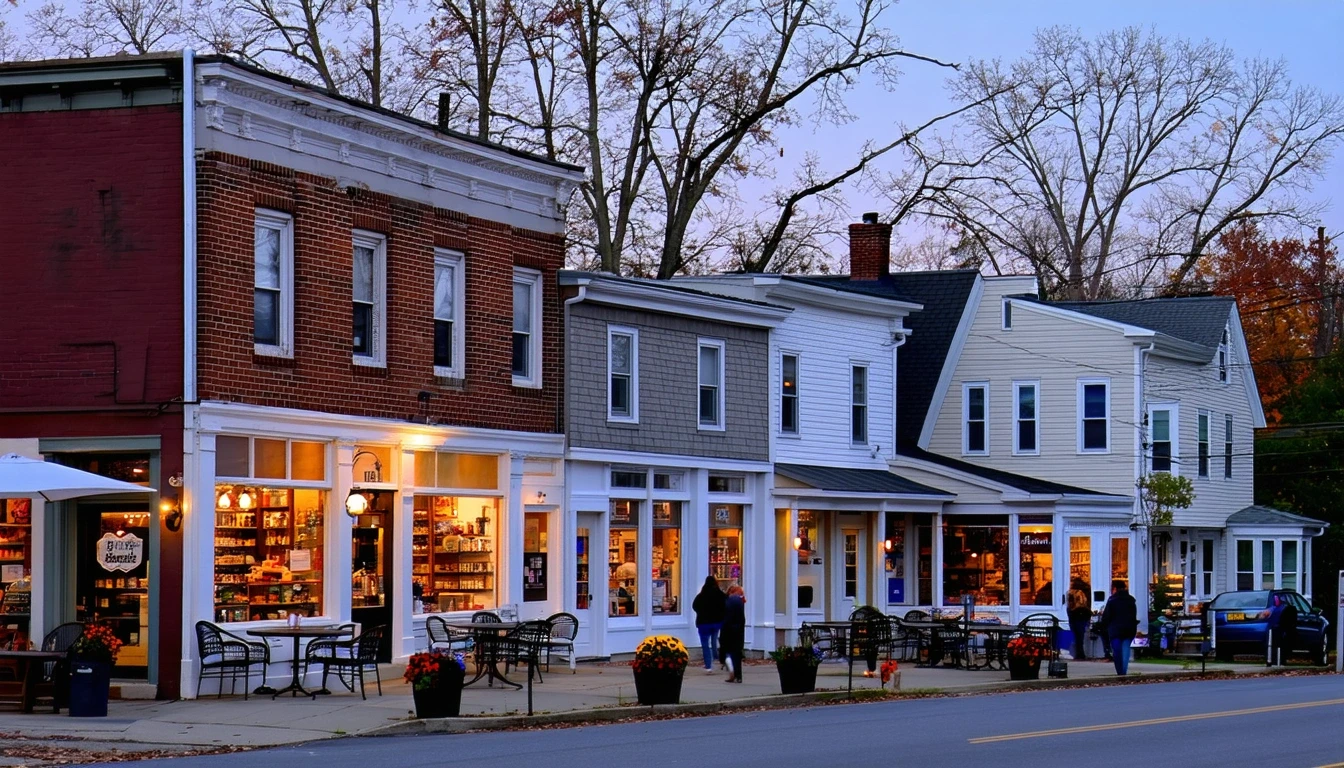
Enfield’s housing market reflects its position as a mature suburb with strong access to two regional employment centers. The town offers a mix of mid-century single-family neighborhoods, townhouse clusters, and apartment complexes built primarily between the 1960s and 1990s. This inventory appeals to households prioritizing space and commute access over walkability or urban amenities, but it also means buyers and renters inherit the maintenance and efficiency profiles of older construction.
What distinguishes Enfield from comparable Connecticut suburbs is the combination of relatively accessible entry points and persistent tax pressure. Property taxes fund local services and schools without the commercial base that larger towns use to offset residential levies. For renters, this translates into landlords passing through tax increases over time. For buyers, it means ownership costs don’t stabilize the way they might in states with tax caps or lower mill rates.
The market also reflects Connecticut’s broader demographic and economic patterns: modest population growth, stable but not booming job markets, and housing turnover driven more by lifecycle changes than speculative investment. Enfield doesn’t see the rapid price swings of metro-adjacent towns closer to Boston or New York, but it also doesn’t offer the cost relief that more rural or economically stagnant areas provide.
Renting in Enfield
Rental housing in Enfield consists largely of garden-style apartment complexes and smaller multi-family buildings scattered through residential zones. Availability tends to be steady rather than tight, with turnover driven by job relocations and household formation rather than scarcity. Renters here are often commuters who value highway access and parking over transit or walkable errands, and the rental stock reflects that priority: most units come with dedicated parking, but few are near commercial corridors or public transportation nodes.
Rent pressure in Enfield doesn’t spike the way it does in supply-constrained urban markets, but it does creep upward in response to property tax increases and utility cost pass-throughs. Landlords operating older buildings face rising heating and maintenance expenses, and those costs eventually reach tenants through renewals. Renters should expect modest but consistent increases over time, particularly in buildings where heating is included or where property tax reassessments occur.
The rental experience here is defined more by predictability than affordability. Lease terms are standard, tenant protections follow Connecticut state law, and most landlords are small-scale operators or regional property management firms rather than institutional investors. For households prioritizing flexibility and lower upfront costs, renting in Enfield works well as a medium-term strategy, especially for those still evaluating whether Connecticut’s tax and climate exposure fits their long-term plans.
Owning a Home in Enfield
Homeownership in Enfield means taking on property tax exposure that doesn’t ease over time. Connecticut’s municipal funding model places significant weight on residential property taxes, and Enfield’s mill rate reflects the cost of maintaining schools, infrastructure, and services without a large commercial tax base to share the load. Buyers often focus on purchase price and mortgage rates, but the ongoing tax obligation—and its potential to increase—shapes the true cost of ownership more than the initial transaction.
Maintenance exposure is another defining feature. Much of Enfield’s housing stock was built during the suburban expansion of the 1960s through 1980s, and systems like roofs, HVAC, and water heaters are often at or past replacement age. Buyers purchasing older homes should budget for deferred maintenance and efficiency upgrades, particularly in heating systems that will run hard through New England winters. Homes with oil heat or older forced-air systems carry higher seasonal costs and more frequent repair needs than newer construction with modern heat pumps or natural gas infrastructure.
Homeowners also face governance and regulatory considerations that renters avoid. Enfield has zoning rules, wetland protections, and historic district overlays in some neighborhoods that affect what owners can modify or expand. Some developments include homeowner associations with monthly fees and architectural review requirements, adding another layer of cost and control. Buyers should verify whether a property falls under HOA jurisdiction and what restrictions or fees apply before closing.
The ownership experience in Enfield rewards households who can absorb tax volatility, plan for capital expenses, and value control over their living environment. It penalizes those expecting costs to stabilize after the mortgage is locked in.
Apartment vs House in Enfield — Cost Behavior Comparison
The table below isolates cost categories where apartments and single-family homes behave differently in Enfield. Rows are included only where local conditions—climate, housing stock, or governance—create meaningful distinctions. Generic categories that don’t vary by housing type in this market are omitted.
| Expense Category | Apartment | House |
|---|---|---|
| Property Tax Exposure | Indirect, absorbed into rent; increases appear at renewal | Direct annual bill; subject to reassessment and mill rate changes |
| Heating Season Intensity | Lower per-unit exposure due to shared walls and smaller volume; often included in rent | Full heating load for detached structure; older systems increase cost and repair frequency |
| Maintenance Control | Landlord responsible; tenant has no capital expense but no control over timing or quality | Owner responsible; full control but must budget for roof, HVAC, and appliance replacement |
| Outdoor Space Cost | Minimal; landscaping and snow removal typically handled by property management | Ongoing lawn care, snow removal, and seasonal maintenance required; costs rise with lot size |
Methodology note: This comparison reflects cost behavior differences driven by Enfield’s property tax structure, New England heating season, and the age profile of local housing stock. Categories like insurance and basic utilities are omitted because they don’t vary meaningfully by housing type in this market. The table is diagnostic, not exhaustive.
Utilities & Upkeep Differences
Utility exposure in Enfield is shaped by New England’s extended heating season and the efficiency profile of older housing stock. Apartments benefit from shared-wall insulation and smaller conditioned volumes, which reduces heating demand even in poorly insulated buildings. Single-family homes, especially those built before modern energy codes, face dominant heating costs from late October through April. Homes relying on oil heat or older furnaces see the highest seasonal bills and the most volatility when fuel prices shift.
Cooling costs are noticeable but secondary. Enfield experiences warm, humid summers that justify air conditioning, but the cooling season is shorter and less intense than heating exposure. Homes with central AC face moderate summer usage; those relying on window units or no cooling avoid that cost but sacrifice comfort during heat waves.
Maintenance differences are structural, not seasonal. Apartment tenants avoid capital expenses but have no control over repair timelines or quality. Homeowners in Enfield’s aging housing stock should expect recurring costs for roof replacement, HVAC servicing, water heater replacement, and exterior painting. Homes with basements face sump pump maintenance and occasional moisture intrusion. Properties with septic systems rather than municipal sewer connections add another layer of periodic expense and regulatory inspection.
Outdoor upkeep is a year-round obligation for homeowners. Lawn care, tree trimming, and snow removal are not optional in Enfield’s climate and zoning context. Neglecting snow removal creates liability and code enforcement risk; deferring tree maintenance increases storm damage exposure. These costs are predictable in direction but vary widely based on lot size, tree cover, and whether owners self-perform or hire contractors.
Rent vs Buy: Long-Term Exposure in Enfield
The structural difference between renting and owning in Enfield is not about monthly payment size—it’s about which costs you control, which ones escalate, and how much volatility you’re willing to absorb. Renters face gradual, predictable increases at lease renewal, driven by property tax pass-throughs and landlord cost recovery. Owners face lumpier, less predictable expenses: tax reassessments, major system failures, and deferred maintenance coming due. Neither path is inherently cheaper over time; they distribute risk and control differently.
Renters in Enfield maintain flexibility and avoid capital risk. They don’t pay for new roofs, furnace replacements, or property tax appeals, and they can leave when a lease ends without transaction costs. But they also can’t lock in housing costs, build equity, or modify their living space. Over a decade, renters will see their monthly obligations rise incrementally, with no mechanism to cap or stabilize that growth. In Connecticut’s tax environment, that upward drift is persistent rather than episodic.
Owners gain control and equity exposure but inherit all operational and financial risk. Property taxes in Enfield don’t decline, and they can increase following town-wide reassessments or budget referendums. Heating systems fail, roofs wear out, and water heaters leak—all on schedules that don’t align with household cash flow. Owners also face transaction friction: selling a home in Enfield requires months of preparation, inspection, and negotiation, and closing costs consume a meaningful share of any equity gain.
The decision between renting and owning in Enfield should be based on time horizon, risk tolerance, and whether you value control over predictability. Households planning to stay less than five years, or those with variable income, often fare better renting. Households with stable employment, cash reserves for maintenance, and a preference for control over their housing environment benefit more from ownership—but only if they can absorb Connecticut’s property tax exposure without financial strain.
FAQs About Housing Costs in Enfield
How do property taxes in Enfield compare to other Connecticut towns?
Enfield’s property taxes reflect Connecticut’s statewide reliance on local property levies to fund municipal services and schools. The town’s mill rate is shaped by its residential tax base and the cost of maintaining infrastructure and education without a large commercial or industrial offset. Enfield typically falls in the middle range among Connecticut suburbs—not as high as some Fairfield County towns, but higher than more rural areas with lower service levels. Buyers should request recent tax bills and verify whether the property has been recently reassessed, as reassessments can shift individual tax obligations even when the mill rate stays flat.
What drives heating costs in Enfield homes?
Heating costs in Enfield are driven by New England’s long, cold winter and the efficiency profile of the home’s heating system. Older homes with oil heat, minimal insulation, and single-pane windows face the highest seasonal exposure. Homes with newer natural gas furnaces or heat pumps, plus updated insulation and windows, see lower and more stable costs. The heating season typically runs from late October through April, with peak usage in January and February. Buyers should ask about heating fuel type, system age, and recent winter utility bills before purchasing.
Are there neighborhoods in Enfield where housing costs behave differently?
Housing cost behavior in Enfield varies more by property type and age than by neighborhood. Older single-family homes near the town center tend to have higher maintenance exposure and less efficient heating systems. Newer developments on the town’s edges may include HOA fees but offer more modern construction and lower utility costs. Apartment complexes near major routes like I-91 or Route 5 provide easier commute access but may have less outdoor space and limited walkability. Buyers and renters should evaluate individual properties based on heating system, tax history, and proximity to their commute route rather than relying on neighborhood reputation alone.
How does renting in Enfield compare to nearby towns?
Renting in Enfield offers a middle ground between higher-cost towns closer to Hartford and more affordable but less accessible rural areas. Enfield’s rental market is shaped by its commuter orientation, with most units prioritizing parking and highway access over walkability or transit. Compared to towns like Windsor or South Windsor, Enfield often has slightly lower rents but similar property tax-driven upward pressure over time. Compared to more rural towns in Tolland County, Enfield offers better access to jobs and services but at a modest cost premium. Renters should weigh commute time, parking availability, and lease renewal trends when comparing options.
What should first-time buyers know about buying a home in Enfield?
First-time buyers in Enfield should focus on property tax exposure and deferred maintenance risk before evaluating purchase price. Many homes in Enfield were built decades ago and may need significant system upgrades—roofs, HVAC, water heaters—within the first few years of ownership. Buyers should budget for these capital expenses separately from the down payment and closing costs. Property taxes will not decrease over time, and reassessments can increase annual obligations even if the mill rate stays flat. Buyers should also verify heating fuel type and request recent utility bills to understand seasonal cost exposure. Enfield rewards buyers who can absorb volatility and plan for long-term ownership, but it penalizes those expecting costs to stabilize after closing.
Making Housing Choices in Enfield
Housing costs in Enfield are shaped by Connecticut’s property tax structure, New England’s heating season, and an aging housing stock that requires ongoing capital investment. The town offers a suburban cost profile with strong commuter access, but it doesn’t provide the cost stability that buyers in low-tax states or renters in supply-constrained urban markets might expect. Understanding where money goes each month—and which costs escalate over time—is essential for making a sustainable housing decision here.
Renters gain flexibility and avoid capital risk but face persistent upward pressure on lease renewals. Owners gain control and equity exposure but inherit property tax volatility, maintenance obligations, and heating season intensity. Neither path is universally better; the right choice depends on time horizon, risk tolerance, and whether you value predictability over control.
Households planning to stay in Enfield long-term, with stable income and cash reserves for maintenance, will find ownership rewarding if they can absorb Connecticut’s tax environment. Those prioritizing flexibility, lower upfront costs, or shorter time horizons will fare better renting and preserving capital for other goals. The key is to evaluate housing costs as a system—taxes, utilities, maintenance, and volatility—rather than focusing on a single monthly payment. Enfield’s housing market rewards careful planning and punishes assumptions that costs will stabilize on their own.