
“We thought we were ready for homeownership in Elgin,” says a recent mover from a two-bedroom apartment, “but our first winter gas bill was triple what we’d budgeted. Nobody tells you how much heating a full house actually costs out here.”
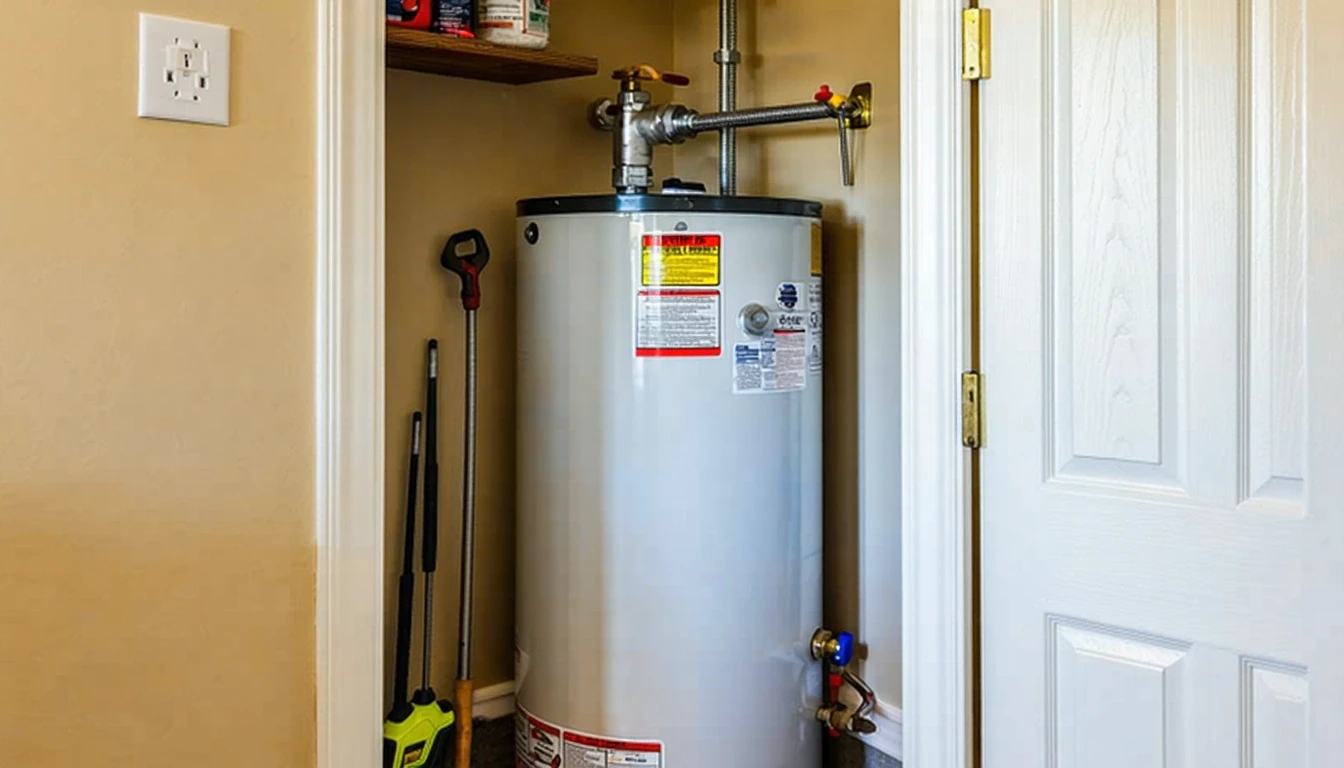
Understanding Utilities in Elgin
Utility expenses in Elgin represent one of the most variable—and often underestimated—components of household budgets. For renters and new homeowners alike, understanding how utilities cost in Elgin is shaped by seasonal extremes, home size, and billing structure is essential to avoiding budget surprises. Unlike fixed expenses such as rent or a mortgage payment, utilities fluctuate month to month based on weather, usage habits, and the efficiency of your home’s heating and cooling systems.
In Elgin, as in most mid-size Midwest cities, utility bills typically include electricity, natural gas, water, trash collection, and recycling. For apartment renters, some of these costs may be bundled into monthly rent or covered by the landlord, reducing direct exposure. Single-family homeowners, however, are responsible for all utilities separately, and the difference in total monthly outlay can be significant—especially during the coldest and hottest months of the year.
What makes Elgin distinct is its climate exposure. The region experiences long heating seasons with cold, snowy winters and extended cooling seasons marked by hot, humid summers. This dual pressure means households face elevated electricity costs in summer and steep natural gas bills in winter. For movers coming from milder climates or smaller living spaces, the seasonal swings can feel abrupt. Planning for this variability—and understanding what drives it—is the difference between managing costs confidently and scrambling to cover unexpected bills.
Utilities at a Glance in Elgin
The table below shows how core utility costs typically behave for a mid-size household in a single-family home in Elgin. Where city-level prices are available in the data feed, they are shown directly. When exact figures are not provided, categories are described qualitatively to reflect how costs are structured and what drives variability.
| Utility | Cost Structure |
|---|---|
| Electricity | 16.36¢/kWh; usage-sensitive and seasonal |
| Water | Tiered pricing; usage-dependent |
| Natural Gas | $9.48/MCF; winter-driven, heating-dependent |
| Trash & Recycling | Often bundled with water or HOA fees |
| Total | Seasonal variability driven by electricity and heating |
This table reflects utility cost structure for a mid-size household in a single-family home in Elgin during 2026. Where exact figures are not provided in the IndexYard data feed, categories are described directionally to reflect how costs behave rather than a receipt-accurate total.
Electricity is billed per kilowatt-hour at 16.36¢/kWh in Elgin, making it the most exposure-sensitive utility. Costs rise sharply in summer when air conditioning runs continuously to manage heat and humidity, and again in winter if the home uses electric heating or supplemental baseboards. Homes with older HVAC systems or poor insulation see the steepest swings.
Water in Elgin typically follows tiered pricing, meaning the more you use, the higher the per-unit cost becomes. Families with irrigation systems, pools, or multiple bathrooms face higher bills during warmer months. Many providers bundle water with trash and recycling fees, so the line item on your bill may reflect more than just water consumption.
Natural gas is priced at $9.48 per thousand cubic feet (MCF) and is the dominant cost driver during Elgin’s heating season. Homes relying on gas furnaces see bills climb from late fall through early spring. Older furnaces, drafty windows, and lack of attic insulation amplify usage. Natural gas costs are less volatile in summer, when usage drops to water heating and cooking.
Trash and recycling services in Elgin are often bundled with water bills or covered by homeowners association (HOA) fees, particularly in newer subdivisions. Standalone service fees vary by provider and pickup frequency. Renters in multi-unit buildings rarely pay separately for trash collection, as it’s typically included in rent or managed by the property owner.
Electricity is typically the most exposure-sensitive utility in Elgin, driven more by climate and home efficiency than by base rates.
How Weather Impacts Utilities in Elgin
Elgin’s Midwest location subjects households to pronounced seasonal extremes that directly shape monthly expenses. Summers bring extended heat and humidity, forcing air conditioning systems to run for weeks on end. Unlike dry climates where evening temperatures drop and provide relief, Elgin’s humid nights keep indoor temperatures elevated, meaning cooling systems cycle more frequently. Many households report that July and August electric bills are noticeably higher than those in May or September, even with identical rate structures.
Winter heating costs present the opposite challenge. Cold, snowy winters mean furnaces run almost continuously from December through February. Homes heated primarily by natural gas see sharp increases in usage during these months, and the bills reflect it. Electric heating, whether through baseboards or heat pumps, can drive electricity costs even higher. The combination of below-freezing temperatures and wind exposure makes insulation quality and window efficiency critical factors in controlling heating expenses.
Spring and fall offer brief windows of moderate weather, during which utility costs drop considerably. These shoulder seasons are when households can assess baseline usage—the electricity and gas consumed for water heating, appliances, and lighting—without the added burden of climate control. Understanding this baseline helps residents distinguish between unavoidable seasonal costs and inefficiencies they can address through upgrades or behavior changes.
How to Save on Utilities in Elgin
Reducing utility costs in Elgin requires a combination of structural upgrades, behavioral adjustments, and awareness of available programs. The most impactful changes address the two dominant cost drivers: electricity for cooling and natural gas for heating. Homes with poor insulation, outdated HVAC systems, or single-pane windows face the steepest bills, and even modest improvements can reduce exposure significantly.
Many utility providers in the region offer budget billing or equalized payment plans, which spread costs evenly across the year rather than spiking in summer and winter. While this doesn’t reduce total usage, it makes monthly planning more predictable. Some providers also offer rebates for energy-efficient appliances, programmable thermostats, or HVAC tune-ups. Checking eligibility for these programs early in the year—before peak seasons hit—can lower both usage and costs.
Behavioral strategies also matter. Running dishwashers and laundry during off-peak hours, setting thermostats a few degrees higher in summer and lower in winter, and using ceiling fans to circulate air all reduce demand without sacrificing comfort. In Elgin’s climate, even small adjustments compound over the course of a long heating or cooling season.
- Enroll in off-peak billing programs to shift usage and lower rates during high-demand periods
- Upgrade to a programmable or smart thermostat to automate temperature adjustments when you’re away
- Seal gaps around windows and doors to prevent drafts and reduce heating and cooling loss
- Plant shade trees on the south and west sides of your home to reduce summer cooling load
- Request an energy audit from your provider to identify inefficiencies and qualify for rebates
- Replace older furnaces or AC units with high-efficiency models that meet current energy standards
- Insulate attics and crawl spaces to reduce heat loss in winter and heat gain in summer
🏆 Tip: Check if your provider in Elgin offers rebates for energy-efficient AC units or heating systems. Many programs cover a portion of installation costs and can be combined with federal tax credits for additional savings.
How Elgin’s Structure Shapes Everyday Costs
Elgin’s layout and infrastructure influence how residents manage not just utilities, but the broader rhythm of household expenses. The city features walkable pockets with substantial pedestrian infrastructure, meaning some errands—grabbing groceries, picking up prescriptions, or reaching a park—can be completed on foot or by bike rather than by car. This reduces transportation fuel costs for households in those areas and shifts budget emphasis toward utilities and housing, rather than gas and vehicle maintenance.
Integrated green space and strong family infrastructure—schools and playgrounds are widely distributed—mean families can access daily needs without long drives, further reducing reliance on personal vehicles. For households in single-family homes, however, this convenience is offset by full exposure to seasonal utility swings. Unlike apartment renters, who often benefit from smaller square footage and shared walls that moderate heating and cooling costs, homeowners bear the full weight of climate control in standalone structures.
The presence of mixed residential and commercial land use also means that many Elgin residents live near both housing and services, reducing the need for separate trips and allowing more predictable weekly routines. This doesn’t eliminate utility costs, but it does create a cost structure where energy expenses at home become the primary variable, rather than transportation or convenience-driven spending. Understanding this tradeoff helps households allocate budgets more effectively and anticipate where seasonal pressure will hit hardest.
FAQs About Utility Costs in Elgin
Why are utility bills so high in Elgin during winter and summer? Elgin’s Midwest climate creates dual seasonal pressure: extended cooling seasons with high humidity in summer and long heating seasons with below-freezing temperatures in winter. Both drive elevated electricity and natural gas usage, and homes with older HVAC systems or poor insulation see the steepest bills.
What is the average monthly electric bill for an apartment in Elgin compared to a single-family home? Apartments typically have lower electricity costs due to smaller square footage, shared walls that moderate temperature, and landlords sometimes covering certain utilities. Single-family homeowners face full exposure to heating and cooling costs, and bills can be two to three times higher during peak months, depending on home size and efficiency.
Do HOAs in Elgin usually include trash or water in their fees? Many newer subdivisions and townhome communities in Elgin bundle trash, recycling, and sometimes water into HOA fees. Older single-family neighborhoods typically require homeowners to contract directly with providers. Renters in multi-unit buildings rarely pay separately for trash collection, as it’s managed by the property owner.
How does seasonal weather affect monthly utility bills in Elgin? Summer heat and humidity drive air conditioning usage, spiking electricity costs. Winter cold increases natural gas consumption for heating. Spring and fall offer moderate weather and lower bills, revealing baseline usage for water heating, appliances, and lighting without climate control demands.
Does Elgin offer incentives for solar panels or energy-efficient appliances? Many utility providers in the region offer rebates for high-efficiency HVAC systems, programmable thermostats, and appliance upgrades. Solar incentives exist at the state and federal level, though availability and savings depend on roof orientation, shading, and local permitting. Checking with your provider early in the year maximizes eligibility.
How Utilities Fit Into the Cost Structure in Elgin
Utilities in Elgin are not the largest household expense—that distinction belongs to housing—but they are among the most volatile. Unlike rent or mortgage payments, which remain fixed month to month, utility bills fluctuate based on weather, usage, and home efficiency. This variability makes them a key planning factor for anyone budgeting in Elgin, particularly during the transition from renting to homeownership or moving from a milder climate.
The dominant cost drivers are clear: electricity for cooling and natural gas for heating. Water, trash, and recycling add secondary pressure but remain relatively stable unless usage spikes due to irrigation, pools, or large households. For families in single-family homes, the combination of seasonal extremes and full utility responsibility means that summer and winter months require careful cash flow management. Renters in apartments or smaller units face lower exposure, but they sacrifice control over efficiency upgrades and provider choice.
Understanding how utilities behave in Elgin—and where your household sits on the exposure spectrum—helps you anticipate costs, identify savings opportunities, and avoid the budget surprises that catch many new movers off guard. For a fuller picture of how utilities interact with housing, transportation, and other expenses, explore IndexYard’s related resources on monthly budgets and overall cost structure in Elgin.
How this article was built: In addition to public economic data, this article incorporates location-based experiential signals derived from anonymized geographic patterns—such as access density, walkability, and land-use mix—to reflect how day-to-day living actually feels in Elgin, IL.
—