
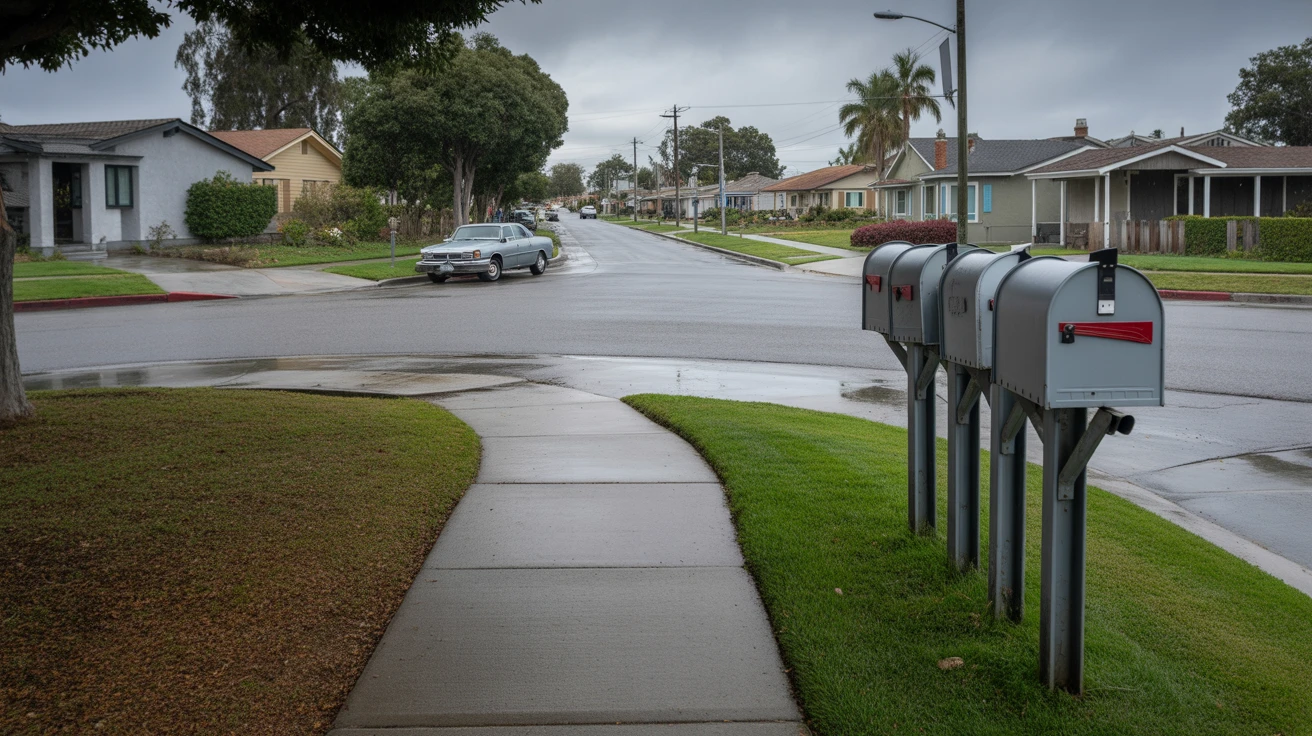
El Cajon and San Diego sit just 15 miles apart in San Diego County, sharing the same regional economy, climate, and infrastructure—but the way cost pressure shows up in daily life differs significantly between them. San Diego offers urban density, walkable neighborhoods, and proximity to the coast, while El Cajon provides more space, lower housing entry barriers, and a quieter suburban rhythm. For households deciding between the two in 2026, the choice isn’t about which city is universally cheaper; it’s about which cost structure aligns with your household’s income, priorities, and tolerance for tradeoffs between housing affordability, commute friction, and lifestyle access.
Both cities share the same regional price environment—identical natural gas rates, similar electricity costs, and comparable grocery baselines—but housing costs, transportation patterns, and daily logistics create distinct financial experiences. A family prioritizing space and lower monthly obligations may find El Cajon’s housing market more accessible, while a dual-income couple valuing shorter commutes and walkable amenities may accept San Diego’s higher rent to reduce car dependence and time costs. Understanding where cost pressure concentrates in each city helps clarify which tradeoffs matter most for your household.
This comparison explains how housing, utilities, transportation, groceries, and daily expenses behave differently in El Cajon and San Diego, and which households feel those differences most acutely. The goal is not to declare a winner, but to show where costs land—and why the same income can feel stable in one city and stretched in the other.
Housing Costs: Entry Barriers and Ongoing Obligations
Housing represents the largest single cost difference between El Cajon and San Diego, and it shows up in two distinct ways: the upfront barrier to entry and the ongoing monthly obligation. San Diego’s median home value sits at $783,300, while El Cajon’s median is $593,500—a substantial gap that affects down payment requirements, mortgage approval thresholds, and the financial cushion needed to compete in the market. For renters, the difference is equally meaningful: San Diego’s median gross rent is $2,080 per month compared to El Cajon’s $1,686 per month. These aren’t small variations—they represent fundamentally different levels of housing cost exposure that shape household budgets, savings timelines, and long-term financial flexibility.
The structural difference extends beyond price. San Diego’s housing market reflects its urban density, proximity to employment centers, and coastal access, which drive competition for limited inventory. El Cajon’s market offers more single-family homes, larger lots, and lower per-square-foot costs, making it more accessible for families prioritizing space over location. Renters in San Diego often face tighter availability in walkable neighborhoods, while El Cajon’s rental stock includes more standalone homes and townhomes with yards. For first-time buyers, El Cajon’s lower entry point can mean the difference between qualifying for a mortgage or remaining priced out entirely, while San Diego’s higher values require larger down payments and stronger income documentation.
Ongoing housing obligations also differ in predictability and flexibility. Homeowners in both cities face property taxes, insurance, and maintenance, but San Diego’s higher home values amplify these costs proportionally. Renters in San Diego experience less flexibility in negotiating lease terms due to higher demand, while El Cajon’s rental market may offer slightly more room for negotiation or longer lease stability. Households planning to stay several years must also consider how housing appreciation, tax reassessment, and insurance rate changes will affect long-term costs—factors that hit harder in higher-value markets.
| Housing Type | El Cajon | San Diego |
|---|---|---|
| Median Home Value | $593,500 | $783,300 |
| Median Gross Rent | $1,686/month | $2,080/month |
| Typical Housing Form | Single-family homes, townhomes, lower-density | Urban apartments, condos, denser neighborhoods |
For renters, the $394 monthly difference between El Cajon and San Diego represents ongoing budget pressure that compounds over time. Families with children may prioritize El Cajon’s lower rent to preserve flexibility for childcare, transportation, or savings, while young professionals or dual-income couples may accept San Diego’s higher rent in exchange for proximity to work, entertainment, and transit options. First-time buyers face a similar tradeoff: El Cajon’s lower entry barrier makes homeownership more accessible, but San Diego’s urban amenities and job market density may justify the higher cost for households with stable, higher incomes.
Housing takeaway: El Cajon offers lower entry barriers and reduced ongoing housing obligations, making it more accessible for families, first-time buyers, and households prioritizing space and predictability. San Diego’s higher housing costs reflect urban density, walkability, and proximity to employment centers, fitting households willing to trade housing affordability for location convenience and reduced transportation dependence. The decision hinges on whether your household prioritizes lower monthly obligations or proximity to urban infrastructure.
Utilities and Energy Costs: Predictability vs. Seasonal Exposure
Utility costs in El Cajon and San Diego follow similar patterns due to shared regional infrastructure and climate, but small differences in electricity rates and housing stock create distinct exposure profiles. San Diego’s electricity rate is 33.60¢/kWh compared to El Cajon’s 31.91¢/kWh—a modest difference that becomes more noticeable for households with larger homes, older construction, or higher cooling demands during extended summer heat. Both cities share the same natural gas price of $21.94/MCF, meaning heating costs remain comparable, though natural gas usage is minimal in this mild coastal climate where cooling dominates seasonal energy expenses.
The inland location of El Cajon means slightly warmer summer temperatures compared to San Diego’s coastal neighborhoods, which translates to longer air conditioning usage and higher seasonal electricity consumption. Households in El Cajon living in older single-family homes with less efficient insulation may experience more pronounced summer utility spikes, while San Diego residents in newer apartments or coastal areas benefit from ocean breezes that reduce cooling needs. However, San Diego’s higher electricity rate means that even moderate usage can result in comparable or higher bills, particularly for households in larger units or those working from home with consistent daytime energy demands.
Housing type plays a significant role in utility exposure. Apartment dwellers in both cities generally experience lower utility costs due to shared walls, smaller square footage, and newer construction standards, while single-family homeowners face higher baseline usage and more variable seasonal costs. Families in El Cajon with larger homes and multiple occupants may see utility bills rise during peak summer months, while San Diego households in dense urban areas may benefit from more predictable year-round usage. Water and trash services are typically billed separately in both cities, though specific fee structures vary by neighborhood and provider.
Households can manage utility exposure through behavioral adjustments—setting thermostats higher during peak hours, using ceiling fans, and shifting high-energy tasks to off-peak times—but the underlying cost structure remains tied to housing form and location. Older homes in both cities tend to have less efficient HVAC systems, single-pane windows, and poorer insulation, all of which amplify seasonal volatility. Newer construction in San Diego’s urban core often includes energy-efficient appliances and better thermal performance, reducing baseline usage even when electricity rates are slightly higher.
Utility takeaway: El Cajon’s slightly lower electricity rate is offset by warmer inland temperatures and higher cooling demands, particularly for households in older single-family homes. San Diego’s higher electricity rate is moderated by coastal cooling and newer, denser housing stock that reduces per-unit consumption. Households sensitive to seasonal volatility may find San Diego’s urban apartments more predictable, while families in El Cajon’s larger homes should plan for higher summer exposure and consider efficiency upgrades to manage long-term costs.
Groceries and Daily Expenses: Price Sensitivity and Access Patterns
Grocery and daily expense pressure in El Cajon and San Diego reflects similar regional pricing but differs in access patterns, shopping infrastructure, and household spending habits. Both cities share the same regional price parity index, meaning baseline grocery costs for staples like bread, milk, eggs, and produce remain comparable across the metro area. However, the way households shop—and the friction involved in accessing affordable options—varies significantly between the two cities, shaping how much flexibility households have to manage food budgets through strategic shopping.
El Cajon’s car-oriented layout and suburban density mean most grocery shopping requires driving, but the city offers strong access to both big-box retailers and neighborhood grocery stores. Households willing to plan trips and buy in bulk can take advantage of warehouse clubs and discount chains, reducing per-unit costs for families managing larger volumes. San Diego’s denser urban neighborhoods provide more walkable access to smaller grocery stores, specialty markets, and convenience options, but this proximity often comes with higher per-item pricing and less inventory depth for bulk purchases. Single adults and couples in San Diego may benefit from the ability to walk to a corner market for daily needs, while families in El Cajon gain more flexibility by consolidating weekly trips to lower-cost retailers.
Dining out and convenience spending introduce additional cost pressure that varies by lifestyle and location. San Diego’s urban density supports a higher concentration of restaurants, cafes, and takeout options, making it easier—and more tempting—for households to spend on prepared food rather than cooking at home. El Cajon’s suburban layout reduces spontaneous dining opportunities, which can help households avoid convenience spending creep but also limits access to quick meal solutions when time is tight. Families with children in both cities face similar grocery volumes, but those in El Cajon may find it easier to control costs by planning larger shopping trips, while San Diego households may experience more frequent small purchases that add up over time.
Household goods, personal care items, and everyday essentials follow similar pricing patterns, but access to discount retailers, dollar stores, and warehouse clubs varies by neighborhood. El Cajon’s suburban infrastructure supports larger-format stores with ample parking, making it easier to stock up on non-perishables and reduce per-trip costs. San Diego’s urban core offers more immediate access to pharmacies and convenience stores, but households may pay a premium for smaller package sizes and limited selection. The tradeoff is between time efficiency and price optimization: San Diego residents save time by walking to nearby stores, while El Cajon households save money by driving to lower-cost options.
Grocery takeaway: El Cajon’s car-oriented layout and access to big-box retailers favor households that plan ahead and buy in bulk, reducing per-unit costs for families managing larger volumes. San Diego’s walkable density offers convenience and immediate access but often at higher per-item prices and with more temptation for dining out and convenience spending. Households sensitive to grocery costs may prefer El Cajon’s flexibility, while those prioritizing time savings and walkable access may accept San Diego’s higher day-to-day expenses.
Taxes and Fees: Structural Differences and Long-Term Exposure
Taxes and local fees in El Cajon and San Diego follow the same state and county frameworks, but differences in housing values, service structures, and neighborhood-level assessments create distinct cost experiences for homeowners and renters. Property taxes in California are governed by Proposition 13, which caps annual increases at 2% for existing owners, but the initial assessed value at purchase determines the baseline tax obligation. San Diego’s higher median home value of $783,300 means new homeowners face significantly higher annual property tax bills compared to El Cajon’s $593,500 median, even though the tax rate structure is identical. This difference compounds over time, particularly for households planning to stay long-term, as property taxes remain tied to the purchase price rather than fluctuating with market conditions.
Renters in both cities don’t pay property taxes directly, but landlords typically pass through a portion of those costs in the form of higher rent, particularly in San Diego’s competitive rental market. Sales taxes apply uniformly across the region, meaning everyday purchases—groceries, gas, household goods—carry the same tax burden regardless of location. However, local fees for services like trash collection, water, sewer, and stormwater management vary by municipality and neighborhood, with some areas bundling costs into utility bills and others charging separately. Homeowners in both cities should verify whether their property is subject to Mello-Roos taxes or special assessments, which can add hundreds of dollars annually to the cost of living in newer developments.
HOA fees represent another layer of cost that varies widely by housing type and neighborhood. Condos and townhomes in San Diego’s urban core often carry higher HOA fees due to shared amenities, building maintenance, and insurance, while single-family homes in El Cajon may have lower or no HOA obligations. Households considering homeownership should account for these recurring fees when evaluating affordability, as they represent non-negotiable monthly costs that don’t build equity. Renters are generally insulated from HOA fees, but those costs are often reflected in higher rent for managed properties.
Tax and fee takeaway: San Diego’s higher home values result in higher baseline property tax obligations for new buyers, while El Cajon’s lower entry point reduces long-term tax exposure. Both cities share the same sales tax structure, but local service fees and HOA costs vary by neighborhood and housing type. Homeowners planning to stay several years should factor in property taxes, special assessments, and HOA fees when comparing total cost of ownership, while renters should recognize that these costs are often embedded in rent rather than eliminated.
Transportation & Commute Reality
Transportation costs in El Cajon and San Diego differ not in fuel prices—which are nearly identical—but in how households move through daily life and the time-versus-money tradeoffs embedded in each city’s infrastructure. San Diego’s average commute time is 24 minutes, with 31.1% of workers facing long commutes and just 5.0% working from home, reflecting a job market concentrated in urban centers that pull workers from across the region. El Cajon lacks comparable commute data in the feed, but its car-oriented layout and suburban location suggest that most residents drive for work, errands, and daily logistics, with limited flexibility to reduce car dependence even when gas prices rise.
Gas prices show a small reversal: El Cajon’s rate is $4.38/gallon compared to San Diego’s $4.22/gallon—a modest difference that matters more for households driving long distances daily. However, the bigger cost driver isn’t the per-gallon price but the total miles driven and the friction involved in getting around. El Cajon’s experiential signals reveal a car-oriented mobility texture with low pedestrian infrastructure density, meaning nearly every trip—work, groceries, school drop-offs, errands—requires a car. At the same time, the city shows rail transit presence and broadly accessible daily errands, suggesting that while the overall layout favors driving, certain corridors offer transit options and clustered destinations that reduce trip frequency for households living near those nodes.
San Diego’s denser urban form and more developed transit network provide more opportunities to reduce car dependence, particularly for households living near trolley lines, bus corridors, or walkable neighborhoods. However, the city’s 31.1% long-commute rate indicates that many workers still face significant time costs even when living closer to employment centers, often due to traffic congestion, limited parking, or circuitous transit routes. Households in San Diego may drive less frequently but still spend considerable time commuting, while those in El Cajon may drive more often but face less congestion on suburban roads.
The tradeoff is between daily car dependence and commute time exposure. El Cajon households should plan for consistent vehicle expenses—gas, insurance, maintenance—and accept that most daily activities require driving. San Diego households may reduce per-mile costs by using transit or walking for some trips, but those living far from job centers or relying on cars for work still face high transportation exposure. Families with multiple drivers in El Cajon may find suburban roads less stressful than San Diego’s urban traffic, while single adults in San Diego may benefit from the ability to walk or bike for errands, reducing the need for a second vehicle.
Cost Structure Comparison
Housing dominates the cost experience in both El Cajon and San Diego, but the nature of that pressure differs significantly. San Diego’s higher home values and rents create a front-loaded financial barrier that affects entry, qualification, and monthly cash flow, while El Cajon’s lower housing costs reduce ongoing obligations and make homeownership more accessible for families and first-time buyers. Households sensitive to housing entry barriers or monthly rent obligations will feel San Diego’s cost structure more acutely, while those prioritizing space, predictability, and lower baseline housing costs may find El Cajon’s market more manageable.
Utilities introduce modest differences in volatility and predictability. El Cajon’s inland heat and slightly lower electricity rate create higher seasonal cooling exposure for households in older single-family homes, while San Diego’s coastal moderation and denser housing stock reduce per-unit energy consumption despite a marginally higher rate. Families in larger homes should expect more pronounced summer utility spikes in El Cajon, while San Diego households in urban apartments may experience more stable year-round costs. The difference is less about total utility spending and more about whether your housing form amplifies or moderates seasonal exposure.
Transportation patterns matter more in El Cajon, where car dependence is nearly universal and daily logistics require consistent vehicle use. San Diego’s denser urban core and transit options provide more flexibility to reduce driving frequency, but long commute times and traffic congestion mean that many households still face high transportation exposure even when living closer to work. The tradeoff is between time costs and cash costs: El Cajon households drive more miles but may spend less time in traffic, while San Diego households may drive less often but face longer, more congested commutes.
Daily living costs—groceries, dining, convenience spending—follow similar regional pricing, but access patterns and spending temptations differ. El Cajon’s suburban layout and big-box retail access favor households that plan ahead and buy in bulk, reducing per-unit costs for families managing larger volumes. San Diego’s walkable density offers convenience and immediate access but increases the likelihood of frequent small purchases and dining out, which can erode budget discipline over time. Households sensitive to grocery costs and convenience spending creep may find El Cajon’s structure easier to manage, while those prioritizing time savings and walkable access may accept San Diego’s higher day-to-day expenses.
The better choice depends on which costs dominate your household’s financial experience. For households where housing affordability, space, and predictability matter most, El Cajon’s lower entry barriers and reduced monthly obligations provide meaningful relief. For households where proximity to work, walkable amenities, and reduced car dependence justify higher housing costs, San Diego’s urban infrastructure and transit options offer long-term value despite the higher price. The decision is less about which city is cheaper overall and more about which cost structure aligns with your household’s income, priorities, and tolerance for tradeoffs between housing, transportation, and daily logistics.
How the Same Income Feels in El Cajon vs San Diego
Single Adult
For a single adult, housing becomes the first non-negotiable cost, and the difference between El Cajon’s $1,686 median rent and San Diego’s $2,080 median rent shapes how much flexibility remains for everything else. In El Cajon, lower rent leaves more room for savings, debt repayment, or discretionary spending, but car dependence means consistent vehicle expenses with little opportunity to reduce transportation costs. In San Diego, higher rent consumes more of the monthly budget upfront, but walkable neighborhoods and transit options may reduce the need for a car or allow for less frequent driving, shifting cost pressure from transportation to housing. The tradeoff is between front-loaded housing obligations and ongoing car dependence.
Dual-Income Couple
For a dual-income couple, the decision hinges on commute friction and housing priorities. In San Diego, higher rent or mortgage costs are offset by proximity to employment centers, shorter average commutes, and the ability to share one vehicle or rely on transit for some trips. In El Cajon, lower housing costs free up cash flow, but both partners likely need cars to manage separate work schedules and errands, increasing transportation exposure. Couples prioritizing time together and reduced commute stress may accept San Diego’s higher housing costs, while those focused on building savings or reducing monthly obligations may prefer El Cajon’s lower baseline expenses despite the need for two vehicles.
Family with Kids
For families, housing space and predictability become critical, and El Cajon’s lower entry barrier and access to single-family homes with yards provide more room for children without stretching the budget. Car dependence is unavoidable for school drop-offs, activities, and errands, but suburban roads and parking availability reduce daily logistics friction. In San Diego, higher housing costs limit space options, and families often face tradeoffs between neighborhood quality, school access, and affordability. Urban density may offer walkable parks and services, but managing multiple children in a smaller home or condo adds logistical complexity. Families prioritizing space and lower monthly obligations will find El Cajon more manageable, while those valuing urban amenities and shorter commutes may accept San Diego’s higher costs and tighter living quarters.
Decision Matrix: Which City Fits Which Household?
| Decision Factor | If You’re Sensitive to This… | El Cajon Tends to Fit When… | San Diego Tends to Fit When… |
|---|---|---|---|
| Housing entry + space needs | Down payment size, monthly rent, square footage per dollar | You prioritize lower entry barriers, more space, and reduced ongoing housing obligations | You value proximity to urban amenities and accept higher costs for location convenience |
| Transportation dependence + commute friction | Daily car use, commute time, traffic exposure, parking availability | You accept car dependence in exchange for suburban roads and lower congestion | You prioritize shorter commutes, transit options, and walkable neighborhoods despite traffic |
| Utility variability + home size exposure | Seasonal bill spikes, cooling costs, older vs newer construction | You can manage seasonal volatility and prefer lower baseline electricity rates | You live in denser, newer housing that moderates per-unit energy consumption |
| Grocery strategy + convenience spending creep | Bulk shopping access, dining out temptation, walkable errands | You plan ahead, buy in bulk, and control convenience spending through suburban logistics | You value walkable access to groceries and dining despite higher per-item costs |
| Fees + friction costs (HOA, services, upkeep) | Property taxes, HOA fees, special assessments, service bundling | You prefer lower baseline property taxes and fewer mandatory fees tied to housing | You accept higher property taxes and HOA fees in exchange for managed amenities |
| Time budget (schedule flexibility, errands, logistics) | Commute duration, errand consolidation, daily trip frequency | You prioritize lower monthly costs and accept more driving for daily logistics | You prioritize time savings and reduced driving frequency despite higher housing costs |
Lifestyle Fit: Daily Rhythms and Long-Term Comfort
El Cajon and San Diego offer distinct lifestyle experiences shaped by urban form, daily logistics, and access to recreation and culture. El Cajon’s low-rise, car-oriented layout creates a quieter suburban rhythm where most activities—work, errands, dining—require driving, but neighborhoods feel more spacious and parking is rarely a concern. The city’s experiential signals reveal broadly accessible daily errands and mixed land use, meaning grocery stores, restaurants, and services are available throughout the city, even if reaching them requires a car. Rail transit presence adds a layer of regional connectivity for households willing to drive to a station, but day-to-day life remains car-dependent. Families with children may appreciate the slower pace, larger yards, and easier logistics for school drop-offs and activities, while single adults or couples may find the lack of walkable nightlife or spontaneous entertainment options limiting.
San Diego’s denser urban core and coastal proximity create a more dynamic, walkable lifestyle for households living near transit corridors, beach neighborhoods, or downtown districts. The city’s 24-minute average commute reflects concentrated employment centers, but traffic congestion and limited parking in popular areas add friction to daily movement. Households in San Diego benefit from more immediate access to restaurants, cafes, parks, and cultural venues, but those living farther from the urban core may experience suburban conditions similar to El Cajon without the cost savings. The tradeoff is between convenience and cost: San Diego’s urban infrastructure supports a more spontaneous, less car-dependent lifestyle, but only for households willing to pay higher rent or home prices to live in walkable neighborhoods.
Outdoor recreation and climate are nearly identical between the two cities, with mild year-round temperatures, low humidity, and ample sunshine. San Diego’s coastal access provides beaches, boardwalks, and ocean views, while El Cajon’s inland location offers proximity to hiking trails, regional parks, and open space. Both cities benefit from Southern California’s outdoor culture, but San Diego’s urban parks and waterfront areas see heavier use and more crowding, while El Cajon’s parks and trails offer more space and quieter conditions. Families prioritizing outdoor activities may find El Cajon’s suburban parks and open space more accommodating for children, while young professionals or retirees may prefer San Diego’s beach access and urban green spaces.
El Cajon offers rail transit connectivity despite its car-oriented layout, providing regional access for commuters willing to drive to a station. San Diego’s walkable neighborhoods and transit corridors reduce car dependence for households living near urban centers, but traffic congestion and parking scarcity add friction for those driving into the city.
Frequently Asked Questions
Is it cheaper to live in El Cajon or San Diego in 2026?
El Cajon offers lower housing entry barriers and reduced monthly rent obligations, making it more accessible for families and first-time buyers prioritizing space and predictability. San Diego’s higher housing costs reflect urban density, walkable amenities, and proximity to employment centers, fitting households willing to trade housing affordability for location convenience and reduced car dependence. The decision depends on which cost structure aligns with your household’s priorities rather than which city is universally cheaper.
How much more does housing cost in San Diego compared to El Cajon in 2026?
San Diego’s median home value is $783,300 compared to El Cajon’s $593,500, creating a significant difference in down payment requirements and mortgage qualification thresholds. For renters, San Diego’s median gross rent is $2,080 per month versus El Cajon’s $1,686 per month, representing a $394 monthly difference that compounds over time. These gaps reflect structural differences in housing form, density, and market demand rather than temporary fluctuations.
Which city is better for families: El Cajon or San Diego?
El Cajon’s lower housing costs, access to single-family homes with yards, and suburban layout make it more manageable for families prioritizing space, lower monthly obligations, and predictable logistics. San Diego’s urban density, walkable neighborhoods, and proximity to cultural amenities appeal to families valuing shorter commutes and immediate access to parks and services, but higher housing costs and tighter living quarters add financial and logistical pressure. The better fit depends on whether your family prioritizes space and affordability or urban access and convenience.
Do you need a car to live in El Cajon or San Diego in 2