
Edwardsville, IL vs. Ofallon, IL: Cost of Living Comparison (2025)
There’s a persistent myth across the Metro East that Ofallon is always the more affordable choice for families looking to settle near St. Louis. After all, it’s newer, it grew quickly, and it feels like a value play. But the reality in 2025 is far more nuanced. Both Edwardsville and Ofallon sit within Madison and St. Clair counties respectively, share access to Scott Air Force Base employment, and offer solid schools and suburban amenities. Yet their cost of living profiles diverge in surprising ways—particularly when you account for housing stock age, tax structures, and the hidden expenses that come with rapid suburban growth versus established college-town stability.
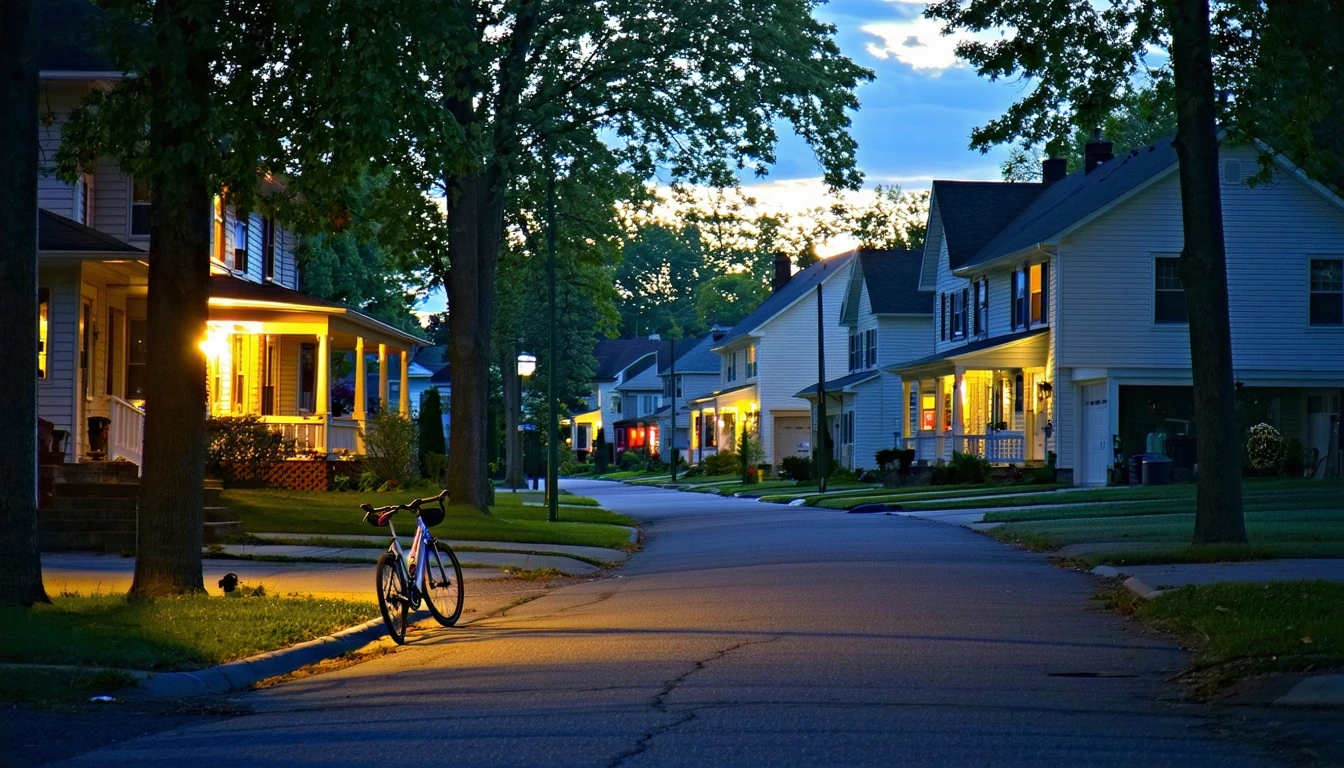
Edwardsville, home to Southern Illinois University Edwardsville (SIUE), brings a walkable historic downtown, older tree-lined neighborhoods, and a more diverse rental market shaped by student and faculty demand. Ofallon, by contrast, expanded dramatically in the 1990s and 2000s with newer subdivisions, larger lot sizes, and a car-dependent layout that appeals to military families and commuters. These differences don’t just shape lifestyle—they directly impact what you’ll spend each month on housing, utilities, groceries, and transportation. For relocating families, young professionals, and retirees weighing their options in 2025, understanding these cost trade-offs is essential to making a decision that fits both budget and daily life.
This comparison breaks down the real numbers behind rent, mortgages, utilities, taxes, and everyday expenses, helping you see where each dollar goes—and which city delivers better value for your specific situation. Whether you’re drawn to Edwardsville’s historic charm or Ofallon’s newer construction and proximity to the base, the cost differences matter more than reputation suggests.
Housing Costs in Edwardsville vs. Ofallon
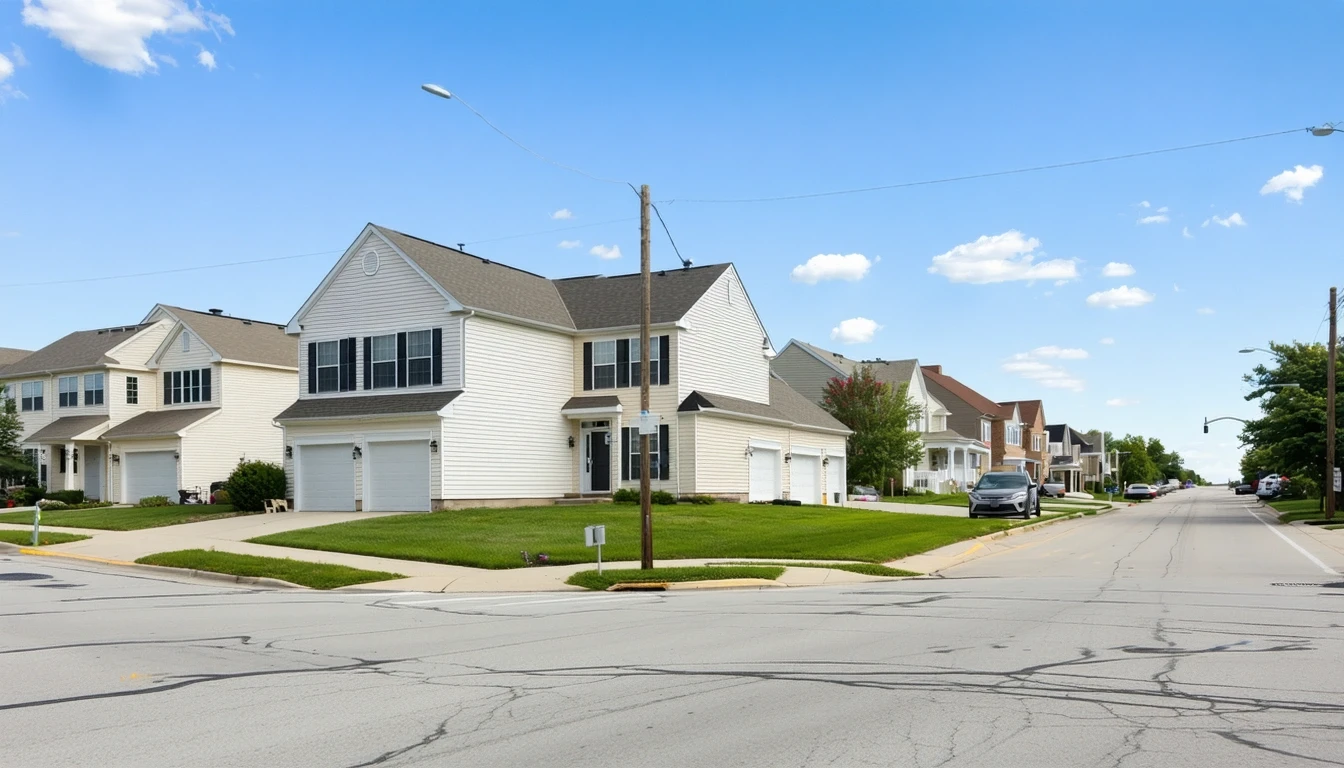
Housing represents the largest slice of any household budget, and the contrast between Edwardsville and Ofallon is more textured than a simple “cheaper versus pricier” narrative. Edwardsville’s housing stock spans decades, from charming early-20th-century bungalows near downtown to 1970s ranch homes in established subdivisions and newer builds on the city’s expanding eastern edge. This diversity creates a wider range of price points and rental availability. Ofallon’s housing, meanwhile, skews heavily toward post-1990 construction—spacious colonials, two-story family homes, and planned communities with HOA amenities. The result: Ofallon often features larger homes on bigger lots, but at price points that reflect that newer construction premium.
As of early 2025, median home prices in Edwardsville hover around $285,000 to $310,000, with significant variation depending on proximity to SIUE, the historic downtown, or the newer Governors’ Hill area. In Ofallon, median home prices typically range from $260,000 to $290,000, particularly in the dominant subdivisions near Scott Air Force Base and along Route 50. However, Ofallon’s lower median reflects a higher concentration of similar-sized homes built in the same era, while Edwardsville’s range includes both older, more affordable properties and premium historic or university-adjacent listings. For renters, Edwardsville offers more two-bedroom apartments in the $900 to $1,150 range due to student housing supply, while Ofallon’s rental market is thinner and leans toward single-family home rentals in the $1,200 to $1,500 range for three-bedroom properties.
Neighborhood differences matter significantly. In Edwardsville, buyers seeking walkability and character gravitate toward the downtown core or the tree-shaded streets near SIUE, often paying a premium for location and lot maturity. Ofallon’s appeal lies in uniformity and newness—families value the predictability of HOA-managed subdivisions, recently updated schools, and minimal deferred maintenance. However, Ofallon’s rapid growth has also meant higher HOA fees (often $300 to $600 annually) and special assessments for infrastructure catch-up, costs that don’t always appear in the sticker price. Edwardsville’s older neighborhoods typically lack HOAs, reducing monthly obligations but sometimes requiring more hands-on home maintenance.
| Housing Type | Edwardsville | Ofallon |
|---|---|---|
| Median Home Price | $285,000 – $310,000 | $260,000 – $290,000 |
| 2BR Apartment Rent | $900 – $1,150 | $1,050 – $1,250 |
| 3BR Single-Family Rent | $1,300 – $1,600 | $1,400 – $1,700 |
| Typical HOA Fees (Annual) | $0 – $200 (rare) | $300 – $600 |
For young professionals and graduate students, Edwardsville’s rental market offers better access to affordable apartments and walkable amenities, reducing the need for a second car. Families prioritizing newer construction, larger yards, and lower home purchase prices may find Ofallon’s subdivisions appealing—but should budget for HOA fees, higher cooling costs in newer open-plan homes, and the reality that most errands require driving. Retirees and downsizers often appreciate Edwardsville’s walkable downtown and the availability of smaller, well-maintained older homes that don’t demand constant upkeep.
Winner: Edwardsville for overall housing affordability and rental availability, especially for renters and first-time buyers. Ofallon offers competitive home purchase prices for families seeking newer builds, but hidden costs and limited rental stock tilt the advantage toward Edwardsville’s more diverse and accessible market.
Utilities and Energy Costs
Utility expenses in the Metro East are shaped by Illinois’ energy mix, seasonal extremes, and the age and efficiency of housing stock—factors that create meaningful differences between Edwardsville and Ofallon. Both cities are served by Ameren Illinois for electricity and natural gas, so baseline rates are comparable. However, the age and design of homes, coupled with neighborhood infrastructure and lot sizes, lead to divergent monthly bills. Edwardsville’s older housing stock—particularly homes built before 1980—often features less insulation, single-pane windows, and older HVAC systems, driving up heating costs during cold January stretches and cooling bills during humid July and August peaks. Ofallon’s newer homes, many built to more recent energy codes, typically feature better insulation, programmable thermostats, and more efficient furnaces and air conditioners, translating to lower monthly utility bills for comparable square footage.
In practice, residents in Edwardsville’s older neighborhoods often report combined gas and electric bills ranging from $150 to $220 per month for a three-bedroom home, with winter heating costs spiking higher in poorly insulated properties. In Ofallon, similar-sized homes built after 2000 typically see combined monthly utility costs in the $120 to $180 range, thanks to tighter building envelopes and more efficient systems. Water and sewer costs are relatively comparable, though Ofallon’s newer infrastructure sometimes results in slightly lower water bills due to more efficient municipal systems. Trash collection fees are similar in both cities, typically bundled into monthly utility bills or charged separately at $15 to $25 per month depending on the provider and service level.
For households prioritizing energy efficiency and predictable monthly costs, Ofallon’s newer housing stock offers a clear advantage. However, Edwardsville residents in recently renovated homes or newer developments on the city’s east side experience comparable efficiency. Renters in Edwardsville’s apartment complexes often benefit from shared utility structures and smaller square footage, keeping individual bills lower than single-family home occupants in either city. Families with larger homes should budget for seasonal swings—winter heating and summer cooling can add $50 to $100 to monthly bills during peak months in both cities, with older Edwardsville homes facing steeper increases.
Winner: Ofallon for lower average utility costs, driven primarily by newer, more energy-efficient housing stock. Edwardsville’s older homes can be charming and affordable to purchase, but often come with higher heating and cooling bills that add up over the year.
Groceries and Daily Expenses
Grocery and everyday expenses in Edwardsville and Ofallon reflect their shared access to the same regional retailers and distributors, but subtle differences in store density, competition, and local dining scenes create small but noticeable cost variations. Both cities feature major chains including Schnucks, Walmart, Aldi, and Dierbergs, ensuring that staple grocery prices—milk, eggs, bread, produce—are nearly identical. A typical weekly grocery bill for a family of four runs $150 to $200 in either city, depending on preferences for organic, name-brand, or budget options. However, Edwardsville’s proximity to SIUE and its more walkable downtown support a denser concentration of specialty grocers, co-ops, and farmers’ markets, offering more opportunities for price comparison and seasonal deals. Ofallon’s retail is more car-dependent and spread along commercial corridors, with fewer independent grocers but strong big-box presence.
Dining out reveals a sharper contrast. Edwardsville’s downtown supports a more diverse restaurant scene, from affordable student-friendly cafes and ethnic eateries to upscale farm-to-table spots. A casual dinner for two typically costs $35 to $50, while coffee shop visits run $4 to $6 per drink. Ofallon’s dining options lean heavily toward chain restaurants and fast-casual franchises, with fewer independent establishments. Prices are comparable—$40 to $55 for a casual dinner for two—but variety is narrower. For households that dine out frequently or value walkable coffee culture, Edwardsville offers better value through competition and variety. For families prioritizing convenience and predictability, Ofallon’s chain-heavy landscape delivers consistent pricing and familiar menus.
Household goods, personal care items, and other daily expenses are functionally identical, given both cities’ access to the same Target, Walmart, and Walgreens locations. Gas prices fluctuate within a few cents per gallon, typically tracking regional averages around $3.20 to $3.50 in early 2025. Families with young children may find Edwardsville’s access to university resources—public libraries, community events, and free or low-cost programming—an indirect cost saver. Singles and young professionals benefit from Edwardsville’s walkable downtown, reducing the frequency of car trips and associated costs.
Winner: Edwardsville for slightly better value in dining variety and access to independent retailers, farmers’ markets, and community resources. Grocery staples are a wash, but the ability to walk to coffee, dinner, or a market errand without driving adds up in both convenience and cost savings over time.
Taxes and Fees
Property taxes represent one of the most significant long-term cost differences between Edwardsville and Ofallon, and the gap is wider than many relocating families expect. Both cities sit in Illinois, a state known for relatively high property taxes compared to neighboring Missouri, but county-level differences and local taxing districts create meaningful variation. Edwardsville is located in Madison County, where property tax rates for residential properties typically range from 2.2% to 2.6% of assessed value, depending on school district and municipality. Ofallon sits in St. Clair County, where effective property tax rates are often slightly lower, ranging from 2.0% to 2.4%. For a home valued at $280,000, that difference translates to roughly $560 to $1,120 more per year in Edwardsville, depending on specific taxing districts and school funding levies.
Sales tax is another key consideration. As of 2025, Edwardsville’s combined state and local sales tax rate is approximately 8.35%, while Ofallon’s rate sits near 8.60%. The difference is modest—about 25 cents per $100 spent—but adds up for households making frequent large purchases or dining out regularly. Both cities impose standard municipal fees for water, sewer, and trash collection, typically bundled into monthly utility bills or charged separately at $40 to $70 per month depending on service level and household size. Ofallon’s newer subdivisions often include HOA fees that cover landscaping, snow removal, and common area maintenance, adding $25 to $50 per month to ownership costs—expenses that Edwardsville homeowners in older, non-HOA neighborhoods avoid entirely.
For renters, property taxes are indirectly passed through in rent prices, but the effect is diffuse and harder to quantify. Homeowners, however, feel the impact directly. A family purchasing a $290,000 home in Ofallon might pay approximately $5,800 to $6,960 annually in property taxes, while a comparable home in Edwardsville could run $6,200 to $7,540. Over a 30-year mortgage, that difference compounds significantly. Edwardsville’s higher taxes fund well-regarded schools and extensive park systems, which many families view as worth the premium. Ofallon’s slightly lower tax burden, combined with newer infrastructure and lower deferred maintenance costs, appeals to budget-conscious buyers prioritizing predictable monthly expenses.
Winner: Ofallon for lower property tax rates and a slightly more favorable overall tax environment. The savings are meaningful for long-term homeowners, though Edwardsville’s higher taxes support strong schools and amenities that justify the cost for many families.
Cost Summary Table
| Expense Category | Edwardsville (Monthly) | Ofallon (Monthly) |
|---|---|---|
| Housing (3BR Home, Mortgage) | $1,650 – $1,850 | $1,550 – $1,750 |
| Utilities (Gas, Electric, Water) | $170 – $220 | $140 – $180 |
| Groceries (Family of 4) | $650 – $800 | $650 – $800 |
| Transportation (Gas, Insurance) | $350 – $450 | $400 – $500 |
| Property Taxes (Annualized) | $520 – $630 | $480 – $580 |
| HOA Fees | $0 – $15 | $25 – $50 |
| Miscellaneous (Dining, Personal) | $400 – $550 | $400 – $550 |
| Estimated Monthly Total | $3,740 – $4,515 | $3,645 – $4,410 |
The cost difference between Edwardsville and Ofallon for a mid-size household typically ranges from $95 to $200 per month, with Ofallon holding a slight edge due to lower property taxes, more efficient utilities, and reduced transportation costs in newer, more centrally planned subdivisions. However, Edwardsville’s advantages in rental availability, walkability, and access to independent retailers can offset these differences for renters, young professionals, and smaller households who prioritize lifestyle flexibility over square footage. Families purchasing homes and planning to stay long-term will feel the property tax difference most acutely, making Ofallon’s lower tax burden a meaningful factor in total cost of ownership.
Estimates reflect 2025 costs for a mid-size household (3-bedroom home or 2-bedroom apartment) using published regional data, Ameren Illinois utility averages, and Madison and St. Clair County tax rates. Actual expenses will vary with household size, home age, lifestyle preferences, and neighborhood.
Lifestyle Fit and Indirect Cost Impacts
Cost of living isn’t just about the numbers on a spreadsheet—it’s also about how a city’s layout, amenities, and culture shape your daily spending and quality of life. Edwardsville and Ofallon offer distinct lifestyle experiences that indirectly affect your budget in ways that don’t always show up in a monthly expense table. Edwardsville’s walkable downtown, anchored by SIUE and a thriving historic district, supports a more pedestrian-friendly lifestyle. Residents can walk or bike to coffee shops, restaurants, the farmers’ market, and community events, reducing car trips and associated fuel, parking, and maintenance costs. The presence of the university also brings cultural programming, public lectures, art exhibits, and athletic events—many free or low-cost—that enrich daily life without straining the budget.
Ofallon, by contrast, is designed around the car. Most errands, dining, and recreation require driving, and the city’s commercial corridors along Route 50 and Route 159 are optimized for convenience rather than walkability. This layout increases transportation costs—more miles driven means more fuel, more frequent oil changes, and higher vehicle depreciation. However, Ofallon’s newer infrastructure, well-maintained roads, and proximity to Scott Air Force Base make commuting predictable and efficient for military families and defense contractors. The city’s parks, recreation centers, and youth sports leagues are well-funded and accessible, offering strong value for families with children. Ofallon’s median household income is approximately $78,000, reflecting its appeal to dual-income military and professional families.
Edwardsville’s commute times to downtown St. Louis average 30 to 40 minutes via I-55 or I-270, comparable to Ofallon’s commute times to the same destinations. However, Edwardsville offers better access to MetroLink’s eastern terminus in nearby Fairview Heights and Shiloh, providing a public transit option for commuters willing to drive to a park-and-ride lot. Ofallon lacks direct MetroLink access, making car ownership essential. For households able to reduce car dependency, Edwardsville’s layout can save $100 to $200 per month in transportation costs. Edwardsville’s median household income is approximately $72,000, shaped by a mix of university employees, healthcare professionals, and service workers.
Climate and geography are functionally identical—both cities experience hot, humid summers and cold, occasionally snowy winters typical of southern Illinois. Utility costs reflect this shared climate, with air conditioning essential from June through September and heating critical from November through March. Lifestyle amenities, however, diverge. Edwardsville’s historic downtown, SIUE campus, and Watershed Nature Center offer free or low-cost recreation and cultural engagement. Ofallon’s appeal lies in its family-oriented subdivisions, excellent youth sports infrastructure, and proximity to Scott Air Force Base, which provides commissary and exchange shopping privileges for military families—a significant cost saver for groceries, gas, and household goods.
For young professionals, graduate students, and retirees who value walkability, cultural variety, and lower transportation costs, Edwardsville’s lifestyle fit translates into tangible budget relief. For families with children, dual incomes, and a preference for newer homes and predictable suburban infrastructure, Ofallon’s car-dependent but well-maintained environment offers strong value and lower long-term ownership costs.
Frequently Asked Questions
Is Edwardsville more affordable than Ofallon in 2025?
It depends on your household type and priorities. Edwardsville offers more affordable rental options and better walkability, which can reduce transportation costs. Ofallon has slightly lower property taxes and more energy-efficient housing stock, making it more affordable for long-term homeowners prioritizing newer construction and predictable monthly expenses.
Are rental prices lower in Edwardsville or Ofallon?
Rental prices are generally lower and more available in Edwardsville, particularly for two-bedroom apartments, due to the presence of SIUE and a more diverse rental market. Ofallon’s rental inventory is thinner and skews toward single-family homes, which tend to be pricier and less accessible for young professionals or small households.
How do property taxes compare between Edwardsville and Ofallon in 2025?
Property taxes are typically higher in Edwardsville due to Madison County’s tax structure and school funding levies, with effective rates around 2.2% to 2.6% of assessed value. Ofallon’s St. Clair County location results in slightly lower rates, generally 2.0% to 2.4%, translating to meaningful savings over the life of a mortgage.
Do utility bills tend to be higher in Edwardsville or Ofallon during the winter?
Utility bills during winter are often higher in Edwardsville, particularly in older homes with less insulation and outdated HVAC systems. Ofallon’s newer housing stock, built to more recent energy codes, typically results in lower heating costs and more predictable monthly utility expenses during cold months.
What is the average monthly budget for a family of four in Edwardsville vs. Ofallon?
A family of four in Edwardsville should budget approximately $3,740 to $4,515 per month for housing, utilities, groceries, transportation, and taxes. In Ofallon, the range is slightly lower at $3,645 to $4,410 per month, primarily due to lower property taxes and more efficient utilities in newer homes.
Conclusion: Which City Fits Your Budget?
The myth that Ofallon is always the more affordable Metro East option doesn’t hold up under scrutiny—but neither does the assumption that Edwardsville is simply a pricier college town. The reality is that both cities offer distinct value propositions depending on your household type, lifestyle priorities, and long-term plans. Ofallon edges ahead for families purchasing newer homes who prioritize energy efficiency, lower property taxes, and predictable suburban infrastructure. The savings in utilities and taxes compound over time, making it a strong choice for long-term homeowners and military families with access to Scott Air Force Base resources. However, Ofallon’s car-dependent layout and higher HOA fees add hidden costs that offset some of those advantages.
Edwardsville, by contrast, delivers better value for renters, young professionals, and households that prioritize walkability, cultural amenities, and access to a more diverse housing market. The ability to reduce transportation costs, take advantage of university resources, and enjoy a vibrant downtown without driving everywhere adds up in ways that don’t always appear on a balance sheet. Higher property taxes are a real consideration for homeowners, but many families view them as an investment in excellent schools, mature neighborhoods, and a more engaged community. For relocating households weighing their options in 2025, the choice isn’t about which city is cheaper—it’s about which city’s cost structure aligns with how you want to live.
Ready to explore your next move? IndexYard offers detailed neighborhood guides, moving company comparisons, and cost breakdowns to help you make an informed decision. Whether you’re drawn to Edwardsville’s historic charm or Ofallon’s modern subdivisions, understanding the real costs behind each choice ensures you’ll find a home that fits both your lifestyle and your budget.