
Edwardsville, IL vs. Collinsville, IL: Cost of Living Comparison (2025)
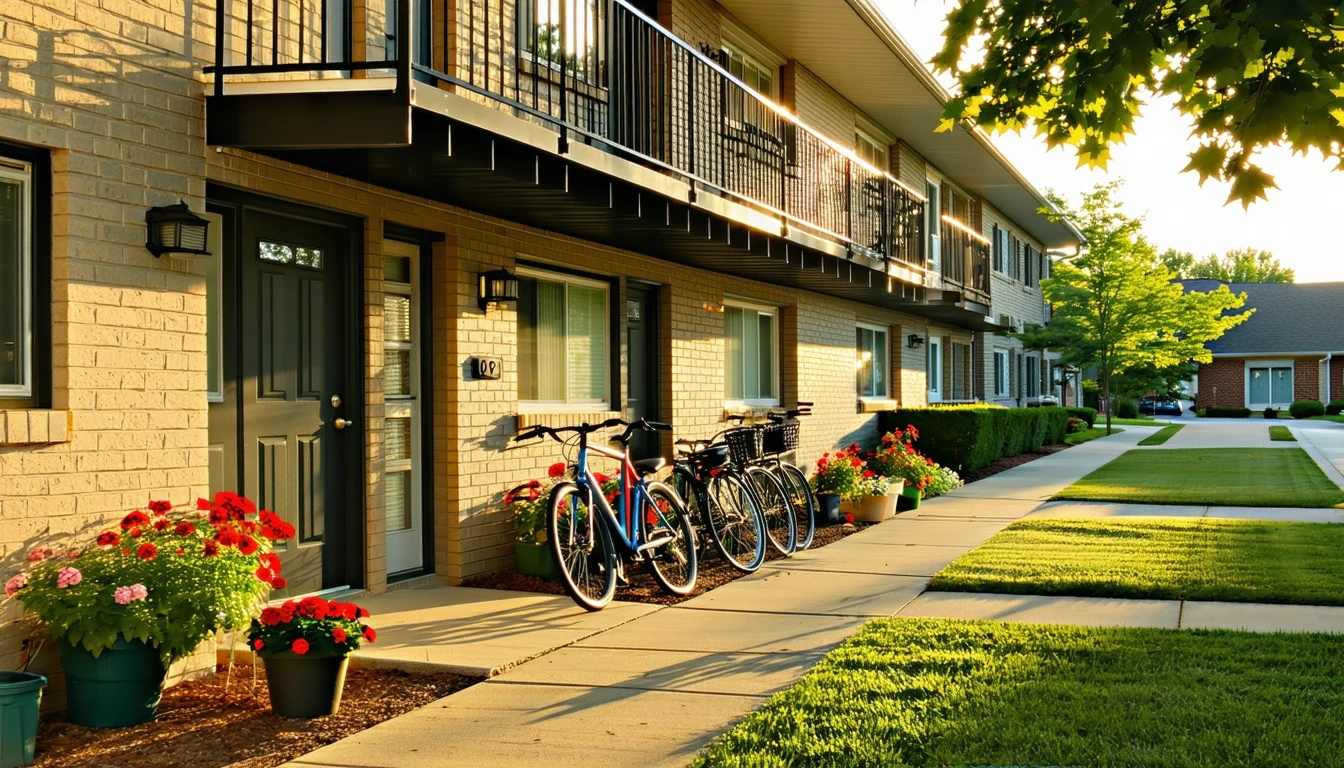
Edwardsville and Collinsville sit just miles apart in Illinois’s Metro East region, both offering convenient access to St. Louis while maintaining distinct suburban identities. Yet these neighboring communities attract very different residents: Edwardsville draws families seeking top-rated schools and a college-town atmosphere anchored by Southern Illinois University Edwardsville, while Collinsville appeals to budget-conscious buyers and renters who prioritize affordability and blue-collar authenticity. For anyone relocating to the Metro East in 2025, understanding the cost differences between these two cities can mean the difference between stretching your budget thin and building comfortable financial cushion.
Both cities share Madison County’s tax structure and similar climate considerations, but their housing markets, amenities, and daily expenses tell different stories. Edwardsville’s historic Main Street, newer subdivisions, and university influence have pushed prices upward over the past decade, while Collinsville’s established working-class neighborhoods and proximity to major highways have kept costs more accessible. The choice between them often comes down to whether you’re willing to pay a premium for Edwardsville’s educational reputation and polished downtown, or whether Collinsville’s practical affordability and unpretentious character better match your financial priorities.
This comparison examines every major cost factor—from monthly expenses and property taxes to groceries and utilities—to help you determine which Metro East community delivers the best value for your lifestyle in 2025. Whether you’re a young professional weighing rental options, a family shopping for your first home, or a retiree seeking manageable living costs, the financial distinctions between Edwardsville and Collinsville will shape your daily budget and long-term wealth building.
Housing Costs in Edwardsville vs. Collinsville
==SEO TITLE==
Edwardsville vs Collinsville IL Cost of Living 2025 | Save $1000/Month
Housing represents the most significant cost difference between these two Metro East neighbors, with Edwardsville commanding a notable premium across both rental and ownership markets. Median home prices in Edwardsville typically range from $240,000 to $280,000 for a well-maintained three-bedroom home in established neighborhoods, with newer construction in subdivisions like Sunset Hills or Governors Hill pushing into the $350,000–$450,000 range. Collinsville’s housing stock skews older and more affordable, with median prices generally falling between $160,000 and $200,000 for comparable three-bedroom homes. This $80,000–$100,000 gap reflects not just home age and condition, but also school district reputation, proximity to SIUE, and neighborhood aesthetics.
The rental market shows similar disparities. A two-bedroom apartment in Edwardsville near downtown or the university district typically commands $1,100–$1,400 monthly, with newer complexes featuring modern amenities reaching $1,500 or higher. Collinsville renters find more breathing room, with comparable two-bedroom units generally priced between $850 and $1,100 monthly. The availability of rental inventory differs as well: Edwardsville’s student population creates steady demand for apartments and smaller units, while Collinsville offers more single-family rental homes that appeal to working families seeking yard space without homeownership commitment. Both cities have seen rental rates climb 8–12% since 2022, but Collinsville’s lower baseline means those increases translate to smaller dollar amounts for budget-conscious renters.
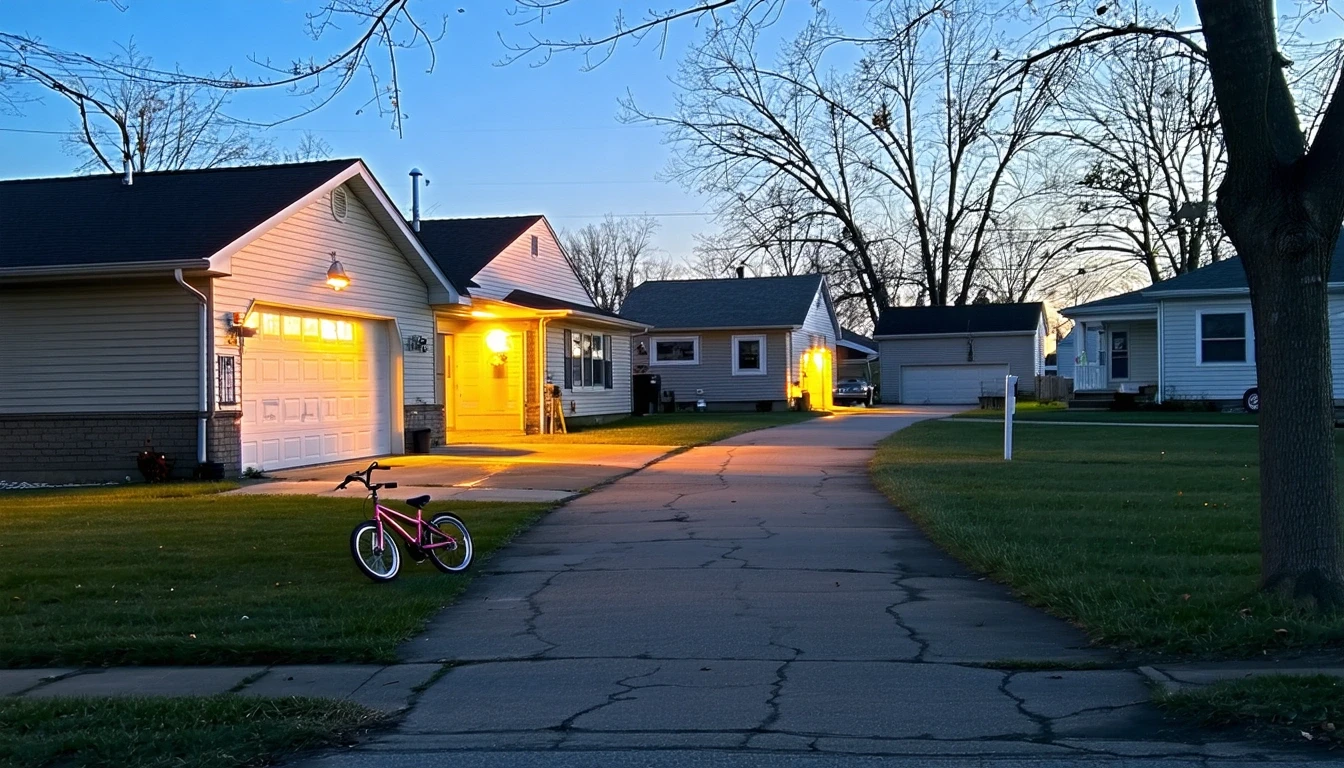
Neighborhood variation matters significantly in both communities. Edwardsville’s most affordable housing clusters in older sections east of Route 157, where well-kept ranch homes from the 1960s and 1970s sell for $180,000–$220,000—still higher than Collinsville’s average but more accessible than Edwardsville’s showcase subdivisions. Collinsville’s housing ranges from modest bungalows near downtown (often under $150,000) to more substantial homes in the Maryville area that approach $250,000. For first-time buyers, Collinsville offers a clearer path to ownership, while Edwardsville attracts move-up buyers and families prioritizing school quality over immediate affordability. The owner-occupancy rate runs higher in Edwardsville, reflecting its appeal to established families, whereas Collinsville’s mix includes more rental properties and starter homes.
| Housing Type | Edwardsville | Collinsville |
|---|---|---|
| Median Home Price (3BR) | $240,000–$280,000 | $160,000–$200,000 |
| 2BR Apartment Rent | $1,100–$1,400/month | $850–$1,100/month |
| 3BR House Rent | $1,600–$2,000/month | $1,200–$1,500/month |
| Newer Construction (3BR) | $350,000–$450,000 | $220,000–$280,000 |
These housing cost differences create distinct opportunities for different household types. Young professionals and graduate students often find Edwardsville’s rental market manageable when splitting costs with roommates, especially given the walkable downtown and campus proximity. Families prioritizing educational outcomes may justify Edwardsville’s premium by calculating long-term value from highly rated schools. Conversely, Collinsville appeals strongly to first-time buyers, single-income households, and anyone prioritizing lower monthly payments over neighborhood prestige. A family saving $400–$600 monthly on housing in Collinsville can redirect those funds toward retirement accounts, childcare, or simply building emergency reserves—a meaningful advantage that compounds over years of residency.
Winner: Collinsville delivers significantly lower housing costs across all categories, making homeownership and comfortable rental living more accessible for budget-conscious households. The $80,000+ median home price gap and $250–$400 monthly rental savings provide immediate financial relief that benefits most relocating families.
Utilities and Energy Costs
Both Edwardsville and Collinsville residents receive electricity from Ameren Illinois and natural gas from the same regional providers, creating baseline parity in utility rate structures. However, actual monthly bills vary considerably based on housing age, insulation quality, and home size—factors that differ between the two communities. Edwardsville’s newer construction boom over the past two decades means many residents occupy energy-efficient homes built to modern codes, with improved insulation, efficient HVAC systems, and double-pane windows that moderate seasonal temperature swings. Collinsville’s older housing stock, much of it constructed in the 1950s through 1980s, often features less efficient building envelopes, leading to higher heating costs during Metro East’s cold winters and increased air conditioning loads during humid summer months.
Typical monthly utility expenses for a three-bedroom home in either city range from $120–$180 during mild spring and fall months, climbing to $200–$280 during January and February when natural gas heating dominates the bill, and reaching similar peaks in July and August when air conditioning runs continuously. Edwardsville homeowners in newer subdivisions often report bills at the lower end of these ranges, while Collinsville residents in older homes—particularly those with original windows, minimal attic insulation, or aging furnaces—frequently see costs push toward the higher end. The difference might seem modest month-to-month, but over a full year, a Collinsville household in an older home could spend $300–$600 more on utilities than an Edwardsville family in a 2010s-era subdivision, simply due to building efficiency rather than usage patterns.
Water and sewer costs show less variation between the cities, with typical combined bills running $60–$90 monthly for average household usage. Trash collection fees differ slightly: Edwardsville contracts with private haulers and costs are typically bundled into homeowner or landlord expenses, while Collinsville offers municipal waste service with fees incorporated into property tax bills or charged separately depending on the neighborhood. Neither city imposes unusual utility connection fees or surcharges that would significantly impact monthly budgets. Residents in both communities benefit from Ameren’s budget billing programs that smooth seasonal spikes into predictable monthly payments, and both cities fall within service areas for high-speed internet providers offering competitive rates of $50–$80 monthly for standard residential service.
Winner: Edwardsville holds a slight advantage due to its newer average housing stock, which translates to lower heating and cooling costs for many residents. While utility rates themselves are identical, the energy efficiency of Edwardsville’s newer homes delivers tangible monthly savings that partially offset its higher housing costs.
Everyday Costs: Groceries and Daily Expenses
Grocery shopping and daily expenses show minimal variation between Edwardsville and Collinsville, as both cities offer access to similar retailers and fall within the same regional pricing zone for major chains. Edwardsville residents shop primarily at Dierbergs, Schnucks, ALDI, and Walmart Supercenter locations along Route 157 and Governor’s Parkway, while Collinsville shoppers frequent similar chains along Belt Line Road and Collinsville Road, including Schnucks, ALDI, Save-A-Lot, and Walmart. A typical weekly grocery bill for a family of four runs $150–$200 at mainstream chains in either city, with budget-conscious shoppers reducing costs to $120–$150 by prioritizing ALDI and sale items. Staple prices—milk, eggs, bread, produce—remain essentially identical across locations, though Edwardsville’s Dierbergs tends toward slightly higher pricing on specialty and prepared items compared to Collinsville’s more value-oriented store mix.
Dining out reveals more noticeable differences. Edwardsville’s downtown and areas near SIUE feature a concentration of sit-down restaurants, brewpubs, and cafes where entrees typically range from $14–$24 and a family dinner easily reaches $60–$80 before tip. Popular spots like 1818 Chophouse, Peel Wood Fired Pizza, and Cleveland-Heath draw both locals and visitors willing to pay for atmosphere and quality. Collinsville’s restaurant scene skews toward casual chains, family diners, and local taverns where comparable meals cost $10–$18 per entree and family dinners often stay under $50. A couple grabbing coffee and pastries in Edwardsville might spend $12–$15 at a downtown cafe, while Collinsville residents typically pay $8–$10 for similar items at local spots or chain coffee shops. These differences accumulate: households dining out twice weekly could spend $100–$150 more monthly in Edwardsville simply due to restaurant pricing and atmosphere expectations.
Other daily expenses—gas stations, pharmacies, dry cleaning, haircuts—show negligible variation. Both cities have competitive gas pricing along major corridors, with prices typically within a few cents per gallon. Personal services like haircuts run $20–$35 for basic cuts and $50–$80 for salon services in both communities. Families with children find similar costs for youth sports leagues, music lessons, and recreational activities, though Edwardsville’s Parks and Recreation Department offers slightly more extensive programming that may reduce the need for private alternatives. Single professionals and young couples often perceive Edwardsville as more expensive for daily life, but this reflects lifestyle choices—frequenting downtown establishments and university-area amenities—rather than fundamental cost differences in household staples.
Winner: Collinsville edges ahead for households that dine out regularly or prioritize everyday value over atmosphere. While grocery costs remain comparable, Collinsville’s restaurant pricing and unpretentious retail environment can save dining-focused households $75–$125 monthly compared to Edwardsville’s pricier food scene.
Taxes and Fees
Property taxes represent a significant ongoing cost for homeowners in both communities, and this is where Collinsville’s affordability advantage narrows considerably. Both cities sit in Madison County, Illinois, which carries one of the state’s higher property tax burdens, but local tax rates vary based on school district, fire protection district, and municipal levies. Edwardsville’s effective property tax rate typically runs between 2.8% and 3.2% of assessed home value annually, while Collinsville’s rate generally falls between 2.6% and 3.0%, depending on the specific tax district. On the surface, this appears to favor Collinsville, but when applied to actual home values, the math shifts: a $260,000 Edwardsville home might generate $7,800–$8,300 in annual property taxes, while a $180,000 Collinsville home produces $4,700–$5,400 annually. The Collinsville homeowner saves substantially in absolute dollars, but the savings partially reflect the lower home value rather than dramatically lower rates.
Sales tax rates are identical in both cities at 8.35% (6.25% state base plus 2.1% local), covering most retail purchases, restaurant meals, and general merchandise. Neither city imposes unusual local sales taxes or special district fees that would create shopping cost differences. Vehicle registration and licensing costs follow Illinois state schedules regardless of which Metro East community you call home. Where fees do diverge is in municipal services: Edwardsville charges higher water connection fees for new construction and maintains stricter building permit requirements that can add costs for homeowners undertaking renovations. Collinsville’s permitting process tends to be more straightforward and less expensive for minor home improvements, though both cities require proper permits for major work.
Homeowners Association fees create another cost layer, particularly in Edwardsville’s newer subdivisions where HOAs commonly charge $300–$800 annually for common area maintenance, snow removal, and neighborhood amenities like pools or playgrounds. Many of Collinsville’s established neighborhoods lack HOAs entirely, eliminating this expense but also placing full responsibility for property maintenance on individual owners. For renters, these tax differences matter less directly, though landlords inevitably factor property tax costs into rental pricing—one reason Edwardsville’s rents run higher. Over the long term, a Collinsville homeowner’s lower absolute property tax bill (despite similar rates) can save $2,500–$3,500 annually compared to an Edwardsville homeowner in a similarly-sized but higher-valued property, creating meaningful budget flexibility for other priorities or accelerated mortgage paydown.
Winner: Collinsville delivers lower absolute property tax bills due to lower home values, even though effective tax rates are comparable. The $2,000–$3,000+ annual savings on property taxes provides Collinsville homeowners with significant long-term financial advantage, though this reflects the overall lower cost of entry rather than preferential tax treatment.
Cost of Living in Edwardsville vs. Collinsville: Monthly Budget Breakdown
| Expense Category | Edwardsville (Monthly) | Collinsville (Monthly) |
|---|---|---|
| Housing (3BR home mortgage/rent) | $1,650–$1,950 | $1,150–$1,400 |
| Utilities (electric, gas, water) | $180–$240 | $200–$260 |
| Groceries (family of 4) | $650–$800 | $650–$800 |
| Transportation (gas, insurance, maintenance) | $450–$550 | $450–$550 |
| Property Taxes (monthly equivalent) | $650–$690 | $390–$450 |
| Dining Out & Entertainment | $400–$550 | $300–$400 |
| Miscellaneous (personal care, household) | $250–$350 | $250–$350 |
| Estimated Monthly Total | $4,230–$5,130 | $3,390–$4,210 |
This breakdown illustrates the cumulative impact of cost differences between the two cities. A typical household relocating to Collinsville rather than Edwardsville could save $800–$1,000 monthly—roughly $10,000–$12,000 annually—primarily driven by lower housing costs and reduced property taxes. These savings prove especially meaningful for single-income families, first-time homebuyers, or households prioritizing debt reduction and savings accumulation over neighborhood prestige. However, the comparison assumes similar household sizes and lifestyle choices; a young professional renting a one-bedroom apartment and rarely dining out would see smaller absolute differences, while a family purchasing a larger home and frequently using local amenities would experience the full cost gap.
It’s important to recognize that Edwardsville’s higher costs come with trade-offs that some households value highly: top-tier school ratings, a vibrant downtown, proximity to SIUE’s cultural and athletic events, and newer housing stock with lower maintenance needs. Families willing to allocate an extra $800–$1,000 monthly toward housing and related costs may find Edwardsville’s educational and lifestyle advantages worth the premium. Conversely, Collinsville residents who redirect those savings toward retirement contributions, college funds, or simply maintaining a more comfortable monthly cushion often feel they’ve made the smarter financial choice without sacrificing essential quality of life.
Estimates reflect 2025 costs for a mid-size household (3-bedroom home) using published regional data, local real estate listings, and Metro East cost benchmarks. Actual expenses will vary with household size, lifestyle choices, and specific neighborhood selection. Property tax figures represent monthly equivalents of annual bills for median-priced homes in each city.
Lifestyle Fit and Indirect Cost Factors
Beyond direct expenses, lifestyle differences between Edwardsville and Collinsville create indirect cost impacts that shape long-term financial well-being. Edwardsville’s compact, walkable downtown centered on Main Street and Vandalia Street offers genuine pedestrian appeal, with locally-owned shops, restaurants, and the weekly farmers market creating a community gathering space that reduces the need for entertainment spending elsewhere. The city’s extensive trail system, including connections to the Goshen Trail and Madison County Transit bikeway network, provides free recreational opportunities that health-conscious residents value. SIUE’s presence brings cultural programming—concerts, theater, lectures—often available at low or no cost to community members. These amenities can reduce household entertainment budgets while enhancing quality of life, though they also contribute to the housing premium that makes Edwardsville less accessible initially.
Collinsville’s lifestyle centers more on practical, family-oriented activities and blue-collar authenticity. The city’s claim to fame—being the “Horseradish Capital of the World” and home to the iconic Cahokia Mounds World Heritage Site just outside city limits—reflects its working-class roots and unpretentious character. Collinsville’s parks system offers solid basics without the polish of Edwardsville’s facilities, and the downtown area, while improving, lacks the consistent foot traffic and boutique appeal of its neighbor. However, this translates to lower pressure for lifestyle spending: residents feel less expectation to dine out frequently, join expensive fitness clubs, or keep up with consumption patterns common in more affluent communities. For households prone to lifestyle inflation, Collinsville’s environment naturally encourages more modest spending habits.
Commute patterns affect costs differently depending on employment location. Both cities offer quick access to Interstate 55/70 and Route 157, making St. Louis commutes feasible from either location—typically 25–35 minutes to downtown St. Louis or Clayton in normal traffic. Edwardsville residents working at SIUE enjoy the shortest possible commutes, often under 10 minutes, while Collinsville’s position closer to Interstate 55/70 provides slightly faster access to south St. Louis County employment centers and Scott Air Force Base. Neither city offers meaningful public transit beyond limited Madison County Transit bus service, so virtually all residents rely on personal vehicles. Gas and vehicle maintenance costs remain comparable, though Edwardsville’s walkable core allows some residents to consolidate errands and reduce weekly driving, creating modest fuel savings for those who actively embrace pedestrian-friendly living.
Edwardsville’s trail system includes over 20 miles of paved paths connecting neighborhoods, parks, and commercial areas, promoting active transportation that reduces both vehicle costs and gym membership needs. Collinsville’s location provides 5-minute access to Interstate 55/70, making it particularly convenient for households with one partner commuting to St. Louis and another working locally or at Scott Air Force Base.
The school quality difference deserves mention as an indirect cost factor with long-term implications. Edwardsville’s Community Unit School District 7 consistently ranks among Illinois’s top districts, with high test scores, extensive AP offerings, and strong college placement rates. Families prioritizing educational outcomes may view Edwardsville’s housing premium as an investment that reduces future private school or tutoring costs while enhancing college admission prospects. Collinsville’s Kahok school district serves students adequately and has improved in recent years, but it doesn’t match Edwardsville’s reputation or outcomes. Families less focused on elite academic performance, or those planning to supplement with private education regardless of location, may find Collinsville’s lower costs allow them to afford private school tuition while still spending less overall than they would living in Edwardsville and using public schools.
Frequently Asked Questions
Is Edwardsville more affordable than Collinsville in 2025?
No, Collinsville offers significantly lower overall living costs, with median home prices $80,000–$100,000 lower and monthly rental rates $250–$400 less than Edwardsville. The cumulative savings for a typical household can reach $800–$1,000 monthly when factoring in housing, property taxes, and dining expenses.
Are rental prices lower in Edwardsville or Collinsville?
Collinsville’s rental market is considerably more affordable, with two-bedroom apartments typically renting for $850–$1,100 monthly compared to $1,100–$1,400 in Edwardsville. Single-family home rentals show similar gaps, with Collinsville offering $300–$500 monthly savings for comparable properties.
How do property taxes compare between Edwardsville and Collinsville?
While effective property tax rates are similar (both around 2.8–3.2% of assessed value), Collinsville homeowners pay substantially less in absolute dollars due to lower home values—typically $2,000–$3,500 less annually. This reflects Madison County’s overall high tax burden applied to Collinsville’s more affordable housing stock.
What is the average monthly cost of living for a family of four in Edwardsville vs. Collinsville?
A family of four can expect to spend approximately $4,200–$5,100 monthly in Edwardsville compared to $3,400–$4,200 in Collinsville, assuming a three-bedroom home, moderate lifestyle, and typical household expenses. The $800–$1,000 monthly difference primarily stems from housing costs and property taxes.
Is Edwardsville considered a better value for homebuyers compared to Collinsville?
Value depends on priorities: Edwardsville offers superior schools, newer housing stock, and more polished amenities that some families consider worth the premium, while Collinsville delivers immediate affordability and lower ongoing costs that benefit budget-focused buyers. Neither represents objectively better value—the right choice depends on whether educational reputation and lifestyle amenities justify paying $800+ more monthly.
Making Your Decision: Which Metro East City Fits Your Budget?
The cost comparison between Edwardsville and Collinsville reveals a clear financial winner: Collinsville delivers substantially lower housing costs, reduced property tax bills, and more affordable daily living that can save typical households $800–$1,000 monthly or roughly $10,000–$12,000 annually. For first-time homebuyers, single-income families, or anyone prioritizing financial flexibility and savings accumulation, Collinsville’s affordability advantage proves difficult to ignore. The city offers solid schools, safe neighborhoods, and convenient Metro East location without the premium pricing that has made Edwardsville increasingly expensive over the past decade. Young professionals and budget-conscious renters particularly benefit from Collinsville’s accessible rental market and unpretentious lifestyle that doesn’t pressure residents toward costly consumption patterns.
Yet Edwardsville’s higher costs come with tangible benefits that resonate with specific household types. Families prioritizing top-tier education often view the housing premium as worthwhile when it secures access to one of Illinois’s best public school districts without private school tuition. The walkable downtown, university cultural amenities, newer housing stock with lower maintenance needs, and overall polish create a lifestyle package that appeals to professionals, academics, and move-up buyers willing to allocate more of their budget toward housing and community character. The Ramirez family—Maria, a nurse at Anderson Hospital, and David, an engineer at Boeing—spent months debating this exact choice in early 2025. They loved Edwardsville’s downtown energy and school reputation but worried about stretching their budget. Ultimately, they chose a well-maintained 1970s ranch in Collinsville’s Maryville area for $195,000, saving $400 monthly compared to similar Edwardsville options and redirecting those savings toward their daughters’ college funds and family travel—a decision that aligned their spending with their actual priorities rather than neighborhood prestige.
Your ideal choice depends on honest assessment of what you value most and what you can comfortably afford. If educational excellence, walkable urbanism, and community polish rank highest—and your household income supports $4,500–$5,500 monthly expenses—Edwardsville delivers a compelling package despite its premium pricing. If building savings, achieving homeownership sooner, or simply maintaining comfortable monthly cushion matters more, Collinsville’s $3,500–$4,200 monthly cost structure provides immediate financial relief and long-term flexibility. Neither city is “wrong”—they serve different needs and budgets within the Metro East’s diverse housing landscape.
Ready to explore housing options in either community? IndexYard’s comprehensive moving resources help you plan your Metro East relocation with confidence, comparing costs, neighborhoods, and lifestyle factors that matter most to your household. Whether you choose Edwardsville’s polished appeal or Collinsville’s practical affordability, understanding the true cost differences empowers you to make the financially sound choice that supports your family’s goals for 2025 and beyond.