
Myth: Utility costs are predictable and stable year-round. Truth: In Eastvale, CA, utility bills swing sharply with the seasons—driven more by inland heat and household behavior than by base rates alone.
Understanding Utilities in Eastvale
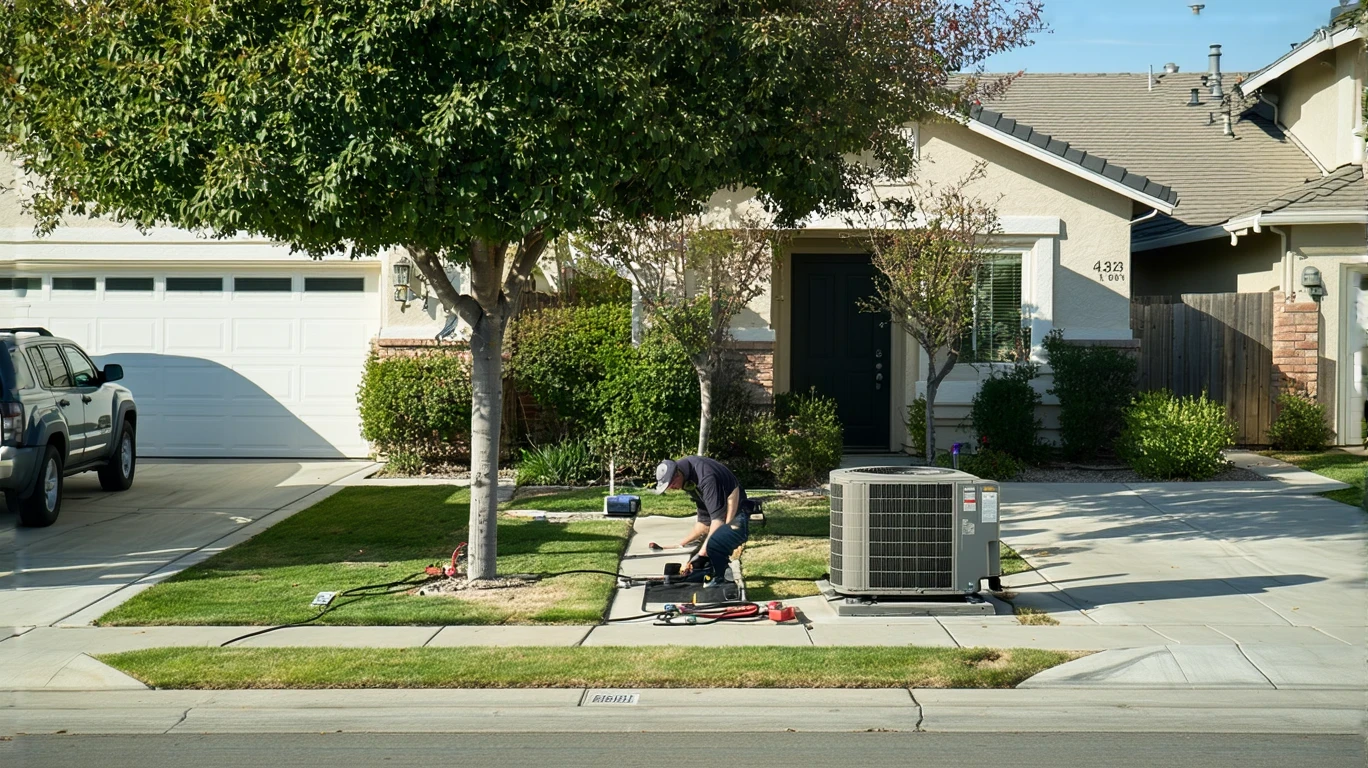
When planning a household budget in Eastvale, understanding utilities cost in Eastvale is essential—not just for the dollar amounts, but for how those costs behave throughout the year. Utilities typically rank as the second-largest monthly expense after housing, and in Eastvale’s inland Southern California climate, that expense is anything but static. Summer cooling demands and winter heating needs create seasonal swings that can catch new residents off guard, especially those moving from milder coastal areas or regions with different climate profiles.
Utility costs in Eastvale generally include electricity, natural gas, water, trash, and recycling. For renters in apartments or condos, some of these services may be bundled into HOA fees or included in rent, but single-family homeowners typically manage all five categories independently. Electricity and natural gas are billed by usage and fluctuate with weather and household habits, while water is usually tiered—meaning the more you use, the higher the per-unit cost. Trash and recycling are often billed together, either as a flat monthly fee or bundled with water service, depending on the provider and neighborhood.
For those relocating to Eastvale, it’s important to recognize that utility exposure here is shaped by climate intensity and home efficiency, not just rate structures. A well-insulated home with modern HVAC can keep bills manageable even during triple-digit summer heat, while an older home with single-pane windows and an aging air conditioner can see costs spike dramatically. Understanding these dynamics helps households plan for seasonal variability and identify where efficiency upgrades or behavioral changes can reduce exposure.
Utilities at a Glance in Eastvale
The table below shows how core utility costs typically behave for a mid-size household in a single-family home in Eastvale. Where city-level prices are available in the data feed, they are shown directly. When exact figures are not provided, categories are described qualitatively to reflect how costs are structured and what drives variability.
| Utility | Cost Structure |
|---|---|
| Electricity | 31.91¢/kWh; usage-sensitive, cooling-dominant |
| Water | Tiered pricing; usage-dependent, conservation-driven |
| Natural Gas | $21.89/MCF; winter-driven, heating-dependent |
| Trash & Recycling | Bundled with water or HOA; typically flat monthly fee |
| Total | Seasonal variability driven by electricity and heating |
This table reflects utility cost structure for a mid-size household in a single-family home in Eastvale during 2026. Where exact figures are not provided in the IndexYard data feed, categories are described directionally to reflect how costs behave rather than a receipt-accurate total.
Electricity is billed per kilowatt-hour at 31.91¢/kWh in Eastvale, and for most households, this is the most exposure-sensitive utility. Summer cooling can push monthly usage well above 1,000 kWh, especially during extended heat waves when air conditioning runs nearly around the clock. Homes with poor insulation, west-facing windows, or older HVAC systems face the highest bills, while energy-efficient homes with programmable thermostats and shade trees can moderate costs even during peak heat.
Water costs in Eastvale are structured on a tiered basis, meaning the more you use, the higher the per-unit rate climbs. This pricing model is designed to encourage conservation, and it hits hardest during summer months when outdoor irrigation, pool maintenance, and increased indoor use drive consumption upward. Households with drought-tolerant landscaping or drip irrigation systems typically stay in lower tiers, while those maintaining large lawns or filling pools regularly can see costs escalate quickly.
Natural gas is priced at $21.89 per thousand cubic feet (MCF) and is primarily used for heating, water heating, and cooking. In Eastvale’s mild winters, heating demand is relatively low compared to colder climates, so natural gas bills remain modest for most of the year. However, homes that rely on gas for water heating or have older, less efficient furnaces may see noticeable increases during December through February, particularly during rare cold snaps.
Trash and recycling services in Eastvale are typically bundled with water bills or included in HOA fees, depending on the neighborhood and provider. For single-family homes outside HOA communities, this is usually a flat monthly charge that covers weekly pickup for trash, recycling, and sometimes green waste. The cost is stable and predictable, making it one of the few utility categories that doesn’t fluctuate with usage or season.
Electricity is typically the most exposure-sensitive utility in Eastvale, driven more by climate and home efficiency than by base rates.
How Weather Impacts Utilities in Eastvale
Eastvale’s inland Southern California location means extended exposure to triple-digit summer heat, with cooling season stretching from May through October. During peak summer months, air conditioning becomes non-negotiable for most households, and electricity bills can double or even triple compared to spring or fall. The intensity of the heat—combined with low humidity and intense sun exposure—means that homes without adequate insulation, window shading, or efficient HVAC systems face the steepest seasonal cost increases. For illustrative context, a household using 1,000 kWh per month during mild weather might see usage climb to 1,500 or even 2,000 kWh during July and August heat waves, before fees and taxes.
Winter in Eastvale is mild by national standards, with rare freezing nights and minimal heating demand. Natural gas usage ticks up slightly during December through February, but the increase is modest compared to the summer electricity surge. Homes with gas furnaces may see bills rise during cold snaps, but the overall winter heating burden is far lower than in colder climates. This seasonal asymmetry—where summer cooling dominates annual utility exposure—is a defining characteristic of household budgeting in Eastvale and shapes how residents think about efficiency upgrades and energy management.
One regional quirk worth noting: Eastvale’s proximity to the Inland Empire means it experiences more extreme temperature swings than coastal Southern California cities. While coastal areas benefit from ocean breezes and natural cooling, Eastvale’s inland position traps heat, leading to hotter days and warmer nights during summer. This amplifies cooling costs and makes shade, insulation, and ventilation strategies particularly valuable. Households that take advantage of Eastvale’s integrated green space access—parks and tree-lined streets—can reduce reliance on indoor air conditioning during moderate heat days by spending time outdoors in shaded areas.
How to Save on Utilities in Eastvale
Reducing utility costs in Eastvale starts with understanding which categories are most volatile and where households have the most control. Electricity is the primary lever, and even small changes in cooling behavior or home efficiency can yield noticeable reductions during peak summer months. Water conservation strategies are also effective, particularly for households that use tiered pricing and want to avoid climbing into higher rate brackets. Natural gas and trash costs are more stable, but optimizing water heating and appliance efficiency can still contribute to overall savings.
One of the most effective strategies is enrolling in time-of-use or off-peak billing programs offered by many California utilities. These programs charge lower rates during non-peak hours (typically overnight and early morning) and higher rates during peak demand periods (late afternoon and early evening). Households that can shift heavy electricity use—such as running dishwashers, washing machines, or charging electric vehicles—to off-peak hours can reduce costs without sacrificing comfort. Smart thermostats and programmable timers make this easier by automating usage shifts and optimizing cooling schedules based on occupancy and time of day.
- Enroll in off-peak or time-of-use billing programs to take advantage of lower rates during non-peak hours.
- Invest in solar panels if feasible—California offers state and federal incentives that can offset installation costs and reduce long-term electricity exposure.
- Install a smart thermostat to optimize cooling schedules, reduce runtime during unoccupied hours, and shift usage to off-peak periods.
- Plant shade trees on south- and west-facing sides of the home to reduce direct sun exposure and lower indoor temperatures naturally.
- Upgrade insulation and seal air leaks around windows, doors, and attics to reduce cooling loss and improve HVAC efficiency.
- Switch to drought-tolerant landscaping or drip irrigation systems to reduce outdoor water use and avoid tiered pricing escalation.
- Replace aging appliances with ENERGY STAR-rated models, particularly water heaters, refrigerators, and HVAC systems.
- Check for utility rebates on energy-efficient AC units, heat pumps, and insulation upgrades—many providers in California offer incentive programs to encourage efficiency investments.
🏆 Tip: Check if your provider in Eastvale offers rebates for energy-efficient AC units or heating systems. Many California utilities provide incentives for upgrading to high-efficiency HVAC equipment, and these programs can offset a significant portion of installation costs while reducing long-term energy exposure.
FAQs About Utility Costs in Eastvale
Why are utility bills so high in Eastvale during summer? Eastvale’s inland location and extended cooling season drive electricity usage sharply upward from May through October, particularly during heat waves when air conditioning runs continuously. Homes with poor insulation or older HVAC systems face the steepest increases, while energy-efficient homes with shade and programmable thermostats can moderate costs even during peak heat.
What is the average monthly electric bill for an apartment in Eastvale compared to a single-family home? Apartments typically have lower absolute electricity costs due to smaller square footage, shared walls that reduce heat gain, and less exposure to direct sun. Single-family homes, especially those with west-facing windows, large square footage, or aging HVAC systems, generally see higher bills during summer. The gap widens during peak cooling months and narrows during mild weather.
Do HOAs in Eastvale usually include trash or water in their fees? Many HOA communities in Eastvale bundle trash, recycling, and sometimes water into monthly dues, which simplifies billing and keeps those costs predictable. However, electricity and natural gas are almost always billed separately, even in HOA neighborhoods. It’s important to review HOA disclosures carefully to understand which utilities are included and which remain the homeowner’s responsibility.
How does seasonal weather affect monthly utility bills in Eastvale? Summer heat dominates seasonal variability, with electricity bills often doubling or tripling during peak cooling months compared to spring or fall. Winter heating costs are modest due to Eastvale’s mild climate, so the annual utility cost curve is heavily skewed toward summer. Households that plan for this asymmetry—by budgeting higher amounts during May through October—can avoid seasonal cash flow pressure.
Does Eastvale offer incentives for solar panels or energy-efficient appliances? California provides state-level incentives for solar panel installation, including tax credits and net metering programs that allow homeowners to sell excess electricity back to the grid. Many local utilities also offer rebates for upgrading to energy-efficient HVAC systems, water heaters, and insulation. These programs can reduce upfront costs and improve long-term affordability, particularly for households facing high summer electricity exposure.
How Utilities Fit Into the Cost Structure in Eastvale
Utilities in Eastvale are a significant household expense, but they’re also one of the most controllable. Unlike housing costs, which are largely fixed once a lease is signed or a mortgage is locked in, utility bills respond directly to behavior, efficiency, and planning. Households that invest in insulation, shade, and smart thermostats can reduce seasonal volatility and keep costs manageable even during peak summer heat. Those that ignore efficiency or fail to plan for seasonal swings may find themselves facing unexpectedly high bills during the hottest months of the year.
Electricity is the dominant cost driver in Eastvale, and it’s also the category with the most variability. Summer cooling can push bills well above baseline levels, while mild spring and fall months offer relief. Natural gas remains modest year-round due to Eastvale’s mild winters, and water costs depend heavily on usage patterns and conservation efforts. Trash and recycling are stable and predictable, making them the least volatile component of the utility budget. Together, these categories create a cost structure that rewards efficiency, planning, and seasonal awareness.
For a more complete picture of how utilities fit into monthly expenses, budget planning, cost breakdown, explore the broader breakdown of household costs in Eastvale. Understanding how electricity, water, and gas interact with housing, transportation, and groceries helps households allocate resources effectively and identify where trade-offs make the most sense. Utilities are a major piece of the puzzle, but they’re just one part of the larger financial landscape that shapes day-to-day life in Eastvale.
For those evaluating whether Eastvale fits their budget, it’s worth reviewing overall living costs, budgets, expenses to see how utility exposure compares to housing pressure, transportation costs, and other fixed expenses. Eastvale’s high median household income suggests that many residents can absorb seasonal utility swings without financial strain, but moderate-income households may need to prioritize efficiency upgrades or adjust usage patterns to stay within budget. The key is understanding where costs come from, what drives variability, and which levers offer the most control.
How this article was built: In addition to public economic data, this article incorporates location-based experiential signals derived from anonymized geographic patterns—such as access density, walkability, and land-use mix—to reflect how day-to-day living actually feels in Eastvale, CA.
—