
A household earning $120,000 a year might feel stretched thin in Eastvale, while another at $140,000 feels comfortable—not because of a magic threshold, but because of how they navigate tradeoffs. The difference isn’t always the paycheck. It’s whether your income absorbs housing pressure without forcing you to compromise on climate control, whether your commute eats time or money, and whether your household can handle the gap between what things cost and what they feel like they should cost in a place that looks like a bedroom community but prices like part of the broader Southern California market.
This article doesn’t produce a number. It explains who tends to feel comfortable in Eastvale, who doesn’t, and why—so you can judge whether your income and expectations actually align with how life works here.
What “Living Comfortably” Means in Eastvale
Comfort in Eastvale isn’t about luxury. It’s about having enough slack in your budget that seasonal utility swings don’t dictate behavior, that housing costs don’t crowd out everything else, and that you’re not constantly choosing between convenience and savings. It means being able to cool your home during triple-digit summer heat without anxiety, to drive where you need to go without calculating every gallon, and to absorb the occasional surprise expense without restructuring your month.
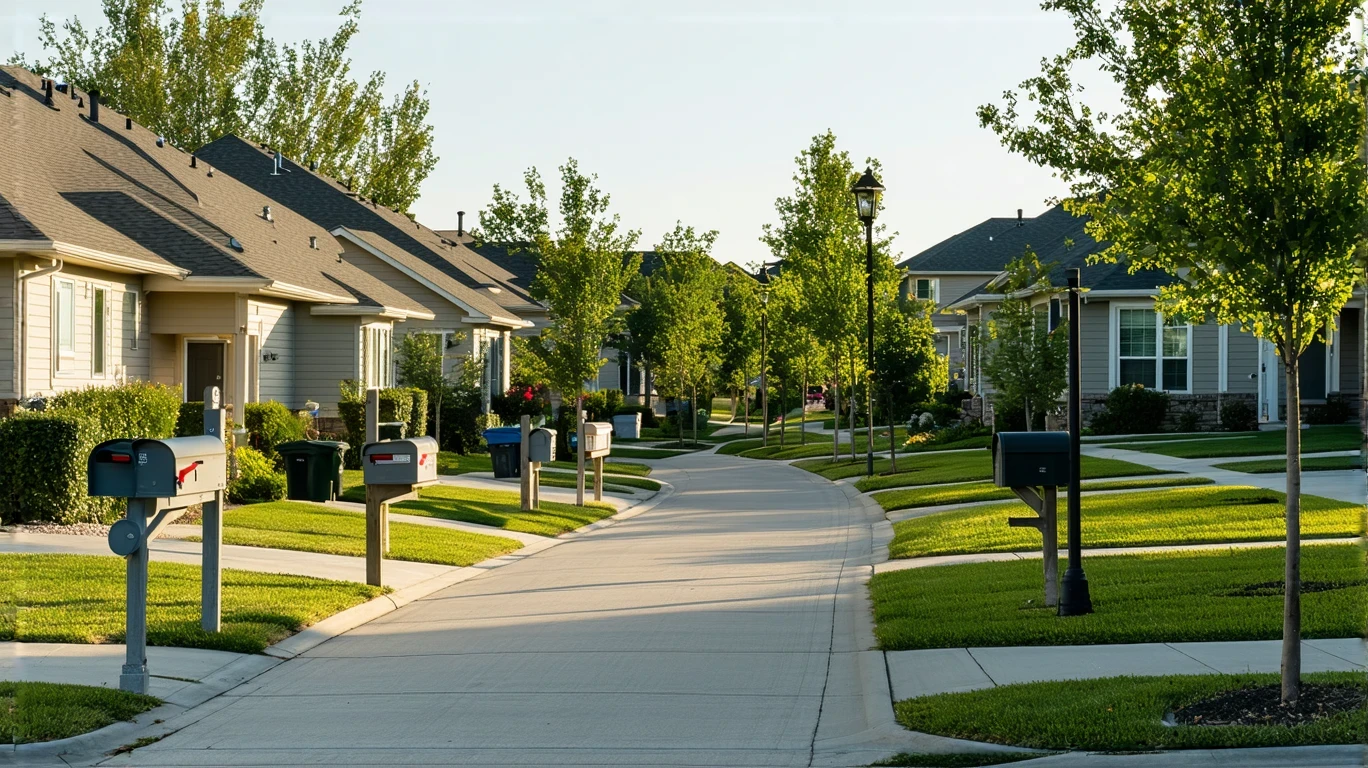
Locals tend to define comfort around a few recurring themes: space that doesn’t feel cramped, climate control that works when you need it, the ability to eat out or order in without guilt, and enough margin that you’re not tracking every purchase. Eastvale’s suburban layout assumes car ownership, private outdoor space, and single-family living—so comfort here often means affording the infrastructure that makes the place function as designed.
What comfort doesn’t mean: financial ease, freedom from tradeoffs, or immunity to monthly expenses. Even households well above the median income make deliberate choices about housing size, commute length, and discretionary spending. The difference is that comfortable households make those choices proactively, not reactively.
Where Income Pressure Shows Up First
Housing dominates the financial landscape in Eastvale. With a median home value of $676,500 and median gross rent at $2,965 per month, shelter costs claim a large share of income before anything else gets paid. For renters, that figure represents the baseline—before utilities, parking, or renters insurance. For owners, the mortgage is just the start: property taxes, homeowners insurance, and maintenance add layers of recurring cost that don’t always feel predictable.
Utility volatility surfaces quickly in Eastvale’s climate. Summers bring extended heat that pushes electricity costs upward as air conditioning runs longer and harder. At 31.91¢ per kilowatt-hour, the rate is steep enough that a household using typical cooling loads will notice the impact. Natural gas, priced at $21.89 per thousand cubic feet, matters less in a region where heating needs are modest—but the electricity rate alone creates seasonal budget pressure that households either absorb or adjust around.
Transportation costs layer on top. Eastvale’s layout and limited transit options mean most households depend on cars for daily errands, work commutes, and family logistics. Gas prices around $4.61 per gallon add up quickly, especially for households managing multiple vehicles or longer commutes into nearby employment centers. The time cost of driving—even when gas is affordable—also shapes how people experience their income. A shorter commute might mean higher housing costs but more usable hours in the day; a longer drive might ease rent pressure but erode time and energy.
For families, pressure points multiply. Playground density is high and parks are well-integrated, which helps with outdoor recreation—but school density is low, and accessing quality education options may require navigating enrollment logistics, transportation, or private alternatives. Childcare, extracurriculars, and the general cost of managing a household with kids all add friction that shows up as either money spent or time consumed.
How the Same Income Feels Different by Household
A single adult earning $80,000 gross annually—about $6,667 per month before taxes—can often find workable housing in Eastvale, especially if they’re willing to rent a room, take a smaller unit, or accept a longer commute in exchange for lower rent. Discretionary income exists, but it’s constrained by the fact that housing and transportation together consume a large share of take-home pay. Comfort is possible, but it requires deliberate choices and limited lifestyle expectations around dining out, travel, or savings velocity.
A couple earning $120,000 combined—roughly $10,000 gross per month—experiences Eastvale differently. They can afford median rent or a modest mortgage without exceeding traditional affordability heuristics, but they’re still making tradeoffs. Utility swings are noticeable but not destabilizing. They can absorb occasional surprises and maintain some discretionary spending, but they’re not insulated from financial friction. If both partners commute, transportation costs double. If one stays home or works part-time, income pressure tightens. The household works, but it doesn’t feel spacious.
Families earning $150,000 or more—around $12,500 gross per month—begin to experience a qualitative shift. Housing options expand meaningfully. Utility bills and gas prices remain visible but don’t dictate behavior. Childcare and school logistics are still expensive, but they don’t force impossible tradeoffs. Discretionary spending becomes more fluid, and the household can build savings or invest in quality-of-life improvements without constant recalibration. This is where comfort starts to feel consistent rather than conditional.
Households at similar income levels often experience very different pressure depending on how many people they’re supporting, whether they own or rent, how far they commute, and how much flexibility they expect month to month. Income alone doesn’t determine comfort—it’s how that income interacts with the specific costs and logistics of living in Eastvale.
The Comfort Threshold (Qualitative)
There’s a transition point in Eastvale where income stops feeling reactive and starts feeling like it provides options. It’s not a single number—it’s the point where housing costs no longer crowd out everything else, where utility bills don’t require monthly strategy, where transportation is a given rather than a calculated expense, and where discretionary choices feel like choices rather than luxuries.
At this threshold, households can absorb seasonal swings without adjusting behavior. They can eat out without budgeting each meal. They can replace a worn appliance or handle a car repair without scrambling. They can save consistently, even if modestly. They can afford the infrastructure—space, cooling, mobility—that makes Eastvale’s layout work as intended.
Below this threshold, households are constantly managing tradeoffs. They live in Eastvale, but they’re negotiating with it—choosing between comfort and cost, time and money, convenience and savings. Above it, the negotiation eases. The place starts to work with you instead of against you.
Where that threshold sits depends on household size, lifestyle expectations, debt load, and how much margin you need to feel secure. For some, it’s $130,000. For others, it’s $180,000. The number matters less than recognizing whether you’re above or below it—and whether you’re willing to live in the tradeoff zone if you’re not.
Why Online Cost Calculators Get Eastvale Wrong
Most cost-of-living calculators reduce Eastvale to a list of average expenses: median rent, typical utility bills, standard transportation costs, food budgets. They add these up, apply a rule of thumb, and output a “required income” figure that feels authoritative but misses how life actually works here.
The problem isn’t that the numbers are wrong—it’s that totals don’t explain pressure. A calculator might tell you that $8,000 per month covers expenses, but it won’t tell you that $2,965 in rent leaves little room for anything else if you’re earning $6,500 after taxes. It won’t explain that electricity costs spike in summer, that driving is non-negotiable, or that the layout assumes you have the income to support car ownership, private outdoor space, and single-family living.
Calculators also assume average behavior, which doesn’t account for how households actually adapt. Some people tolerate heat to avoid high electric bills. Others drive farther to access cheaper housing. Some families share vehicles or consolidate errands to manage gas costs. These adaptations are invisible in aggregate data, but they’re the difference between “affordable on paper” and “comfortable in practice.”
People feel surprised after moving to Eastvale not because they miscalculated expenses, but because they underestimated how those expenses interact with their specific household logistics, lifestyle expectations, and tolerance for tradeoffs. The cost structure isn’t hidden—it’s just more binding than it looks from a distance.
How to Judge Whether Your Income Fits Eastvale
Rather than asking “Is my income enough?”, ask yourself these questions:
Can you afford housing without it dictating every other decision? If rent or mortgage payments consume most of your take-home income, everything else—utilities, food, transportation, discretionary spending—becomes a negotiation. Comfort requires enough margin that housing is a large expense, not the only expense.
Can you absorb seasonal utility swings without changing behavior? Eastvale’s summer heat drives cooling costs upward. If a $200 spike in your electric bill forces you to adjust other spending or tolerate discomfort, that’s a signal that your income is tighter than the place assumes.
Is time or money your limiting factor? Eastvale’s car-dependent layout means you’ll spend time and money on transportation. If you’re commuting long distances to afford housing, you’re trading money for time. If you’re paying premium rent to shorten your commute, you’re trading time for money. Both strategies work—but only if you’re clear about which resource you’re willing to spend.
How much flexibility do you expect month to month? Comfortable households can handle surprises—a car repair, a medical bill, a higher-than-expected utility month—without restructuring their finances. If your budget only works when everything goes as planned, you’re operating with less margin than Eastvale typically requires.
Do your lifestyle expectations match what your income can support here? If you expect frequent dining out, regular travel, new vehicles, or private school tuition, your income needs are higher than if you’re comfortable with home cooking, modest recreation, and public school options. Neither expectation is wrong, but misalignment creates persistent dissatisfaction.
These questions won’t produce a number, but they’ll help you assess whether your income and expectations align with how Eastvale actually functions.
How this article was built: In addition to public economic data, this article incorporates location-based experiential signals derived from anonymized geographic patterns—such as access density, walkability, and land-use mix—to reflect how day-to-day living actually feels in Eastvale, CA.
FAQs About Living Comfortably in Eastvale
Is $100,000 a year enough to live comfortably in Eastvale?
For a single adult or a couple without children, $100,000 gross annually (about $8,333 per month before taxes) can work, but it requires deliberate choices around housing size, transportation, and discretionary spending. For a family, that income typically feels tighter, especially once childcare, school logistics, and the cost of managing a larger household enter the picture. Comfort is possible, but it’s conditional.
What income level do most Eastvale households earn?
The median household income in Eastvale is $151,615 per year. That figure reflects the middle of the distribution—half of households earn more, half earn less. It’s a useful reference point, but it doesn’t define comfort. Households below the median can live here, but they’re more likely to be managing tradeoffs. Households above it have more flexibility, but they’re not immune to financial pressure.
Do you need to own a home to feel comfortable in Eastvale?
No, but ownership and renting create different financial textures. Renters face the flexibility of lease terms but also the risk of rent increases and limited control over housing costs. Owners face higher upfront costs, maintenance responsibilities, and property tax exposure—but they gain stability and the ability to build equity. Comfort is possible in both scenarios, but the income required to feel secure differs depending on which path you take.
How much does it cost to cool a home in Eastvale during summer?
Electricity rates are 31.91¢ per kilowatt-hour, and extended summer heat means air conditioning runs frequently. A household using typical cooling loads might see monthly electric bills rise significantly during peak months. The exact cost depends on home size, insulation quality, thermostat settings, and tolerance for warmth—but the rate is high enough that cooling costs are a recurring budget consideration, not a background expense.
Can you live in Eastvale without a car?
Technically, yes—but practically, it’s difficult. Bus service is present, and some areas have moderate pedestrian infrastructure, but the layout assumes car ownership for daily errands, work commutes, and family logistics. Grocery density is high in some corridors, but accessing healthcare, schools, and employment typically requires driving. Households without cars face significant friction in managing day-to-day life.
Is Eastvale more expensive than nearby cities?
Eastvale’s housing costs and overall price structure reflect its position within the broader Inland Empire and Southern California market. It’s not an outlier, but it’s also not a discount alternative. Comparing specific expenses to nearby cities can reveal differences in rent, gas prices, or utility rates—but those differences are often smaller than people expect, and they don’t always translate into meaningfully lower pressure.
Eastvale can work well for some households—but only if expectations match reality. Comfort here isn’t about hitting a magic income number. It’s about understanding where pressure shows up, how your household navigates tradeoffs, and whether your income provides enough margin to absorb the costs and logistics that come with living in a car-dependent, climate-exposed, suburban layout priced within the Southern California market.