
“I thought being this close to Atlanta meant I could skip the second car. That lasted about two weeks.” That’s how one Duluth resident described the transportation reality here—a sentiment that captures the gap between proximity to a major metro and the day-to-day mobility structure of a suburban city built around driving.
Understanding transportation options in Duluth means recognizing that this is a car-first environment with moderate pedestrian infrastructure in select areas, but limited public transit penetration. The city’s layout, commercial corridors, and residential spread reflect decades of auto-oriented development, and while some pockets support walking for errands, most households depend on personal vehicles for work, school, and daily logistics.
This article explains how people actually get around Duluth, what transit access exists (and where it doesn’t), and which household types can realistically function here without a car. It won’t calculate commute costs or recommend specific routes—it’s about understanding the structure, tradeoffs, and daily friction that shape mobility in this part of Gwinnett County.
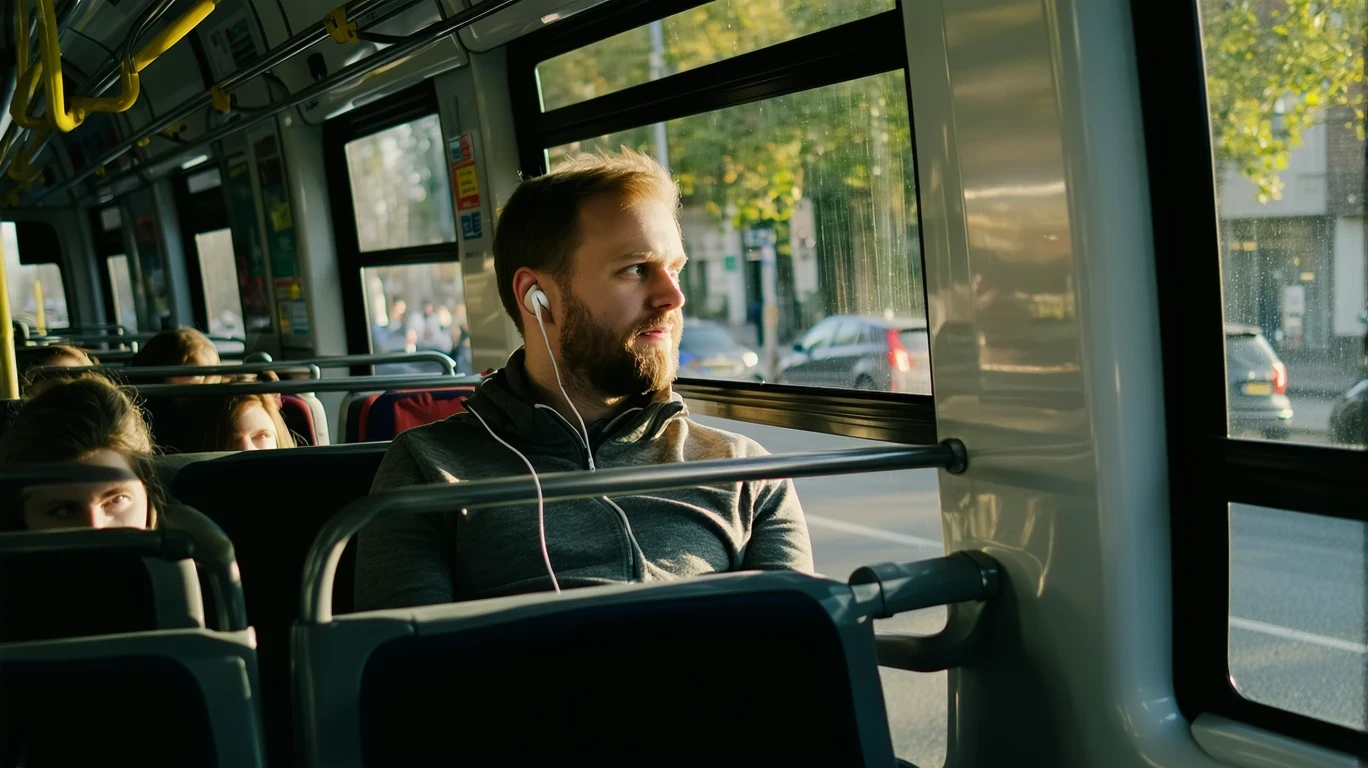
How People Get Around Duluth
Duluth operates as a car-dependent suburb with walkable commercial clusters. The pedestrian-to-road ratio sits in a moderate band, meaning sidewalks and crossings exist in developed areas, but they’re designed to connect parking lots and shopping centers rather than replace driving. Residential neighborhoods often feature cul-de-sacs and collector roads that funnel traffic onto arterials, making short trips by foot or bike less intuitive than they might appear on a map.
Most residents drive for nearly everything: work commutes, grocery runs, school drop-offs, and evening activities. The city’s commercial corridors—particularly along Pleasant Hill Road and Buford Highway—are lined with shopping centers, restaurants, and services, but these are oriented toward drivers, not pedestrians. You can walk within a plaza, but getting from one plaza to another typically requires a car.
The presence of mixed residential and commercial land use means that some errands are geographically close, but access friction remains. Food and grocery density falls into a moderate band, clustered along corridors rather than distributed evenly across neighborhoods. This creates a pattern where convenience depends heavily on which part of Duluth you live in and whether your daily destinations align with those corridors.
Newcomers often underestimate how much driving shapes daily routines here. Even households that prefer walking or transit find themselves relying on a vehicle within weeks, not because distances are extreme, but because the infrastructure prioritizes automotive flow over alternative modes.
Public Transit Availability in Duluth
Public transit plays a minimal role in Duluth’s transportation landscape. The city sits within the broader Atlanta metro region, where systems such as MARTA provide rail and bus service, but Duluth itself lies outside the core service area. Regional bus routes may pass through or near the city, but coverage is sparse, frequencies are low, and connections to employment centers or transit hubs require significant time and planning.
For residents who work in central Atlanta or along MARTA rail corridors, commuting by transit typically involves driving to a park-and-ride lot or transfer point, then continuing by bus or rail. This adds complexity, time, and exposure to schedule gaps. For those whose jobs are in Duluth or other suburban Gwinnett locations, transit is functionally unavailable.
Transit works best—when it works at all—for individuals with flexible schedules, jobs located near major transit nodes, and the ability to structure their day around limited service windows. It does not work for households managing school pickups, multi-stop errands, or jobs with non-standard hours.
The absence of frequent, reliable transit within Duluth itself means that even residents who are ideologically committed to car-free living face practical barriers that are difficult to overcome without significant lifestyle compromise.
Driving & Car Dependence Reality
Driving is not optional in Duluth—it’s the default mode for nearly every trip type. The city’s layout, characterized by moderate building heights, separated land uses, and corridor-based commercial development, makes car ownership a functional necessity for most households.
Parking is abundant and free in most contexts. Shopping centers, office parks, and residential complexes provide ample surface parking, and on-street parking constraints are rare outside of a few dense commercial nodes. This removes one of the typical friction points that might encourage alternative transportation modes in denser cities.
Commute flexibility depends entirely on car access. Residents who work in Duluth or nearby suburbs benefit from relatively short drive times, while those commuting into Atlanta face longer, traffic-dependent trips. The variability in commute length and congestion exposure creates a wide range of daily transportation experiences, but all of them assume vehicle access.
For households with multiple working adults or school-aged children, two cars are often necessary. Single-vehicle households face logistical challenges coordinating schedules, and car-free households are rare outside of specific demographic niches (students, temporary residents, or individuals with remote work arrangements).
Commuting Patterns & Daily Mobility
Commuting in Duluth typically follows one of three patterns: local suburban commutes within Gwinnett County, longer commutes into Atlanta or adjacent metro counties, or remote work arrangements that eliminate the daily commute entirely.
Local commuters benefit from proximity to employers in Duluth, Johns Creek, or Alpharetta, often facing drive times under 30 minutes in off-peak conditions. These commutes are car-dependent but relatively predictable, with congestion concentrated during morning and evening peaks on major corridors like I-85 and GA-400.
Longer commutes into central Atlanta or southward into DeKalb County involve greater time investment and exposure to interstate congestion. These trips are less predictable, more sensitive to accidents or weather, and harder to structure around non-work obligations. Households with these commute patterns often prioritize housing location based on highway access and tolerance for drive time variability.
Remote work has reshaped mobility for some residents, reducing or eliminating the daily commute and shifting transportation needs toward errands, recreation, and occasional office visits. For these households, Duluth’s car-oriented structure is less burdensome, though it still shapes where and how they access services.
Multi-stop trips—combining work, daycare, grocery shopping, and other errands—are common and require the flexibility that only personal vehicles provide in this environment. Transit cannot accommodate these patterns, and walking or biking would require significant time and route planning that most households cannot sustain.
Who Transit Works For—and Who It Doesn’t
Transit in Duluth works for a very narrow slice of residents: those with jobs located near MARTA stations or major bus routes, flexible schedules, and minimal need for mid-day mobility. Even within this group, transit is often a compromise rather than a preference, chosen for cost savings or parking avoidance rather than convenience.
Young professionals or students who work in central Atlanta and live near a park-and-ride lot may find transit viable, but they still need a car for errands, social activities, and weekend trips. Retirees or individuals with limited income may use transit out of necessity, but they face longer travel times and reduced access to services compared to car-owning peers.
Transit does not work for families with children, households with multiple jobs or non-standard hours, or anyone whose daily routine requires multi-stop trips. It also does not work for residents employed in suburban job centers, which represent the majority of employment in Gwinnett County.
Renters in Duluth face the same transportation constraints as homeowners. Proximity to commercial corridors may reduce driving frequency for errands, but it does not eliminate the need for a vehicle. Walkable pockets exist, but they are small, disconnected, and insufficient to support car-free living for most household types.
Transportation Tradeoffs in Duluth
Choosing between transit and driving in Duluth is less a tradeoff and more a forced decision. Driving offers control, flexibility, and access to the full range of employment, services, and activities in the region. Transit offers limited cost savings in exchange for significant time investment, schedule constraints, and reduced access.
For households that can afford a vehicle, driving is the rational choice. It reduces commute time, eliminates transfer friction, and allows for spontaneous or multi-stop trips. For households that cannot afford a vehicle, transit provides minimal coverage and forces difficult compromises around job access, childcare, and daily logistics.
Predictability favors driving. Traffic congestion is variable but manageable with route and timing adjustments. Transit schedules are fixed, and missed connections or service gaps create cascading delays that are harder to recover from.
The tradeoff is not between two viable options—it’s between a system designed for cars and a transit network that barely reaches Duluth. Households evaluating transportation in Duluth should assume car dependency and plan accordingly.
FAQs About Transportation in Duluth (2026)
Is public transit usable for daily commuting in Duluth?
Public transit is minimally viable for a small number of residents whose jobs are located near MARTA rail stations or major regional bus routes. For most people, transit is either unavailable or requires significant time and schedule compromise. Daily commuting in Duluth assumes car access.
Do most people in Duluth rely on a car?
Yes. The vast majority of Duluth residents depend on personal vehicles for work, errands, and daily mobility. The city’s layout, commercial structure, and limited transit coverage make car ownership functionally necessary for most households.
Which areas of Duluth are easiest to live in without a car?
No area of Duluth is designed to support car-free living. Some neighborhoods near commercial corridors allow for occasional walking trips to nearby shops or restaurants, but these pockets are small and do not eliminate the need for a vehicle for work, school, or broader errands.
How does commuting in Duluth compare to nearby cities?
Commuting in Duluth is similar to other suburban Gwinnett County cities: car-dependent, with drive times shaped by proximity to major highways and employment centers. Compared to central Atlanta, commutes are less transit-accessible but may involve shorter drive times for those working locally.
Can I get by with one car in a two-adult household in Duluth?
It depends on work locations, schedules, and household logistics. If both adults work in different directions or have non-overlapping hours, one car creates significant coordination challenges. Many two-adult households in Duluth find that two cars are necessary for practical daily functioning.
How Transportation Fits Into the Cost of Living in Duluth
Transportation in Duluth is not just a line item—it’s a structural factor that shapes housing choice, time allocation, and household flexibility. Car dependency means that vehicle ownership, fuel, insurance, and maintenance are unavoidable costs for most residents, and these expenses interact with housing decisions in ways that affect overall affordability.
Households that prioritize shorter commutes may pay more for housing closer to employment centers, while those willing to absorb longer drive times may find more affordable housing farther out. Either way, the tradeoff is between housing cost and transportation time, not between driving and transit.
For a fuller picture of how transportation costs fit into your monthly budget in Duluth, including how commuting interacts with housing, utilities, and other expenses, the Monthly Budget article provides numeric context and household-specific breakdowns.
Understanding transportation in Duluth means accepting that this is a car-oriented environment with limited alternatives. Households that plan for vehicle ownership, factor in commute variability, and choose housing with highway access in mind will find the city navigable. Those expecting walkable urbanism or robust transit will face friction that’s difficult to overcome.
How this article was built: In addition to public economic data, this article incorporates location-based experiential signals derived from anonymized geographic patterns—such as access density, walkability, and land-use mix—to reflect how day-to-day living actually feels in Duluth, GA.