
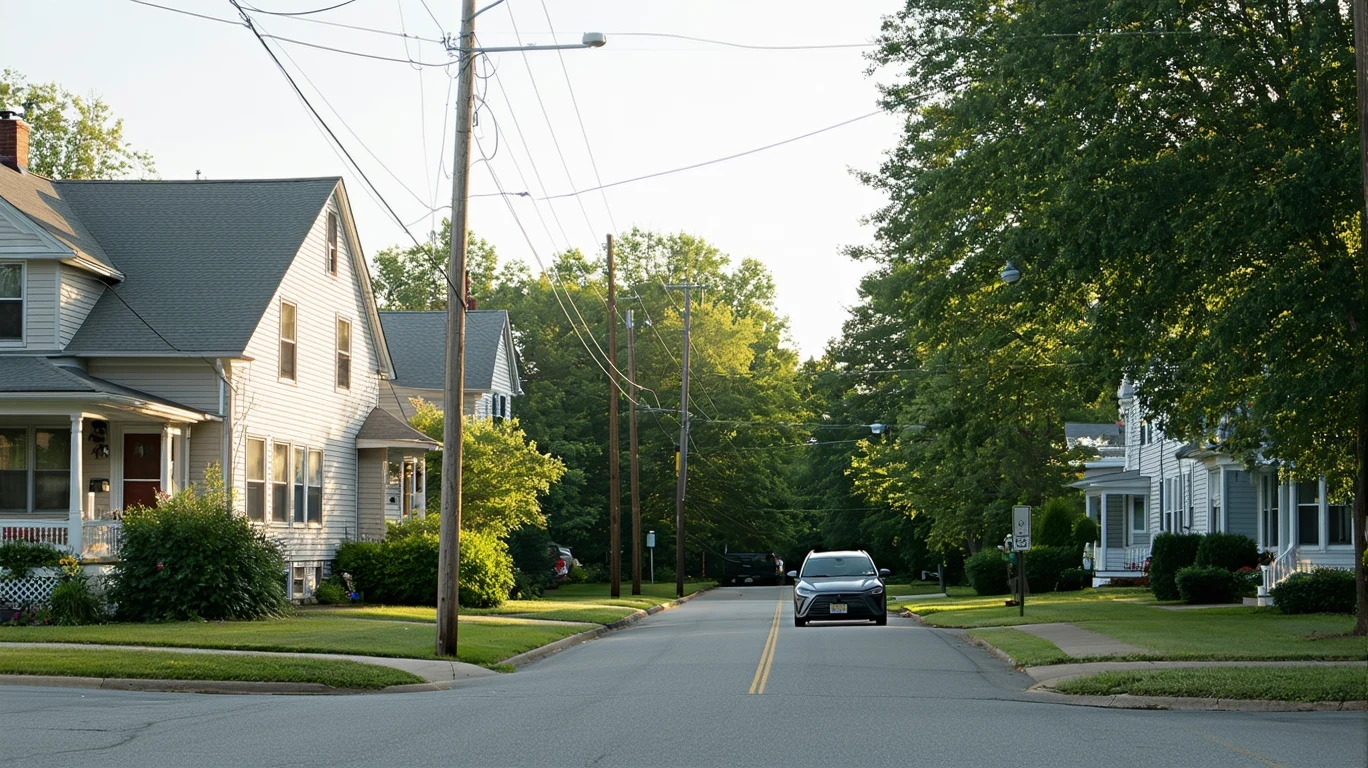
The Housing Market in Duluth Today
Duluth sits in the northeast corner of metro Atlanta, where suburban growth has layered residential neighborhoods alongside commercial corridors and mixed-use pockets. The median home value here is $334,800, positioning the city as accessible compared to closer-in Atlanta suburbs, yet still reflecting the broader metro’s upward price pressure. Median gross rent stands at $1,675 per month, a figure that commands attention in household budgets but remains workable for the area’s median household income of $88,915 per year.
What shapes Duluth’s housing market is its hybrid character: it’s neither purely low-density suburban nor densely urban. Both residential and commercial land use are present throughout the city, and building heights fall into a mixed range—some single-story retail and garden apartments, some mid-rise structures. This variety means housing options span detached single-family homes, townhomes, and apartment complexes, each with distinct cost profiles and tradeoffs.
Newcomers often misread Duluth as a uniform suburb. In reality, access to daily errands and services clusters along corridors rather than spreading evenly. Food and grocery density sits in a medium band, meaning some neighborhoods enjoy walkable convenience while others require intentional car trips. The pedestrian-to-road ratio also falls in a medium range, signaling that while sidewalks exist, the city isn’t structured for car-free living. For those evaluating Duluth’s overall cost structure, housing is the dominant line item, but how that cost behaves depends heavily on tenure choice and location within the city.
Renting in Duluth
At $1,675 per month for median gross rent, Duluth’s rental market reflects its position as a commuter-accessible suburb with employment both locally and in greater Atlanta. Rental pressure here is steady rather than explosive, supported by an unemployment rate of 3.2% and a relatively stable regional economy. Renters typically find a mix of apartment complexes—many built in the last two decades—and a smaller supply of single-family rentals or townhomes.
Because errands and groceries cluster along corridors rather than distributing evenly, renters who prioritize convenience should focus on proximity to these commercial spines. Living a mile or two away from a grocery-dense corridor can shift the daily experience from quick trips to planned excursions. The mixed pedestrian infrastructure means that even in better-connected areas, most households still rely on cars for errands, school runs, and commuting.
Rental cost behavior in Duluth follows the metro Atlanta pattern: lease renewals tend to reflect regional demand rather than hyperlocal scarcity, and volatility is moderate. Renters gain flexibility—particularly valuable in a city where access quality varies by neighborhood—but sacrifice control over long-term cost predictability and the ability to modify living space.
Owning a Home in Duluth
Ownership in Duluth begins with a median home value of $334,800, a price point that fits within reach for households earning near or above the city’s median income. Buyers here typically pursue single-family detached homes, townhomes, or occasionally condos, each carrying different governance and maintenance expectations.
Property taxes in Georgia are set at the county level, and while the specific rate for Gwinnett County (where Duluth sits) isn’t provided in the data, buyers should expect annual tax bills to represent a meaningful share of ownership costs. Unlike rent, which can shift at lease renewal, property taxes can change with reassessments, local millage rate adjustments, and voter-approved levies. Homeowners in Duluth face this exposure annually, and it compounds over time as home values appreciate or local budgets expand.
Homeowners’ associations are common in Duluth’s newer subdivisions and townhome communities, though prevalence varies. Where HOAs exist, they introduce both a recurring fee and a governance layer that can restrict exterior modifications, landscaping choices, and even paint colors. For some buyers, this structure preserves neighborhood consistency; for others, it’s a friction point that reduces autonomy.
Maintenance and repair costs in Duluth are shaped by the region’s climate—hot, humid summers and mild winters. Air conditioning systems work hard from late spring through early fall, and HVAC replacement or repair becomes a significant episodic cost. Roofs, siding, and exterior paint also degrade faster under sustained heat and humidity. Ownership here means budgeting not just for predictable upkeep but for the intensity of wear that comes with extended cooling seasons.
Apartment vs House in Duluth — Cost Behavior Comparison
| Expense Category | Apartment | House |
|---|---|---|
| Base Housing Cost | Median gross rent $1,675/month | Mortgage on $334,800 median home value |
| Cooling (Summer) | Lower—smaller conditioned space, shared walls reduce heat gain | Higher—larger square footage, more exterior surface area exposed to heat |
| Heating (Winter) | Minimal—mild winters, shared walls retain warmth | Noticeable but not dominant—detached homes lose more heat, but winter is short |
| Exterior Maintenance | Landlord responsibility—roof, siding, HVAC replacement covered | Owner responsibility—episodic costs for roof, HVAC, exterior paint due to heat/humidity stress |
| Governance | Lease terms limit modifications; landlord controls timing of upgrades | HOA rules common in newer subdivisions; restrict exterior changes but preserve uniformity |
Methodology note: This table includes only categories where cost behavior differs meaningfully in Duluth due to climate (extended cooling season, mild winter), housing stock (mix of apartments and single-family homes), or governance patterns (HOA prevalence in subdivisions). Categories like water, trash, or insurance were excluded because their variation is minimal or not distinctly local. The apartment figure reflects median gross rent from the data; the house figure references median home value as a baseline for mortgage calculation, which varies by down payment, rate, and term.
Utilities & Upkeep Differences
Duluth’s climate drives a clear split in utility exposure between apartments and houses. Summers here are long and hot, often reaching triple-digit heat indexes, which means air conditioning dominates household energy use from May through September. Electricity rates sit at 13.67¢/kWh, and while that’s close to the national average, the intensity of cooling demand in a detached house—especially one with poor insulation or an aging HVAC system—can push monthly bills well above what apartment dwellers experience.
For illustrative context, a typical household using around 1,000 kWh per month would face a bill near $137 before fees and taxes, but houses in Duluth often exceed that usage during peak summer months due to larger conditioned space and greater heat exposure. Apartments benefit from shared walls, smaller square footage, and sometimes centralized or landlord-controlled HVAC, all of which reduce both usage and unpredictability.
Heating costs are far less significant. Natural gas prices stand at $16.56 per MCF, but mild winters mean most households use minimal gas for heating. Even in a house, winter utility bills rarely rival summer cooling expenses.
Maintenance differences extend beyond utilities. Houses in Duluth face sustained wear from heat and humidity: roofs degrade, exterior paint fades, and HVAC systems cycle more frequently than in milder climates. Apartment renters avoid these episodic costs entirely, as landlords bear responsibility for major repairs. Homeowners must budget not only for routine upkeep but for the accelerated replacement cycles that come with the region’s climate stress.
Rent vs Buy: Long-Term Exposure in Duluth
The choice between renting and buying in Duluth hinges on predictability, control, and exposure to different types of cost volatility. Renters face the risk of lease renewal increases, which tend to track metro Atlanta demand rather than Duluth-specific conditions. This means rent can shift year to year, sometimes significantly, and tenants have no mechanism to lock in long-term costs. However, renters also avoid property tax increases, special assessments, and the episodic costs of major home repairs.
Homeowners, by contrast, lock in their mortgage payment (if financed with a fixed-rate loan), which provides a stable anchor for monthly budgeting. But ownership introduces other exposures that grow over time. Property taxes can rise with reassessments or millage rate changes. Homeowners’ association fees, where applicable, can increase to cover neighborhood improvements or reserve fund shortfalls. And maintenance costs—particularly HVAC replacement, roof repair, and exterior work—arrive unpredictably but inevitably, often in clusters.
In Duluth’s mixed-density environment, ownership also offers control over location within the city. Because errands and services cluster along corridors, buying in a well-positioned neighborhood can reduce daily friction and car dependency, a benefit renters may struggle to secure without frequent moves. Ownership rewards those who can absorb short-term cost shocks in exchange for long-term stability and the ability to modify their living space.
Renters, meanwhile, retain flexibility to relocate as their needs shift—particularly valuable in a city where access quality varies by neighborhood. For households uncertain about long-term plans, or those prioritizing liquidity over equity, renting remains the lower-risk path despite its lack of cost predictability.
How Duluth’s Structure Shapes Daily Housing Costs
Duluth’s layout—a mix of residential neighborhoods and commercial corridors—directly affects how housing costs translate into daily life. Because food and grocery options cluster along specific routes rather than spreading evenly, where you live determines how much time and fuel you spend on errands. A household located near a grocery-dense corridor can make quick trips on the way home from work; a household two miles away in a purely residential pocket must plan dedicated outings.
This pattern matters more for homeowners than renters. Renters can move at lease end if a location proves inconvenient, but homeowners are locked in unless they’re willing to sell and absorb transaction costs. The city’s pedestrian infrastructure—moderate but not comprehensive—means that even in better-connected areas, most errands still require a car. Sidewalks exist, but they don’t form a continuous network that supports car-free grocery runs or school drop-offs.
For families, the presence of schools at moderate density and a hospital within city limits reduces some logistical friction, but day-to-day household management still revolves around driving. This car dependency doesn’t add a line item to the housing budget directly, but it shapes how housing location interacts with transportation costs, time costs, and convenience. A cheaper house in a less-connected neighborhood may cost less upfront but demand more fuel, more driving time, and more planning to manage routine tasks.
How this article was built: In addition to public economic data, this article incorporates location-based experiential signals derived from anonymized geographic patterns—such as access density, walkability, and land-use mix—to reflect how day-to-day living actually feels in Duluth, GA.
FAQs About Housing Costs in Duluth
Is renting or buying more common in Duluth, GA?
Ownership is more prevalent in Duluth, particularly in single-family subdivisions and townhome communities. Renting is common in apartment complexes near commercial corridors, especially among younger professionals and those commuting to Atlanta. The choice often hinges on income stability, timeline, and whether proximity to specific corridors matters more than long-term cost control.
How do property taxes in Duluth compare to other Atlanta suburbs?
Duluth falls within Gwinnett County, where property tax rates are set at the county level. While the specific rate isn’t provided here, Gwinnett’s rates are generally competitive with other metro Atlanta counties. Buyers should verify the current millage rate and factor in potential reassessment increases, as property values in the area have appreciated steadily over the past decade.
Do most homes in Duluth have HOAs?
Many newer subdivisions and townhome developments in Duluth include homeowners’ associations, but prevalence varies. Older single-family neighborhoods and some detached home areas operate without HOAs. Buyers should review HOA fees, rules, and financial health before committing, as these associations can restrict modifications and introduce recurring costs.
What drives utility costs higher in Duluth houses compared to apartments?
Duluth’s extended cooling season—often running from late spring through early fall—means air conditioning dominates energy use. Houses have more exterior surface area, larger conditioned spaces, and no shared walls to buffer heat gain, all of which increase electricity consumption. Apartments benefit from smaller square footage and shared walls, which naturally reduce cooling demand and stabilize bills.
How does Duluth’s layout affect where I should rent or buy?
Because groceries and daily errands cluster along corridors rather than spreading evenly, location within Duluth significantly affects convenience. Renters can test neighborhoods and move at lease end; buyers should prioritize proximity to these corridors if minimizing drive time and fuel costs matters. The city’s mixed pedestrian infrastructure means most households will rely on cars regardless, but shorter trips reduce friction and expense over time.
Making Housing Choices in Duluth
Housing in Duluth rewards careful matching of cost structure to household priorities. Renters gain flexibility and avoid maintenance exposure, a strong fit for those still exploring the metro or uncertain about long-term plans. Owners lock in mortgage costs and gain control over location and modifications, but they absorb property tax volatility, HOA governance, and the episodic costs of maintaining a home in a hot, humid climate.
The city’s mixed-density layout and corridor-clustered errands mean that where you live within Duluth matters as much as whether you rent or buy. Proximity to grocery-dense corridors reduces daily friction and fuel costs; distance from those corridors increases planning burden and car dependency. For families prioritizing school access and healthcare proximity, Duluth offers moderate infrastructure and a hospital within city limits. For those seeking walkable, car-optional living, the city’s pedestrian network and land-use mix fall short of that threshold.
Ultimately, housing costs in Duluth are shaped not just by rent or mortgage payments but by the interaction of climate, location, governance, and maintenance exposure. Understanding these tradeoffs—and how they align with your household’s timeline, income stability, and daily routines—determines whether Duluth’s housing market fits your needs or introduces friction you’d rather avoid.