
Is Draper the kind of place you grow roots—or just pass through? For many, the answer depends less on what Draper has and more on what it asks. This city at the southern edge of the Salt Lake Valley offers a compelling mix: mountain views, strong schools, and outdoor access within reach. But it also demands financial commitment, patience with growth, and comfort with a car-dependent suburban rhythm—even as pockets of walkability and rail access begin to reshape how some residents move through daily life.
Understanding whether Draper feels like home requires looking past the statistics and into the emotional tradeoffs that define life here. Who tends to thrive? Who feels the friction? And what keeps coming up in the conversations locals have about their city?
The Emotional Landscape of Draper
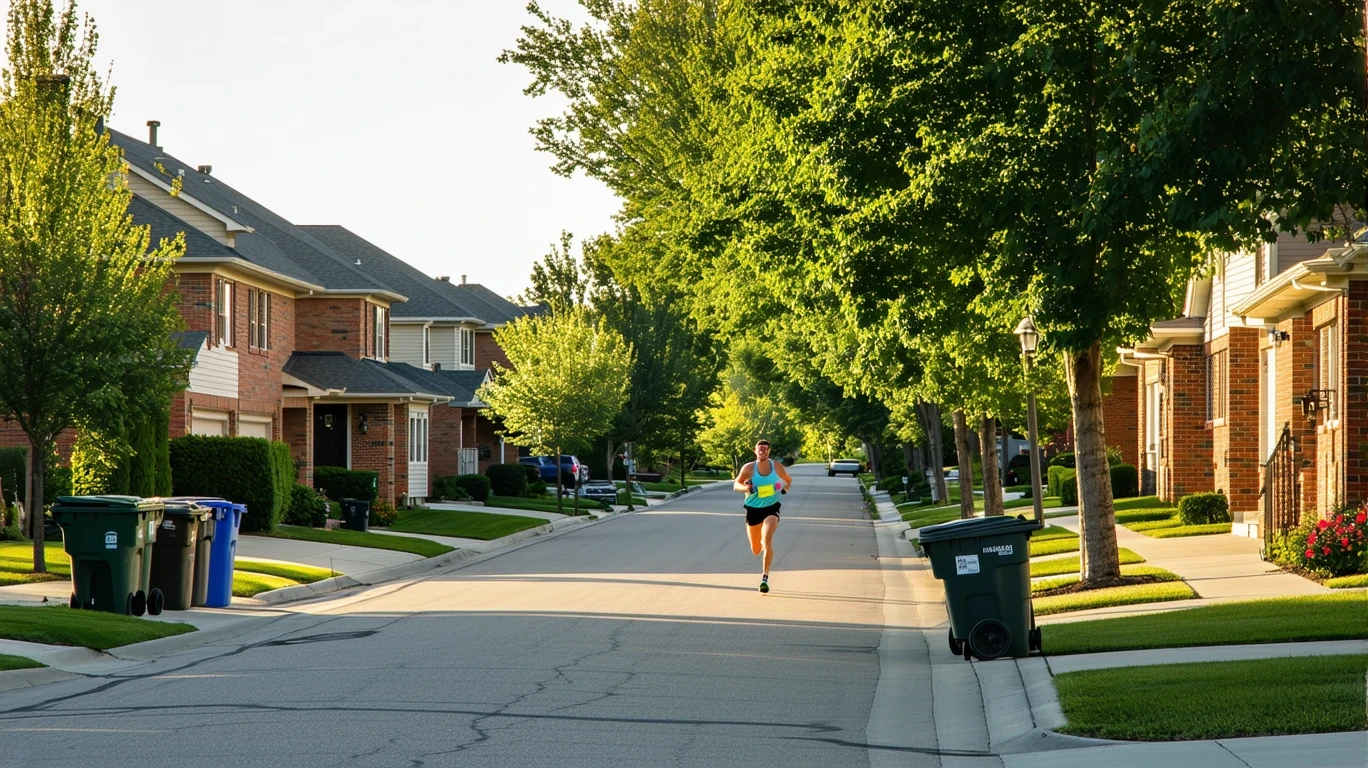
Draper’s vibe is rooted in a specific promise: space, safety, and proximity to nature without sacrificing access to the broader Salt Lake metro. For families with school-age children, this tends to feel like alignment. The city’s infrastructure supports routines—parks are plentiful and well-maintained, schools draw consistent praise, and neighborhoods feel predictable in a way that reduces daily friction. People who wanted a place to settle, not experiment, often describe Draper as delivering exactly that.
But the city’s rapid growth over the past two decades has introduced tension. Long-time residents express nostalgia for a quieter, smaller Draper, while newcomers appreciate the amenities that development has brought. The result is a community caught between identities: no longer a sleepy suburb, not yet a dense urban node. That in-between space creates emotional dissonance for people on both sides.
Financially, Draper asks a lot. Housing costs reflect desirability, and while household incomes tend to be higher here than in many neighboring cities, the gap between earnings and housing pressure still shapes who can comfortably stay. Renters, especially, report feeling the squeeze—paying premium prices for suburban convenience without the equity-building upside of ownership.
Social Media Buzz in Draper
Online, Draper’s personality comes through in waves of pride, protectiveness, and occasional exasperation. Local Facebook groups and regional subreddit threads reveal a community that cares deeply about maintaining what it has, even as it debates what comes next.
Outdoor recreation dominates the positive sentiment. Residents frequently share trail recommendations, sunrise photos from the foothills, and weekend plans that revolve around proximity to the Wasatch Range. The mountains aren’t just scenery here—they’re a lifestyle anchor, and people who moved to Draper specifically for that access tend to feel validated.
“We chose Draper because we wanted our kids to grow up hiking, not just playing in a backyard. It’s exactly what we hoped for.”
Growth and traffic, however, generate the most friction. Conversations about new developments, road congestion, and the pace of change carry a tone of fatigue. People aren’t necessarily opposed to growth—they’re frustrated by the feeling that it’s happening to them rather than with them.
“It feels like every time we get used to the commute, another neighborhood goes up and the roads get worse.”
There’s also a thread of self-awareness. Some residents acknowledge that Draper’s appeal has made it a victim of its own success, attracting more people than its infrastructure was designed to handle. That recognition doesn’t eliminate the irritation, but it does temper the blame.
Local News Tone
Coverage of Draper tends to frame the city through the lens of transition. Stories focus less on crisis and more on evolution—how the city is managing growth, what new amenities are arriving, and how residents are responding to change. The tone is generally constructive, though not without underlying tension.
Simulated topic buckets that capture the recurring themes include:
- “New Retail and Dining Options Reshape City Center”
- “Residents Debate Density: What Does Draper Want to Be?”
- “Trail Access and Open Space Remain Top Priorities”
- “Commute Times Lengthen as Development Continues”
- “Schools Draw Families, but Housing Costs Create Barriers”
These themes reflect a city in negotiation with itself. Draper is no longer the small, quiet suburb it once was, but it hasn’t fully embraced urbanization either. The result is a community trying to preserve what made it attractive while accommodating the people that attractiveness has drawn.
Review-Based Public Perception
On platforms like Google Reviews, Yelp, and Nextdoor-style forums, Draper earns praise for the things it was designed to deliver: safety, cleanliness, and family-friendly infrastructure. Parents consistently highlight the quality of schools and the abundance of parks. People who wanted suburban predictability tend to feel they got it.
“We moved here for the schools and the neighborhoods, and we haven’t been disappointed. It’s exactly the kind of place we wanted to raise our kids.”
But expectations matter. Residents who arrived hoping for walkable errands, diverse dining, or vibrant nightlife often express mild disappointment. Draper’s infrastructure supports car-based convenience more than pedestrian spontaneity, and while pockets of walkability exist—particularly near rail stations and mixed-use corridors—the city as a whole still requires a vehicle for most daily tasks.
“It’s fine if you’re okay driving everywhere, but don’t expect to walk to coffee or grab dinner without planning ahead.”
Newer planned neighborhoods tend to draw more favorable reviews than older pockets, largely because they were built with modern amenities in mind: parks, trails, and community centers integrated from the start. Older areas, while often more affordable, can feel disconnected from the infrastructure that defines Draper’s current identity.
Cost is a recurring undercurrent. Even positive reviews often include a caveat about affordability, with residents acknowledging that Draper’s quality of life comes at a price that not everyone can sustain.
Comparison to Nearby Cities
| Dimension | Draper | Sandy | South Jordan |
|---|---|---|---|
| Overall Vibe | Suburban comfort with outdoor focus | Established, more urban-adjacent | Family-oriented, newer development |
| Housing Tone | Premium pricing, space prioritized | More variety, older stock available | Newer builds, planned communities |
| Walkability Feel | Pockets near rail, mostly car-dependent | More walkable near downtown core | Limited, car-oriented layout |
| Outdoor Access | Immediate mountain proximity | Good trail access, slightly farther | Parks plentiful, mountains more distant |
| Growth Sentiment | Rapid, sometimes overwhelming | Steady, more absorbed | Ongoing, expected by residents |
Choosing between Draper, Sandy, and South Jordan often comes down to what you’re willing to trade. Draper offers the most direct mountain access and a strong sense of suburban order, but it asks the highest financial commitment and comes with the most acute growing pains. Sandy provides more urban texture and walkable pockets, appealing to people who want a bit more density without leaving the valley. South Jordan leans even further into planned suburban life, with newer infrastructure and a more predictable rhythm, though it sacrifices some of the mountain immediacy that defines Draper’s identity.
If you value outdoor recreation above all else and can afford the entry point, Draper tends to feel like the right fit. If you want more walkability or a slightly grittier, less polished vibe, Sandy might align better. If you prefer the newest builds and don’t mind a bit more distance from the mountains, South Jordan offers a similar family-oriented experience with less growth friction.
What Locals Are Saying
“We love the trails and the views, but the traffic has gotten noticeably worse. It’s still worth it, but it’s not the quiet escape it used to be.”
“Draper is perfect if you have kids and a solid income. If you’re renting or just starting out, it can feel like you’re paying a lot for not much variety.”
“I work remotely, and being able to hike before my first meeting is a game-changer. That alone makes the cost worth it for me.”
“The schools are great, the parks are clean, and the neighborhoods feel safe. It’s exactly what we wanted, even if it’s more expensive than we originally planned.”
“I miss the old Draper—when it felt like a small town. Now it’s just another suburb with chain restaurants and traffic.”
“If you’re okay with driving everywhere and you love the outdoors, you’ll probably be happy here. If you want walkable streets or a nightlife scene, look elsewhere.”
“We moved here from out of state, and it’s been a good fit. The community feels welcoming, and the access to quality of life factors like trails and parks is better than we expected.”
Does Draper Feel Like a Good Fit?
Draper’s emotional profile is one of alignment for a specific kind of household: families with stable income, outdoor enthusiasts who prioritize mountain access, and people who value suburban predictability over urban texture. For these groups, the city delivers on its promise, even if growth and cost create occasional friction.
But Draper tends to frustrate people who arrived expecting something different—renters stretched by high costs, urbanists seeking walkable density, or long-time residents mourning the loss of small-town quiet. The city’s infrastructure, while improving in pockets, still leans heavily on car dependency for most daily tasks, and the pace of development can feel relentless to those who preferred the slower rhythm of the past.
Despite suburban character, Draper shows pockets of walkability and rail access that reduce total car dependency for some errands. Families benefit from distributed parks and schools, and mixed land use creates convenience corridors rather than requiring all trips to distant centers. These structural shifts are beginning to reshape how some residents experience daily life, offering a middle ground between total car reliance and urban walkability.
Ultimately, Draper works best for people who can afford its entry point and who value what it prioritizes: space, safety, schools, and mountains. If those align with your needs, the city’s tradeoffs—traffic, cost, and growth friction—tend to feel manageable. If they don’t, the same features that make Draper appealing to others may leave you feeling like you’re paying a premium for the wrong things.
For a clearer sense of how costs break down month to month, explore your monthly budget in Draper. And if you’re weighing whether the city’s lifestyle offerings justify the financial ask, consider how lifestyle needs align with what Draper delivers.
How this article was built: In addition to public economic data, this article incorporates location-based experiential signals derived from anonymized geographic patterns—such as access density, walkability, and land-use mix—to reflect how day-to-day living actually feels in Draper, UT.
The perspectives shown reflect commonly expressed local sentiment and recurring themes in public discussion, rather than individual accounts.