
How much is enough to feel at ease? In Draper, the answer depends less on a single number and more on how your household navigates housing tradeoffs, absorbs seasonal swings, and manages the time-versus-money tension that defines daily life here. Comfort isn’t universal—it’s the point where costs stop dictating your choices and you gain room to breathe.
What “Living Comfortably” Means in Draper
Comfort in Draper means securing housing without sacrificing space or location, absorbing winter heating bills without adjusting the thermostat, and commuting without constantly calculating fuel costs or time lost. It means choosing where to shop based on preference rather than proximity, and having enough margin that an unexpected expense doesn’t cascade into other decisions.
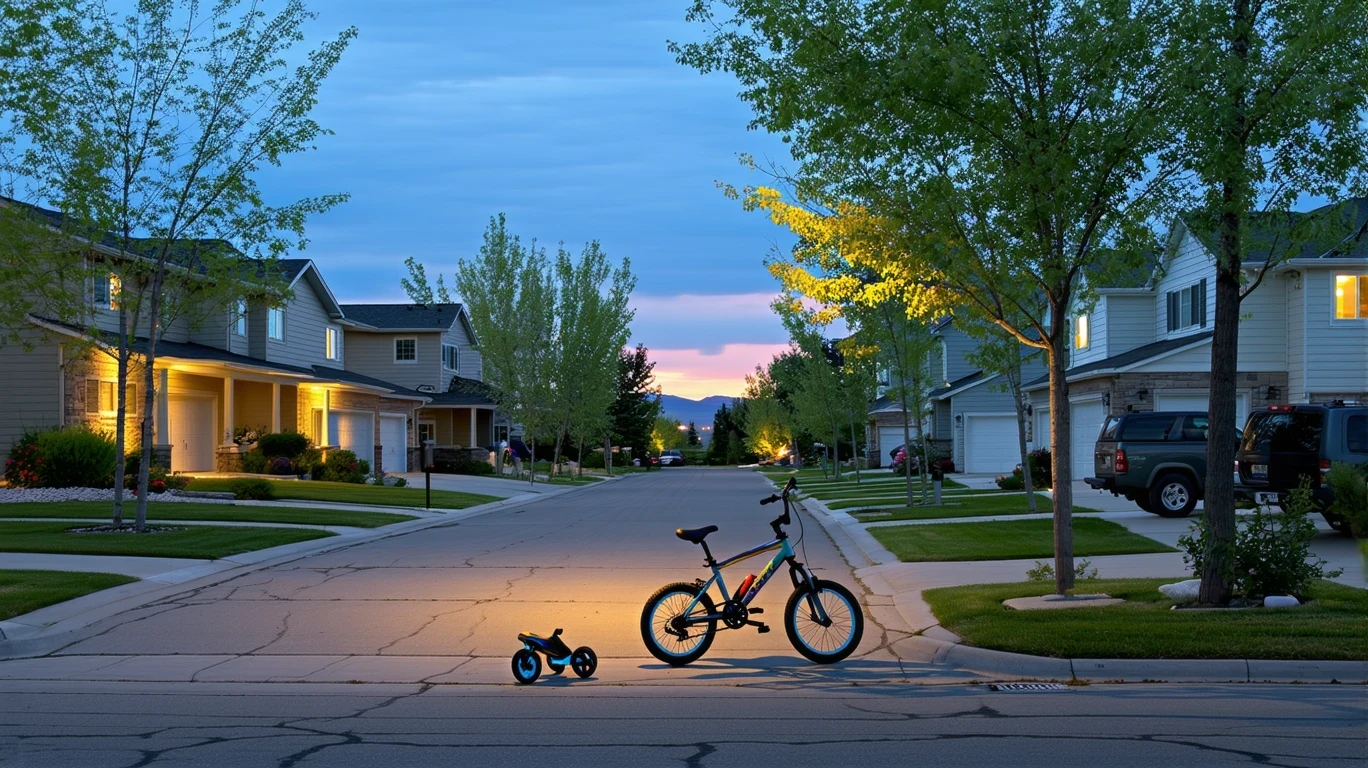
Expectations here are shaped by suburban norms: detached homes, private yards, and car-dependent routines for most households. Walkable pockets exist, and rail transit offers some flexibility, but the majority of errands and commutes still require driving. Parks are plentiful and well-integrated, schools and playgrounds are accessible, and the physical environment supports family life—but none of that reduces the baseline cost of entry.
Comfort is contextual. What feels secure for a single adult in a smaller rental near transit may feel constrained for a family needing space, a yard, and proximity to schools. The threshold isn’t income alone—it’s whether your income can cover the specific lifestyle Draper’s structure demands.
Where Income Pressure Shows Up First
Housing dominates financial pressure in Draper. The median home value sits at $663,400, and median gross rent is $1,735 per month. For buyers, that value translates into significant mortgage obligations, property taxes, insurance, and maintenance—all of which compound over time. For renters, that monthly figure is the floor, and it doesn’t include utilities, parking, or renewal increases.
Households earning below the median household income of $126,041 per year often face stark tradeoffs: smaller units, longer commutes from more affordable areas, or shared housing arrangements. Those tradeoffs ripple outward—longer drives mean more fuel costs and time lost, while smaller spaces increase the friction of daily routines, especially for families.
Utility volatility adds seasonal pressure. Cold winters in Draper mean heating costs rise, and natural gas prices of $11.40 per MCF combine with extended heating seasons to create bills that swing noticeably from month to month. Electricity rates of 13.69¢ per kWh are moderate, but usage climbs during temperature extremes. Households without margin absorb these swings by adjusting behavior—lowering thermostats, delaying other purchases, or stretching budgets elsewhere.
Transportation costs are less about fuel prices—$2.59 per gallon is manageable—and more about time and distance. The average commute is 23 minutes, but 31.6% of workers face long commutes, and only 3.0% work from home. That means most households drive daily, often multiple times, for work, errands, and family logistics. Corridor-clustered food and grocery options mean planning ahead; spontaneous stops are less common, and convenience comes at the cost of time or extra trips.
For families, pressure compounds. Strong family infrastructure—schools, playgrounds, and parks—reduces logistical friction, but it doesn’t reduce housing costs. Larger homes cost more to buy or rent, heat, cool, and maintain. Integrated green space is a quality-of-life asset, but it doesn’t offset the financial weight of raising children in a place where housing and transportation costs claim large shares of income.
How the Same Income Feels Different by Household
Households at similar income levels often experience very different pressure depending on size, structure, and expectations.
Single adults face housing costs that claim a larger share of income, but they gain flexibility. Walkable pockets and rail access offer some car-optional lifestyle in limited areas, reducing transportation costs for those who can secure housing near transit. Smaller units are easier to heat and cool, and one person’s errands require less coordination. Still, the baseline cost of housing in Draper is high, and single earners without significant income feel the squeeze acutely, especially if they want space, privacy, or proximity to work.
Couples benefit from dual income, which eases housing pressure but doesn’t eliminate tradeoffs. Two earners mean two commutes to coordinate, and with low work-from-home rates and a significant share of long commutes, transportation time and costs add up. Shared utility bills help absorb winter heating swings, and two incomes create more margin for unexpected expenses. Comfort arrives sooner for couples than for single adults, but it still requires both earners to contribute consistently.
Families face the most complexity. Strong family infrastructure and integrated parks support daily life, but housing size needs amplify cost pressure. Larger homes mean higher purchase prices, rents, utilities, and maintenance. Corridor-clustered errands mean planning and driving remain central to household logistics—spontaneous trips are rare, and efficiency requires foresight. Schools and playgrounds reduce childcare friction, but they don’t reduce the financial weight of raising children in a place where housing and transportation dominate expenses. Families need significantly higher income to feel comfortable, and even then, tradeoffs persist.
The Comfort Threshold (Qualitative)
Comfort begins when housing costs no longer force location or size compromises, when seasonal utility swings can be absorbed without behavior changes, and when commute time or fuel costs don’t dictate job or errand decisions. It’s the point where bills stop driving daily choices and you gain room to save, plan, and choose.
For single adults, comfort means securing a rental or small home near walkable pockets or transit without stretching every paycheck. For couples, it means both earners can commute without constant time-versus-money calculations, and winter heating bills don’t force budget reshuffling. For families, it means affording the space children need, absorbing the higher utility and maintenance costs that come with larger homes, and managing the logistics of school, errands, and activities without financial strain.
Comfort isn’t luxury—it’s stability. It’s the absence of constant tradeoff pressure, the ability to absorb volatility, and the margin to make decisions based on preference rather than necessity. In Draper, that threshold varies widely by household type, but it always requires income well above the point where housing, utilities, and transportation costs leave little room for anything else.
Why Online Cost Calculators Get Draper Wrong
Most cost-of-living calculators produce a single total or “required income” figure, but totals mislead because they obscure the structure of pressure. Draper’s costs aren’t evenly distributed—housing dominates, transportation time adds hidden friction, and seasonal utility swings create volatility that averages can’t capture. A calculator might suggest a household needs a certain income to “afford” Draper, but it won’t explain whether that income covers a long commute, a larger home for children, or the margin to absorb winter heating bills without stress.
Lifestyle assumptions matter more than totals. Calculators assume generic household behavior—average commutes, average housing size, average utility usage—but Draper’s structure demands specificity. Walkable pockets and rail transit exist, but most households still drive daily. Corridor-clustered errands mean planning ahead, and low work-from-home rates mean commuting is nearly universal. A household that fits the “average” profile might feel comfortable, but one with different needs—more space, shorter commutes, or less driving—will experience very different pressure at the same income level.
People feel surprised after moving because calculators don’t explain tradeoffs. They see a total, compare it to their income, and assume it will work—but they don’t anticipate the friction of driving everywhere, the seasonal swings in heating costs, or the limited housing options within their budget. Comfort isn’t about hitting a number; it’s about whether your income can cover the specific lifestyle Draper’s structure demands, and whether the tradeoffs required to stay within budget are ones you’re willing to make.
How to Judge Whether Your Income Fits Draper
Instead of asking “Is my income enough?” ask these questions:
- How sensitive are you to housing tradeoffs? Can you accept a smaller home, a longer commute, or a less desirable location to stay within budget, or do you need space, proximity, and privacy to feel settled?
- Can you absorb seasonal utility swings? Will winter heating bills force you to adjust thermostats or delay other purchases, or do you have enough margin to pay them without stress?
- Is time or money your limiting factor? Can you afford the time cost of commuting and driving for errands, or do you need proximity and convenience even if it costs more?
- How much flexibility do you expect month to month? Do you need predictable, stable expenses, or can you handle volatility and adjust spending as costs shift?
- What does comfort mean to you? Is it financial margin, time saved, space for your household, or access to parks and schools? Draper offers some of these more easily than others.
Your answers reveal whether your income and expectations align with what Draper actually costs and how it actually works. Comfort isn’t guaranteed by income alone—it’s the result of income meeting the specific demands of place and lifestyle.
FAQs About Living Comfortably in Draper
Is the median household income enough to live comfortably in Draper?
The median household income is $126,041 per year. For some households—especially couples without children or single adults with modest space needs—that income provides meaningful margin. For families needing larger homes, or households facing long commutes and high transportation costs, it may cover expenses but leave little room for volatility or unexpected costs. Comfort depends on household size, housing expectations, and how much margin you need to feel secure.
Can a single earner afford to live in Draper?
Single earners face the highest pressure because housing costs claim a larger share of income. Median gross rent of $1,735 per month is a significant baseline, and homeownership at a median value of $663,400 requires substantial income and savings. Single adults with income well above the median, or those willing to accept smaller units or shared housing, can make it work—but comfort requires income that leaves room beyond rent, utilities, and transportation.
Do families need significantly more income to feel comfortable?
Yes. Families face compounded costs: larger homes cost more to rent or buy, heat, cool, and maintain. Strong family infrastructure and integrated parks reduce logistical friction, but they don’t reduce financial pressure. Corridor-clustered errands mean driving and planning are central to daily life, and low work-from-home rates mean most parents commute. Families need income that covers not just baseline expenses, but the size, space, and margin required to manage household complexity without constant tradeoff pressure.
How much do seasonal utility costs affect comfort?
Cold winters in Draper mean heating costs rise noticeably, and natural gas prices of $11.40 per MCF combine with extended heating seasons to create bills that swing from month to month. Households with margin absorb these swings without adjusting behavior. Those without margin lower thermostats, delay purchases, or stretch budgets elsewhere. Comfort means having enough income that seasonal volatility doesn’t force you to choose between warmth and other needs.
Does Draper’s walkability or transit access reduce the income needed?
Walkable pockets and rail transit exist, and they offer some car-optional lifestyle in limited areas—but most households still drive daily. Corridor-clustered errands, low work-from-home rates, and a significant share of long commutes mean transportation remains a central cost and time factor for the majority of residents. Walkability and transit reduce pressure for those who can access them, but they don’t fundamentally change the income threshold for comfort across the city as a whole.
How this article was built: In addition to public economic data, this article incorporates location-based experiential signals derived from anonymized geographic patterns—such as access density, walkability, and land-use mix—to reflect how day-to-day living actually feels in Draper, UT.
Draper can work well for some households—but only if expectations match reality. Comfort here isn’t guaranteed by income alone; it’s the result of income meeting the specific demands of housing, transportation, and seasonal volatility that define life in this place. If your household can absorb those demands without constant tradeoff pressure, Draper offers strong infrastructure, integrated green space, and a stable economy. If not, the friction will show up quickly, and the gap between income and comfort will feel wider than the numbers alone suggest.