
Can you stay under $100 on a grocery run in Doral? For some households, that’s a realistic midweek restock. For others—especially families buying for four or five—it’s a challenge that requires intentional store choice and a sharp eye on unit prices. Grocery costs in Doral don’t follow a single script. What you pay depends less on the city’s baseline prices and more on where you shop, how much volume you’re moving through your kitchen each week, and whether your household can absorb waste or needs every purchase to count.
Doral sits just above the national price baseline, with a regional price parity index of 103—meaning goods and services here tend to cost about 3% more than the national average. That modest premium shows up across categories, including food. But grocery pressure isn’t uniform. Singles and couples often navigate it with relative ease, while families with children feel the weight of volume: every percentage point of price difference gets multiplied across gallons of milk, pounds of chicken, and dozens of eggs each month.
This article breaks down how grocery costs actually feel in Doral in 2026—what drives the pressure, how store choice reshapes the experience, and what households do to stay in control without sacrificing quality or convenience.
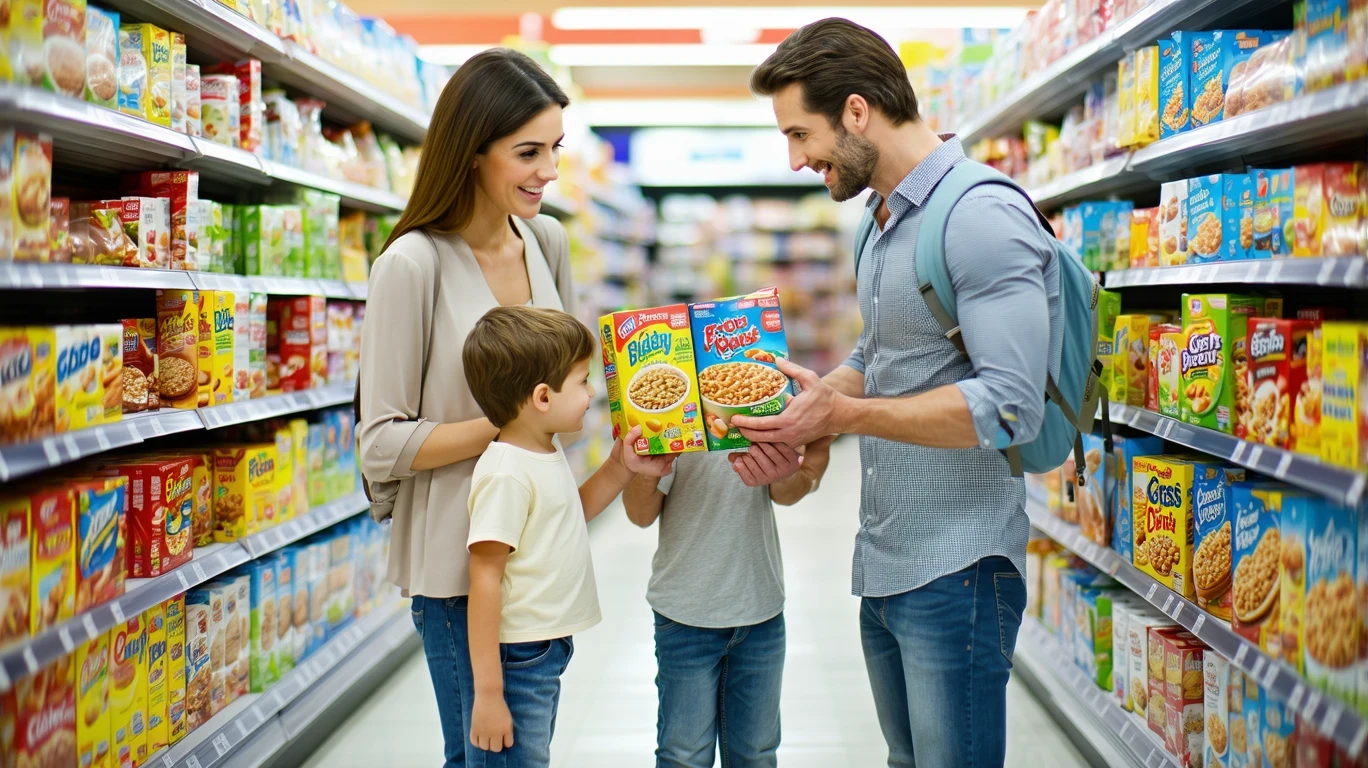
How Grocery Costs Feel in Doral
Grocery prices in Doral reflect the broader cost structure of South Florida: slightly elevated compared to national averages, but not extreme. The city’s median household income of $83,823 provides meaningful cushion for many residents, but that income advantage doesn’t eliminate sensitivity—it just shifts where the pressure shows up. Higher-earning households may not flinch at organic premiums or name-brand staples, but they still notice when weekly totals creep upward without explanation. For households closer to the median or below, grocery costs compete directly with housing, utilities, and transportation for budget share, and there’s less room to absorb surprise.
Singles and young professionals in Doral tend to experience groceries as a controllable expense. Buying for one means smaller quantities, less waste, and the ability to shift between discount and premium stores depending on the week. A $60 or $80 grocery trip can cover several days of meals, and splurging on a few higher-quality items doesn’t destabilize the budget. The challenge for this group isn’t price—it’s efficiency. Without careful planning, per-person costs can drift upward as convenience purchases, takeout substitutions, and small top-up trips add friction.
Families with children face a different reality. Grocery costs scale with household size, and the math gets less forgiving quickly. A gallon of milk every few days, multiple pounds of protein each week, and snacks that disappear faster than they’re restocked—all of this turns grocery shopping into a high-frequency, high-stakes task. In Doral, where food and grocery establishments are broadly accessible and density exceeds typical thresholds, families benefit from competitive options and the ability to comparison-shop without long drives. But accessibility doesn’t eliminate pressure—it just makes the decisions more visible. Choosing between discount and mid-tier stores can mean a $30 to $50 difference on a single trip, and those differences compound over the month.
Grocery Price Signals (Illustrative)
These prices illustrate how staple items tend to compare locally—not a full shopping list. They’re derived estimates based on national baseline data adjusted by regional price parity, and they reflect typical pricing patterns rather than store-specific or week-specific snapshots. Use them as anchors for understanding relative cost positioning in Doral, not as guarantees of what you’ll see at checkout.
| Item | Typical Price |
|---|---|
| Bread (per pound) | $1.89/lb |
| Cheese (per pound) | $4.88/lb |
| Chicken (per pound) | $2.08/lb |
| Eggs (per dozen) | $2.79/dozen |
| Ground beef (per pound) | $6.89/lb |
| Milk (per half-gallon) | $4.17/half-gallon |
| Rice (per pound) | $1.11/lb |
Derived estimate based on national baseline adjusted by regional price parity; not an observed local price.
These figures show that staples in Doral track close to national norms with a slight upward tilt. Ground beef and cheese carry the highest per-unit costs, while rice and bread remain relatively affordable even at elevated regional pricing. For households buying in volume, these small premiums add up—but they also reveal where substitution and store choice create the most leverage.
Store Choice & Price Sensitivity
Grocery pressure in Doral varies more by store tier than by the city’s baseline prices. Discount grocers—those emphasizing store brands, no-frills layouts, and high-volume turnover—offer the tightest pricing. A household willing to build meals around what’s on sale and accept limited selection can keep weekly costs low, even when feeding a family. Mid-tier stores provide broader selection, more name-brand options, and better prepared-food sections, but the convenience comes with a markup. Premium grocers—focused on organic offerings, specialty items, and curated experiences—command the highest prices, and the gap between discount and premium can approach 30% to 40% on comparable baskets.
In Doral, the density of food and grocery establishments means residents don’t have to drive far to access different tiers. Walkable pockets and high accessibility reduce the logistical cost of switching stores or splitting trips—buying bulk staples at a discount chain and filling in fresh produce or specialty items elsewhere. This flexibility matters most for families, who can use store choice as a primary cost-control lever. Singles and couples, by contrast, often prioritize convenience and proximity over per-item savings, especially when trip frequency is low and time is constrained.
Store loyalty in Doral tends to reflect income and household composition more than geography. Higher-income households gravitate toward mid-tier and premium stores, valuing selection and quality over price optimization. Families closer to the median income or managing tighter budgets make discount stores the anchor of their routine, supplementing with mid-tier trips only when necessary. The key insight: grocery costs in Doral are not fixed by the city—they’re shaped by the choices households make within a competitive, accessible landscape.
What Drives Grocery Pressure Here
Grocery pressure in Doral starts with the regional price parity index of 103, which applies upward pressure across all categories, including food. But the index alone doesn’t explain why some households feel squeezed while others don’t. Income plays a mediating role. With a median household income of $83,823, many Doral residents have enough earnings to absorb modest grocery premiums without restructuring their budgets. But income distribution matters—households below the median or supporting larger families face tighter constraints, and grocery costs compete more directly with housing and transportation for budget share.
Household size amplifies every price signal. A 3% regional premium on milk, eggs, and chicken might be invisible to a single-person household buying small quantities, but it becomes material for a family of four or five restocking every few days. Volume turns small percentage differences into recurring dollar impacts, and families in Doral feel this most acutely during months when prices spike due to supply disruptions or seasonal shifts.
Doral’s accessibility to grocery options—reflected in the high density of food and grocery establishments throughout the city—creates competitive pressure that helps moderate costs. Residents can compare prices across multiple stores without adding significant travel time, and the presence of discount, mid-tier, and premium options within short distances gives households meaningful control. This accessibility doesn’t eliminate price pressure, but it does reduce the friction of responding to it. Families can shift stores when budgets tighten; singles can choose convenience when time is scarce.
Seasonal variability also shapes the grocery experience in South Florida. Produce prices fluctuate with growing seasons, and certain proteins see periodic price swings tied to supply chains and demand cycles. Doral households managing tight budgets learn to anticipate these shifts and adjust purchasing patterns accordingly—buying in bulk when prices dip, substituting proteins when beef or chicken spike, and leaning on shelf-stable staples during high-cost weeks.
Practical Ways People Manage Grocery Costs
Households in Doral use a mix of behavioral strategies to manage grocery costs without sacrificing nutrition or variety. The most effective approach is store-tier flexibility: anchoring routine purchases at discount grocers while selectively shopping mid-tier or premium stores for specific items. This strategy works best for families, who can dedicate time to multi-stop trips and benefit most from per-unit savings on high-volume staples like milk, eggs, rice, and chicken.
Meal planning reduces waste and prevents impulse purchases, both of which erode grocery budgets quietly over time. Households that plan weekly menus around sale items and seasonal produce tend to spend less and throw away less. In Doral, where grocery density supports frequent, smaller trips, some residents adopt a “top-up” approach—buying only what’s needed for the next few days rather than loading a cart once a week. This works well in walkable pockets, where a quick stop at a nearby grocer adds minimal friction to daily routines.
Store brands offer one of the clearest cost levers. On staples like canned goods, pasta, dairy, and frozen vegetables, store-brand pricing typically runs 15% to 25% below name-brand equivalents with minimal quality difference. Households willing to shift brand loyalty on non-differentiated items can lower weekly totals without changing what they eat. Buying in bulk—when storage allows—provides another edge, especially on shelf-stable goods and proteins that freeze well. Discount grocers and warehouse clubs reward volume purchases with lower per-unit costs, and families with freezer space can stock up during price dips.
Avoiding convenience traps matters as much as finding deals. Pre-cut produce, single-serve packaging, and prepared meals carry significant markups, and these costs accumulate quickly for households making frequent trips. In Doral’s accessible grocery landscape, the temptation to grab convenience items is constant, but households managing tight budgets benefit from buying whole ingredients and doing the prep work at home.
Groceries vs Eating Out (Directional)
The tradeoff between cooking at home and eating out shapes how households experience grocery costs. In Doral, where dining options are plentiful and household incomes often support discretionary spending, the line between groceries and restaurant meals can blur. For singles and young professionals, eating out several times a week is common, and grocery spending may cover only breakfast staples, snacks, and occasional home-cooked dinners. This pattern keeps grocery totals low but shifts food spending into a higher-cost category.
Families, by contrast, rely more heavily on home cooking to control costs. Feeding three or four people at a restaurant regularly adds up quickly, and even mid-tier dining can exceed the cost of a week’s worth of groceries for a household cooking at home. In Doral, where grocery accessibility is strong and store competition keeps prices in check, cooking at home offers clear financial leverage for families—but only if they have the time and energy to plan, shop, and prepare meals consistently.
The decision isn’t binary. Many households blend strategies: cooking most meals at home to control baseline costs, then dining out selectively for convenience or social reasons. The key insight is that grocery costs feel more manageable when they’re not competing with frequent restaurant spending. Households that treat dining out as occasional rather than routine tend to experience less overall food-budget pressure, regardless of income level.
FAQs About Grocery Costs in Doral (2026)
Is it cheaper to shop in bulk in Doral? Buying in bulk typically lowers per-unit costs on shelf-stable staples and proteins that freeze well, especially at discount grocers and warehouse clubs. The savings are most meaningful for families or households with storage space and the ability to use volume before spoilage.
Which stores in Doral are best for low prices? Discount-tier grocers focused on store brands and high-volume turnover offer the tightest pricing. Mid-tier stores provide broader selection and convenience but carry markups, while premium grocers emphasize organic and specialty items at the highest price points.
How much more do organic items cost in Doral? Organic products generally carry premiums compared to conventional equivalents, with the gap varying by category—produce, dairy, and proteins often show the widest differences. Households prioritizing organic on a budget tend to focus on high-impact categories and accept conventional options elsewhere.
How do grocery costs for two adults in Doral tend to compare to nearby cities? Doral’s regional price parity of 103 suggests grocery costs run slightly above the national baseline, similar to much of South Florida. Nearby cities with comparable income levels and grocery density tend to show similar pricing patterns, though store competition and tier availability can create localized differences.
How do households in Doral think about grocery spending when cooking at home? Most households view cooking at home as the primary lever for controlling food costs, especially families managing volume. Store choice, meal planning, and willingness to use store brands shape weekly totals more than the city’s baseline prices, and accessibility to multiple grocery tiers gives residents meaningful flexibility.
How Groceries Fit Into the Cost of Living in Doral
Groceries occupy a middle position in Doral’s cost structure—less dominant than housing, but more variable and controllable than utilities or transportation. For most households, grocery spending represents a recurring, high-frequency expense that responds directly to behavior and choice. Unlike rent or mortgage payments, which are fixed and non-negotiable, grocery costs flex with store selection, meal planning, and household discipline. This makes groceries one of the few categories where residents can exert meaningful short-term control without relocating or restructuring their lives.
But grocery costs don’t exist in isolation. They compete for budget share with housing, utilities, and transportation, and households managing tight budgets often find that optimizing groceries only goes so far when rent or commuting costs consume a disproportionate share of income. In Doral, where the median household income of $83,823 provides cushion for many residents, grocery pressure is more about efficiency and choice than survival. For households below the median or supporting larger families, however, groceries become a key variable in monthly cash flow, and small weekly savings compound into meaningful breathing room.
To understand how groceries fit into your total monthly expenses in Doral—and how they interact with housing, utilities, and transportation—see the full breakdown in A Month of Expenses in Doral: What It Feels Like. That article walks through the complete cost structure, showing where money goes and which categories drive the most pressure for different household types.
The takeaway: grocery costs in Doral are manageable for most households, but they require intentional choices. Store tier, meal planning, and volume management matter more than the city’s baseline prices, and the accessibility of grocery options throughout Doral gives residents the tools to respond. Families benefit most from discount-tier anchoring and bulk buying; singles and couples gain more from convenience and flexibility. In either case, groceries remain one of the few cost categories where behavior directly shapes outcomes—and where small adjustments create recurring, compounding savings.
How this article was built: In addition to public economic data, this article incorporates location-based experiential signals derived from anonymized geographic patterns—such as access density, walkability, and land-use mix—to reflect how day-to-day living actually feels in Doral, FL.