
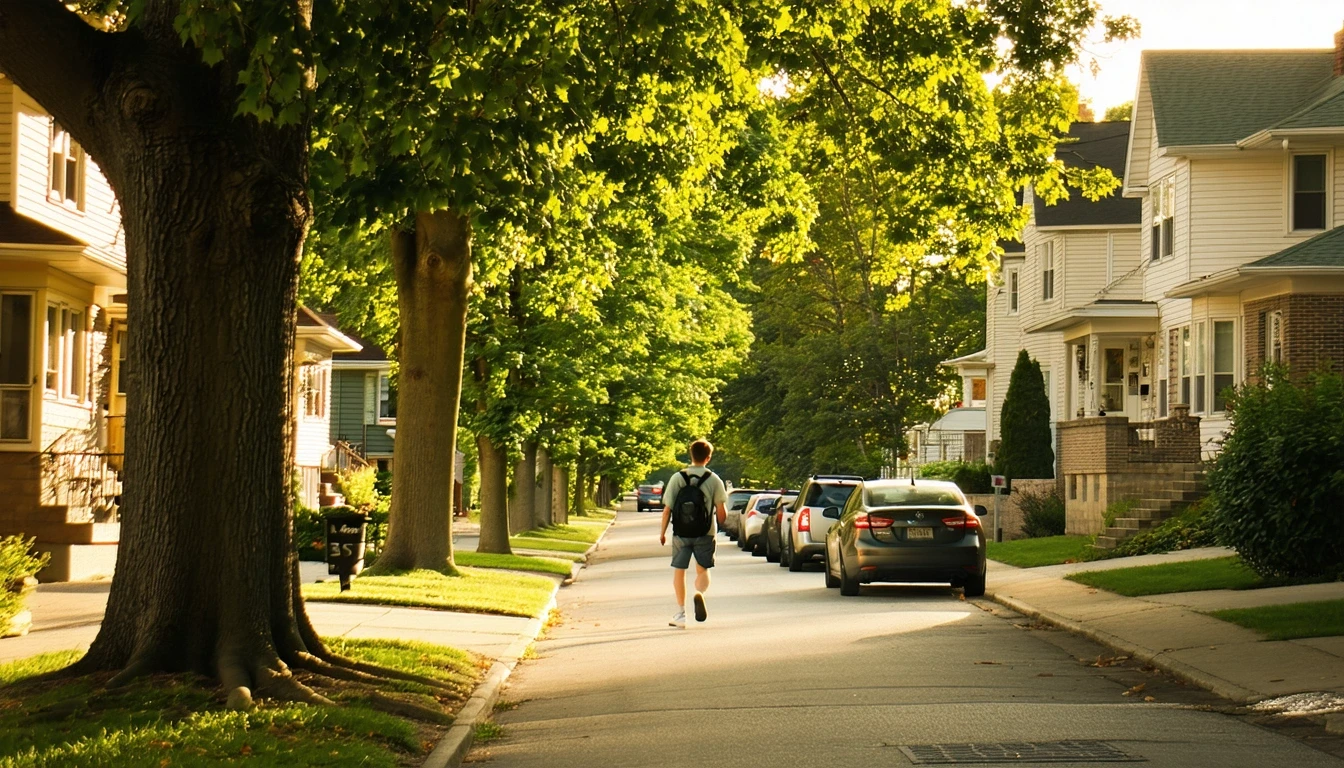
Why Students Choose Detroit
What makes a city work for college students when every dollar counts and every hour matters? Detroit stands out as a designated college city where below-average living costs meet strong urban infrastructure—a combination that lets students focus on academics and social life rather than logistics and financial stress. With a regional price level sitting at 98 (just below the national baseline), Detroit offers a cost advantage that compounds across rent, food, and transportation throughout the academic year.
The city earns a student-friendliness score of 78 out of 100, driven primarily by its transit accessibility, walkable neighborhoods with high errand density, and integrated park systems that provide study and social space without requiring a car or extra spending. Detroit’s urban form—characterized by mixed-use corridors and vertical development—creates an environment where students can live, work part-time, and access daily needs within compact areas. Rail transit service, notable cycling infrastructure, and pedestrian-friendly pockets mean that car ownership becomes optional rather than mandatory, a significant financial and logistical advantage for the college demographic.
The city’s structure also supports the practical realities of student life: broadly accessible food and grocery options reduce the planning burden of weekly errands, hospital and pharmacy presence ensures healthcare access during illness or injury, and the mixed residential-commercial landscape creates natural pathways to part-time employment without long commutes. For students weighing affordability against livability, Detroit delivers both.
Housing Options for Students
The off-campus rental market in Detroit centers around a median gross rent of $989 per month, which serves as a useful baseline for understanding student housing costs. In shared arrangements—the most common setup for undergraduates—students typically split two- or three-bedroom units, bringing individual costs well below the median figure. A two-bedroom apartment shared between roommates might run each student $500–$600 per month, while a three-bedroom split three ways could push individual rent into the $400–$500 range, depending on location and unit condition.
Studio and one-bedroom units, more common among graduate students or those preferring solo living, often hover near or slightly above the median rent figure. Purpose-built student housing complexes—typically located near major campuses—offer furnished units with utilities included, though these conveniences usually come with premium pricing. Lease terms in Detroit’s student-oriented buildings commonly align with the academic calendar, offering nine- or ten-month leases alongside traditional twelve-month options, giving students flexibility to avoid paying rent during summer breaks if they return home.
Deposit requirements typically equal one month’s rent, and many landlords require a co-signer for students without established credit or employment history. Roommate-finding resources range from university housing boards to social media groups organized by incoming class year or campus affiliation. Proximity to campus varies widely: some neighborhoods place students within walking or biking distance of classes, while others require transit connections. The city’s rail presence and walkable pockets mean that students can prioritize affordability over immediate campus adjacency without sacrificing accessibility, a tradeoff that becomes especially valuable when budgets are tight and every monthly expense matters.
Getting Around: Transportation and Campus Access
Detroit’s transit infrastructure fundamentally shapes how students move through daily life. The presence of rail service provides a reliable backbone for campus commutes, especially for students living in neighborhoods connected to the system. Because the city exhibits walkable pockets with high pedestrian-to-road ratios and notable cycling infrastructure, students without cars can build routines around walking, biking, and transit rather than ride-sharing or vehicle ownership.
Public transportation often includes student discount programs, reducing semester or annual pass costs below standard adult fares. The city’s bike-to-road ratio exceeds high thresholds, meaning that dedicated bike lanes and paths make cycling a practical year-round option for students comfortable riding in varied weather. Ride-sharing remains available for late-night travel or trips beyond transit coverage, though frequent use adds up quickly—students relying heavily on ride-hailing apps can easily spend $100–$150 monthly, eroding the savings from skipping car ownership.
Parking availability for students with vehicles depends heavily on neighborhood and building type. On-street parking in dense, mixed-use areas can be competitive, while apartment complexes farther from campus cores often include dedicated lots. The decision to bring a car hinges on lifestyle priorities: students planning frequent trips home, working off-campus jobs in areas poorly served by transit, or uncomfortable biking in winter may find car ownership worthwhile despite the added costs of insurance, gas at $2.88 per gallon, and parking permits. For those whose routines center on campus, nearby housing, and accessible errands, Detroit’s infrastructure supports a car-free lifestyle more readily than many mid-sized cities.
Student Cost of Living
Understanding what student life actually costs in Detroit requires looking beyond rent to the full texture of monthly expenses. A frugal student budget—one prioritizing cost control through shared housing, home cooking, and minimal discretionary spending—might land in the $1,100–$1,300 range per month, including rent, food, transportation, and personal expenses. This assumes a shared apartment bringing rent to around $500, grocery spending of $200–$250 with disciplined meal planning, a transit pass or bike maintenance at $50–$75, and limited entertainment or dining out.
A moderate student budget, reflecting more typical spending patterns with occasional restaurant meals, regular social outings, and a mix of cooking and convenience foods, often runs $1,500–$1,800 monthly. Rent in a shared unit might rise to $600 if prioritizing location or amenities, food costs climb to $300–$350 with more frequent takeout, and entertainment, personal care, and miscellaneous expenses add another $200–$300. Students in this range might use ride-sharing occasionally, subscribe to streaming services, and maintain a more flexible social calendar without constant budget anxiety.
A comfortable student budget—solo living or premium shared housing, regular dining out, gym memberships, and discretionary spending on hobbies or travel—can reach $2,000–$2,400 monthly. This tier typically includes rent near or above the median, food spending of $400–$500, and entertainment or personal expenses of $300–$400. Students at this level often have family support, substantial financial aid, or well-paying part-time work.
Part-time job opportunities in Detroit benefit from the city’s mixed-use corridors, where retail, food service, and office employment sit within transit or bike reach of student housing. Typical student wages for campus jobs, retail, or food service range from $12–$16 per hour, with some positions offering higher pay for specialized skills or evening/weekend shifts. Working 15–20 hours weekly at $14 per hour generates roughly $850–$1,150 monthly before taxes, enough to cover a significant portion of non-tuition expenses for students in shared housing.
Monthly Student Budget in Detroit
Here’s what a typical monthly student budget might look like in Detroit, illustrating how expenses distribute across shared and solo living scenarios:
Shared Housing Scenario (Illustrative):
Rent (shared apartment): $500
Food (groceries + occasional dining): $280
Transportation (transit pass or bike maintenance): $60
Textbooks and supplies (averaged monthly): $80
Entertainment and social: $120
Personal care and miscellaneous: $100
Utilities (share of electric, internet): $70
Total: $1,210
Solo Living Scenario (Illustrative):
Rent (studio or one-bedroom): $950
Food (groceries + occasional dining): $320
Transportation (transit pass or bike maintenance): $60
Textbooks and supplies (averaged monthly): $80
Entertainment and social: $150
Personal care and miscellaneous: $120
Utilities (electric, internet): $110
Total: $1,790
Estimates based on average student spending patterns and local costs; figures are illustrative context before fees or variable seasonal expenses.
Student-Friendly Amenities and Services
Detroit’s high food and grocery density translates directly into student convenience: running out of staples or grabbing a quick meal doesn’t require advance planning or long trips. The broadly accessible distribution of food establishments means students can walk or bike to options rather than coordinating grocery runs around car availability or transit schedules. This density also supports the social texture of student life—coffee shops with Wi-Fi serve as informal study spaces, and casual dining spots become regular meeting points without requiring reservations or significant travel.
The city’s integrated park system, with density exceeding high thresholds, provides outdoor study space, running routes, and social gathering areas that don’t cost money to access. Water features add to the recreational landscape, offering visual relief and activity options beyond traditional campus facilities. For students managing stress or seeking mental health support, the presence of hospital facilities and pharmacies ensures access to both routine and urgent care, a practical consideration often overlooked until needed.
Gym facilities vary by campus and neighborhood, with many universities offering recreation centers included in student fees. Off-campus fitness options range from budget chains to boutique studios, though costs add up quickly for students paying out-of-pocket. Campus job opportunities—library positions, research assistant roles, dining hall work—often provide flexible scheduling around class commitments, and the mixed-use employment corridors accessible by bike or transit expand options beyond campus borders.
Student discounts appear sporadically at local businesses, particularly near campus zones, though the consistency and depth of these offers vary. Some theaters, museums, and entertainment venues offer student pricing with valid ID, and certain retailers provide education discounts on electronics or software. The value of these discounts depends on individual spending patterns—students who rarely dine out or attend events won’t benefit as much as those with active social calendars.
Social Scene and Nightlife
Campus social life in Detroit benefits from the city’s vertical, mixed-use character: student organizations, intramural sports, and campus events provide structured social opportunities, while the surrounding urban environment offers informal gathering spaces that don’t require cars or significant planning. The walkable pockets and transit access mean students can move between campus events and off-campus venues without logistical friction, a quality that supports spontaneous social connections and reduces the isolation that can occur in car-dependent college towns.
Local nightlife varies by neighborhood, with some areas offering age-appropriate venues for students under 21—coffee shops with evening hours, music venues hosting all-ages shows, and casual dining spots that serve as social hubs. Students over 21 have access to bars, clubs, and live music venues, though the concentration and character of these options depend on proximity to entertainment districts. The city’s cultural activities—concerts, festivals, art exhibitions—provide alternatives to the typical bar scene, appealing to students seeking variety in their social routines.
The dating scene and social networking opportunities reflect the city’s college town designation: overlapping student populations from multiple institutions create a larger pool of peers, and the mixed-use corridors provide neutral, low-pressure meeting spaces. Campus events, student organization mixers, and shared classes remain primary social pathways, but the urban environment supports chance encounters and informal socializing in ways that purely residential college towns often don’t.
Safety and Practical Considerations
Campus safety measures typically include security patrols, emergency call boxes, and escort services for students walking after dark. The effectiveness and visibility of these programs vary by institution, and students should research specific campus safety resources during the college selection process. Local crime statistics provide context but require careful interpretation—aggregate city-wide figures don’t necessarily reflect conditions in specific student-oriented neighborhoods, and students should seek neighborhood-level data when evaluating off-campus housing options.
Emergency services access benefits from the city’s hospital presence, ensuring that urgent medical needs can be addressed without long travel times. Campus health centers handle routine care, vaccinations, and minor illnesses, though hours and services vary by institution. Mental health resources—counseling centers, crisis hotlines, peer support groups—have become standard on most campuses, though appointment availability and wait times fluctuate with demand, particularly during midterms and finals.
Academic support services, including tutoring centers, writing labs, and subject-specific help sessions, provide safety nets for students struggling with coursework. The availability and quality of these resources vary by institution and department, but their presence reflects a structural commitment to student success beyond the classroom. Career services offices offer resume reviews, interview prep, and internship placement support, helping students build professional networks and explore post-graduation pathways while still enrolled.
Internship opportunities in Detroit benefit from the city’s mixed-use employment corridors and regional economic base. Students in fields ranging from healthcare to business to engineering can often find local internships accessible by transit or bike, reducing the need to relocate for summer work or juggle long commutes during the academic year. The unemployment rate of 5.5% suggests a labor market with reasonable opportunities, though competition for desirable positions remains significant.
FAQs About Student Life in Detroit
What’s the average cost of student living in Detroit?
Students in shared housing with moderate spending habits typically spend $1,200–$1,600 monthly, including rent, food, transportation, and personal expenses. Solo living or premium housing pushes totals toward $1,800–$2,200. The city’s below-average cost structure provides meaningful savings compared to higher-cost college towns, particularly for students willing to share apartments and use transit or bikes rather than owning cars.
How safe is it for students to live off-campus?
Safety varies significantly by neighborhood, and students should research specific areas rather than relying on city-wide statistics. Proximity to campus, street lighting, pedestrian activity, and local crime data all factor into safety assessments. Many students live off-campus successfully by choosing well-traveled neighborhoods, using campus escort services after dark, and staying aware of their surroundings. University housing offices often provide neighborhood guides or safety resources for students considering off-campus moves.
Are there good part-time job opportunities?
Detroit’s mixed-use corridors and college town designation create part-time job opportunities in retail, food service, tutoring, and campus positions. Typical wages range from $12–$16 per hour, with some specialized roles paying more. The city’s transit and bike infrastructure makes jobs accessible without car ownership, though positions in outlying areas may require vehicles. Campus career centers and online job boards remain primary resources for finding student-friendly employment.
What’s the social scene like for college students?
The social scene blends campus-organized events with urban amenities accessible by walking, biking, or transit. Student organizations, intramural sports, and campus traditions provide structured social opportunities, while the city’s walkable pockets, food density, and entertainment options support informal socializing. The presence of multiple institutions creates a larger student population and more diverse social networks than single-campus towns. Students seeking active nightlife will find options, though the character and concentration vary by neighborhood.
Making the Decision: Is Detroit Right for Your College Years?
Detroit’s appeal as a college city rests on a specific combination of structural advantages: below-average costs that ease financial pressure, transit and bike infrastructure that reduces car dependency, and broadly accessible errands that minimize the friction of daily logistics. Students who prioritize affordability, value urban environments, and feel comfortable navigating mixed-use neighborhoods will find Detroit well-suited to their needs. The integrated park system, hospital access, and mixed residential-commercial landscape create an environment where students can build routines around walking, biking, and transit rather than car ownership and long commutes.
Potential drawbacks center on what the city doesn’t emphasize: students seeking extensive on-campus housing, car-centric lifestyles, or purely residential college town atmospheres may find Detroit less aligned with their preferences. The moderate family infrastructure suggests some gaps in recreational amenities beyond parks, and students uncomfortable with urban density or transit reliance may struggle with the city’s spatial logic. Weather also matters—cold winters and the need for layered clothing, weather-appropriate gear, and indoor study spaces during harsh months add logistical considerations that students from milder climates should anticipate.
For prospective students and parents evaluating Detroit, the decision hinges on matching the city’s strengths to individual priorities. Students with limited budgets, interest in car-free living, and comfort with urban environments will find structural advantages that compound across the academic year. Those requiring extensive parking, preferring suburban-style campuses, or prioritizing warm-weather outdoor activities year-round may find better fits elsewhere. The city works best for students who see transit access, walkable errands, and below-average costs as enablers of academic focus and social engagement rather than compromises.
How this article was built: In addition to public economic data, this article incorporates location-based experiential signals derived from anonymized geographic patterns—such as access density, walkability, and land-use mix—to reflect how day-to-day living actually feels in Detroit, MI.