
When Malik opened his first full utility bill after moving into a garden apartment in Deptford Township, the total caught him off-guard—not because any single line item was shocking, but because he hadn’t realized how many separate charges would land in his mailbox each month. Between electricity, water, trash pickup, and a natural gas connection he didn’t even know he had, the combined exposure felt less like a fixed expense and more like a variable he’d need to learn how to manage.
Understanding Utilities in Deptford Township
Utility costs in Deptford Township represent the second-largest slice of most household budgets, trailing only housing itself. Unlike rent or a mortgage payment, which remain predictable month to month, utilities fluctuate with the seasons, usage patterns, and the physical characteristics of your home. For newcomers especially, understanding how these bills are structured—and what drives them higher or lower—makes the difference between budget surprises and confident planning.
In Deptford Township, the typical utility bundle includes electricity, water, natural gas, trash collection, and recycling. Some of these services are billed directly by municipal or regional providers, while others may be bundled into HOA fees or landlord arrangements, particularly in multifamily buildings. Single-family homeowners generally face the full spectrum of separate bills, while apartment renters often find that water, trash, or even heat is included in their lease. That structural difference matters: it shifts not just who writes the check, but who controls usage and who absorbs seasonal swings.
For families moving from urban apartments or out-of-state markets, Deptford Township’s utility landscape reflects a suburban Mid-Atlantic pattern: moderate base rates, significant seasonal exposure, and a cost structure that rewards efficiency but penalizes waste. The township’s mix of older single-family homes and newer developments means that two households on the same street can experience very different monthly totals, even with identical usage, simply because of insulation quality, HVAC age, or whether the water heater runs on gas or electric resistance.
Utilities at a Glance in Deptford Township
The table below shows how core utility costs typically behave for a mid-size household in a single-family home in Deptford Township. Where township-level prices are available in the data feed, they are shown directly. When exact figures are not provided, categories are described qualitatively to reflect how costs are structured and what drives variability.
| Utility | Cost Structure |
|---|---|
| Electricity | 22.98¢/kWh; usage-sensitive and climate-driven |
| Water | Tiered pricing; usage-dependent |
| Natural Gas | $14.66/MCF; winter-driven, heating-dependent |
| Trash & Recycling | Often bundled with water or HOA; varies by provider |
| Total | Seasonal variability driven by electricity and heating |
This table reflects utility cost structure for a mid-size household in a single-family home in Deptford Township during 2026. Where exact figures are not provided in the IndexYard data feed, categories are described directionally to reflect how costs behave rather than a receipt-accurate total.
Electricity is typically the most exposure-sensitive utility in Deptford Township, driven more by climate and home efficiency than by base rates. At 22.98¢ per kilowatt-hour, the township’s electricity pricing sits slightly above the national average, but the real cost driver is consumption. A well-insulated home with a newer HVAC system might use 800 kWh in a mild month, while an older ranch with single-pane windows and a window AC unit could push past 1,500 kWh during peak summer. That difference translates directly into monthly bill swings that can double or triple from spring to August.
Water costs in Deptford Township follow a tiered structure, meaning the more you use, the higher the per-gallon rate climbs. For households with irrigation systems, pools, or large families, summer water bills can spike noticeably. Even without exact municipal pricing in hand, the pattern is consistent across New Jersey suburbs: base service fees cover infrastructure, while volumetric charges reward conservation and penalize heavy users.
Natural gas becomes the dominant winter expense for homes with gas furnaces or boilers. Priced at $14.66 per thousand cubic feet, gas heating remains more cost-effective than electric resistance heat, but monthly bills still climb sharply between December and February as furnaces cycle more frequently. Homes with poor insulation, older thermostats, or drafty windows face the steepest exposure, while newer construction with programmable controls and better sealing keeps usage—and costs—more predictable.
Trash and recycling services in Deptford Township are typically bundled with water bills or covered through HOA fees, depending on neighborhood and housing type. Standalone trash service, where applicable, runs as a flat monthly fee rather than a usage-based charge, making it one of the few truly predictable line items in the utility mix.
How Weather Impacts Utilities in Deptford Township
Deptford Township sits squarely in the Mid-Atlantic climate zone, which means households face dual seasonal pressure: hot, humid summers that demand near-constant air conditioning, and cold winters that keep heating systems running for months at a stretch. Unlike Sun Belt cities where cooling dominates year-round, or northern markets where heating is the sole driver, Deptford Township residents manage both exposures in roughly equal measure. That creates a cost rhythm where spring and fall offer brief relief, while summer and winter bills climb in tandem with temperature extremes.
During July and August, when heat indices regularly push into the 90s and humidity makes indoor spaces feel oppressive without AC, electricity usage spikes. Homes with central air, poor attic ventilation, or west-facing windows absorb the most exposure. Many Deptford Township households report noticeably higher electric bills during peak summer compared to spring—not because rates change, but because usage doubles. The township’s mix of tree cover and open subdivisions means that shaded homes enjoy a natural cooling advantage, while properties on cleared lots or newer cul-de-sacs face longer cooling cycles and higher monthly totals.
Winter brings a different cost structure. Natural gas furnaces cycle frequently from December through February, and even well-maintained systems face higher consumption when overnight lows dip into the teens. Electric heat pumps, common in some Deptford Township developments, lose efficiency in extreme cold and often trigger auxiliary resistance heat, which drives electric bills upward just as sharply as summer AC. The result is a U-shaped cost curve: low in spring and fall, elevated in summer, and elevated again in winter, with the specific balance depending on your home’s heating fuel and insulation quality.
How to Save on Utilities in Deptford Township
Reducing utility costs in Deptford Township starts with understanding which expenses you control and which are structurally fixed. Rate structures and seasonal weather are beyond household influence, but usage patterns, equipment efficiency, and timing strategies offer meaningful levers for lowering monthly totals. The most effective approaches target the dominant cost drivers—electricity and heating—while smaller adjustments to water and trash habits add incremental savings over time.
For electricity, the highest-impact changes involve cooling and heating efficiency. Programmable or smart thermostats allow households to reduce runtime during unoccupied hours without sacrificing comfort, and even a few degrees of adjustment during peak summer or winter can lower consumption noticeably. Homes with older HVAC systems benefit disproportionately from tune-ups, filter changes, and duct sealing, all of which improve efficiency without requiring full equipment replacement. Shade trees, awnings, or reflective window film reduce solar heat gain in summer, cutting the cooling load before the AC even cycles on.
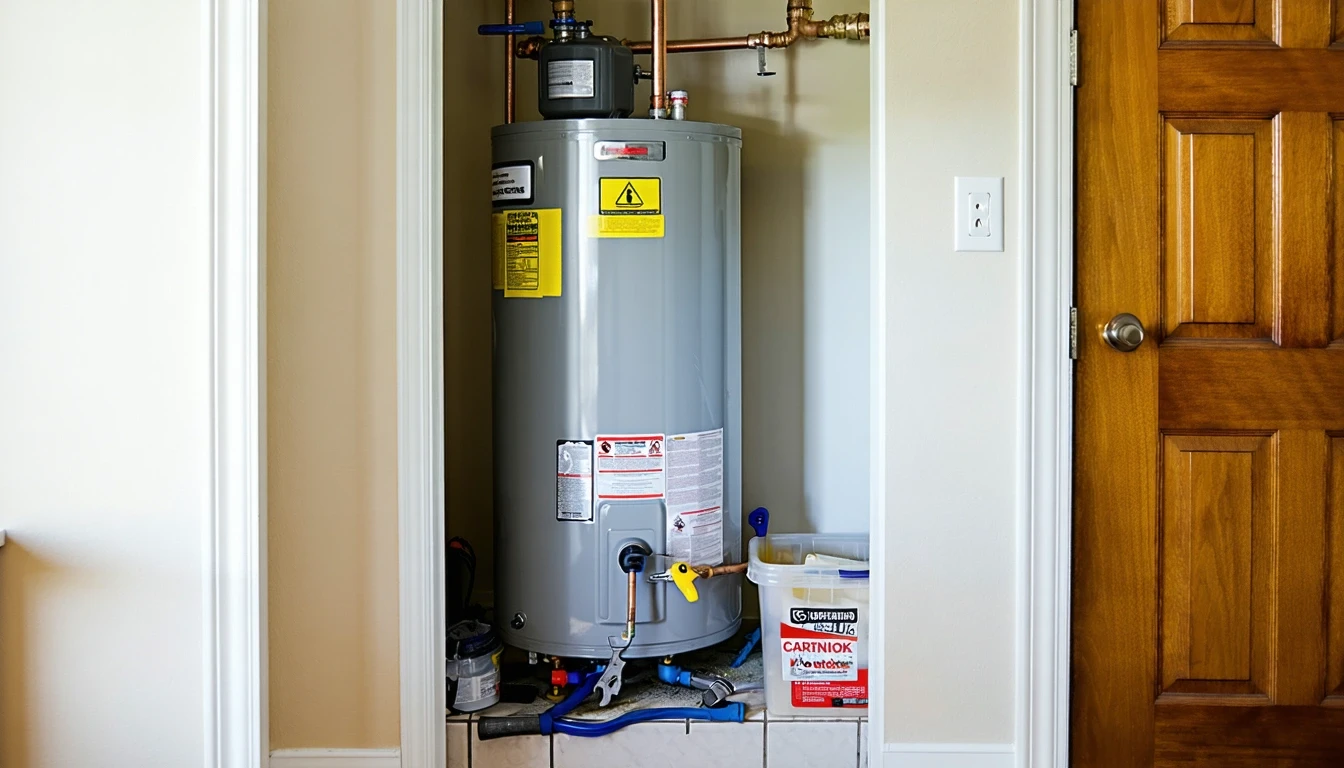
Natural gas savings hinge on insulation and air sealing. Attic insulation upgrades, weatherstripping around doors and windows, and basement rim joist sealing all reduce heat loss in winter, meaning the furnace runs less frequently to maintain the same indoor temperature. For households with gas water heaters, lowering the thermostat to 120°F and insulating the tank and first few feet of hot water pipes reduces standby heat loss without affecting daily use.
- Enroll in off-peak or time-of-use billing programs if your provider offers them, shifting high-draw activities like laundry or dishwashing to lower-rate hours.
- Check whether New Jersey’s solar incentive programs or federal tax credits apply to your property; Deptford Township’s suburban lot sizes and roof exposure make many homes viable candidates for rooftop solar.
- Install smart plugs or power strips to eliminate phantom load from electronics, which can account for a small but persistent share of monthly electricity use.
- Consider LED bulb replacements throughout the home, particularly in fixtures that run for hours daily; the upfront cost is minimal and the reduction in lighting load is immediate.
- Ask your utility provider about rebates for energy-efficient AC units, heat pumps, or furnace upgrades; many New Jersey utilities offer incentives that offset a portion of replacement costs.
🏆 Tip: Check if your provider in Deptford Township offers rebates for energy-efficient AC units or heating systems—many utilities in New Jersey provide incentives that can offset hundreds of dollars in upgrade costs.
FAQs About Utility Costs in Deptford Township
Why do utility bills in Deptford Township vary so much from month to month?
Seasonal weather drives the largest swings, with summer cooling and winter heating both creating elevated usage periods. Homes with older insulation or less efficient HVAC systems experience wider month-to-month variation than newer, tightly sealed construction.
What is the average monthly electric bill for an apartment in Deptford Township compared to a single-family home?
Apartments typically use less electricity due to smaller square footage and shared walls that reduce heating and cooling load. Single-family homes, especially those with basements, attics, and larger floor plans, face higher baseline usage and greater seasonal exposure, often resulting in bills that run 50% to 100% higher during peak months.
Do HOAs in Deptford Township usually include trash or water in their fees?
Many townhome and condo HOAs bundle trash, recycling, and sometimes water into monthly dues, while single-family neighborhoods typically require separate billing. The specifics vary by development, so it’s worth confirming what’s covered before budgeting for standalone utility accounts.
How does seasonal weather affect monthly utility bills in Deptford Township?
Both summer and winter create cost peaks: air conditioning dominates July and August electric bills, while natural gas heating drives January and February expenses. Spring and fall offer the lowest combined utility costs, as moderate temperatures reduce both cooling and heating demand.
Does Deptford Township offer incentives for solar panels or energy-efficient appliances?
New Jersey maintains several state-level solar incentive programs, and federal tax credits remain available for qualifying installations. Some local utilities also offer rebates for high-efficiency HVAC systems, water heaters, and appliances, making it worthwhile to check with your provider before scheduling upgrades.
How Utilities Fit Into the Cost Structure in Deptford Township
Utilities represent a significant but manageable share of household expenses in Deptford Township, sitting between housing and transportation in terms of both monthly impact and volatility. Unlike rent or mortgage payments, which remain fixed, utility costs fluctuate with the seasons, usage decisions, and the physical condition of your home. That variability makes utilities one of the few major expense categories where household behavior and strategic upgrades can produce measurable, recurring savings.
For families evaluating what costs people most in Deptford Township, utilities often emerge as the second-largest controllable expense after housing. While you can’t negotiate your electric rate or eliminate winter heating bills, you can influence how much energy your home consumes through insulation, equipment efficiency, and usage timing. That control matters most for households on tight budgets or those managing multiple seasonal cost pressures at once, where even a 15% reduction in monthly utility bills creates meaningful breathing room.
Understanding how utilities behave across the calendar year also helps with broader financial planning. Summer and winter months bring predictable cost spikes, which means budgeting for those peaks in advance—rather than treating them as surprises—keeps your monthly budget in Deptford Township stable and sustainable. Households that track usage patterns, invest in efficiency upgrades, and take advantage of available rebates tend to experience lower volatility and fewer budget disruptions, even as rates or weather conditions shift.
For a complete view of how utilities interact with housing, transportation, and other major expenses, explore the full cost-of-living resources available through IndexYard’s Deptford Township hub. Whether you’re planning a move, evaluating a home purchase, or simply looking to reduce monthly bills, understanding the structure and drivers behind utility costs gives you the clarity to make confident, informed decisions.
How this article was built: In addition to public economic data, this article incorporates location-based experiential signals derived from anonymized geographic patterns—such as access density, walkability, and land-use mix—to reflect how day-to-day living actually feels in Deptford Township, NJ.