
Can you live in Deptford Township without a car? For most residents, the honest answer is no—but the full picture is more nuanced than a simple yes or no. Deptford Township sits in the Philadelphia metro area with a suburban layout that shapes how people move through their days. While rail transit does reach parts of the township, the way errands, schools, and daily destinations are distributed means that driving remains the primary mode of transportation for the majority of households. Understanding how transportation actually works here—not just what’s theoretically available—is essential for anyone considering a move.
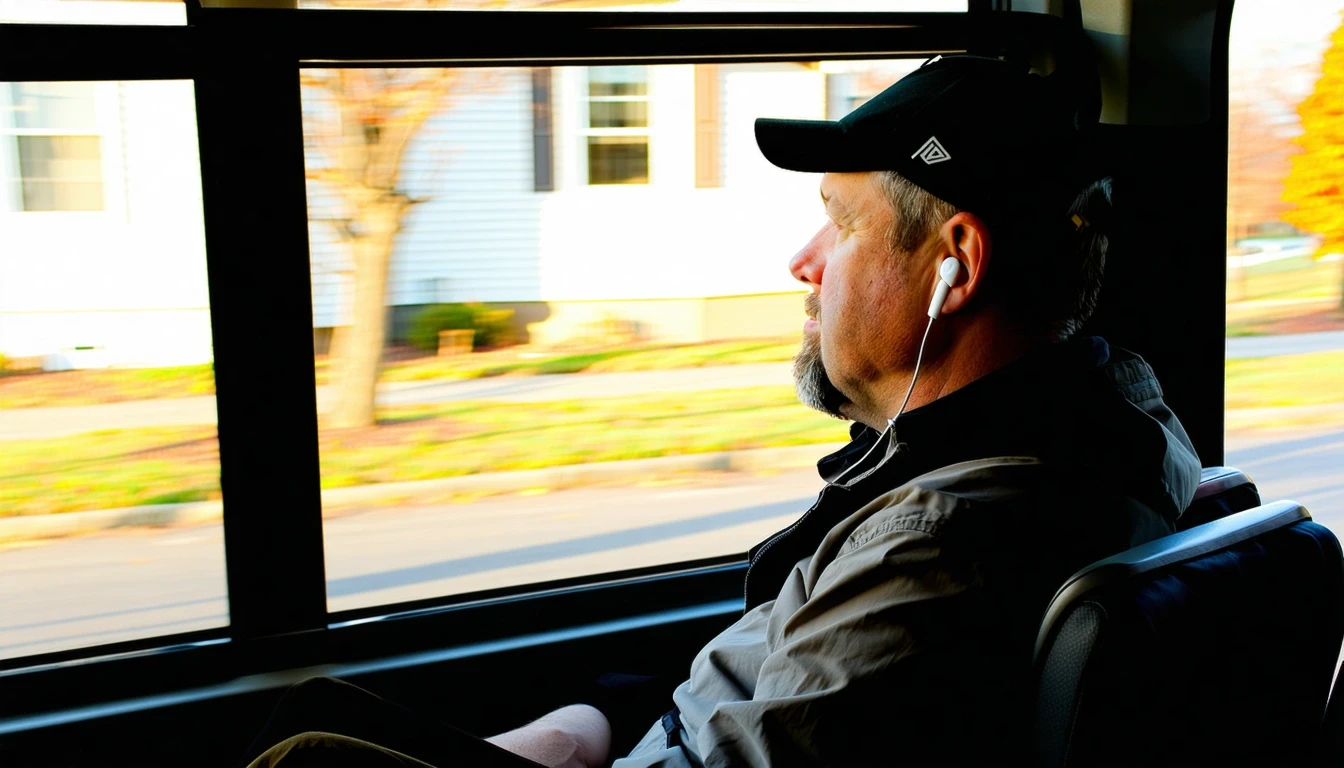
How People Get Around Deptford Township
Deptford Township operates primarily as a car-first community. The township’s development pattern spreads residential neighborhoods, shopping corridors, and employment centers across a layout that doesn’t concentrate destinations within easy walking distance for most residents. Pedestrian infrastructure exists and reaches a moderate level relative to the road network, but it’s not evenly distributed. Some areas support walking for specific errands or short trips, while others require a vehicle for nearly every outing.
What newcomers often misunderstand is that proximity to Philadelphia doesn’t automatically translate to urban-style transit access. Deptford Township functions more like a suburban node than an extension of the city core. The township has both residential and commercial land use mixed throughout, which creates pockets of convenience, but those pockets don’t form a continuous, walkable grid. Instead, daily life here typically involves driving to grocery stores, medical appointments, schools, and social activities—even if those destinations are only a few miles away.
The average commute in Deptford Township is 25 minutes, and about 36.9% of workers face longer commutes. Only 6.5% of residents work from home, meaning the vast majority are making regular trips for employment. These patterns reflect a community where transportation isn’t just about getting to work—it’s woven into the structure of daily logistics.
Public Transit Availability in Deptford Township
Rail service is present in Deptford Township, which distinguishes it from many purely car-dependent suburbs. This access provides a real alternative for residents whose work or regular destinations align with transit corridors. However, rail presence doesn’t mean comprehensive coverage. Transit works best for commuters traveling to and from fixed points along established routes, particularly those heading into Philadelphia or other regional employment centers.
Where transit falls short is in the day-to-day errands that don’t follow a linear path. Grocery shopping, medical appointments, school pickups, and social activities are often spread across the township in ways that don’t align neatly with transit schedules or station locations. For households managing multiple stops in a single trip, or those living in neighborhoods farther from rail access, transit becomes impractical as a primary mode.
Public transit in Deptford Township often centers around systems such as NJ Transit, though coverage varies by area. Residents near rail stations gain the most benefit, while those in peripheral neighborhoods may find themselves too far from stops to make transit a daily option. Late hours and weekend service limitations further constrain who can rely on transit for a full range of activities.
Driving & Car Dependence Reality
For most households in Deptford Township, driving isn’t optional—it’s structural. The township’s layout, with food and grocery options clustered along corridors rather than distributed evenly, means that even routine errands often require a car. Parking is generally available and not a significant obstacle, which reinforces the car-first design. Residents who need schedule flexibility, who manage household logistics involving children, or who work outside traditional transit corridors will find that car ownership is effectively required.
This dependence isn’t about personal preference; it’s about how the township is built. Sprawl and the separation of residential and commercial zones create distances that are difficult to cover on foot or by transit. Even in areas with moderate pedestrian infrastructure, the lack of continuous connectivity means that walking to multiple destinations in one trip is rarely feasible. Driving offers the control and flexibility that the township’s geography demands.
Gas prices in the area currently sit at $2.93 per gallon, which factors into the ongoing cost exposure of car-dependent households. But beyond fuel, car reliance also means maintenance, insurance, and the time spent navigating traffic—all of which shape the day-to-day reality of living here.
Commuting Patterns & Daily Mobility
Commuting in Deptford Township typically follows a single-job, fixed-route pattern for those who can access rail transit. These commuters benefit from predictable schedules and the ability to avoid traffic, particularly when traveling into Philadelphia. However, this group represents a minority. Most residents structure their commutes around driving, which allows for multi-stop flexibility but also exposes them to traffic variability and the need to manage parking at their destination.
The 25-minute average commute time reflects a mix of short local trips and longer regional commutes. Those working within the township or in nearby suburbs often face lighter traffic, while those commuting into Philadelphia or other metro centers absorb more time and friction. The 36.9% of workers with longer commutes suggests that a significant portion of the workforce is traveling well beyond the township’s borders, likely to employment hubs that aren’t easily accessible by local transit.
Daily mobility isn’t just about the commute to work. School drop-offs, grocery runs, medical appointments, and social activities all require transportation, and the township’s corridor-clustered layout means these trips often involve driving. Households that can consolidate errands into fewer trips gain efficiency, but the structure of the township makes spontaneous or last-minute errands more challenging without a car.
Who Transit Works For — and Who It Doesn’t
Transit in Deptford Township works best for a specific profile: individuals or couples without children, living near rail stations, with work destinations along established transit corridors. These residents can structure their routines around transit schedules and avoid the cost and complexity of car ownership. Renters in core areas closer to stations are more likely to fit this profile than homeowners in peripheral neighborhoods.
Transit doesn’t work well for families managing multiple daily stops, residents living outside walkable distance from stations, or anyone whose schedule requires off-peak or late-night travel. The township’s strong family infrastructure—schools and playgrounds are well-distributed—means that many households are juggling logistics that transit simply can’t accommodate. Parents coordinating school pickups, extracurriculars, and grocery shopping will find that a car is non-negotiable.
Retirees and older adults face a different calculus. Those who no longer commute daily may find that transit works for occasional trips into the city, but the lack of comprehensive local transit for errands means that aging in place without a car becomes difficult. Medical appointments, grocery shopping, and social activities all require transportation, and the township’s layout doesn’t support easy access to these necessities without driving.
Transportation Tradeoffs in Deptford Township
Choosing between transit and driving in Deptford Township isn’t about cost alone—it’s about control, predictability, and flexibility. Transit offers lower direct expenses and removes the burden of parking and traffic navigation, but it requires living near stations and accepting schedule constraints. Driving provides autonomy and the ability to manage complex household logistics, but it comes with ongoing fuel, maintenance, and insurance exposure.
For households where one adult commutes via transit and another drives for errands and family logistics, a hybrid approach can work. This setup captures some of the cost savings of transit while maintaining the flexibility that the township’s layout demands. However, this strategy requires coordination and proximity to transit access, which not all neighborhoods offer.
The tradeoff also involves time. Transit commutes may take longer than driving, particularly for trips that require transfers or don’t align with direct routes. Driving offers speed and directness but exposes commuters to traffic variability and the mental load of navigating congestion. Neither option is universally better—fit depends on where you live, where you work, and how your household manages daily logistics.
FAQs About Transportation in Deptford Township (2026)
Is public transit usable for daily commuting in Deptford Township?
Rail transit is present and works well for commuters traveling to fixed destinations along established corridors, particularly into Philadelphia. However, coverage is not comprehensive, and residents living farther from stations or needing schedule flexibility will find transit less practical for daily use.
Do most people in Deptford Township rely on a car?
Yes. The township’s layout and the distribution of errands, schools, and services make driving the primary mode of transportation for the majority of residents. Even those who use transit for commuting often need a car for household logistics.
Which areas of Deptford Township are easiest to live in without a car?
Neighborhoods near rail stations with walkable access to some errands offer the best chance of reducing car dependence. However, even in these areas, a car-free lifestyle requires careful planning and acceptance of limited spontaneity.
How does commuting in Deptford Township compare to nearby cities?
Deptford Township’s 25-minute average commute is moderate for the Philadelphia metro area. Compared to denser urban centers, commuting here involves more driving and less comprehensive transit coverage. Compared to more rural suburbs, Deptford offers better transit access but still requires a car for most daily activities.
Can families with children manage without a car in Deptford Township?
It’s very difficult. The township’s strong family infrastructure—schools and playgrounds—is spread across neighborhoods in ways that require driving for most families. Coordinating school drop-offs, extracurriculars, and errands without a car would be impractical for the vast majority of households.
How Transportation Fits Into the Cost of Living in Deptford Township
Transportation in Deptford Township isn’t just a line item—it’s a structural factor that shapes housing choices, time allocation, and daily flexibility. Households that prioritize proximity to rail transit may pay more for housing in those areas but gain the option to reduce car dependence. Those who choose more affordable neighborhoods farther from transit accept higher transportation costs and time commitments in exchange for lower housing expenses.
The township’s mixed mobility character means that where money goes depends heavily on where you live and how your household manages logistics. A single professional commuting via rail faces a different cost structure than a family of four driving to work, school, and errands daily. Understanding these tradeoffs helps clarify what transportation actually costs—not just in dollars, but in time, flexibility, and control.
For a fuller picture of how transportation costs interact with housing, utilities, and other expenses, the Monthly Budget article provides numeric context. But the core insight is this: in Deptford Township, transportation isn’t optional, and the choices you make about where to live and how to move through your day will shape your financial and logistical reality in ways that go far beyond the price of gas or a transit pass.
How this article was built: In addition to public economic data, this article incorporates location-based experiential signals derived from anonymized geographic patterns—such as access density, walkability, and land-use mix—to reflect how day-to-day living actually feels in Deptford Township, NJ.