
How much is enough to feel at ease? In Deptford Township, the answer depends less on hitting a specific number and more on how your household absorbs housing costs, manages commute time, and navigates a place where errands cluster along corridors rather than spreading evenly across neighborhoods. Comfort here isn’t about luxury—it’s about whether your income gives you choices, or whether every month feels like a negotiation with your budget.
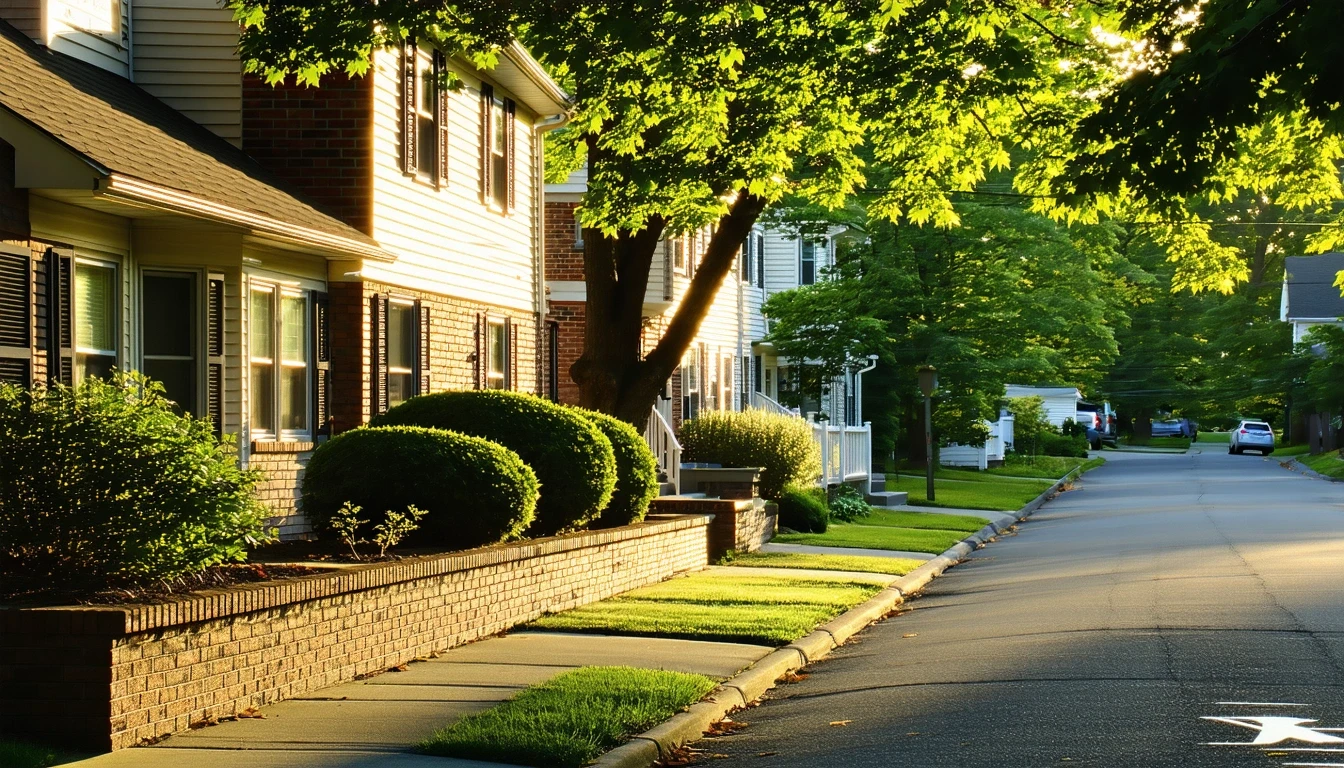
What “Living Comfortably” Means in Deptford Township
Comfort in Deptford Township looks like this: you can cover rent or a mortgage without constant anxiety, handle a 25-minute commute without it dominating your day, and absorb seasonal utility swings when heating or cooling demands spike. It means you’re not choosing between groceries and gas, and you have enough margin to handle an unexpected car repair or a higher-than-usual electric bill in July.
It also means accepting the structure of the place. Deptford Township sits in the Philadelphia metro area with a mixed urban form—residential and commercial land use blend together, but food and grocery options tend to concentrate along specific corridors rather than within easy walking distance of every home. Rail service is present, which helps, but the majority of households still rely on cars for daily errands. The median household income here is $90,995 per year, and the regional price level runs about 4% above the national average, which means a dollar doesn’t stretch quite as far as it might elsewhere.
Comfort isn’t about eating out every weekend or taking multiple vacations. It’s about predictability, breathing room, and the ability to make decisions without every choice feeling like a tradeoff.
Where Income Pressure Shows Up First
Housing dominates. Median gross rent sits at $1,452 per month, and for homeowners, the median home value of $235,800 translates into mortgage payments, property taxes, insurance, and maintenance. For renters, that $1,452 figure represents a fixed monthly obligation that doesn’t flex when other costs rise. For owners, the pressure is more diffuse but persistent—property taxes in New Jersey are high, insurance costs have climbed, and older homes often demand ongoing upkeep.
Transportation adds a second layer. The average commute is 25 minutes, but more than a third of workers face longer trips. Gas prices currently sit at $2.93 per gallon, and while rail service exists, most households still depend on cars for errands, school runs, and getting to work. The corridor-clustered layout of grocery stores and services means even short trips often require driving, and that frequency adds up over time.
Utilities create seasonal volatility. Electricity rates run 22.98¢ per kWh, and natural gas costs $14.66 per MCF. Mid-Atlantic summers bring heat and humidity, which push cooling costs higher, while winters demand heating. These swings aren’t catastrophic, but they require households to budget for variability rather than fixed monthly totals.
For families, the infrastructure is strong—school density and playground availability both meet meaningful thresholds—but the logistics are more complex. Multiple stops for groceries, activities, and appointments mean more driving, more time, and more fuel. The place supports family life well, but it doesn’t make it effortless.
How the Same Income Feels Different by Household
A single adult earning the median household income has significant flexibility. Housing costs are still substantial, but one person can often find smaller units or share space to reduce rent. The presence of rail service and moderate pedestrian infrastructure means some car-light living is possible, though most still find car ownership necessary for errands. The corridor-based layout of stores adds planning friction, but solo schedules are easier to optimize.
Couples experience the same costs with two incomes, which changes the math considerably. Housing pressure eases, commute coordination becomes the primary logistical challenge, and there’s more capacity to absorb utility swings or unexpected expenses. If both partners work locally or can stagger schedules, the 25-minute average commute feels manageable. If one partner works farther out, transportation costs and time start to bite.
Families face the most pressure. Larger housing needs push costs higher, whether renting or owning. School and playground infrastructure is strong, which is a real advantage, but daily errands multiply. Grocery runs, activity drop-offs, and appointments all require driving, and the corridor-clustered layout means fewer quick walks to the store. Time becomes as constrained as money, and the logistical load falls unevenly across households depending on work schedules and childcare arrangements.
The Comfort Threshold (Qualitative)
The threshold where comfort begins isn’t a single income figure—it’s the point where housing stops dictating every other decision. It’s when a higher utility bill in August doesn’t require cutting back elsewhere, when a car repair is an annoyance rather than a crisis, and when you can occasionally choose convenience over cost without guilt.
For renters, it’s the ability to cover $1,452 per month and still have margin for everything else. For owners, it’s carrying the mortgage, taxes, insurance, and maintenance without feeling stretched. For families, it’s managing the logistics of multiple stops and longer days without constant financial or time pressure.
Households below this threshold can survive in Deptford Township, but they’re making tradeoffs constantly. Households above it have choices. The difference isn’t luxury—it’s flexibility.
Why Online Cost Calculators Get Deptford Township Wrong
Most cost-of-living calculators add up rent, utilities, groceries, and transportation, then spit out a total. But totals don’t explain how costs actually behave. They don’t account for the fact that errands here require planning because stores cluster along corridors, not within walking distance of most homes. They don’t capture the difference between a 25-minute commute and the 36.9% of workers who face longer trips. They don’t explain how seasonal utility swings affect monthly predictability, or how strong family infrastructure offsets logistical complexity.
Calculators also assume lifestyle uniformity. They treat a single adult, a couple, and a family as if they experience the same place in the same way. But a single adult might use rail service and live car-light in certain areas, while a family with two kids will almost certainly need a car and face higher housing costs. The structure of the place—its mixed walkability, rail access, and corridor-based errands—matters more than the average total.
People feel surprised after moving because they optimized for a number instead of understanding how their household would actually function here. The calculator said it was affordable, but it didn’t explain that grocery runs would require driving, or that a 25-minute commute could stretch longer depending on where you work, or that summer cooling costs would spike in ways that don’t show up in annual averages.
How to Judge Whether Your Income Fits Deptford Township
Instead of asking “Is my income high enough?” ask these questions:
- Can you absorb $1,452 per month in rent, or equivalent ownership costs, without it dominating your budget? If housing takes up so much of your income that every other expense feels tight, comfort will be hard to find here.
- How do you feel about a 25-minute commute, and do you have flexibility if it runs longer? More than a third of workers here face longer trips, and transportation costs add up when you’re driving daily.
- Are you comfortable planning errands around corridor-based shopping, or do you expect walkable convenience? Deptford Township has moderate walkability in pockets and rail access, but most households still rely on cars for groceries and daily tasks.
- Can you handle seasonal utility swings without stress? Mid-Atlantic summers and winters create variability in heating and cooling costs, and predictability matters more than averages.
- If you have kids, can you manage the logistics of multiple stops and longer days? The infrastructure is strong, but family life here requires coordination and driving.
There’s no pass or fail. The goal is to understand whether your income, household structure, and expectations align with how this place actually works.
FAQs About Living Comfortably in Deptford Township
Is $90,995 per year enough to live comfortably in Deptford Township?
It depends on your household size and expectations. For a couple, that income provides meaningful flexibility. For a single adult, it’s more than enough. For a family, it’s workable but requires careful management of housing, transportation, and logistics. Comfort isn’t guaranteed by income alone—it depends on how your household absorbs the specific cost structure here.
Can you live in Deptford Township without a car?
Rail service is present, and some areas have moderate pedestrian infrastructure, so car-light living is possible for certain households—particularly single adults or couples without kids. But grocery stores and services cluster along corridors rather than spreading evenly, so most households find car ownership necessary for daily errands and flexibility.
How much does commuting cost in Deptford Township?
The average commute is 25 minutes, but more than a third of workers face longer trips. Gas prices currently sit at $2.93 per gallon, and frequency matters as much as distance. If you’re driving daily for work and errands, fuel costs add up. Rail access helps some commuters, but most still rely on cars for at least part of their transportation needs.
Are utility costs in Deptford Township higher than average?
Electricity rates run 22.98¢ per kWh, and natural gas costs $14.66 per MCF. These rates aren’t extreme, but Mid-Atlantic summers and winters create seasonal swings in heating and cooling demand. The variability matters more than the averages—you need margin to handle higher bills in peak months without stress.
Is Deptford Township a good place for families on a budget?
The infrastructure is strong—school density and playground availability both meet meaningful thresholds—which supports family life well. But families face higher housing costs, more complex logistics, and greater transportation demands. It’s not that Deptford Township is unaffordable for families; it’s that family life here requires both income margin and logistical capacity. If you have both, it can work well. If you’re stretched on either front, the tradeoffs become constant.
How this article was built: In addition to public economic data, this article incorporates location-based experiential signals derived from anonymized geographic patterns—such as access density, walkability, and land-use mix—to reflect how day-to-day living actually feels in Deptford Township, NJ.
Deptford Township can work well for some households—but only if expectations match reality. Comfort here isn’t about hitting a specific income threshold. It’s about understanding where money goes, how your household navigates the structure of the place, and whether you have enough margin to handle variability without constant stress. If your income gives you choices rather than forcing tradeoffs, Deptford Township offers a functional, well-supported environment. If you’re already stretched, the pressure points—housing, transportation, logistics—will show up quickly.