
Maya sits in a coffee shop near campus, laptop open, comparing off-campus apartments in Dearborn. She’s narrowing her search to places within walking distance of University of Michigan-Dearborn, weighing rent against the freedom of not needing a car. Her spreadsheet has tabs for shared houses, studio apartments, and purpose-built student complexes—each with different tradeoffs between cost, location, and lifestyle. For thousands of students like Maya, student living in Dearborn means navigating a genuine college town with moderate costs, walkable neighborhoods, and access to both campus resources and the broader Detroit metro area.
Why Students Choose Dearborn
Dearborn earns a student-friendliness score of 72 out of 100, reflecting its strong institutional foundation, practical infrastructure, and moderate cost structure. The presence of University of Michigan-Dearborn and Henry Ford College creates authentic college town character—campus life shapes the rhythm of neighborhoods, local businesses cater to student schedules, and the academic calendar drives seasonal patterns in housing and employment. This isn’t a city where students feel like outsiders; it’s a place where student needs are woven into the community fabric.
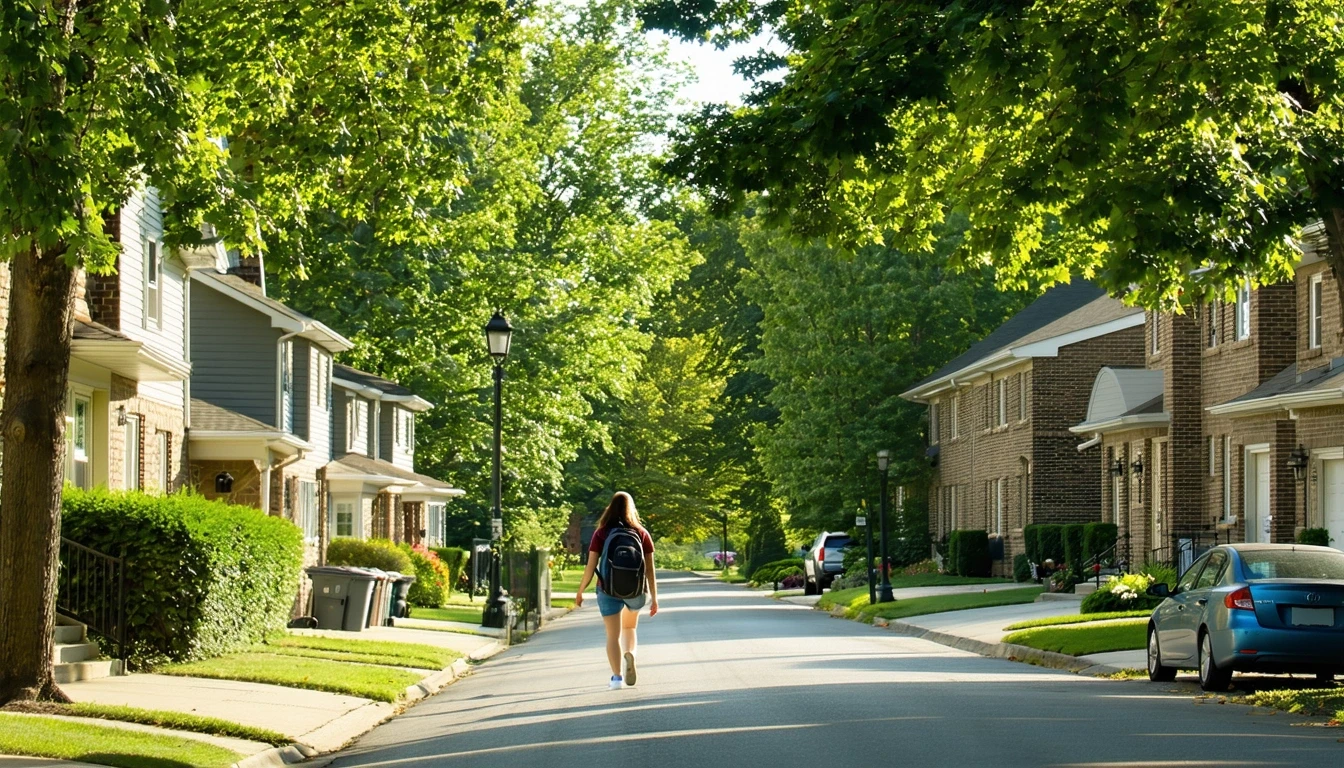
What makes Dearborn particularly appealing is the combination of walkable pockets with rail transit access. Students can structure their daily lives around foot traffic and public transportation rather than car ownership—a significant advantage when budgets are tight and parking is a hassle. The pedestrian infrastructure in key areas exceeds typical suburban standards, meaning errands, campus commutes, and social activities can happen without constant driving. For students weighing the true cost of college towns, the ability to skip car payments, insurance, and parking permits creates meaningful financial breathing room.
The city’s regional price parity index of 98—slightly below the national baseline—suggests that everyday costs track moderately compared to other college markets. Combined with high grocery density and corridor-clustered food options, students find that running errands doesn’t require elaborate planning or long drives. Parks and green spaces are integrated throughout the city, providing outdoor study spots, recreation areas, and mental health breathing room during high-stress academic periods. These aren’t luxuries—they’re practical infrastructure that shapes how manageable student life feels day to day.
Housing Options for Students
The off-campus rental market in Dearborn reflects a mix of single-family homes, older apartment complexes, and purpose-built student housing near campus. Median gross rent across the city is $1,205 per month, but this figure includes family-sized units and larger apartments. Students typically access the market at lower price points by sharing houses or renting studios and one-bedrooms in older buildings. Shared three-bedroom houses within walking distance of UM-Dearborn often split into per-person costs well below the citywide median, especially when roommates divide utilities and internet.
Purpose-built student housing complexes near campus offer furnished units, flexible lease terms, and roommate-matching services, though these conveniences typically come at a premium. The tradeoff is predictability: all-inclusive rent, no utility surprises, and leases that align with the academic calendar rather than standard twelve-month terms. For students prioritizing simplicity and proximity to campus, these complexes reduce logistical friction even if they don’t represent the cheapest option. Traditional apartments and rental houses, by contrast, require more upfront coordination—finding roommates, setting up utilities, negotiating lease terms—but offer greater flexibility and often lower monthly costs.
Lease terms in Dearborn’s off-campus market generally follow standard Michigan practices: twelve-month leases are most common, with security deposits typically equal to one month’s rent. Some landlords near campus offer nine-month or academic-year leases, particularly in buildings that cater primarily to students, but these are less universal than in larger college towns. Students should expect to provide proof of income or a co-signer, especially if they’re renting without established credit history. Roommate-finding resources include campus housing boards, university Facebook groups, and local property management companies that specialize in student placements.
Getting Around: Transportation and Campus Access
Dearborn’s rail transit presence and walkable pockets fundamentally change the transportation calculus for students. Unlike car-dependent suburbs where every errand requires driving, key areas of Dearborn support a foot-and-transit lifestyle. Students living near campus or along transit corridors can structure their routines around walking, biking, and public transportation, reserving car use for occasional trips rather than daily necessity. This isn’t just about saving money—it’s about reducing the cognitive load of car ownership, parking logistics, and maintenance schedules during academically demanding semesters.
The city’s bike infrastructure exists in pockets, meaning cycling is viable in some neighborhoods but not universally seamless. Students who prioritize biking should focus their housing search on areas with dedicated bike lanes or low-traffic residential streets that connect to campus. Campus shuttle services at UM-Dearborn provide additional mobility options, particularly for students living slightly farther from academic buildings or needing evening transportation when walking feels less comfortable. Ride-sharing costs remain an option for late-night returns or trips beyond the transit network, though frequent use adds up quickly.
For students who do bring cars, parking availability varies by neighborhood and housing type. Street parking in residential areas near campus is generally accessible, though some blocks require permits during academic terms. Purpose-built student housing typically includes parking, but traditional apartment complexes may charge separately for spots. Gas prices in Dearborn currently sit at $2.83 per gallon, which matters primarily for students making regular trips home or commuting from farther suburbs. The key decision isn’t whether cars are possible in Dearborn—it’s whether they’re necessary, and for many students, the answer is no.
Student Cost of Living
Monthly expenses for students in Dearborn depend heavily on housing arrangements and lifestyle choices. A frugal student sharing a house with roommates, cooking most meals, and relying on campus resources can operate on a significantly tighter budget than someone living solo in a purpose-built complex with frequent dining out. The difference isn’t just about preferences—it’s about how much financial margin students have for unexpected expenses, social activities, and academic materials beyond tuition.
Food costs reflect Dearborn’s high grocery density and corridor-clustered restaurant options. Students who cook regularly benefit from competitive grocery prices and multiple store options within walking or short driving distance. Derived estimates based on regional price parity suggest costs like bread around $1.80 per pound, chicken at $1.98 per pound, and eggs at $2.66 per dozen—these are illustrative figures adjusted for local conditions, not observed retail prices, but they provide context for meal planning. Students balancing dining hall plans, home cooking, and occasional restaurant meals should budget for the mix that matches their schedule and cooking access.
Utility costs create seasonal variability, particularly during Dearborn’s cold winters. Electricity rates of 19.94¢ per kWh mean that heating costs in older, less-insulated rental units can spike during extended cold periods. Students in shared housing typically split utilities, which cushions individual exposure, but it’s worth asking landlords about average winter bills before signing leases. Textbook expenses vary by major and semester, though buying used, renting, or accessing digital versions can significantly reduce this line item. Entertainment and personal care costs depend entirely on individual habits—campus events, free community activities, and student discounts at local businesses provide low-cost options for students watching their budgets carefully.
Part-time job opportunities exist in Dearborn, though the local unemployment rate of 5.5% suggests a moderately competitive market. On-campus positions through work-study programs, library staffing, or departmental assistant roles offer schedule flexibility that aligns with academic demands. Off-campus options include retail, food service, and tutoring, particularly in businesses that cater to student schedules. Typical student wages vary by role and experience, but the key is finding work that doesn’t compromise academic performance—earnings help, but they rarely cover full cost of living without additional financial aid or family support.
Monthly Student Budget in Dearborn
Here’s what a typical monthly student budget might look like in Dearborn:
| Expense Category | Shared Housing | Solo Living |
|---|---|---|
| Housing (rent + utilities) | $500–$650 | $900–$1,100 |
| Food (groceries + occasional dining) | $250–$350 | $300–$400 |
| Transportation (transit/gas/parking) | $50–$100 | $80–$150 |
| Textbooks & supplies | $80–$120 | $80–$120 |
| Entertainment & social | $75–$150 | $100–$200 |
| Personal care & miscellaneous | $50–$100 | $75–$125 |
| Total Monthly Range | $1,005–$1,470 | $1,535–$2,095 |
Estimates based on average student spending patterns and local costs. Ranges reflect frugal to moderate lifestyle choices. Does not include tuition, fees, or health insurance.
Student-Friendly Amenities and Services
Dearborn’s integrated park system provides more than recreation—it offers practical infrastructure for student life. Parks with Wi-Fi access, shaded seating, and open green spaces become outdoor study locations during pleasant weather, mental health breaks between classes, and informal social gathering spots. The presence of water features adds to the environmental quality, creating spaces that feel restorative rather than purely functional. For students spending long hours in libraries and lecture halls, accessible green space isn’t a luxury—it’s a pressure valve.
Campus libraries and study spaces at UM-Dearborn and Henry Ford College anchor academic work, but students also rely on coffee shops with Wi-Fi and extended hours for variety and social study sessions. The corridor-clustered food environment means students can walk to cafes, casual restaurants, and grab-and-go options without elaborate transportation planning. This clustering creates natural social hubs where students run into classmates, form study groups, and build the informal networks that make college towns feel cohesive.
Healthcare access for students centers on campus health services and local clinics. Routine medical needs—illness, minor injuries, mental health counseling—are generally handled through campus resources or nearby clinics. The absence of a hospital in the immediate area means serious medical situations require travel, but for day-to-day health management, students have accessible options. Mental health resources, in particular, are critical during high-stress academic periods, and campus counseling services provide initial support even if longer-term care requires referrals.
Gym facilities, recreational sports, and student organizations operate primarily through campus infrastructure. Intramural leagues, club sports, and fitness centers provide physical activity options without requiring expensive private gym memberships. Student discounts at local businesses—restaurants, entertainment venues, retail stores—stretch budgets further, though the extent of these discounts varies by establishment. On-campus job boards and career services help students find part-time work that aligns with academic schedules, providing both income and professional development opportunities.
Social Scene and Nightlife
Social life for students in Dearborn revolves heavily around campus-driven activities—student organizations, intramural sports, campus events, and informal gatherings in residence halls or off-campus houses. The college town designation reflects genuine institutional presence, meaning the academic calendar shapes community rhythms and students form the core of social networks. This creates a cohesive student culture where it’s easy to meet people, join activities, and build friendships through shared academic and extracurricular experiences.
Nightlife options in Dearborn itself are more limited compared to larger college towns, but the city’s proximity to Detroit’s broader metro area expands entertainment possibilities significantly. Students willing to make short trips into Detroit access concerts, cultural events, professional sports, and a wider range of bars and music venues. This hybrid model—campus-centered social life during the week, metro-area exploration on weekends—gives students flexibility without requiring them to live in the heart of a major city with correspondingly higher costs.
Dating and social networking happen organically through classes, student organizations, and campus events. The integrated park system and walkable neighborhoods provide casual date options—coffee shops, outdoor walks, informal dining—that don’t require elaborate planning or significant expense. For students prioritizing social connection and community feel, Dearborn offers the intimacy of a college town where you regularly see familiar faces, balanced by access to a major metro area when you want broader options.
Safety and Practical Considerations
Campus safety measures at UM-Dearborn include security patrols, emergency call boxes, and escort services for students walking after dark. The walkable infrastructure and well-lit pedestrian areas in key neighborhoods support safe foot traffic, though students should remain aware of their surroundings and use campus resources when returning late at night. Transit safety on rail lines generally follows standard urban public transportation practices—stay alert, travel in groups when possible during late hours, and use campus shuttles as alternatives when available.
Academic support services—tutoring centers, writing labs, supplemental instruction—help students manage coursework demands and maintain academic standing. These resources are particularly valuable during challenging semesters or in difficult courses where students need additional support beyond lectures. Career services and internship coordination connect students with professional opportunities, both during college and in preparation for post-graduation employment. The local job market’s moderate competitiveness means students benefit from early engagement with career planning rather than waiting until senior year.
Emergency services and routine healthcare access through clinics provide day-to-day medical support, though students with chronic conditions or specialized needs should verify that local providers meet their requirements. The absence of a hospital in the immediate area isn’t a daily concern for most students, but it’s worth understanding where emergency care is located and how to access it if needed. Overall, Dearborn provides the practical infrastructure—safety resources, academic support, healthcare access—that allows students to focus on academics and social development rather than constant logistical problem-solving.
How Place Structure Shapes Student Life in Dearborn
The way Dearborn is physically organized—its walkable pockets, rail transit access, and corridor-clustered food options—directly determines how students move through their days. In neighborhoods with strong pedestrian infrastructure, students walk to class, stop at grocery stores on the way home, and meet friends at coffee shops without needing to plan transportation logistics. This reduces the cognitive load of daily life, freeing mental energy for academics and social connection rather than constant coordination of rides, parking, and schedules.
The high grocery density and mixed residential-commercial land use mean that errands integrate seamlessly into existing routines rather than requiring dedicated trips. Students can grab ingredients for dinner between classes, pick up supplies while walking home, or meet study groups at cafes that sit along their natural routes. This isn’t about convenience as luxury—it’s about reducing friction in daily household management, which matters enormously when balancing coursework, part-time jobs, and social commitments.
For students without cars, Dearborn’s infrastructure creates genuine viability for a transit-and-foot lifestyle. The rail presence provides reliable transportation for trips beyond walking distance, while the walkable pockets around campus mean daily needs don’t require wheels. This fundamentally changes the financial pressure of student living—no car payment, no insurance, no maintenance, no parking fees—which can represent thousands of dollars per year in savings. The city’s physical structure doesn’t just make car-free living possible; it makes it practical and sustainable throughout a multi-year academic program.
How this article was built: In addition to public economic data, this article incorporates location-based experiential signals derived from anonymized geographic patterns—such as access density, walkability, and land-use mix—to reflect how day-to-day living actually feels in Dearborn, MI.
FAQs About Student Life in Dearborn
What’s the average cost of student living in Dearborn?
Students sharing housing typically spend $1,000–$1,500 per month on rent, utilities, food, transportation, and personal expenses, excluding tuition and fees. Solo living in purpose-built student housing or one-bedroom apartments pushes monthly costs toward $1,500–$2,100. The biggest variable is housing arrangement—shared houses with roommates offer the most affordable option, while solo living in newer complexes costs significantly more. Students who cook regularly, use public transit, and take advantage of campus resources can operate on the lower end of these ranges.
How safe is it for students to live off-campus in Dearborn?
Off-campus safety in Dearborn depends on neighborhood choice and personal awareness. Areas with strong pedestrian infrastructure and regular foot traffic generally feel safer, particularly near campus where student density is higher. Campus security resources—escort services, emergency call boxes, safety apps—extend support to students living nearby. Standard urban safety practices apply: stay aware of surroundings, travel in groups late at night, keep doors and windows locked, and use well-lit routes. Students should visit neighborhoods at different times of day before signing leases to get a feel for the environment and talk to current residents about their experiences.
Are there good part-time job opportunities for students?
Part-time opportunities exist both on and off campus, though the local unemployment rate of 5.5% suggests moderate competition. On-campus positions through work-study, library staffing, departmental assistants, and campus dining offer schedule flexibility that aligns with academic demands. Off-campus options include retail, food service, tutoring, and internships related to specific majors. The key is finding work that complements rather than competes with academic priorities—earnings help reduce financial pressure, but maintaining academic standing remains the primary goal. Students should engage with campus career services early to identify opportunities that build both income and professional experience.
What’s the social scene like for college students in Dearborn?
Social life centers on campus-driven activities—student organizations, intramural sports, campus events, and informal gatherings. The genuine college town character means students form the core social network, making it easy to meet people and build friendships through shared academic and extracurricular experiences. Nightlife options in Dearborn itself are more limited, but proximity to Detroit expands entertainment possibilities for students willing to make short trips. The hybrid model—campus-centered during the week, metro-area exploration on weekends—provides social variety without requiring students to live in a major urban center with higher costs. Parks, coffee shops, and walkable neighborhoods offer casual social spaces for informal hangouts and study groups.
Making the Decision: Is Dearborn Right for Your College Years?
Dearborn works best for students who value genuine college town character, moderate costs, and practical infrastructure over big-city nightlife and entertainment density. The presence of UM-Dearborn and Henry Ford College creates authentic student community, while walkable neighborhoods and rail transit make car-free living genuinely viable. Students who prioritize financial breathing room, outdoor access, and the ability to structure daily life around foot traffic and public transportation will find Dearborn’s infrastructure well-suited to their needs.
The city’s limitations are equally clear: nightlife and entertainment options are more constrained than in larger college towns, the job market is moderately competitive, and cold winters create seasonal heating cost exposure. Students who need extensive medical specialists, prefer urban density and constant activity, or want car-free access to major cultural institutions may find Dearborn’s scale limiting. The absence of a hospital and reliance on clinics for routine care works for most students but requires awareness for those with complex health needs.
For prospective students and parents, the decision comes down to priorities. If affordability, walkability, integrated green space, and genuine college community matter most, Dearborn delivers strong value. If nightlife variety, major urban amenities, and entertainment density are non-negotiable, the city’s proximity to Detroit provides access without requiring residence in the urban core. Visit campus, explore neighborhoods on foot, talk to current students about their experiences, and assess whether Dearborn’s particular mix of advantages and tradeoffs aligns with your academic and lifestyle goals. The infrastructure is there—the question is whether it matches what you need for a successful college experience.