
It’s 7:45 a.m., and Sarah pulls out of her driveway on the west side of Danville, coffee in hand, heading toward her office near the downtown square. She passes tree-lined streets, a few neighbors walking dogs, and the occasional cyclist on a side road. The drive takes twelve minutes. There’s no bus to catch, no train schedule to check—just the hum of her engine and the predictability of a short, car-dependent commute. This is how most people in Danville get around: behind the wheel, on their own schedule, navigating a small city where public transit plays little to no role in daily life.
Understanding transportation options in Danville means recognizing that this is a place built around the car. While some pockets of the city offer walkable blocks and tree-shaded sidewalks, the infrastructure for getting from home to work, errands to appointments, or school to practice almost always assumes you’re driving. For newcomers weighing a move here, that reality shapes everything from where you live to how you structure your day.
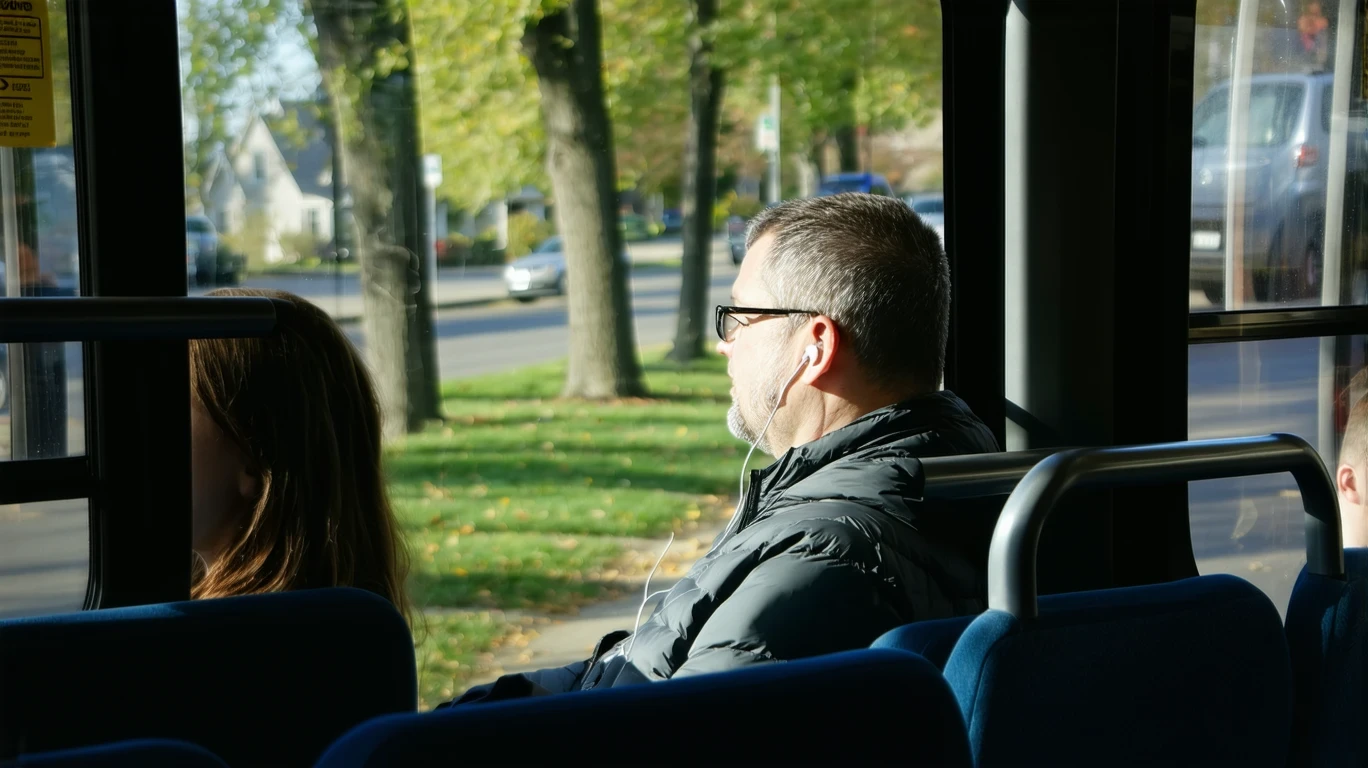
How People Get Around Danville
Danville is a small city where the car is king. The street grid includes some pedestrian-friendly zones—particularly near the historic downtown core and in a few residential neighborhoods with sidewalks and modest density—but these walkable pockets don’t extend citywide. Most of the residential fabric is low-density, single-family housing spread across a landscape that requires a vehicle to connect the dots between home, grocery stores, schools, and workplaces.
The city’s layout reflects its history as a regional hub in central Kentucky, with commercial corridors clustered along main roads and residential streets branching off into quieter subdivisions. Sidewalks exist in some areas, but they’re not continuous. Bike infrastructure is present in limited zones, offering some residents the option to cycle for recreation or short trips, but it’s not a primary mode of transportation for most households.
What newcomers often misunderstand is the degree to which car ownership is assumed here. In larger cities, you might weigh the tradeoff between owning a car and relying on transit. In Danville, that tradeoff doesn’t really exist. The question isn’t whether you need a car—it’s how often you’ll use it, and whether your household can function with one vehicle or needs two.
Public Transit Availability in Danville
Public transit, as most people understand it—buses running on fixed routes, regional rail connections, or paratransit services—does not play a significant role in Danville’s transportation landscape. The city lacks the density and infrastructure that typically support frequent, reliable transit service. There are no detectable bus stops, rail stations, or transit hubs at the scale that would make public transportation a practical option for daily commuting or errands.
This absence isn’t a gap in service—it’s a reflection of the city’s size, layout, and development pattern. Danville is a place where households plan around driving, not around transit schedules. For residents who rely on public transportation in other cities, this shift can feel isolating at first. There’s no fallback option if your car breaks down, no late-night bus to catch after an evening out, no way to avoid the costs and responsibilities of vehicle ownership.
That said, the city’s compact geography means that even without transit, most destinations are reachable within a short drive. The average commute in Danville is just 18 minutes, and the majority of trips—whether to the grocery store, a doctor’s appointment, or a child’s school—take less than fifteen minutes door-to-door. The tradeoff is clear: you’re driving, but you’re not driving far.
Driving & Car Dependence Reality
In Danville, driving isn’t just the most common way to get around—it’s the only practical way for most households. The city’s commercial zones are clustered along corridors rather than distributed evenly across neighborhoods, which means even residents in walkable pockets still drive for groceries, healthcare, and most services. Parking is abundant and free in most areas, which removes one of the friction points that makes driving less appealing in denser cities.
Car dependence here is shaped by geography and infrastructure, not by preference. The residential streets are quiet and pleasant, but they don’t connect seamlessly to the places people need to go. Sidewalks peter out. Bike lanes are sporadic. Crosswalks are sparse outside the downtown core. The result is a built environment that assumes you’re arriving by car, and that assumption is baked into everything from strip mall layouts to school drop-off zones.
For families, this often means managing multiple vehicles. One adult drives to work while another handles school runs, errands, and appointments. For single-person households or couples without children, one car might suffice—but only if both partners work near home or can coordinate schedules. The flexibility that comes with car ownership is real, but so is the exposure: maintenance, insurance, fuel, and registration costs are unavoidable, and there’s no transit option to fall back on if those expenses spike.
Gas prices in Danville currently sit at $2.55 per gallon, which is relatively moderate but still a recurring cost that compounds with every trip. The city’s compact size keeps mileage low for most residents, but the necessity of driving for nearly every errand means fuel consumption adds up steadily over time.
Commuting Patterns & Daily Mobility
Commuting in Danville is shaped by proximity and simplicity. With an average commute time of 18 minutes, most workers aren’t spending long stretches on the road. The city’s small footprint and its position as a regional hub mean that many residents both live and work within Boyle County, while others commute to nearby Lexington or other towns in the Bluegrass region.
About 22.1% of workers face longer commutes, typically those traveling outside the county for employment. These commuters are absorbing more time, fuel, and vehicle wear, and they’re also more exposed to fluctuations in gas prices and road conditions. For them, proximity to major routes like U.S. 127 or U.S. 150 becomes a meaningful factor in housing decisions.
Only 6.6% of Danville workers work from home, which is below the national average and reflects the city’s employment mix. Many jobs here are in education, healthcare, manufacturing, and retail—sectors that require physical presence. For households with remote work flexibility, Danville’s low commute times and affordable housing can be a strong combination, but that flexibility is the exception, not the rule.
Daily mobility here isn’t just about commuting to work. It’s about the cumulative trips: dropping kids at school, picking up groceries, running to the pharmacy, attending evening activities. Because errands are clustered along commercial corridors rather than distributed throughout neighborhoods, even short trips require getting in the car. The city’s layout rewards those who can batch errands efficiently, but it penalizes those who need to make frequent, scattered trips throughout the day.
Who Transit Works For — and Who It Doesn’t
In Danville, public transit doesn’t work for anyone—because it doesn’t exist in a form that supports daily life. This isn’t a city where some households can rely on buses while others drive. It’s a city where every household, regardless of income, age, or location, must plan around car ownership.
That reality creates different challenges for different groups. For young professionals or recent graduates, the lack of transit means that moving to Danville requires either owning a car or arranging rides, which can be a barrier if you’re relocating from a city where car-free living was possible. For older adults or those with mobility limitations, the absence of paratransit or accessible transit options means that losing the ability to drive can lead to isolation and dependence on family or friends for transportation.
For families, the car-dependent structure is more familiar but still demanding. Households with children often need two vehicles to manage school, work, and activities without constant coordination. Single parents face particular pressure, as every trip requires either bringing kids along or arranging care.
Renters and homeowners face the same transportation reality here, but renters may feel it more acutely if they’re living in peripheral neighborhoods with fewer walkable amenities. Homeowners in the downtown core or in neighborhoods with sidewalks and nearby shops can walk for some errands, but even they’re driving for most needs. The walkable pockets that exist in Danville are real, but they’re limited in scope and don’t eliminate the need for a car.
Transportation Tradeoffs in Danville
The tradeoff in Danville isn’t between driving and taking transit—it’s between accepting car dependence and choosing a city where transit is viable. If you’re comparing Danville to Lexington, Louisville, or other cities with bus service, the difference is structural. You’re trading the option of transit for lower housing costs, shorter commutes, and a quieter, slower-paced environment. Whether that tradeoff works depends on how much you value transportation flexibility versus affordability and proximity.
Driving in Danville offers predictability and control. You’re not waiting for a bus that might be late or navigating a route that doesn’t quite reach your destination. You’re not dealing with crowded trains or service disruptions. But you’re also absorbing all the costs and risks of vehicle ownership: maintenance, insurance, fuel, and the occasional breakdown. There’s no backup plan, no way to offload those costs onto a transit system.
For households that already own a car, Danville’s transportation structure is straightforward and low-friction. For those who don’t, or who are accustomed to car-free or car-light living, the adjustment can be significant. The city’s compact size and short commute times soften the impact, but they don’t eliminate the need to drive.
FAQs About Transportation in Danville (2026)
Is public transit usable for daily commuting in Danville?
No. Danville does not have public transit infrastructure that supports daily commuting. Residents rely on personal vehicles for work, errands, and most trips.
Do most people in Danville rely on a car?
Yes. Car ownership is effectively required in Danville. The city’s layout, density, and lack of transit options make driving the only practical way to manage daily life.
Which areas of Danville are easiest to live in without a car?
No area of Danville is truly car-free, but the downtown core and a few nearby neighborhoods with sidewalks and clustered amenities allow residents to walk for some errands. Even in these areas, a car is necessary for groceries, healthcare, and most services.
How does commuting in Danville compare to nearby cities?
Danville’s average commute time of 18 minutes is shorter than in Lexington or Louisville, and traffic congestion is minimal. However, Danville lacks the transit options available in those larger cities, so all commuting is car-dependent.
What happens if I don’t own a car in Danville?
Not owning a car in Danville significantly limits mobility. You’ll need to rely on rides from others, arrange carpools, or use ride-hailing services for most trips. There is no public transit system to serve as an alternative.
How Transportation Fits Into the Cost of Living in Danville
Transportation in Danville isn’t just a line item—it’s a structural factor that shapes where you live, how you spend your time, and how much control you have over daily logistics. Because driving is required, vehicle-related costs—insurance, maintenance, fuel, registration—are unavoidable for nearly every household. These costs don’t fluctuate as dramatically as rent or utilities, but they’re persistent and they compound over time.
The city’s short commute times and low traffic mean that fuel consumption and vehicle wear are lower than in sprawling metro areas, but the lack of transit means there’s no way to reduce transportation costs by shifting modes. You can drive less by batching errands or working from home, but you can’t eliminate the need to own and maintain a vehicle.
For a fuller picture of how transportation costs fit into [your monthly budget in Danville](/danville-ky/monthly-budget/), including housing, utilities, and other recurring expenses, the Monthly Budget article provides detailed context. Transportation is just one piece of the puzzle, but in a car-dependent city, it’s a piece that every household has to account for.
Danville’s transportation reality is straightforward: you’ll drive, you’ll drive often, and you’ll drive short distances. The city’s layout and infrastructure make that inevitable. What you do with that knowledge—whether you choose Danville because of its affordability and quiet pace, or look elsewhere for transit options—is a decision only you can make. But at least now, you know what you’re working with.
How this article was built: In addition to public economic data, this article incorporates location-based experiential signals derived from anonymized geographic patterns—such as access density, walkability, and land-use mix—to reflect how day-to-day living actually feels in Danville, KY.