
Is Cupertino the kind of place you grow roots—or just pass through? For many, this Silicon Valley city represents the pinnacle of suburban achievement: excellent schools, safe streets, tech-fueled prosperity, and meticulously maintained neighborhoods. For others, it’s a place that feels more like a well-run machine than a vibrant community—efficient, comfortable, but lacking the spontaneity and texture that make a city feel alive. The emotional experience of living here depends less on what Cupertino offers and more on what you’re hoping to find.
The city’s vibe is shaped by its role as a bedroom community for the tech industry, its family-oriented infrastructure, and the tradeoffs that come with both. People who thrive here tend to value predictability, educational quality, and access to nature over nightlife, walkability to diverse experiences, or cultural grit. Those who struggle often describe feeling isolated, overscheduled, or priced out—even when their income would be comfortable elsewhere.
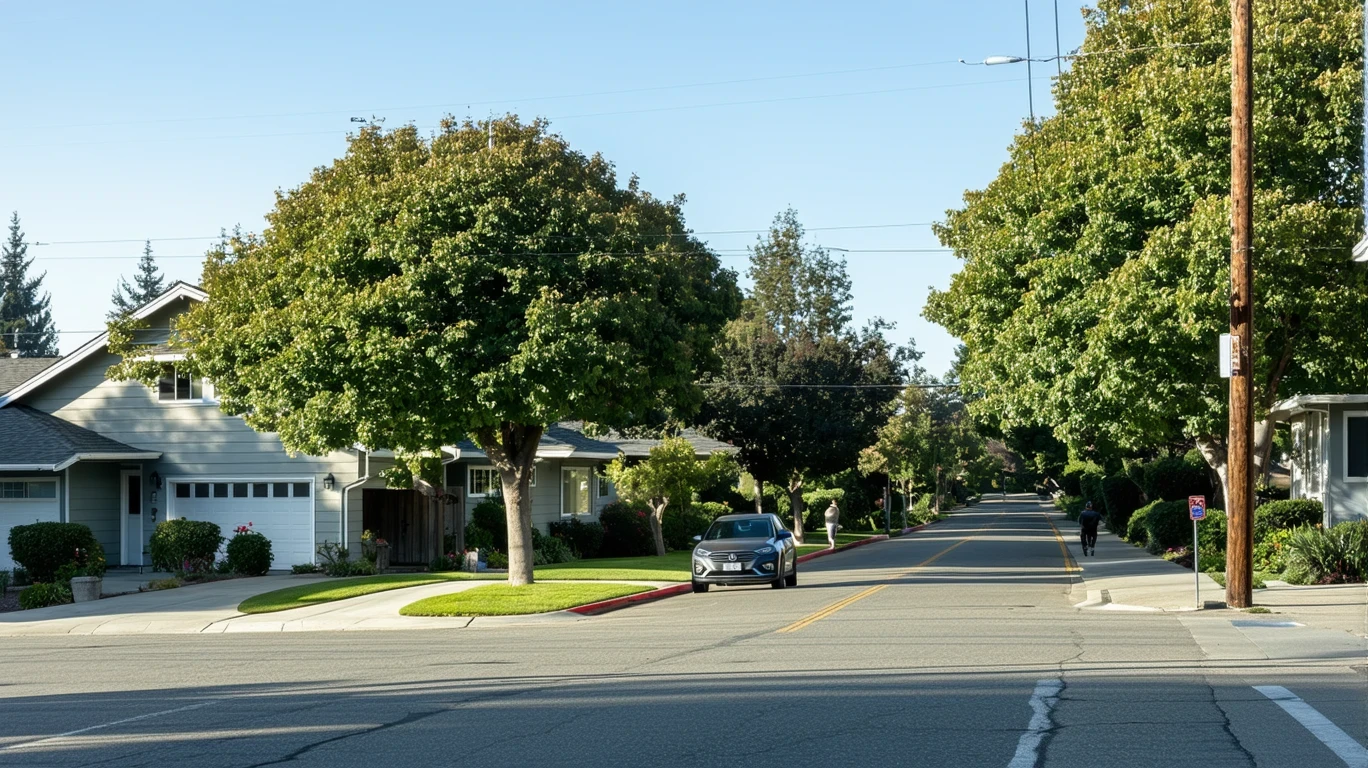
The Emotional Landscape of Cupertino
Cupertino’s overall sentiment is one of quiet pride mixed with underlying tension. Residents frequently express gratitude for what the city does well—top-tier schools, abundant parks, low crime, and a sense of order—but there’s also a recurring theme of sacrifice. The cost of entry is steep, both financially and culturally. Many describe the city as a place where you trade vibrancy for stability, where you invest heavily in your children’s future while postponing your own sense of adventure.
The city’s infrastructure supports family logistics exceptionally well. With park density exceeding high thresholds and both schools and playgrounds meeting density benchmarks, day-to-day errands and outdoor access feel manageable. Food and grocery options are broadly accessible, and pedestrian infrastructure in certain pockets makes it possible to walk to essentials without always needing a car. Yet the urban form remains mixed—neither fully suburban nor urban—which can leave some residents feeling caught between two worlds.
For families with school-age children, Cupertino often feels like the right choice. For young professionals, retirees seeking social connection, or creatives wanting spontaneity, the city can feel emotionally flat. The question isn’t whether Cupertino is “good”—it’s whether its particular blend of order, expense, and family focus matches what you need right now.
Social Media Buzz in Cupertino
Online discussions about Cupertino tend to revolve around a few recurring themes: housing costs, school quality, traffic, and the lack of nightlife or cultural diversity. The tone is rarely angry, but it’s often weary—people acknowledge the city’s strengths while venting about the tradeoffs they didn’t fully anticipate.
On platforms like Reddit and local Facebook groups, you’ll find threads about the challenge of affording a home even on a six-figure salary, the pressure-cooker academic culture, and the difficulty of making friends outside of parent networks. There’s also a protective streak—longtime residents bristle when outsiders dismiss Cupertino as “boring” or “just a suburb,” pointing to the city’s green spaces, safety, and sense of community as undervalued assets.
“It’s a great place to raise kids, but I sometimes feel like I’m living in a bubble. Everything is so… curated. I miss the randomness of city life.”
“People complain about the lack of nightlife, but that’s not what this place is for. If you want that, go to San Francisco. Cupertino is about stability and schools.”
“I love the parks and the trails, but I wish there were more local spots to just hang out without driving somewhere. It feels like everything requires a plan.”
The emotional tone is one of acceptance rather than enthusiasm. Most people aren’t ecstatic about living here—they’re pragmatic. They’ve chosen Cupertino for specific reasons and are willing to tolerate its limitations in exchange for those benefits.
Local News Tone
Local coverage of Cupertino tends to frame the city through the lens of growth, education, and infrastructure. Stories often focus on school achievements, new developments, traffic mitigation efforts, and community debates over zoning and density. The tone is generally civic-minded and solution-oriented, reflecting a population that expects competence and accountability from local government.
Simulated headline-style themes that capture the recurring topics include:
- “Community Debates What Growth Should Look Like”
- “School District Achievements Continue to Draw Families”
- “Residents Weigh Convenience vs Quiet as Development Expands”
- “New Amenities Arrive as Town Identity Evolves”
- “Traffic and Commute Times Remain Top Concerns”
The framing is rarely alarmist, but it does reflect an ongoing tension between preserving the suburban character that attracted people in the first place and accommodating the growth that comes with being part of a booming metro area. There’s a sense that Cupertino is in transition—not crisis, but not stasis either.
Review-Based Public Perception
On review platforms and community forums, Cupertino’s public perception splits along predictable lines. Families and long-time residents tend to praise the city’s safety, cleanliness, and educational resources. Younger residents and newcomers are more likely to express frustration with the lack of walkable entertainment, limited dining variety, and the sense that everything closes early.
Positive reviews often highlight the city’s parks, the quality of public facilities, and the ease of running errands in certain neighborhoods. People appreciate that grocery stores are plentiful, that streets feel safe at night, and that the city maintains a sense of order. The integrated green space—parks and water features woven into the residential fabric—earns consistent praise.
Critical reviews tend to focus on what’s missing: late-night options, independent coffee shops, live music venues, and the kind of spontaneous social interaction that comes from dense, mixed-use neighborhoods. Some residents describe feeling like they’re always in the car, even in areas with notable bike infrastructure and walkable pockets, because destinations are spread out and the urban form doesn’t encourage lingering.
“Everything you need is here, but nothing feels exciting. It’s all very… functional.”
“I appreciate the safety and the schools, but I wish there were more local spots with character. It all feels a bit corporate.”
“If you have kids, this place is amazing. If you don’t, it can feel pretty isolating.”
Comparison to Nearby Cities
| Aspect | Cupertino | Sunnyvale | Mountain View |
|---|---|---|---|
| Overall Vibe | Family-focused, orderly, suburban | More diverse, slightly grittier, mixed residential | Tech-centric, younger energy, more walkable downtown |
| Social Scene | Quiet, family-oriented, limited nightlife | Moderate dining and bar options, neighborhood feel | Livelier downtown, more singles and young professionals |
| Housing Pressure | Extreme, driven by school reputation | High, but slightly more variety in stock | High, but more rental options near downtown |
| Walkability | Pockets of pedestrian infrastructure, mostly car-dependent | Mixed, some walkable corridors | Stronger downtown core, better for errands on foot |
Cupertino, Sunnyvale, and Mountain View all share the high costs and tech-industry influence of Silicon Valley, but their emotional textures differ. Cupertino leans hardest into the suburban family model—schools, safety, and green space are the primary draws, and the city doesn’t try to be anything else. Sunnyvale offers a bit more variety in housing stock and a slightly less polished feel, which some find more approachable. Mountain View, with its more defined downtown and younger demographic, feels closer to an urban experience, though still far from a true city.
If you’re a family prioritizing education and outdoor access, Cupertino’s alignment is strong. If you’re a young professional wanting walkable nightlife and social serendipity, Mountain View might feel less isolating. If you want a middle ground—still suburban, but with a bit more texture—Sunnyvale could be worth exploring. None of these cities are “affordable” in any traditional sense, but the emotional fit varies significantly depending on your life stage and priorities.
What Locals Are Saying
“We moved here for the schools, and they’ve lived up to the hype. But the pressure is real—not just academically, but socially. Everyone’s kids are in five activities, and it’s hard not to feel like you’re falling behind.”
“I work in tech and make good money, but I still feel house-poor. The mortgage is manageable, but when you add in everything else—childcare, activities, eating out—it’s tight. I thought we’d feel more comfortable at this income level.”
“I love that I can walk to the grocery store and the park from my neighborhood. It’s one of the few places in the Bay Area where I don’t feel completely car-dependent, at least for daily errands.”
“As a single person in my thirties, Cupertino feels like the wrong fit. Everyone’s married with kids, and there’s nowhere to just… hang out. I end up driving to San Jose or San Francisco most weekends.”
“The parks here are incredible. We spend almost every weekend at one of the trails or open spaces. That’s what makes the cost worth it for us—we’re outside all the time.”
“It’s a very homogeneous place, culturally and economically. If you fit the mold—tech job, family, high income—it works. If you don’t, you feel it.”
“I’ve lived here for twenty years, and I’ve watched it change. It’s cleaner, safer, and more expensive than it used to be. I’m not sure it’s better, just… different.”
Does Cupertino Feel Like a Good Fit?
Cupertino’s emotional profile is one of intentional tradeoffs. It’s a city that delivers on specific promises—safety, schools, parks, and order—while asking residents to accept what it doesn’t offer: spontaneity, affordability, cultural grit, or a strong singles scene. The people who feel at home here are those who value predictability and are willing to pay a premium for it, both financially and socially.
This tends to work for families with school-age children, dual-income tech professionals, and people who prioritize outdoor access and low crime over nightlife and walkable urbanism. It tends to frustrate young singles, creatives seeking community, and anyone hoping to build wealth through housing tradeoffs rather than income alone.
The city’s infrastructure supports family logistics well—errands are accessible, parks are plentiful, and schools meet high benchmarks—but the urban form remains mixed, and the social fabric can feel thin for those outside the parent network. If you’re evaluating whether Cupertino aligns with your needs, the question isn’t whether it’s a “good” city—it’s whether its particular blend of strengths and limitations matches your current life stage and priorities.
For a clearer picture of what drives expenses day-to-day, or to explore whether your income supports the lifestyle you’re hoping for, those factors will shape your experience as much as the city’s vibe itself.
How this article was built: In addition to public economic data, this article incorporates location-based experiential signals derived from anonymized geographic patterns—such as access density, walkability, and land-use mix—to reflect how day-to-day living actually feels in Cupertino, CA.
The perspectives shown reflect commonly expressed local sentiment and recurring themes in public discussion, rather than individual accounts.