
Ofallon is considered relatively affordable in 2025, with average rent for a 2-bedroom apartment around $1,300 and overall costs for housing, groceries, utilities, and taxes running below the national average.
Is the true cost of living higher than you think? Many families considering a move to Ofallon, IL find themselves surprised—not by sticker shock, but by how much further their dollar stretches compared to larger metro areas. Understanding the cost of living in Ofallon requires looking beyond headline numbers to examine the real monthly expenses that shape your budget: housing, utilities, groceries, transportation, and the often-overlooked fees that add up over time.
Ofallon sits in the Metro East region of Illinois, just across the river from St. Louis, offering suburban comfort with reasonable access to urban amenities. In 2025, the city continues to attract young families, military personnel stationed at nearby Scott Air Force Base, and retirees seeking a quieter lifestyle without sacrificing convenience. The monthly budget in Ofallon reflects a cost structure that balances affordability with quality of life, making it an appealing alternative to pricier suburbs on the Missouri side or within the St. Louis city limits.
Housing Costs in Ofallon
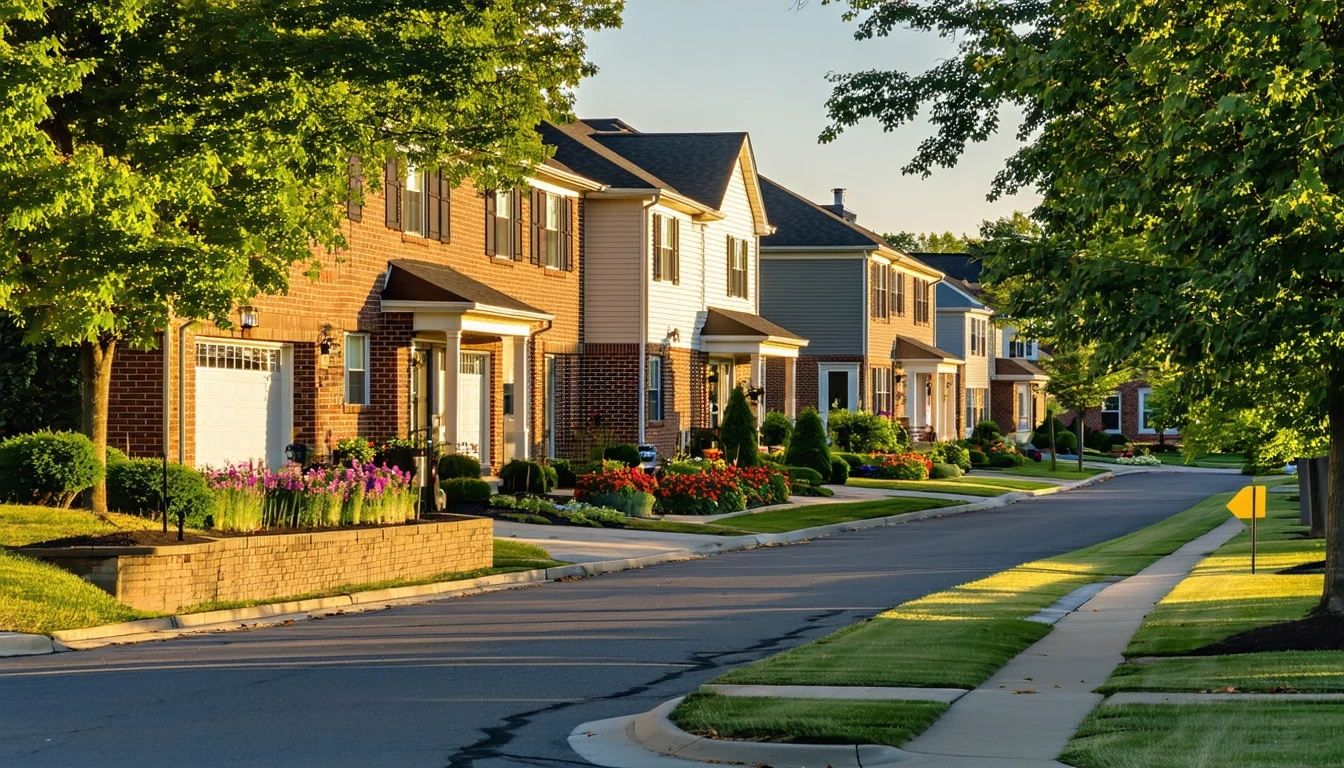
Housing represents the largest slice of most household budgets, and Ofallon delivers competitive options whether you’re renting or buying. The rental market for a standard 2-bedroom apartment typically ranges from $1,200 to $1,400 per month, depending on the neighborhood, amenities, and proximity to schools or shopping districts. Newer apartment complexes near the downtown corridor or along Route 50 command the higher end of this range, while older units or those farther from main thoroughfares offer more budget-friendly rates.
For buyers, the median home price in Ofallon hovers around $320,000 to $380,000 for a 3-bedroom single-family home. This price point reflects steady demand driven by the area’s strong school districts and family-friendly atmosphere. Neighborhoods like Thornbury Estates and Fairwood Hills feature well-maintained homes with HOA fees ranging from $50 to $150 per month, covering common area maintenance and sometimes trash collection. Older subdivisions closer to the city center may have lower or no HOA fees, but buyers should budget for potential maintenance on mature landscaping and aging infrastructure.
The housing market in Ofallon has remained relatively stable compared to the volatility seen in larger metros. Price changes over the past year have been modest, with slight appreciation in desirable school districts and near Scott Air Force Base. First-time buyers benefit from lower property taxes compared to neighboring Missouri counties, though Illinois’ overall tax structure requires careful planning. Renters should note that lease terms often include water and trash, but electricity and gas are typically separate, adding $100 to $180 per month depending on the season.
| Neighborhood | 2BR Rent | 3BR Home Price |
|---|---|---|
| Downtown Ofallon | $1,350 | $340,000 |
| Thornbury Estates | $1,400 | $375,000 |
| Fairwood Hills | $1,300 | $360,000 |
| West Ofallon | $1,250 | $315,000 |
Utilities and Energy Bills
Utility costs in Ofallon reflect the Midwest climate, with heating expenses dominating winter months and cooling costs rising during humid summer stretches. A typical household consuming around 1,000 kWh of electricity per month can expect to pay approximately $120 to $150 through Ameren Illinois, the primary electric provider. Natural gas service, also provided by Ameren, adds another $60 to $100 per month depending on heating needs. January and February bills often spike as furnaces work overtime, while July and August see increased air conditioning usage.
Water and sewer services are billed by the city, with average monthly costs ranging from $50 to $70 for a family of four. Trash collection is typically included in this bill or covered by HOA fees in managed communities. Internet and cable packages vary widely, but budget-conscious households can secure reliable high-speed internet for $60 to $80 per month through providers like Spectrum or AT&T. Bundling services often reduces costs, though streaming-only households may opt for internet-only plans and save considerably.
Seasonal fluctuations are real in Ofallon. Winter heating bills can double during cold snaps, while summer cooling costs rise when temperatures climb into the 90s with high humidity. Energy-efficient homes with updated insulation and modern HVAC systems see lower bills, making home age and condition a critical factor when budgeting. Renters should ask landlords about average utility costs for the specific unit, as older buildings with poor insulation can surprise new tenants with unexpectedly high bills.
| Utility Type | Avg Monthly Cost |
|---|---|
| Electricity (1,000 kWh) | $135 |
| Natural Gas | $80 |
| Water & Sewer | $60 |
| Trash Collection | Included |
| Internet | $70 |
Groceries and Daily Expenses
Grocery costs in Ofallon align closely with national averages, with a single adult typically spending $300 to $400 per month on food at home, while couples often budget $600 to $750. The city offers a mix of shopping options, from national chains like Schnucks and Walmart to Aldi for budget-conscious shoppers. Families who prioritize organic or specialty items may see costs rise, but the competitive grocery landscape keeps prices reasonable.
A typical weekly shopping basket for two adults includes staples like milk, eggs, bread, chicken, ground beef, rice, fresh produce, and coffee. Prices fluctuate seasonally, with produce costs dropping in summer when local farms supply regional markets. Ofallon’s proximity to St. Louis also provides access to larger warehouse clubs like Sam’s Club and Costco, where bulk buying can reduce per-unit costs significantly for families willing to make the short drive.
Dining out remains an affordable treat in Ofallon, with casual meals at local restaurants averaging $15 to $20 per person. Chain restaurants along Route 50 and local favorites downtown offer family-friendly menus without breaking the bank. Couples who dine out twice a week should budget around $200 to $250 per month, while families with children may spend more depending on frequency and restaurant choice. Takeout and delivery options have expanded, though delivery fees and tips add 20-30% to meal costs.
| Grocery Item | Estimated Cost |
|---|---|
| Gallon of Milk | $3.50 |
| Dozen Eggs | $3.00 |
| Loaf of Bread | $2.50 |
| Chicken Breast (per lb) | $4.00 |
| Ground Beef (per lb) | $5.50 |
| Rice (2 lbs) | $3.00 |
| Fresh Produce (weekly) | $25 |
| Coffee (12 oz) | $8.00 |
Taxes and Hidden Fees
Illinois’ tax structure plays a significant role in the overall cost of living in Ofallon. The state sales tax rate is 6.25%, with St. Clair County adding local taxes that bring the total to around 8.5% for most purchases. This affects everything from groceries (though many food items are taxed at a lower rate) to clothing and household goods. Residents should factor this into budgeting, especially for larger purchases like furniture or electronics.
Property taxes in Ofallon are more favorable than many neighboring areas, with effective rates around 2.0% to 2.3% of assessed home value. For a home valued at $350,000, annual property taxes typically run $7,000 to $8,000, or roughly $600 to $670 per month when escrowed with a mortgage. These taxes fund local schools, parks, and municipal services, and rates can vary slightly by neighborhood and school district. Homebuyers should request detailed tax estimates during the purchase process to avoid surprises.
Hidden fees add up quickly for homeowners and renters alike. HOA fees, as mentioned earlier, range from $50 to $150 monthly. Vehicle registration and license plate fees in Illinois run around $150 to $200 annually, depending on vehicle age and type. Homeowners should also budget for annual inspections if required by lenders or local ordinances, plus occasional permit fees for renovations or additions. Renters may encounter application fees, pet deposits, and parking charges in larger complexes.
- HOA Fees: $50–$150/month for common area maintenance and amenities
- Vehicle Registration: $150–$200 annually per vehicle
- Trash Surcharges: Often included in water bill or HOA fees
- Permit Fees: $50–$200 for home improvement projects
- Pet Deposits: $200–$400 one-time fee in rental properties
Monthly Budget Breakdown
Pulling together all the pieces, a realistic monthly budget in Ofallon varies by household size and lifestyle. The table below outlines estimated gross monthly income needed (pre-tax) for three common household types: a single adult, a couple, and a family of four. These figures assume moderate spending habits, with housing costs based on median rents or mortgage payments, utilities reflecting seasonal averages, and groceries aligned with typical consumption patterns.
| Expense Category | Single Adult | Couple | Family of Four |
|---|---|---|---|
| Housing | $1,000 | $1,350 | $2,100 |
| Utilities | $150 | $200 | $280 |
| Groceries | $350 | $700 | $1,000 |
| Transportation | $200 | $350 | $500 |
| Taxes/Fees | $100 | $150 | $250 |
| Miscellaneous | $200 | $300 | $500 |
| Total | $2,000 | $3,050 | $4,630 |
Methodology: These 2025 estimates for Ofallon draw on publicly available national and regional sources including the U.S. Census Bureau, Bureau of Economic Analysis (BEA), Bureau of Labor Statistics (BLS), and Federal Reserve Economic Data (FRED). Where city-specific figures are unavailable, safe regional ranges are applied (e.g., typical 2BR rents, grocery costs per adult). All amounts are expressed as gross monthly income (pre-tax) and rounded to whole dollars. Actual expenses vary by household size, lifestyle, and neighborhood choice.
Lifestyle Considerations
Living in Ofallon means embracing a suburban lifestyle with a small-town feel. Commute times average around 20 to 30 minutes for residents working in St. Louis or at Scott Air Force Base, though traffic along Interstate 64 and Route 50 can add time during peak hours. Families prioritizing shorter commutes may pay slightly more for homes closer to major employers, but the tradeoff often means less time in the car and lower fuel costs.
The city’s parks, recreational facilities, and community events add value without significant cost. Ofallon Community Park offers walking trails, sports fields, and playgrounds, while the city hosts seasonal festivals and farmers markets that provide affordable entertainment. Families with school-age children benefit from well-regarded public schools, reducing the need for private education expenses that can strain budgets in other areas.
Housing tradeoffs are real in Ofallon. Choosing a newer home in a managed HOA community brings amenities like pools and landscaping but adds monthly fees. Older homes in established neighborhoods offer lower purchase prices and no HOA fees, but may require more maintenance and updates. Renters face similar decisions: newer apartments with gyms and pet-friendly policies cost more, while older complexes offer basic housing at lower rates. Understanding these tradeoffs helps align housing choices with long-term financial goals.
Frequently Asked Questions
Is Ofallon more affordable than Belleville or Edwardsville in 2025? Ofallon tends to be slightly more affordable than Edwardsville, which has higher home prices due to its proximity to Southern Illinois University and a more upscale reputation. Belleville offers comparable costs, though some neighborhoods are older and may require more maintenance.
What is a realistic monthly budget in Ofallon for a single person? A single adult can live comfortably in Ofallon on a gross monthly income of around $2,000 to $2,500, covering rent, utilities, groceries, transportation, and modest discretionary spending. This assumes a 1-bedroom apartment and moderate lifestyle choices.
Do utilities cost more in Ofallon than in St. Louis? Utility costs are generally comparable, though Ofallon’s suburban setting may mean slightly higher heating bills in winter due to larger homes. St. Louis city residents in older buildings sometimes face higher costs due to poor insulation, so home condition matters more than location.
How much does a family of four spend in Ofallon per month? A family of four typically needs a gross monthly income of $4,600 to $5,200 to cover housing, utilities, groceries, transportation, and other essentials. This assumes a 3-bedroom home, moderate grocery spending, and typical transportation needs. If you’re planning a move to Ofallon, [compare moving company costs and options](https://indexyard.com/best-moving-companies-guide/) to budget accurately for relocation expenses.
Are property taxes higher in Ofallon than in Missouri suburbs? Property taxes in Ofallon are generally higher than in Missouri suburbs like Chesterfield or Ballwin due to Illinois’ overall tax structure. However, Ofallon’s rates are competitive within St. Clair County and lower than some neighboring Illinois communities.
Is Ofallon a good place for retirees on a fixed income? Ofallon can work well for retirees, especially those who own their homes outright and can manage property taxes. The lower cost of living compared to larger metros, combined with access to healthcare and amenities, makes it appealing for fixed-income households.
How does the cost of living in Ofallon compare to the national average? Ofallon’s cost of living runs slightly below the national average, with housing and groceries offering good value. Taxes are higher than in some states, but overall affordability remains strong for families and individuals seeking a suburban lifestyle.
What hidden costs should new residents expect in Ofallon? New residents should budget for vehicle registration fees, potential HOA dues, higher winter heating bills, and sales taxes on most purchases. Homeowners may also face permit fees for renovations and annual property tax increases as home values appreciate.