
Belleville is considered relatively affordable in 2025, with average rent for a 2-bedroom apartment around $1,100 and overall costs for housing, groceries, utilities, and taxes running below the national average.
When Sarah Martinez accepted a job transfer to Scott Air Force Base last spring, she spent her first weekend in Belleville driving through quiet neighborhoods, comparing grocery receipts, and calculating whether her salary would stretch far enough. Like many newcomers to this St. Clair County city of roughly 42,000 residents, she quickly discovered that the cost of living in Belleville presents a compelling alternative to pricier metro areas across the Mississippi River. Her two-bedroom apartment in a renovated building near downtown came in at $1,050 monthly—nearly $400 less than comparable units she’d toured in St. Louis proper. Her utility bills hovered around $160 during mild months, grocery runs at local chains felt manageable, and the 2.5% property tax rate (though higher than Missouri’s) didn’t shock her when she started house-hunting six months later.
Understanding what it truly costs to maintain a comfortable lifestyle in Belleville requires looking beyond headline rent figures. This guide breaks down 2025 expenses across housing, utilities, groceries, transportation, taxes, and hidden fees, providing realistic monthly budget estimates for singles, couples, and families. All figures represent gross monthly income needed (pre-tax) and draw from regional data sources including the U.S. Census Bureau, Bureau of Labor Statistics, and local market surveys.
Housing Costs in Belleville
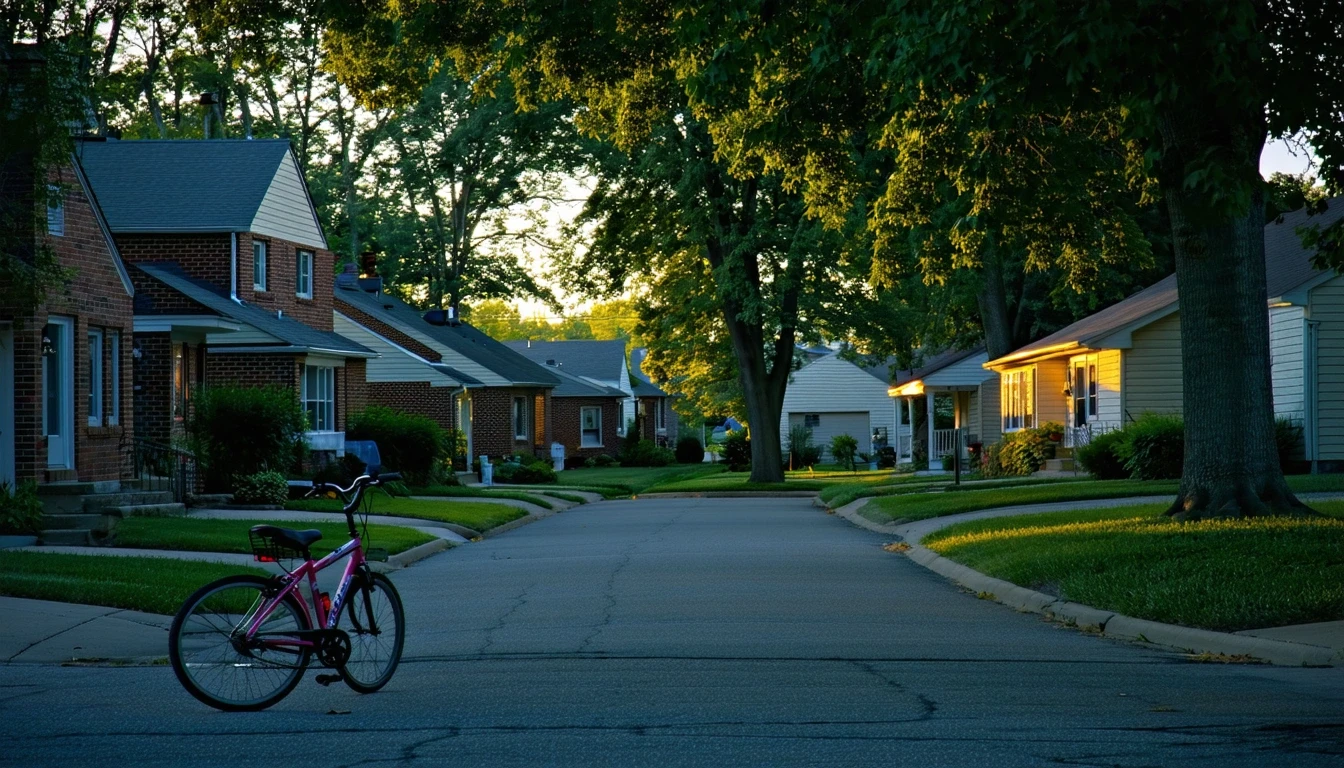
Belleville’s housing market reflects its position as an established Illinois suburb with strong military ties and historic neighborhoods. Rental inventory spans renovated downtown lofts, mid-century apartment complexes near Memorial Hospital, and newer townhome communities along Green Mount Road. A typical two-bedroom apartment rents for $1,000 to $1,200 monthly, with premium units in newer developments reaching $1,400. Single-bedroom apartments start around $750, while three-bedroom units suitable for families range from $1,300 to $1,600 depending on condition and location.
Homebuyers encounter a market where median sale prices hover near $210,000 to $260,000 for move-in-ready three-bedroom homes. Historic districts like the Cathedral and Mascoutah Avenue corridors offer charming early-20th-century architecture at similar price points, though renovation projects can be found under $180,000. Newer construction in subdivisions along Illinois Route 15 and near Governors’ Parkway pushes toward $300,000 for four-bedroom layouts with modern finishes. Property appreciation has been modest but steady—roughly 3% annually over the past five years—making Belleville attractive for first-time buyers seeking stability without speculative volatility.
Neighborhood selection significantly impacts monthly outlays. Downtown and near-east-side properties offer walkability and character but may carry higher insurance premiums due to age. Subdivisions near Althoff Catholic High School and Signal Hill provide newer infrastructure, lower maintenance, and HOA fees typically ranging from $40 to $120 monthly for lawn care and common-area upkeep. West Belleville toward Shiloh blends affordability with newer retail access, while south-side neighborhoods near Southwestern Illinois College balance proximity to campus with family-friendly parks.
| Neighborhood/Area | 2BR Apartment Rent | 3BR Home Price |
|---|---|---|
| Downtown/Historic District | $1,000–$1,300 | $190,000–$240,000 |
| West Belleville/Shiloh Border | $950–$1,150 | $220,000–$280,000 |
| South Side/SWIC Area | $900–$1,100 | $180,000–$230,000 |
| East Side/Signal Hill | $1,050–$1,250 | $210,000–$270,000 |
Utilities and Energy Bills
Belleville residents typically budget $150 to $220 monthly for combined utilities, with seasonal swings driven by Illinois’ humid summers and cold winters. Ameren Illinois serves the region for electricity and natural gas, with average electric bills running $90 to $130 for a 1,000-square-foot apartment during moderate months. Summer air conditioning can push electric costs toward $160 in July and August, while winter heating—primarily natural gas—adds another $80 to $120 during December through February. Newer apartments with efficient HVAC systems and better insulation tend toward the lower end of these ranges.
Water and sewer service through the City of Belleville averages $50 to $70 monthly for typical household use, with trash collection included in many apartment leases or billed separately at $15 to $25 for single-family homes. Internet service from providers like Spectrum or AT&T Fiber runs $60 to $90 for mid-tier speeds suitable for remote work and streaming. Homeowners should anticipate higher utility totals—often $200 to $280 monthly—due to larger square footage, lawn watering during dry spells, and older infrastructure in some historic properties.
| Utility Type | Average Monthly Cost |
|---|---|
| Electricity (1,000 sq ft) | $90–$160 |
| Natural Gas (heating season) | $80–$120 |
| Water & Sewer | $50–$70 |
| Trash Collection | $15–$25 |
| Internet | $60–$90 |
Groceries and Daily Expenses
Grocery shopping in Belleville centers on national chains like Schnucks, Walmart Supercenter, and Aldi, with a Dierbergs just across the county line in O’Fallon. A single adult typically spends $280 to $400 monthly on groceries, while couples average $500 to $700 depending on dietary preferences and cooking habits. Families of four often allocate $800 to $1,100 for weekly shopping trips, meal planning, and occasional bulk purchases. Prices align closely with national averages, though Illinois sales tax on groceries (1% state rate plus local add-ons) slightly elevates checkout totals compared to neighboring Missouri.
A representative weekly basket for two adults might include staples like milk ($3.50/gallon), eggs ($2.80/dozen), whole wheat bread ($2.50/loaf), chicken breast ($4.20/pound), ground beef ($5.50/pound), rice ($1.80/pound), seasonal produce ($15–$20), and coffee ($8/12-ounce bag). Shopping strategically at Aldi or using Schnucks’ digital coupons can trim 10% to 15% from these totals. Farmers markets during summer months—particularly the downtown Belleville market on Saturdays—offer fresh produce at competitive prices while supporting local growers.
Dining out provides a break from meal prep, with casual restaurants charging $12 to $18 per entrée at local favorites like Peel Wood Fired Pizza or Global Brew Tap House. Fast-casual chains cluster along Green Mount Crossing and near the Belleville Crossing shopping district, where lunch runs $9 to $14. A couple dining out twice weekly should budget $200 to $280 monthly, while families treating themselves to weekend meals may allocate $300 to $400 depending on venue choices.
| Grocery Item | Typical Price |
|---|---|
| Milk (1 gallon) | $3.50 |
| Eggs (dozen) | $2.80 |
| Bread (loaf) | $2.50 |
| Chicken Breast (per lb) | $4.20 |
| Ground Beef (per lb) | $5.50 |
| Rice (per lb) | $1.80 |
| Seasonal Produce (weekly) | $15–$20 |
| Coffee (12 oz) | $8.00 |
Transportation and Commute Costs
Most Belleville residents rely on personal vehicles, as public transit options remain limited compared to urban cores. Gas prices in early 2025 hover around $3.10 to $3.40 per gallon, with stations along Illinois Route 159 and Interstate 64 offering competitive rates. A typical commuter driving 12,000 miles annually in a vehicle averaging 28 mpg spends roughly $130 to $150 monthly on fuel. Commute times average 22 to 28 minutes for workers heading to Scott Air Force Base, downtown St. Louis, or industrial parks in Mascoutah and O’Fallon.
Auto insurance premiums in St. Clair County run slightly higher than Missouri suburbs due to Illinois’ mandatory coverage requirements and regional claim patterns. Drivers with clean records pay $110 to $160 monthly for full coverage, while younger drivers or those with violations may see rates climb toward $200. Vehicle registration and annual license plate renewal cost approximately $150, with additional fees for newer vehicles subject to higher valuations.
MetroLink light rail serves Belleville via the Memorial Hospital and College stations, connecting riders to downtown St. Louis and Lambert Airport. Monthly passes cost $78, making transit viable for commuters willing to structure schedules around train times. However, most residents find the limited frequency and station locations less convenient than driving, particularly for errands requiring multiple stops or off-peak travel.
Taxes and Hidden Fees
Illinois property taxes represent one of the most significant ongoing costs for Belleville homeowners. The effective property tax rate in St. Clair County averages 2.4% to 2.6% of assessed home value annually, meaning a $240,000 home generates roughly $5,800 to $6,200 in annual property taxes—approximately $480 to $520 monthly when escrowed with mortgage payments. This rate exceeds neighboring Missouri counties (typically 1.0% to 1.3%) but funds local schools, municipal services, and county operations.
Sales tax in Belleville totals 8.5% to 9.0% depending on the specific taxing district, combining Illinois’ 6.25% state rate with local add-ons for St. Clair County, Belleville city services, and special districts. Groceries face a reduced 1% state rate plus local portions, while restaurant meals, retail purchases, and services carry the full combined rate. This impacts discretionary spending and should be factored into budgets for clothing, electronics, and home goods.
Hidden fees often surprise newcomers. Homeowners associations in newer subdivisions charge $40 to $120 monthly for landscaping, snow removal, and common-area maintenance. Vehicle owners pay annual registration fees around $150, plus city stickers or parking permits in some downtown zones. Home inspections during purchase run $350 to $500, while transfer taxes and recording fees add another $800 to $1,200 at closing. Renters should confirm whether utilities, trash, and parking are included in lease terms, as separate billing can add $100 to $150 monthly.
- HOA Fees: $40–$120/month in managed subdivisions
- Vehicle Registration: ~$150 annually
- Home Inspection: $350–$500 at purchase
- Transfer Taxes: $800–$1,200 at closing
- Trash Surcharges: $15–$25/month if not included
- City Stickers/Permits: $25–$50 annually in some zones
Monthly Budget Summary for Belleville Households
Synthesizing these expense categories reveals the gross monthly income needed to live comfortably in Belleville across different household types. The following table estimates typical outlays for a single adult, a couple, and a family of four, assuming moderate lifestyle choices and stable employment. Renters face lower housing and tax burdens, while homeowners benefit from equity building but carry higher upfront and ongoing costs.
| Expense Category | Single Adult | Couple | Family of Four |
|---|---|---|---|
| Housing (Rent/Mortgage) | $900 | $1,100 | $1,800 |
| Utilities | $120 | $180 | $240 |
| Groceries | $320 | $600 | $950 |
| Transportation | $250 | $400 | $550 |
| Taxes/Fees | $80 | $150 | $520 |
| Miscellaneous | $200 | $350 | $500 |
| Total Monthly | $1,870 | $2,780 | $4,560 |
Methodology: These 2025 estimates for Belleville draw on publicly available national and regional sources including the U.S. Census Bureau, Bureau of Economic Analysis (BEA), Bureau of Labor Statistics (BLS), and Federal Reserve Economic Data (FRED). Where city-specific figures are unavailable, safe regional ranges are applied (e.g., typical 2BR rents, grocery costs per adult). All amounts are expressed as gross monthly income (pre-tax) and rounded to whole dollars. Actual expenses vary by household size, lifestyle, and neighborhood choice.
Lifestyle Considerations and Quality of Life
Belleville’s affordability extends beyond raw numbers to encompass quality-of-life factors that shape daily experience. Commute times remain manageable—most residents reach workplaces within 25 minutes—reducing both fuel costs and stress. The city’s compact layout means grocery stores, medical facilities, and schools sit within short drives, while downtown’s walkable core offers dining, entertainment, and community events without the parking hassles of larger metros.
Housing tradeoffs reflect personal priorities. Renting in a newer complex near Belleville Crossing minimizes maintenance headaches and provides amenities like fitness centers and pools, but limits customization and equity building. Purchasing a historic home downtown offers character, investment potential, and neighborhood charm, yet demands budgeting for ongoing repairs and higher heating costs. Families often gravitate toward subdivisions near top-rated elementary schools like Signal Hill and Douglas, accepting slightly higher prices for newer construction and family-friendly parks.
The city’s proximity to St. Louis expands job opportunities without requiring downtown rents. Workers at Boeing, Ameren, or BJC HealthCare can reverse-commute from Belleville, enjoying lower housing costs while accessing metro-area salaries. Scott Air Force Base remains a major employer, providing stable income for military families and civilian contractors who appreciate Belleville’s established infrastructure and school options. Cultural amenities—from the Skyview Drive-In to the Belleville Philharmonic—add richness without the ticket prices of big-city venues.
Frequently Asked Questions
Is Belleville more affordable than St. Louis in 2025? Belleville generally offers lower housing costs than many St. Louis city neighborhoods and inner-ring suburbs, with two-bedroom apartments renting for $200 to $400 less monthly. However, Illinois property taxes run higher than Missouri’s, so homeowners should compare total ownership costs rather than purchase prices alone.
What is a realistic monthly budget for a single person in Belleville? A single adult can live comfortably on approximately $1,900 to $2,200 gross monthly income, covering rent, utilities, groceries, transportation, and discretionary spending. This assumes moderate lifestyle choices, a reliable vehicle, and no significant debt obligations.
Do utilities cost more in Belleville than nearby Illinois towns? Utility costs in Belleville align closely with neighboring communities like O’Fallon, Fairview Heights, and Swansea, as Ameren Illinois serves the broader region with consistent rate structures. Seasonal swings for heating and cooling represent the primary variables rather than city-specific surcharges.
How much does a family of four spend in Belleville per month? A family of four typically requires $4,500 to $5,200 gross monthly income to cover housing, utilities, groceries, transportation, childcare, and miscellaneous expenses. Homeownership, private school tuition, or multiple vehicle payments can push this figure higher.
Are property taxes higher in Belleville than in Missouri suburbs? Yes, Illinois property tax rates average 2.4% to 2.6% compared to Missouri’s 1.0% to 1.3%, meaning a similarly priced home in Belleville carries roughly double the annual property tax burden. This funds local schools and services but represents a significant ongoing cost for homeowners.
What are the top three costs that surprise newcomers to Belleville? First, property taxes shock many buyers accustomed to Missouri rates, adding $400 to $600 monthly to ownership costs. Second, vehicle insurance premiums run higher in Illinois due to mandatory coverage levels and regional claim patterns. Third, winter heating bills catch renters off guard, as older apartments with electric baseboard heat can see $180+ monthly spikes during cold snaps.
Is it cheaper to rent or buy in Belleville right now? Renting offers lower upfront costs and flexibility, ideal for newcomers testing the area or those with short-term job assignments. Buying makes sense for households planning to stay five-plus years, as modest appreciation and mortgage principal paydown offset higher property taxes and maintenance expenses over time.
How does Belleville compare to Shiloh or O’Fallon for cost of living? Belleville tends to be slightly more affordable than O’Fallon, which features newer retail and higher median home prices, while running comparable to Shiloh. All three cities share similar utility rates and grocery costs, so housing choice and commute priorities drive the decision more than day-to-day expense differences.