
Independence is considered relatively affordable in 2025, with average rent for a 2-bedroom apartment at $1,500 and overall costs slightly below the national average.
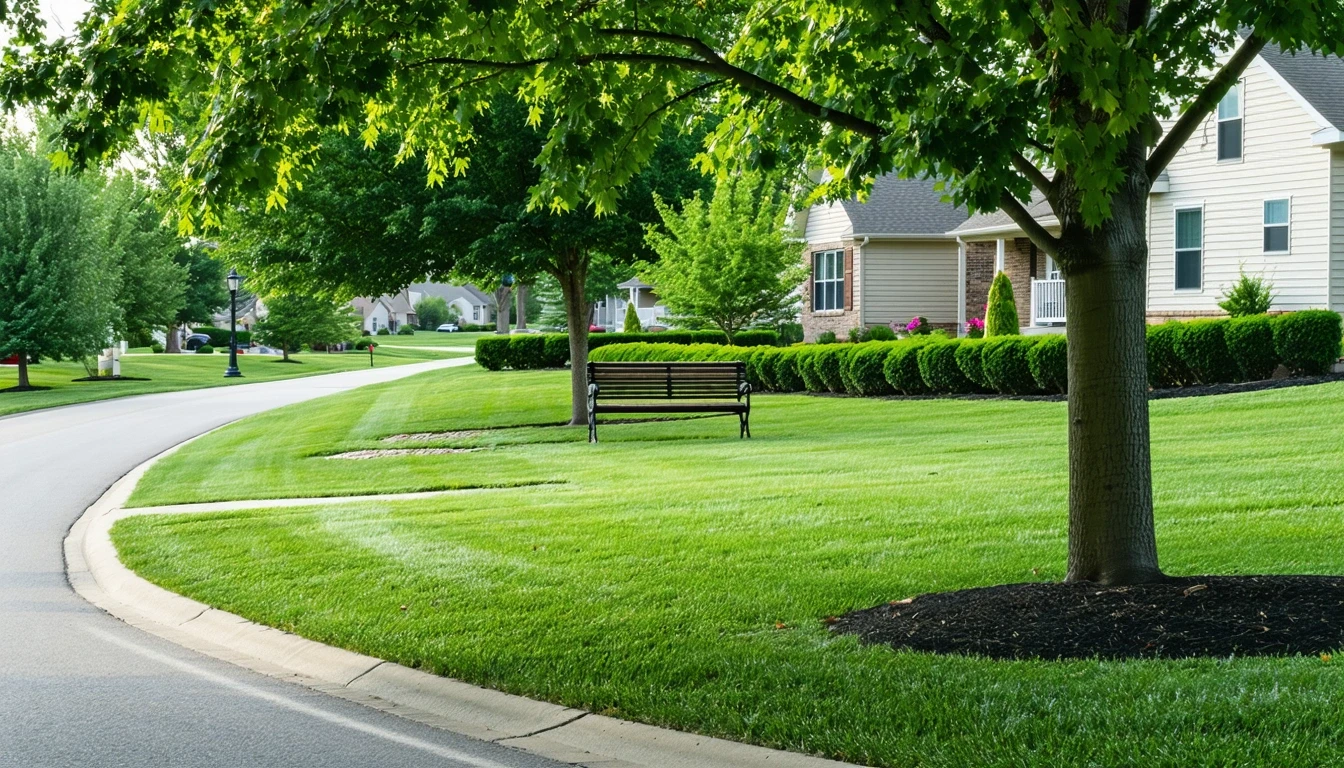
Housing Costs in Independence
When it comes to housing costs in Independence, both renting and buying options are available. A typical 2-bedroom apartment rents for around $1,500 per month, while a 3-bedroom single-family home has a median price of $350,000. Prices can vary based on the specific neighborhood and any homeowners association (HOA) fees.
For those considering purchasing a home, it’s important to factor in additional costs like property taxes, insurance, and maintenance. Independence has a mix of older, established neighborhoods and newer developments, each with their own character and price points.
| Neighborhood | 2BR Rent | 3BR Home Price |
|---|---|---|
| Typical Range | $1,200 – $1,800 | $300,000 – $400,000 |
Utility Costs in Independence
Utility expenses are another important consideration when calculating the cost of living. In Independence, residents can expect to pay around $150 per month for electricity, with seasonal spikes in the summer for air conditioning. Natural gas for heating and cooking averages $50 monthly, while water and trash services add another $50-$75.
High-speed internet and cable packages start at $75 per month. Many neighborhoods have multiple provider options, allowing for some price competition. Bundling services can often yield discounts.
| Utility Type | Avg Monthly Cost |
|---|---|
| Electricity | $150 |
| Natural Gas | $50 |
| Water/Trash | $60 |
| Internet | $75 |
Grocery and Food Costs
Groceries are a significant part of any monthly budget. For a single adult in Independence, grocery costs typically fall between $300 and $500 per month, depending on diet and brand preferences. A couple can expect to spend $600 to $800 monthly to keep the fridge stocked.
Here’s a look at some common staple items and their average prices:
| Item | Average Price |
|---|---|
| Milk (1 gallon) | $3.50 |
| Bread (1 loaf) | $2.25 |
| Eggs (1 dozen) | $2.00 |
| Chicken Breast (1 lb) | $4.50 |
| Ground Beef (1 lb) | $5.00 |
Dining out is a popular option, with a typical fast food meal around $8 and a sit-down restaurant entree ranging from $15-$25. Cooking most meals at home is usually the more affordable choice.
Taxes and Fees in Independence
Taxes and fees can add up quickly in any city. Independence has a sales tax rate of 8.6%, combining state, county and city levies. Property taxes are assessed at 1.59% of a home’s value annually, so the owner of a $350,000 house would owe around $5,500 per year.
Other common expenses include:
- Vehicle registration fees
- Parking permits and meters
- Pet licensing
- Homeowners association dues
Monthly Budget Summary
So what does it really cost to live comfortably in Independence? Here’s a high-level budget breakdown for three common scenarios:
| Expense | Single Adult | Couple | Family of 4 |
|---|---|---|---|
| Housing | $1,500 | $1,800 | $2,200 |
| Utilities | $200 | $275 | $400 |
| Groceries | $400 | $700 | $1,200 |
| Transportation | $300 | $500 | $750 |
| Taxes/Fees | $300 | $500 | $800 |
| Miscellaneous | $500 | $800 | $1,200 |
| Total | $3,200 | $4,575 | $6,550 |
Methodology: These 2025 estimates for Independence draw on publicly available national and regional sources including the U.S. Census Bureau, Bureau of Economic Analysis (BEA), Bureau of Labor Statistics (BLS), and Federal Reserve Economic Data (FRED). Where city-specific figures are unavailable, safe regional ranges are applied (e.g., typical 2BR rents, grocery costs per adult). All amounts are expressed as gross monthly income (pre-tax) and rounded to whole dollars. Actual expenses vary by household size, lifestyle, and neighborhood choice.
Lifestyle Considerations
Of course, the cost of living is just one piece of the puzzle when choosing where to live. Independence offers a suburban lifestyle with relatively easy access to Kansas City’s amenities. Commute times for those working in the city average 25 minutes each way.
Neighborhoods closer to the city center, like the Historic Independence Square, tend to have smaller lot sizes but more walkable access to dining and entertainment. Further out, suburbs provide more square footage and yard space in exchange for a longer commute.
Independence has a variety of public parks, trails, and community centers for recreation. While housing costs are lower than in the heart of Kansas City, expenses like gas, groceries, and utilities are largely the same. Choosing a home closer to downtown raises rent but can cut transportation costs.
Frequently Asked Questions
Is Independence more affordable than Kansas City in 2025?
Yes, Independence tends to be more affordable than central Kansas City, particularly when it comes to housing. Rents and home prices are typically 20-30% lower in Independence.
What is a realistic monthly budget for a couple in Independence?
A couple can live comfortably in Independence on a gross monthly income of around $4,500. This factors in $1,800 for rent, $700 for groceries, and $500 for taxes and fees, with $1,500 left over for additional expenses and savings.
Do utilities cost more in Independence than nearby cities?
Utility costs in Independence are on par with other Kansas City suburbs. Residents can expect to pay around $150/month for electricity, $50 for natural gas, and $60 for water/trash service.
How much does a family of four spend on groceries in Independence?
A typical family of four spends between $1,000 and $1,400 per month on groceries in Independence, depending on their diet and shopping habits. Cooking at home is generally more affordable than frequently dining out.
Are property taxes higher in Independence or Lee’s Summit?
Property taxes are slightly higher in Lee’s Summit at 1.72% of assessed value compared to 1.59% in Independence. For a $350,000 home, that equates to a $6,000 annual tax bill in Lee’s Summit versus $5,500 in Independence.