
When Mia opened her first full utility bill after moving into a townhome in Cornelius, she stared at the total in disbelief—not because it was outrageous, but because she had no idea what was normal. The electric charge alone seemed to shift wildly from one month to the next, and she couldn’t tell if the natural gas line item was a winter anomaly or a year-round cost. Understanding utilities cost in Cornelius means learning not just what you’ll pay, but why those numbers move, what drives the swings, and how to keep them predictable.
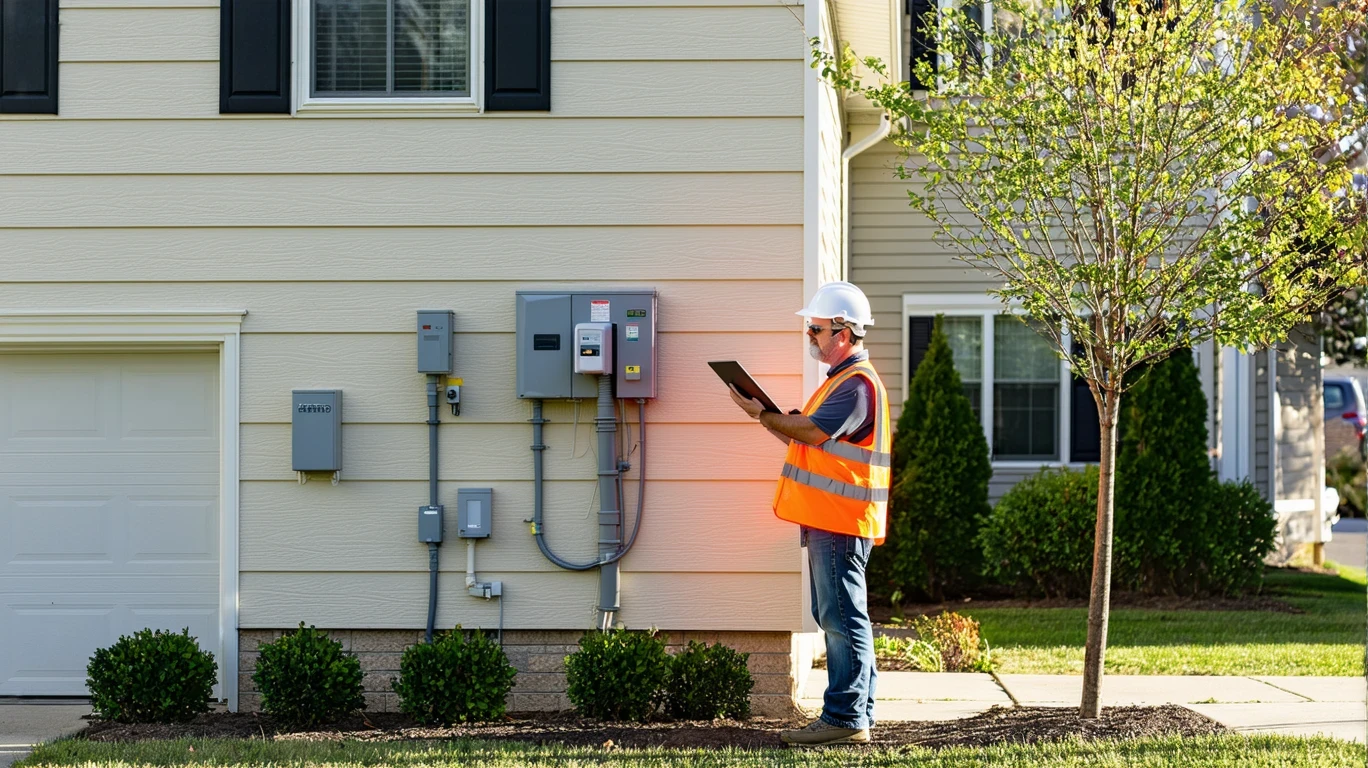
Understanding Utilities in Cornelius
Utilities are typically the second-largest monthly expense after housing, and in Cornelius they behave like a variable cost with seasonal personality. For most households, the core categories include electricity, water, natural gas, trash, and recycling. Electricity dominates the bill during the long, humid summers when air conditioning runs nearly nonstop. Natural gas becomes relevant in winter, particularly for homes with gas furnaces or water heaters. Water costs are tiered and usage-sensitive, meaning larger households or those with irrigation systems see higher charges. Trash and recycling are often bundled with water service or included in HOA fees, depending on the neighborhood.
For renters, especially those moving from apartments where utilities were included, the shift to paying separately can be jarring. Apartments in Cornelius often have lower electric bills due to smaller square footage and shared walls that reduce heating and cooling load. Single-family homes, by contrast, expose residents to the full cost of climate control, outdoor water use, and standalone trash service. The difference isn’t just about size—it’s about surface area, insulation quality, and whether you’re responsible for maintaining the systems that keep costs stable.
What makes utilities tricky in Cornelius is that the bill structure rewards efficiency and punishes waste, but the climate doesn’t make it easy. Hot, humid summers mean air conditioning isn’t optional—it’s a health and comfort necessity. Mild winters keep heating costs lower than in northern climates, but cold snaps still trigger spikes in natural gas usage. The result is a cost profile that’s manageable on average but volatile in practice, with summer months often running two to three times higher than spring or fall.
Utilities at a Glance in Cornelius
The table below shows how core utility costs typically behave for a mid-size household in a single-family home in Cornelius. Where city-level prices are available in the data feed, they are shown directly. When exact figures are not provided, categories are described qualitatively to reflect how costs are structured and what drives variability.
| Utility | Cost Structure |
|---|---|
| Electricity | ~$146/month (illustrative, based on 1,000 kWh at 14.64¢/kWh, before fees) |
| Water | Tiered pricing; usage-dependent |
| Natural Gas | ~$26/month (illustrative, based on 1 MCF at $25.54/MCF, winter-driven) |
| Trash & Recycling | Often bundled with water or HOA |
| Total | Seasonal variability driven by electricity and heating |
This table reflects utility cost structure for a mid-size household in a single-family home in Cornelius during 2026. Where exact figures are not provided in the IndexYard data feed, categories are described directionally to reflect how costs behave rather than a receipt-accurate total.
Electricity is billed per kilowatt-hour, and usage swings dramatically with the seasons. In Cornelius, summer cooling dominates the electric bill, often doubling or tripling costs compared to spring. Homes with older HVAC systems, poor insulation, or large square footage see the steepest increases. The rate itself—14.64¢/kWh—is moderate, but the volume of usage during peak months is what drives exposure. Electricity is typically the most exposure-sensitive utility in Cornelius, driven more by climate and home efficiency than by base rates.
Water costs are tiered, meaning the more you use, the higher the per-unit rate climbs. Households with irrigation systems, pools, or large families hit higher tiers more often. In Cornelius, water is usually billed monthly alongside sewer and stormwater fees, which can add significantly to the total. Conservation measures—fixing leaks, upgrading to low-flow fixtures, reducing outdoor watering—have a direct, measurable impact on the bill.
Natural gas is primarily a winter cost in Cornelius, used for heating, water heating, and sometimes cooking or dryers. Homes with gas furnaces see the highest charges during cold snaps, but even in mild winters, the baseline cost remains low compared to electric heating. The price per MCF—$25.54—reflects regional supply and delivery costs, and usage is highly seasonal, spiking in December through February and dropping to near zero in summer.
Trash and recycling are often bundled with water service or included in HOA fees, particularly in planned communities and townhome developments. Standalone single-family homes may contract directly with a waste hauler, with costs varying by provider and pickup frequency. Recycling is typically included at no additional charge, though bulk item removal or extra bins may incur fees.
How Weather Impacts Utilities in Cornelius
Cornelius sits in North Carolina’s piedmont region, where summers are long, hot, and humid, and winters are mild with occasional cold snaps. This climate profile creates a utility cost structure that’s heavily weighted toward cooling. Air conditioning isn’t just a comfort feature—it’s a necessity from May through September, and in some years, it runs into October. The combination of high temperatures and humidity means HVAC systems work harder and longer to maintain indoor comfort, driving electric bills to their annual peak.
Many Cornelius households experience noticeably higher electric bills during peak summer compared to spring, often seeing costs double or more. The difference isn’t just about temperature—it’s about dew point, insulation quality, and how much direct sun hits the home. South- and west-facing homes with minimal shade absorb more heat, forcing air conditioners to cycle more frequently. Homes with mature trees or strategic landscaping see lower cooling costs, a reminder that outdoor environment directly affects indoor expenses.
Winter heating costs are lower than in northern climates, but they’re not negligible. Cold snaps in January and February can push natural gas usage higher, particularly for homes with gas furnaces or tankless water heaters. Electric heating, whether through heat pumps or baseboard units, also spikes during these periods. The key difference is duration: heating season in Cornelius is shorter and less intense than cooling season, making summer the dominant driver of annual utility volatility.
How Place Structure Shapes Utility Exposure in Cornelius
The way Cornelius is built—its mix of walkable pockets, integrated green space, and strong family infrastructure—affects not just how people move through the city, but how they use energy at home. Neighborhoods with high park density and water features, like those along Lake Norman, often have slightly cooler microclimates due to tree canopy and proximity to water. Residents in these areas may see marginally lower cooling costs compared to newer developments with less mature landscaping and more exposed pavement.
Walkable pockets with higher pedestrian-to-road ratios also tend to cluster near mixed-use corridors where homes are closer together, share walls, or benefit from denser tree cover. This reduces the surface area exposed to direct sun and wind, which in turn reduces heating and cooling load. Single-family homes on larger lots in car-oriented subdivisions, by contrast, face higher utility exposure due to greater square footage, more exterior walls, and less natural shading. The difference isn’t dramatic, but over a full year, it’s enough to notice—especially during the peak summer months when every degree of indoor temperature control costs more.
How to Save on Utilities in Cornelius
Reducing utility costs in Cornelius starts with understanding what drives usage, then making targeted changes that lower exposure without sacrificing comfort. The biggest lever is air conditioning efficiency: upgrading to a high-efficiency HVAC system, sealing ductwork, and improving insulation can reduce cooling costs significantly. Smart thermostats help by learning household patterns and adjusting temperatures automatically, avoiding the waste that comes from cooling an empty home.
Many utility providers in the region offer rebates for energy-efficient upgrades, including AC units, heat pumps, and water heaters. Some also provide time-of-use billing programs that reward shifting usage to off-peak hours, though availability varies by provider. Solar panel incentives exist at the state and federal level, and Cornelius’s sunny climate makes rooftop solar a viable long-term investment for homeowners looking to offset electric bills. The upfront cost is substantial, but the reduction in summer exposure can be meaningful.
Outdoor water use is another high-impact area. Reducing irrigation frequency, installing drip systems, and choosing drought-tolerant landscaping all lower water bills while reducing the strain on municipal supply. Inside the home, low-flow fixtures, efficient appliances, and fixing leaks quickly prevent waste from compounding over time. Trash and recycling costs are harder to control directly, but households that compost or minimize waste can sometimes negotiate lower pickup frequency with private haulers.
🏆 Tip: Check if your provider in Cornelius offers rebates for energy-efficient AC units or heating systems—many do, and the savings can offset a significant portion of the upgrade cost.
FAQs About Utility Costs in Cornelius
Why are utility bills so high in Cornelius during the summer? Summer bills spike because air conditioning runs nearly nonstop during the long, humid cooling season, often doubling or tripling electric costs compared to spring. Homes with older HVAC systems, poor insulation, or limited shade see the steepest increases.
What is the average monthly electric bill for an apartment in Cornelius compared to a single-family home? Apartments typically see lower electric bills due to smaller square footage and shared walls that reduce heating and cooling load. Single-family homes, especially those over 2,000 square feet, face higher costs due to greater surface area and standalone climate control systems.
Do HOAs in Cornelius usually include trash or water in their fees? Many planned communities and townhome developments in Cornelius bundle trash, recycling, and sometimes water into HOA fees. Standalone single-family homes more often contract directly with waste haulers and pay water bills separately.
How does seasonal weather affect monthly utility bills in Cornelius? Summer cooling dominates utility costs, with electric bills peaking from June through September. Winter heating costs are lower and shorter in duration, making the annual cost profile heavily weighted toward air conditioning rather than balanced across seasons.
Does Cornelius offer incentives for solar panels or energy-efficient appliances? State and federal incentives for solar panels and energy-efficient upgrades are available to Cornelius residents, and some regional utility providers offer rebates for high-efficiency HVAC systems, water heaters, and appliances. Availability and amounts vary, so checking with your provider directly is essential.
How Utilities Fit Into the Cost Structure in Cornelius
Utilities in Cornelius are a cost driver shaped by climate, home type, and usage behavior. Electricity dominates seasonal swings, natural gas provides winter exposure, and water costs scale with household size and outdoor use. Together, they represent a significant but manageable portion of monthly expenses, particularly for households that plan for summer peaks and invest in efficiency upgrades.
What makes utilities challenging isn’t the base rates—it’s the volatility. A household that budgets $150 per month for electricity might see $100 in April and $250 in July, and that swing can strain budgets that aren’t built to absorb it. Understanding the drivers—cooling load, insulation quality, usage patterns—gives residents the tools to reduce exposure and stabilize costs over time. For families evaluating what costs people most in Cornelius, utilities sit firmly in the middle: not as dominant as housing, but more volatile than groceries or transportation.
For new movers, the first summer bill is often the wake-up call. It’s when the abstract idea of “utilities” becomes a concrete line item that demands attention. The good news is that unlike rent or property taxes, utility costs respond directly to behavior and investment. Sealing ducts, upgrading thermostats, planting shade trees, and fixing leaks all reduce exposure in measurable ways. The challenge is knowing which levers to pull first and understanding that the payoff comes not in one month, but over the course of a full year.
How this article was built: In addition to public economic data, this article incorporates location-based experiential signals derived from anonymized geographic patterns—such as access density, walkability, and land-use mix—to reflect how day-to-day living actually feels in Cornelius, NC.