
How much is enough to feel at ease? In Coral Springs, the answer depends less on hitting a specific number and more on understanding how income pressure actually distributes across housing, climate, transportation, and daily logistics. Comfort here isn’t about luxury—it’s about the point where your paycheck stops dictating every decision and seasonal swings stop forcing tradeoffs.
This article explains how income works in Coral Springs from the inside out: where pressure shows up first, how the same earnings feel different depending on household composition, and what separates households who feel stable from those constantly recalibrating.
What “Living Comfortably” Means in Coral Springs
Comfort in Coral Springs means your housing is handled without strain, your cooling bills don’t rewrite your budget every summer, and getting where you need to go—whether for work, groceries, or family obligations—doesn’t consume all your time or margin. It means you can absorb a surprise expense without panic and still have enough left over to enjoy what South Florida offers.
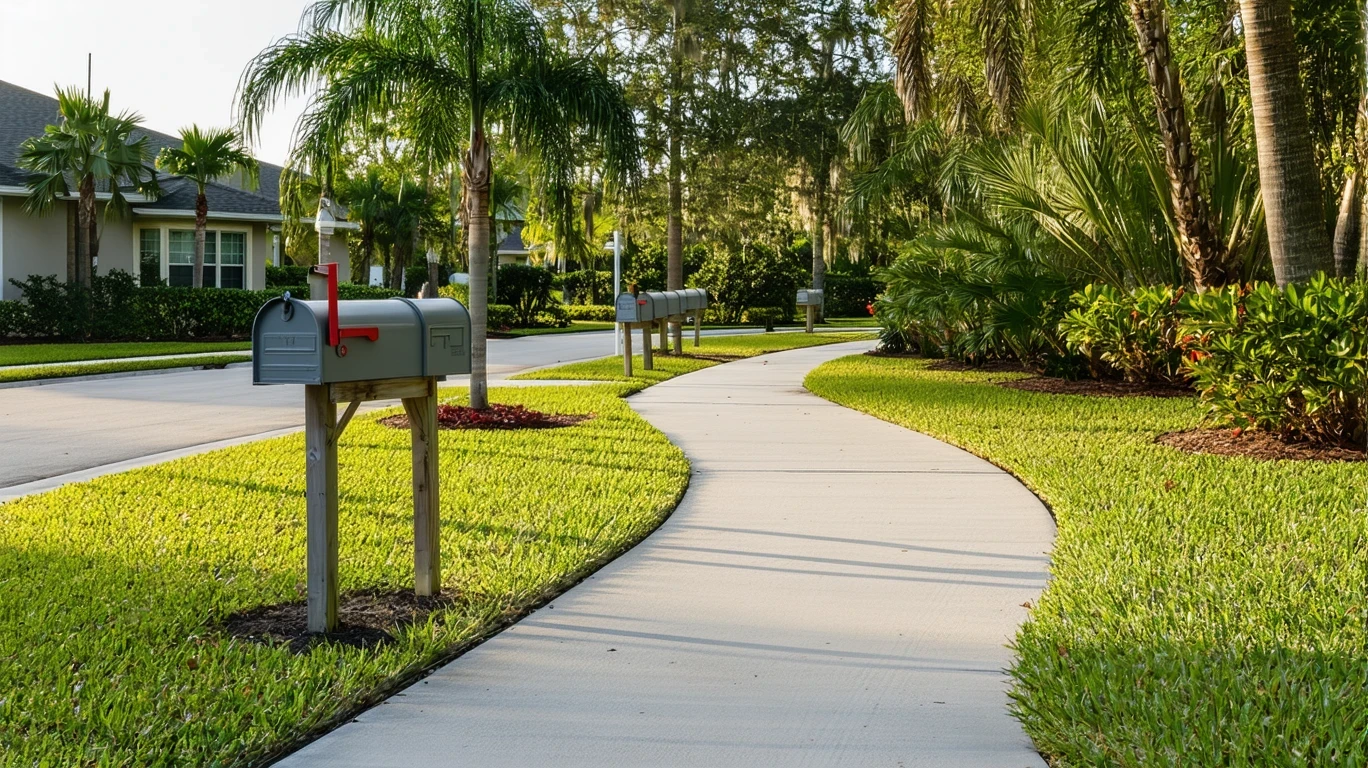
Expectations matter. Coral Springs is a low-rise suburban city with a mix of residential neighborhoods and commercial corridors. Both residential and commercial land use are present, and while some areas support walking, most daily life assumes you have a car. Parks are plentiful, playgrounds are widespread, and grocery density is strong—but schools are more spread out, and there’s no hospital within city limits, only clinics. If you expect urban transit convenience or walkable errand loops from your doorstep, you’ll feel the gap quickly.
Comfort is contextual. What feels spacious and manageable to a couple may feel tight and complicated for a family managing multiple school runs and activity schedules. What feels affordable to a dual-income household may feel out of reach for a single earner at the same income level.
Where Income Pressure Shows Up First
Housing dominates. The median gross rent is $1,818 per month, and the median home value is $453,100. Whether renting or owning, housing pressure is the first and largest claim on income. For renters, that monthly figure is fixed but renewable at the landlord’s discretion. For owners, the mortgage may be stable, but property taxes, insurance, and maintenance introduce variability that many underestimate before moving.
Utilities swing with the season. Electricity costs 15.70¢ per kilowatt-hour, and in a climate with long, hot summers and high humidity, cooling isn’t optional—it’s a baseline cost of living. Households that budget tightly around average bills often find themselves squeezed in July and August when usage spikes. Natural gas, priced at $32.82 per thousand cubic feet, plays a smaller role here than in colder climates, but water heating and cooking still add up.
Transportation is a double cost: money and time. Gas runs $2.77 per gallon, and the average commute is 29 minutes. While bus service is present, it’s not a primary mobility solution for most residents. The city’s structure—corridor-clustered food and grocery options, low school density, high playground density—means that even local errands often require driving. Families, in particular, feel this as a logistics tax: multiple daily trips for school, activities, and groceries, all of which assume car access and eat into both fuel budgets and discretionary time.
Family-specific costs layer quickly. Playgrounds are plentiful, but schools are more dispersed, which can mean longer drives or childcare coordination challenges. There’s no hospital in Coral Springs—clinics handle routine care, but anything more serious requires travel. For families, these aren’t deal-breakers, but they do add friction and planning overhead that single adults and couples without kids don’t face.
How the Same Income Feels Different by Household
Households at similar income levels often experience very different pressure depending on size, structure, and expectations.
Single adults face the most straightforward math. Housing takes a large share of income, but utilities, transportation, and food costs remain manageable for one person. The biggest variable is whether you’re renting or owning and how much flexibility you need. If you work locally or remotely, transportation costs stay low. If your commute stretches into Broward or Miami-Dade, fuel and time costs climb quickly. Comfort for a single adult in Coral Springs generally arrives when rent or mortgage no longer forces monthly recalibration of every other expense.
Couples without children often find Coral Springs fits well, especially if both partners work. Two incomes spread across one housing cost creates meaningful breathing room. Utility swings are easier to absorb, transportation can be shared or staggered, and discretionary spending opens up. The city’s green space access—parks exceed density thresholds and water features are present—supports an active lifestyle without requiring paid memberships. Couples in this position typically feel comfortable well before reaching the median household income, as long as both are employed and housing costs don’t overreach.
Families experience the most complexity. Housing costs the same as for couples, but nearly everything else multiplies or intensifies. School access requires more planning due to lower school density. Activity transportation becomes a daily logistical challenge, even with strong playground availability. Errands shift from convenience to coordination: grocery density is high, but food options are more corridor-clustered, meaning purposeful trips rather than spontaneous stops. Healthcare access is routine-local only—clinics work for checkups, but families with ongoing medical needs or young children feel the absence of a nearby hospital. For families, comfort isn’t just about income—it’s about whether your schedule, your car access, and your tolerance for planning align with how the city is structured.
The Comfort Threshold (Qualitative)
The transition to comfort happens when housing no longer dictates all other choices. It’s the point where a summer utility spike doesn’t force you to skip dining out, where an unexpected car repair doesn’t cascade into credit card debt, and where you can consider saving without it feeling hypothetical.
In Coral Springs, this threshold is shaped by housing type, household size, and transportation needs. A single adult renting a one-bedroom may cross it at a much lower income than a family of four managing a mortgage, school logistics, and multi-car transportation. The regional price level—103, slightly above the national baseline—means costs are elevated across categories, but not drastically. The real differentiator is whether your household structure and daily logistics align with what the city offers.
Comfort also depends on volatility tolerance. If you need predictable monthly costs, Coral Springs requires either a financial cushion or a willingness to adjust behavior seasonally. If you value time over money, the car-dependent structure and corridor-based errands will feel more expensive than the rent alone suggests.
Why Online Cost Calculators Get Coral Springs Wrong
Most cost-of-living calculators produce a single total or a “required income” figure, and that number is almost always misleading for Coral Springs.
First, they treat housing, utilities, and transportation as static line items, when in reality these costs interact. A cheaper rent farther from work can mean higher fuel costs and longer commutes. A home with older windows or poor insulation can mean utility bills that swing wildly despite identical electricity rates. Calculators don’t capture these tradeoffs.
Second, they ignore place structure. Coral Springs has walkable pockets—areas where the pedestrian-to-road ratio is high—but most of the city assumes car access. Errands are corridor-clustered, not neighborhood-distributed. Families face school access challenges that couples don’t. None of this appears in a calculator’s output, but all of it affects where money goes and how income feels.
Third, they don’t account for seasonality. Cooling costs in a South Florida summer aren’t averages—they’re peaks. A household budgeting to the median will feel squeezed several months a year, even if the annual total looks manageable.
Finally, calculators can’t assess fit. They can’t tell you whether you’ll tolerate a 29-minute commute, whether you’ll adapt to planning errands around corridors, or whether the absence of a local hospital matters to your family. People feel surprised after moving because the total cost was “affordable” on paper, but the lived experience didn’t match their expectations.
How to Judge Whether Your Income Fits Coral Springs
Instead of asking “Is my income high enough?”, ask these questions:
- How sensitive are you to housing tradeoffs? Can you accept a smaller space, an older building, or a less central location to keep costs manageable, or is housing quality non-negotiable?
- Can you absorb seasonal utility swings? Will a summer cooling bill that’s 40–50% higher than your winter baseline force cuts elsewhere, or do you have enough margin to ride it out?
- Is time or money your limiting factor? Coral Springs assumes car access for most errands and activities. If your commute is long and your schedule is tight, transportation becomes a double cost. Can you afford both the fuel and the hours?
- How much logistical complexity can you handle? If you have kids, are you prepared for school access that requires planning, activity transportation that assumes multiple daily car trips, and healthcare that’s routine-local only?
- How much flexibility do you expect month to month? If your budget has little room for variability, Coral Springs’ climate-driven cost swings and car-dependent structure will feel more expensive than the median figures suggest.
Your income fits Coral Springs if your answers align with what the city demands. If they don’t, a higher salary won’t solve the mismatch—it will just make it more expensive.
FAQs About Living Comfortably in Coral Springs
Is the median household income enough to live comfortably in Coral Springs?
The median household income is $87,488 per year (about $7,291 gross per month). For a dual-income couple without kids, this typically provides meaningful flexibility. For a family with children, it depends heavily on housing costs, school logistics, and how much margin you need for seasonal utility swings and transportation. Comfort isn’t guaranteed at the median—it depends on structure and expectations.
Can a single person live comfortably in Coral Springs on one income?
Yes, but housing will take a large share of your gross monthly income, and you’ll need to manage utility seasonality and transportation costs carefully. If you work locally or remotely, transportation stays manageable. If your commute is long, fuel and time costs add up quickly. Comfort for a single adult usually means rent or mortgage is handled without forcing monthly tradeoffs on everything else.
How do families manage the cost of living in Coral Springs?
Families manage by aligning expectations with the city’s structure. School density is low, so transportation planning is essential. Playgrounds are plentiful, which helps with nearby activity options. Grocery access is strong but corridor-clustered, meaning purposeful trips rather than spontaneous errands. Healthcare is routine-local only—clinics handle everyday needs, but anything more serious requires travel. Families who feel comfortable here tend to have dual incomes, car access, and tolerance for logistics overhead.
What’s the biggest financial surprise people face after moving to Coral Springs?
Utility volatility. Many people budget based on average monthly costs and then get hit with summer cooling bills that run significantly higher due to heat and humidity. The electricity rate is 15.70¢ per kilowatt-hour, but the usage swings are what catch people off guard. The second surprise is transportation: even if you live “close” to work or errands, the car-dependent structure and corridor-based layout mean more driving—and more fuel cost—than many expect.
Does Coral Springs feel more affordable than other South Florida cities?
It depends on what you’re comparing and what you value. Housing costs are significant but not as extreme as some nearby areas. The regional price level is 103, slightly above the national baseline, so costs are elevated across categories. The bigger question is whether the city’s structure—low-rise, car-dependent, corridor-clustered errands, strong park access, limited transit—matches your lifestyle. Affordability isn’t just about the rent or mortgage; it’s about whether the daily logistics and cost rhythms fit how you live.
How this article was built: In addition to public economic data, this article incorporates location-based experiential signals derived from anonymized geographic patterns—such as access density, walkability, and land-use mix—to reflect how day-to-day living actually feels in Coral Springs, FL.
Final Word
Coral Springs can work well for some households—but only if expectations match reality. Comfort here isn’t about hitting a magic income number. It’s about understanding where pressure concentrates, how your household structure interacts with the city’s layout, and whether you can absorb the volatility that comes with climate, car dependency, and corridor-based errands. If those align, Coral Springs offers space, green access, and relative stability. If they don’t, no salary will make the fit feel right.