
Do you really need a car to live in Converse? For most residents, the answer is yes—and understanding why matters more than debating the principle. Converse sits in the San Antonio metro area, but its layout, density, and infrastructure create a mobility reality that differs sharply from the urban core. The way people get around here isn’t shaped by preference alone; it’s determined by where jobs, groceries, schools, and services are located, and how—or whether—you can reach them without driving.
This article explains transportation options in Converse, how public transit fits into daily life, what driving dependence actually looks like, and which households benefit from proximity versus those who absorb the friction of distance and sprawl.
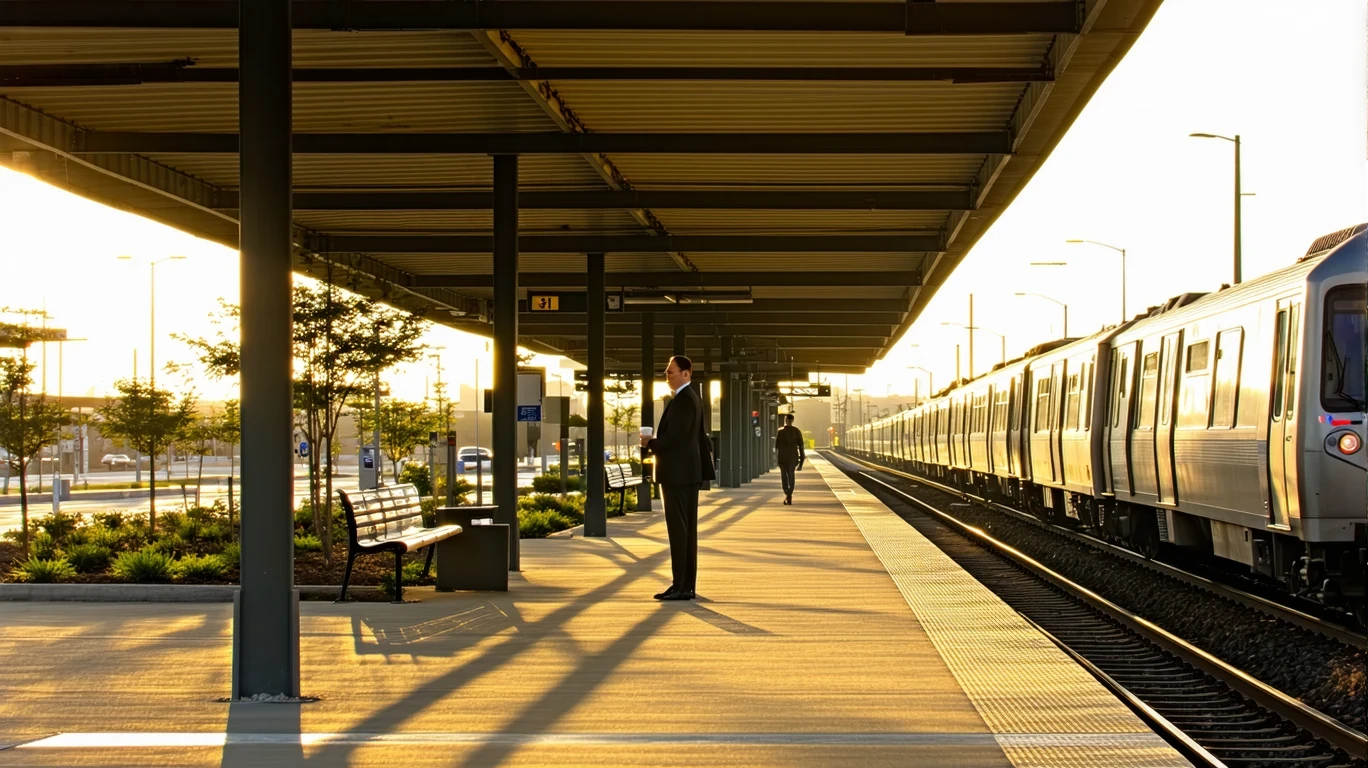
How People Get Around Converse
Converse operates as a low-rise, car-oriented suburb where most daily trips—work commutes, grocery runs, medical appointments, school pickups—require a vehicle. The city’s pedestrian infrastructure exists in moderate density relative to its road network, meaning sidewalks and crossings are present in some areas but don’t form a continuous, walkable grid. Food and grocery establishments cluster along commercial corridors rather than distributing evenly across neighborhoods, so even short errands often involve driving to a specific zone rather than walking to a nearby corner.
Newcomers sometimes assume that proximity to San Antonio means easy access to the metro’s broader transit network. In practice, Converse functions as a residential and commercial edge city where day-to-day costs and logistics are shaped more by car ownership than by transit availability. The layout rewards those with reliable vehicles and flexible schedules; it penalizes those who depend on fixed routes or shared rides.
Public Transit Availability in Converse
Public transit in Converse is limited and primarily serves as a connector to San Antonio’s core rather than a local circulation system. Residents may encounter regional bus service that links Converse to employment centers, medical facilities, and educational institutions in the metro area, but coverage within Converse itself is sparse. Routes tend to follow major corridors, leaving residential subdivisions and peripheral zones without direct service.
Transit works best for residents who live near a corridor stop, work along a fixed route, and maintain schedules that align with service hours. It falls short for those who need to make multi-stop trips, work non-standard hours, or access services in areas without direct connections. The absence of rail transit and the limited frequency of bus service mean that even when transit is technically available, it often imposes significant time penalties compared to driving.
Driving & Car Dependence Reality
Driving isn’t optional in Converse—it’s structural. The city’s low-rise building character and corridor-based commercial layout mean that jobs, groceries, healthcare, and schools are dispersed across a wide area rather than concentrated in walkable districts. Parking is abundant and typically free, which removes one of the friction points that makes driving costly or inconvenient in denser cities. But that same abundance reflects the underlying design: Converse was built for cars, and its infrastructure assumes car ownership.
For households with one or more vehicles, this setup offers control and flexibility. You can leave when you want, stop where you need to, and adjust routes in real time. For households without reliable vehicle access—whether due to cost, licensing barriers, or mechanical breakdowns—the same layout creates isolation. Errands that would take 10 minutes by car can require an hour or more by transit, if they’re possible at all.
Commuting Patterns & Daily Mobility
Commuting in Converse typically means driving to job centers in San Antonio or other parts of the metro area. The city’s position within the region makes it a bedroom community for workers whose employers are located elsewhere. Some residents work locally in retail, education, or service industries, but many depend on highway access to reach employment hubs that offer higher wages or specialized roles.
Daily mobility isn’t just about the commute to work. It’s also about the cumulative friction of multiple trips: dropping kids at school, picking up groceries, attending medical appointments, running errands. In Converse, these trips are rarely walkable and seldom served by transit. Households that can consolidate errands into fewer, planned trips reduce time and fuel exposure; those with less flexible schedules or multiple dependents face higher logistical complexity.
Who Transit Works For — and Who It Doesn’t
Public transit in Converse works for a narrow slice of residents: those who live near a bus stop on a major corridor, work along a route that connects directly to their employer, and maintain schedules that align with service hours. For this group—often younger renters, students, or workers in entry-level roles—transit offers a way to avoid car ownership costs, even if it means longer travel times and less flexibility.
Transit doesn’t work well for families with children, shift workers, or anyone whose daily routine involves multiple stops or off-peak hours. It also doesn’t work for residents in peripheral subdivisions where bus service is absent or infrequent. In practice, most homeowners and families in Converse own at least one vehicle, and many own two or more to accommodate dual-earner households or teenage drivers.
Renters in corridor zones have slightly better access to transit and walkable errands, but even they typically rely on cars for most trips. The difference isn’t whether you need a car—it’s whether you can occasionally avoid using it.
Transportation Tradeoffs in Converse
Choosing between transit and driving in Converse isn’t a balanced tradeoff—it’s a question of whether transit is even viable for your situation. Driving offers predictability, control, and access to the full range of jobs, services, and amenities across the metro area. It also exposes you to fuel costs, maintenance, insurance, and the time burden of traffic during peak hours. But in Converse, those costs are unavoidable for most households because the alternative—relying on transit—simply doesn’t provide adequate coverage or frequency.
For the small number of residents who can make transit work, the tradeoff is time versus cost. You save on vehicle expenses but spend more time waiting, transferring, and walking to and from stops. For everyone else, the tradeoff is between owning one car or two, not between driving and not driving.
FAQs About Transportation in Converse (2026)
Is public transit usable for daily commuting in Converse?
Public transit is usable for a small number of residents whose work and home locations align with regional bus routes. For most people, transit imposes significant time penalties and lacks the coverage needed for daily errands, making driving the practical default.
Do most people in Converse rely on a car?
Yes. The city’s layout, low-rise building character, and corridor-clustered errands accessibility mean that car ownership is near-universal. Households without reliable vehicle access face substantial logistical friction.
Which areas of Converse are easiest to live in without a car?
Areas near major commercial corridors with bus service offer the best chance of reducing car dependence, but even these zones require driving for many trips. No part of Converse functions as a car-free or car-light neighborhood.
How does commuting in Converse compare to nearby cities?
Converse functions as a suburban bedroom community with less transit access than San Antonio’s core but similar car dependence to other edge cities in the metro. Commutes are shaped more by highway access and job location than by transit availability.
Can you get by with one car in a two-adult household in Converse?
It depends on work schedules, job locations, and household logistics. Households with overlapping schedules or remote work arrangements can sometimes manage with one vehicle, but most two-adult households in Converse own two cars to avoid coordination friction.
How Transportation Fits Into the Cost of Living in Converse
Transportation in Converse isn’t just a line item—it’s a structural factor that shapes where you can live, where you can work, and how much time and money you spend managing daily logistics. Car dependence means that vehicle ownership, fuel, insurance, and maintenance are unavoidable costs for most households, and those costs interact with housing choices in ways that aren’t always obvious upfront.
Living closer to work or along a transit corridor can reduce fuel exposure and commute time, but those locations may come with higher rent or home prices. Living farther out may lower housing costs but increase transportation time and expense. The tradeoff isn’t just financial—it’s also about predictability, control, and the daily friction of getting around.
If you’re evaluating whether Converse fits your household, start by mapping your daily trips: work, school, groceries, healthcare, social commitments. Then ask whether those trips are possible without a car, and if not, whether your household can absorb the cost and logistics of one or more vehicles. For most people, the answer will clarify whether Converse’s transportation structure works for them—or whether a different part of the metro offers better alignment.
How this article was built: In addition to public economic data, this article incorporates location-based experiential signals derived from anonymized geographic patterns—such as access density, walkability, and land-use mix—to reflect how day-to-day living actually feels in Converse, TX.