
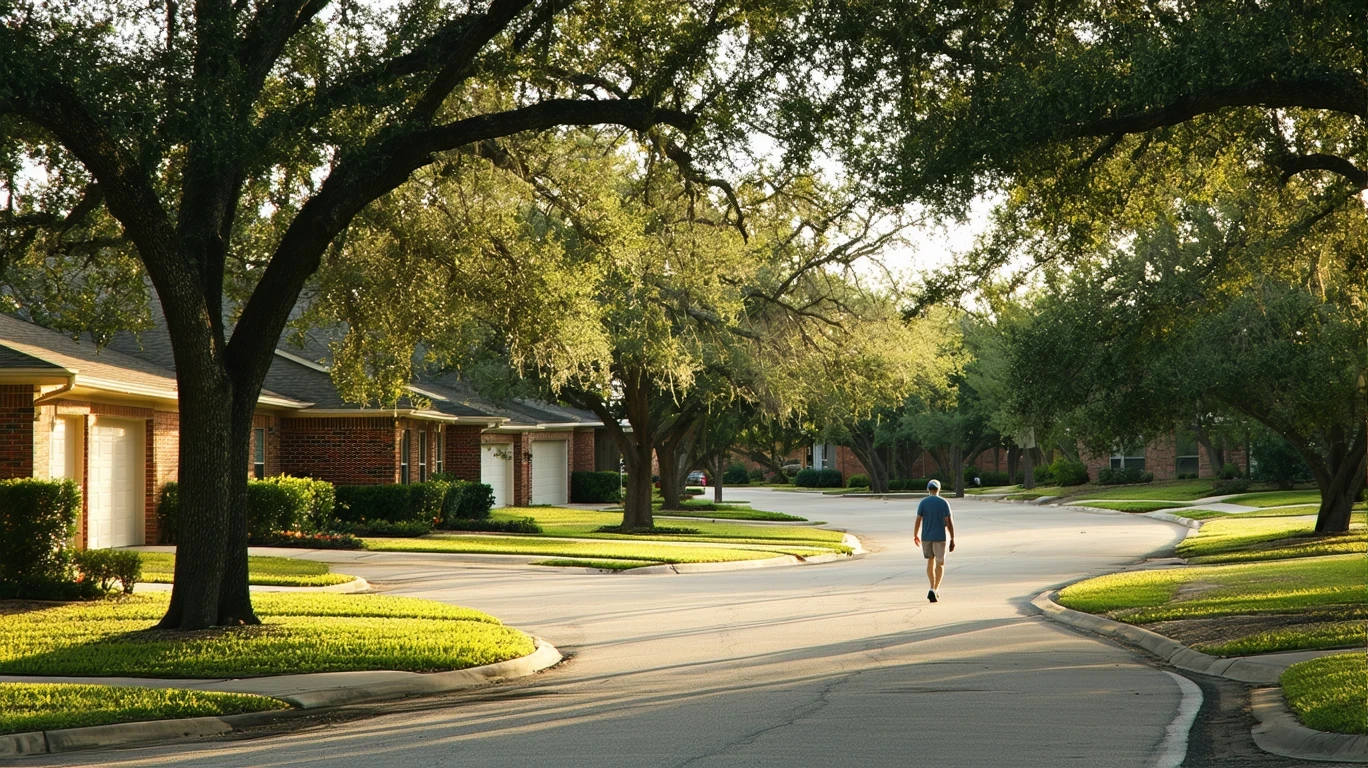
Converse and Universal City sit just miles apart in the San Antonio metro, sharing utility providers, gas stations, and regional pricing—but the way cost pressure shows up in daily life differs more than their proximity suggests. Both cities attract families and working professionals looking for affordable suburban alternatives to San Antonio proper, yet the tradeoffs between upfront housing costs, ongoing obligations, and lifestyle infrastructure create distinct financial experiences. In 2026, choosing between them isn’t about finding the “cheaper” option—it’s about understanding which cost structure aligns with your household’s income rhythm, commute tolerance, and need for walkable access to parks, schools, and errands.
The decision hinges on how different households prioritize entry barriers versus ongoing flexibility. Converse offers lower home purchase prices but higher rent and a car-oriented layout, while Universal City presents higher buy-in costs but lower monthly rent, better pedestrian infrastructure, and more integrated park access. For renters, the difference is immediate and recurring. For buyers, it’s a question of how much capital you’re willing to commit upfront in exchange for a neighborhood where walking to a park or school feels practical rather than aspirational.
This comparison explains where costs concentrate, how infrastructure shapes daily spending, and which households feel the differences most acutely—without declaring a universal winner or calculating total affordability.
Housing Costs: Entry Barriers vs Monthly Obligations
Housing costs in Converse and Universal City reveal a classic suburban tradeoff: lower entry barriers with higher ongoing rent obligations in one city, versus steeper upfront investment with lower monthly rental costs in the other. Converse’s median home value sits at $216,100, while Universal City’s reaches $226,600—a difference that matters most to first-time buyers assembling down payments and navigating mortgage approval thresholds. That $10,500 gap translates into higher closing costs, larger monthly principal and interest payments, and more equity required to avoid private mortgage insurance in Universal City. Buyers stretching to enter the market may find Converse’s lower purchase prices create breathing room during the transaction itself.
For renters, the pressure reverses. Converse’s median gross rent stands at $1,403 per month, compared to Universal City’s $1,171—a $232 monthly difference that compounds over a year into nearly $2,800 in recurring obligations. Renters in Converse face higher baseline housing costs every month, which reduces flexibility for discretionary spending, emergency savings, or absorbing utility spikes during extreme weather. Universal City’s lower rent doesn’t eliminate housing pressure, but it shifts more of the household budget toward controllable expenses rather than locking it into a fixed monthly obligation. Renters planning to stay several years feel this difference more acutely than those treating either city as a short-term landing spot.
The housing stock in both cities skews toward low-rise, single-family construction, which means renters often compete for a limited supply of apartments or duplexes while the majority of inventory caters to buyers. This dynamic amplifies rent sensitivity in Converse, where fewer rental units and higher median rent create tighter competition. Universal City’s combination of lower rent and slightly better walkability (due to higher pedestrian-to-road ratios) makes it more viable for renters who want to minimize car dependency without sacrificing access to parks or schools. Families renting while saving for a down payment may find Universal City’s lower monthly rent accelerates that timeline, even if the eventual purchase price is higher.
| Housing Metric | Converse | Universal City |
|---|---|---|
| Median Home Value | $216,100 | $226,600 |
| Median Gross Rent | $1,403/month | $1,171/month |
Housing takeaway: Renters face higher ongoing pressure in Converse, while buyers encounter steeper entry barriers in Universal City. Households prioritizing monthly cash flow flexibility tend to favor Universal City’s rental market, while those focused on minimizing upfront capital requirements may find Converse’s lower home values easier to navigate. First-time buyers with limited savings feel the purchase price difference most, while renters planning multi-year stays feel the monthly rent gap accumulate into significant budget differences over time.
Utilities and Energy Costs: Shared Rates, Different Exposure
Converse and Universal City share identical utility rate structures—16.04¢ per kilowatt-hour for electricity and $25.56 per thousand cubic feet for natural gas—because both cities draw from the same regional providers and grid infrastructure. This means the price per unit of energy consumed is the same in both locations, but the amount households actually use, and the predictability of those bills, depends on housing age, size, and layout rather than rate differences. In South Texas, cooling dominates utility expenses from May through October, with triple-digit summer heat driving air conditioning usage far beyond what heating requires during the mild winter months. Households in older single-family homes with minimal insulation or outdated HVAC systems experience higher consumption regardless of which city they’re in, but the low-rise, spread-out housing stock common to both cities means larger conditioned square footage compared to apartments or townhomes.
The structural difference in utility exposure comes from housing type distribution and how walkability affects daily routines. Converse’s more car-oriented layout means residents spend less time at home during peak heat hours if they’re commuting or running errands, but it also means homes sit empty and unconditioned during the day—leading some households to pre-cool aggressively or return to overheated spaces that require extended AC runtime. Universal City’s walkable pockets and higher park density create more opportunities for outdoor time without driving, which can reduce midday cooling loads for families with flexible schedules. However, the same park access means kids and adults spend more time at home during evenings and weekends, potentially increasing baseline usage. Neither city offers a clear advantage in total utility costs; the difference lies in whether your household’s schedule and housing type amplify or moderate consumption patterns.
Utility cost volatility in both cities follows seasonal extremes rather than rate fluctuations. Summer bills can double or triple compared to spring and fall baselines, especially in homes with poor insulation, single-pane windows, or aging air conditioning units. Renters in older construction face this volatility with little control, since landlords rarely upgrade HVAC or insulation mid-lease. Homeowners can invest in efficiency improvements—programmable thermostats, attic insulation, or newer AC units—but those upgrades require upfront capital and time to pay back through lower bills. Families with young children or elderly members who require consistent indoor temperatures experience less flexibility to reduce usage during peak months, making housing age and construction quality a bigger cost driver than the city itself.
Utility takeaway: Both cities share the same energy rates, so utility pressure depends on housing type, age, and household routines rather than location. Renters in older homes face higher volatility with limited control, while homeowners can reduce exposure through efficiency upgrades. Households with flexible schedules and access to outdoor spaces (more common in Universal City due to better park integration) may find it easier to moderate cooling loads, but families requiring consistent indoor conditioning feel similar pressure in both cities. The primary difference is predictability: Universal City’s walkable infrastructure may reduce time spent driving in heat, while Converse’s car-oriented layout concentrates more daily activity inside air-conditioned vehicles and homes.
Groceries and Daily Expenses: Access and Habits Over Prices
Grocery and daily expense pressure in Converse and Universal City stems less from price differences—both cities share a regional price parity index of 94, meaning costs run about 6% below the national baseline—and more from how access patterns and convenience spending interact with household routines. Both cities show corridor-clustered food and grocery density, meaning stores concentrate along major roads rather than spreading evenly through neighborhoods. This layout favors households comfortable with car-based shopping trips and bulk purchasing, but it creates friction for those trying to grab a few items on foot or squeeze errands into a tight schedule. Universal City’s higher grocery density (exceeding high thresholds) suggests slightly more options within a given radius, which can reduce the need to drive farther for specialty items or comparison shop across multiple stores.
The real cost difference emerges in how convenience spending creeps into budgets. Converse’s more car-oriented texture means most errands require deliberate trips, which can encourage consolidated shopping and reduce impulse purchases—but it also increases reliance on takeout or delivery when time is tight, since walking to a nearby café or grabbing a quick meal isn’t practical. Universal City’s walkable pockets and better pedestrian infrastructure make it easier to walk to a coffee shop, bakery, or casual restaurant, which can either save money (by reducing delivery fees and tips) or increase spending (by making small purchases feel effortless). Families with young children or dual-income couples managing tight schedules may find Universal City’s layout reduces the logistical burden of errands, even if it doesn’t lower grocery prices.
Household size amplifies these differences. Single adults and couples can absorb convenience spending more easily and benefit from Universal City’s walkable access to cafés and quick-service dining. Families managing larger grocery volumes feel the impact of Converse’s lower rent more directly, since housing costs consume a bigger share of the budget and leave less room for discretionary spending. However, families also face higher transportation costs in Converse if they’re making frequent trips to schools, activities, and stores scattered across car-dependent corridors. Universal City’s better family infrastructure—schools meeting medium density thresholds and parks exceeding high density—means fewer miles driven for routine activities, which indirectly reduces the friction cost of daily life even if grocery prices remain similar.
Groceries takeaway: Price sensitivity in both cities is low due to regional pricing, but access friction and convenience spending habits create different cost experiences. Converse’s car-oriented layout encourages bulk shopping and reduces impulse purchases but increases reliance on takeout when time is tight. Universal City’s walkable pockets make small errands easier, which can either save money (fewer delivery fees) or increase spending (more frequent café visits). Families feel grocery pressure most acutely in Converse due to higher rent consuming budget flexibility, while single adults and couples may find Universal City’s convenience worth the higher home purchase prices if they value walkable access over driving efficiency.
Taxes and Fees: Predictable Structures, Different Household Exposure
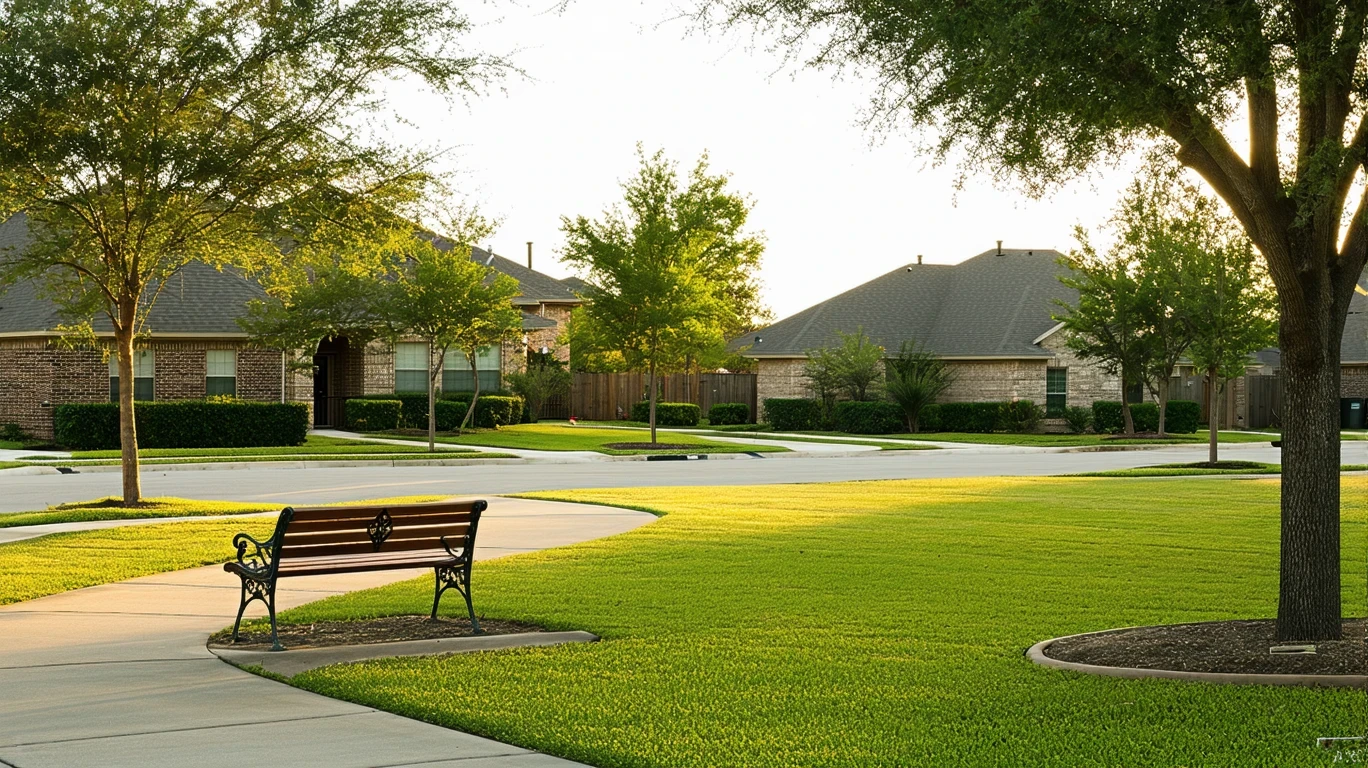
Property taxes in both Converse and Universal City follow Texas’s statewide reliance on real estate taxation to fund schools, infrastructure, and municipal services, with no state income tax to offset the burden. This structure means homeowners carry the majority of the tax load, while renters experience it indirectly through landlords passing costs into monthly rent. Universal City’s higher median home value of $226,600 compared to Converse’s $216,100 translates into higher annual property tax bills for buyers, even if the effective tax rate remains similar across the metro. Homeowners in Universal City pay more in absolute dollars each year, which compounds over time and affects long-term affordability for households planning to stay a decade or more. However, that higher tax burden also correlates with better-maintained parks, schools, and pedestrian infrastructure—costs that show up in the tax bill but reduce other household expenses like driving to distant parks or paying for private recreation.
Renters in Converse face higher indirect tax exposure because landlords factor property taxes into rent pricing, and Converse’s $1,403 median rent already runs $232 above Universal City’s $1,171. While renters don’t write the tax check directly, they absorb the cost through higher monthly obligations, which reduces flexibility to save for a down payment or build an emergency fund. Renters planning to stay short-term (one to two years) may not feel the cumulative impact as strongly, but those staying longer effectively pay more in embedded taxes over time compared to Universal City renters. This dynamic makes Universal City’s lower rent particularly valuable for renters who want to maximize savings velocity while still accessing walkable parks and schools.
Fees and assessments in both cities vary by neighborhood and housing type, with homeowners associations (HOAs) more common in newer subdivisions. HOA fees can range from minimal (covering only shared landscaping) to substantial (including trash, water, and amenity access), and these costs are more predictable than taxes but less transparent during the home search process. Renters typically avoid HOA fees unless renting in a managed community, but homeowners must budget for them as a recurring monthly obligation on top of mortgage and taxes. Converse’s lower home values may attract buyers into HOA-managed neighborhoods where fees offset the purchase price advantage, while Universal City’s higher home values sometimes correlate with older, established neighborhoods without HOAs. Buyers should verify fee structures before committing, as a $200/month HOA fee in Converse can erase the savings from a lower purchase price within a few years.
Taxes and fees takeaway: Homeowners in Universal City face higher absolute property tax bills due to higher home values, but renters in Converse pay more in embedded taxes through higher monthly rent. Long-term homeowners feel Universal City’s tax burden accumulate over time, while renters feel Converse’s higher rent reduce monthly flexibility immediately. HOA fees vary by neighborhood in both cities and can shift the cost equation significantly—buyers should treat them as a recurring obligation equal in weight to the mortgage payment itself. Households planning to stay several years should calculate total ownership costs (mortgage, taxes, HOA, insurance) rather than focusing solely on purchase price, as Universal City’s higher upfront cost may be offset by lower rent for renters or better infrastructure value for owners.
Getting Around: Car Dependence and Walkable Pockets
Transportation costs in Converse and Universal City share the same regional fuel price of $2.52 per gallon, but the way households experience mobility pressure differs due to infrastructure layout and pedestrian access. Converse shows moderate pedestrian infrastructure relative to its road network, meaning some sidewalks and crossings exist but most daily trips—groceries, schools, medical appointments—require a car. Universal City’s pedestrian-to-road ratio exceeds high thresholds, creating walkable pockets where residents can reach parks, schools, and some errands on foot without needing to drive every time. This difference doesn’t eliminate car ownership in either city, but it changes how often households rely on their vehicles and how much flexibility exists to reduce driving when fuel prices spike or when a second car becomes a financial burden.
For single adults and couples, Universal City’s walkable infrastructure can reduce the pressure to own two vehicles, especially if both partners work remotely or have flexible schedules. Walking to a nearby park, café, or grocery store becomes a realistic option rather than a theoretical amenity, which lowers fuel consumption, reduces wear on vehicles, and creates more opportunities to absorb transportation volatility without feeling stranded. Converse’s car-oriented layout means most households assume two-car ownership from the start, which adds insurance, registration, maintenance, and fuel costs that compound over time. Families with school-age children feel this difference acutely: Universal City’s medium school density and high park density mean shorter, more frequent trips that can sometimes be walked or biked, while Converse’s limited family infrastructure often requires longer drives to access comparable amenities.
Commute patterns in both cities depend heavily on where residents work within the San Antonio metro. Neither city offers rail transit, and bus service is limited, so most workers drive to jobs in San Antonio, nearby military installations, or local employers. The time cost of commuting doesn’t vary dramatically between the two cities, but the cumulative fuel expense and vehicle depreciation add up differently depending on how many trips each household makes beyond the daily commute. Universal City’s better pedestrian access means fewer supplemental trips for errands, school pickups, or recreation, which reduces total miles driven per week even if the commute distance remains similar. Converse’s layout concentrates more trips into the car, which increases fuel consumption and accelerates maintenance cycles—oil changes, tire replacements, brake service—that turn transportation into a larger share of the household budget over time.
Transportation takeaway: Both cities require car ownership for most households, but Universal City’s walkable pockets reduce the frequency and necessity of driving for errands, school, and recreation. Converse’s car-oriented layout increases total miles driven per week, which compounds fuel, maintenance, and insurance costs over time. Single adults and couples in Universal City may find one-car households more viable, while families in Converse typically assume two-car ownership as a baseline. The difference isn’t dramatic on a per-trip basis, but the cumulative impact on fuel budgets, vehicle longevity, and time spent driving adds up for households staying several years.
Where Cost Pressure Concentrates
Housing dominates the cost experience in both cities, but the pressure shows up differently depending on whether you’re renting or buying. Converse’s lower home values reduce the entry barrier for first-time buyers assembling down payments, but renters face $232 more per month compared to Universal City—a recurring obligation that limits flexibility and slows savings velocity. Universal City’s higher purchase prices require more upfront capital, but lower rent creates breathing room for renters to absorb utility spikes, build emergency funds, or save toward ownership. Families renting while preparing to buy may find Universal City’s monthly savings accelerate their timeline despite the higher eventual purchase price, while buyers with limited cash reserves feel Converse’s lower home values reduce transaction stress.
Utilities introduce similar volatility in both cities due to shared energy rates and South Texas’s intense summer cooling demands, but housing type and daily routines determine actual exposure. Older single-family homes amplify cooling costs regardless of location, while Universal City’s walkable parks and pedestrian infrastructure create more opportunities to moderate usage by spending time outdoors without driving. Converse’s car-oriented layout concentrates more activity inside air-conditioned spaces—homes and vehicles—which can increase baseline consumption for families with flexible schedules. Neither city offers a structural advantage in utility predictability; the difference lies in how household routines interact with housing stock and infrastructure.
Transportation patterns matter more in Converse, where car dependence extends beyond commuting into every errand, school run, and recreational trip. Universal City’s walkable pockets don’t eliminate driving, but they reduce the frequency of short trips that compound fuel costs and vehicle wear over time. Families with young children feel this difference most, as Universal City’s higher school and park density shortens trip distances and creates more opportunities for walking or biking. Single adults and couples in Universal City may find one-car households viable, while Converse’s layout typically requires two vehicles, adding insurance, registration, and maintenance costs that persist regardless of fuel price fluctuations.
The decision between Converse and Universal City isn’t about finding the cheaper option—it’s about identifying which cost structure aligns with your household’s income rhythm and priorities. Households sensitive to monthly cash flow pressure may prefer Universal City’s lower rent and walkable access, even if buying later requires more capital. Households prioritizing homeownership entry and comfortable with car-dependent routines may find Converse’s lower purchase prices and higher rent a worthwhile tradeoff. For renters, the difference is immediate and recurring; for buyers, it’s front-loaded but persistent through property taxes and infrastructure access.
How the Same Income Feels in Converse vs Universal City
Single Adult
For a single adult, housing becomes the first non-negotiable cost, and the $232 monthly rent difference between Converse and Universal City determines how much flexibility remains for discretionary spending, savings, or absorbing unexpected expenses. In Converse, higher rent locks more income into a fixed obligation, leaving less room to build an emergency fund or save toward a down payment. Universal City’s lower rent creates breathing room, and the walkable access to parks and cafés reduces the need for a second vehicle or frequent driving, which lowers transportation pressure. The tradeoff is less about total cost and more about whether you value monthly flexibility over minimizing upfront housing search friction.
Dual-Income Couple
A dual-income couple faces the same rent differential, but the impact depends on whether both partners commute and how much time they spend managing errands versus working from home. In Converse, higher rent and car-oriented infrastructure mean more income goes toward housing and transportation, with less flexibility to reduce driving or consolidate trips. Universal City’s walkable pockets and lower rent create more opportunities to share a single vehicle or walk to nearby amenities, which reduces insurance, fuel, and maintenance costs over time. The decision hinges on whether the couple prioritizes monthly cash flow flexibility or prefers Converse’s lower home values if planning to buy within a few years.
Family with Kids
Families feel the cost differences most acutely because housing, transportation, and daily logistics all compound. In Converse, higher rent and limited school density mean longer drives for school, activities, and recreation, which increases fuel consumption and vehicle wear while reducing time available for other priorities. Universal City’s lower rent, better school access, and integrated parks reduce both the cash cost and time cost of daily routines, creating more predictability and less friction. The tradeoff is Universal City’s higher home purchase price if the family plans to buy, but the lower rent and shorter trip distances may accelerate savings velocity enough to offset the eventual entry barrier.
Decision Matrix: Which City Fits Which Household?
| Decision Factor | If You’re Sensitive to This… | Converse Tends to Fit When… | Universal City Tends to Fit When… |
|---|---|---|---|
| Housing entry + space needs | Down payment size, closing costs, mortgage approval thresholds | You’re buying with limited savings and prioritize lower purchase price over monthly rent | You’re renting and want lower monthly obligations to accelerate savings despite higher eventual buy-in |
| Transportation dependence + commute friction | Fuel costs, vehicle wear, time spent driving for errands and school | You’re comfortable with car-dependent routines and consolidated shopping trips | You want walkable access to parks and schools to reduce trip frequency and support one-car households |
| Utility variability + home size exposure | Seasonal cooling spikes, older housing stock, limited control over consumption | You’re buying and can invest in efficiency upgrades to moderate long-term exposure | You’re renting and want walkable outdoor access to reduce midday cooling loads during flexible schedules |
| Grocery strategy + convenience spending creep | Impulse purchases, delivery fees, time cost of errands | You prefer bulk shopping and consolidated trips to minimize convenience spending | You value walkable access to cafés and quick errands even if it increases small purchases |
| Fees + friction costs (HOA, services, upkeep) | Recurring obligations beyond mortgage and rent, transparency during home search | You’re willing to verify HOA fees carefully since lower home values may come with managed neighborhoods | You prefer established neighborhoods with fewer HOA obligations despite higher purchase prices |
| Time budget (schedule flexibility, errands, logistics) | Daily trip consolidation, school proximity, park access without driving | You have flexible schedules and can consolidate errands into deliberate car trips | You want shorter, more frequent trips that can be walked or biked to reduce logistical friction |
Lifestyle Fit: Infrastructure and Daily Rhythms
Lifestyle differences between Converse and Universal City emerge less from amenities themselves and more from how infrastructure shapes daily routines and household logistics. Both cities offer low-rise, suburban character with access to parks, schools, and basic services, but Universal City’s walkable pockets and higher park density create more opportunities for spontaneous outdoor time without needing to drive. Families with young children benefit from Universal City’s integrated park access, where walking to a playground or green space feels practical rather than aspirational. Converse’s parks exist but require more deliberate trips, which works well for households comfortable with car-based recreation but adds friction for those trying to minimize driving or manage tight schedules.
School access also differs structurally. Universal City’s school density meets medium thresholds, meaning more families live within reasonable proximity to elementary and middle schools, which shortens morning drop-offs and reduces the logistical burden of coordinating activities. Converse’s school density falls below low thresholds, so families often face longer drives or more complex transportation arrangements, especially if managing multiple children with different schedules. This difference doesn’t eliminate school access, but it changes how much time and fuel households spend on education-related trips each week. For families prioritizing walkable or bikeable school routes, Universal City’s infrastructure reduces daily friction even if it doesn’t lower tuition or fees.
Both cities share similar access to healthcare, with clinics present but no hospital facilities within city limits. This means routine medical care—pediatric checkups, urgent care visits, pharmacy pickups—can be handled locally, but emergency care or specialized treatment requires driving to San Antonio. The lack of hospital presence in either city equalizes healthcare access, so the decision hinges more on how often households need routine care and whether Universal City’s walkable layout makes pharmacy or clinic trips easier to integrate into daily errands. Households with chronic conditions or frequent medical needs may find the car-dependent layout in both cities requires similar planning regardless of which city they choose.
Quick facts: Universal City’s park density exceeds high thresholds, with water features present, creating more integrated outdoor access for families and active adults. Converse’s pedestrian-to-road ratio sits in the medium band, meaning some sidewalks exist but most trips require driving.
Frequently Asked Questions
Is it cheaper to rent in Converse or Universal City in 2026? Universal City’s median gross rent of $1,171 per month runs $232 below Converse’s $1,403, making it the lower-cost option for renters. This difference compounds over a year into nearly $2,800 in recurring obligations, which affects budget flexibility, savings velocity, and the ability to absorb utility spikes or unexpected expenses. Renters planning to stay several years feel this gap more acutely than those treating either city as a short-term landing spot.
Which city has lower home prices, Converse or Universal City? Converse’s median home value of $216,100 sits $10,500 below Universal City’s $226,600, making it the more accessible option for first-time buyers assembling down payments and navigating mortgage approval thresholds. This difference reduces closing costs, lowers monthly principal and interest payments, and decreases the equity required to avoid private mortgage insurance. Buyers with limited cash reserves feel this entry barrier difference most, while those prioritizing long-term value may weigh Universal City’s better pedestrian infrastructure and park access against the higher purchase price.
How do transportation costs compare between Converse and Universal City? Both cities share the same regional fuel price of $2.52 per gallon, but transportation pressure differs due to infrastructure layout. Converse’s car-oriented texture means most errands, school runs, and recreation require driving, which increases total miles driven per week and compounds fuel, maintenance, and insurance costs over time. Universal City’s walkable pockets and higher pedestrian-to-road ratio reduce the frequency of short trips, creating more opportunities to walk or bike for errands and recreation. Families with young children and single adults managing tight budgets feel this difference most, as Universal City’s layout can support one-car households more viably than Converse’s car-dependent routines.
Do Converse and Universal City have the same utility rates in 2026? Yes, both cities share identical utility rate structures—16.04¢ per kilowatt-hour for electricity and $25.56 per thousand cubic feet for natural gas—because they draw from the same regional providers. The difference in utility costs comes from housing type, age, and household routines rather than rate differences. Older single-family homes with minimal insulation or outdated HVAC systems experience higher consumption in both cities, while Universal City’s walkable parks and pedestrian infrastructure create more opportunities to moderate cooling loads by spending time outdoors without driving. Neither city offers a structural advantage in utility predictability; the difference lies in how household schedules and housing stock interact with South Texas’s intense summer cooling demands.
Which city is better for families with school-age children, Converse or Universal City? Universal City’s school density meets medium thresholds, meaning more families live within reasonable proximity to elementary and middle schools, which shortens morning drop-offs and reduces the logistical burden of coordinating activities. Converse’s school density falls below low thresholds, so families often face longer drives or more complex transportation arrangements. Universal City also offers higher park density and better pedestrian infrastructure, creating more opportunities for walking or biking to school and recreation. Families prioritizing walkable school routes and integrated park access tend to find Universal City’s infrastructure reduces daily friction, while those comfortable with car-dependent routines may prefer Con