
“It’s one of those places where you can actually walk to the grocery store in some neighborhoods, but you still need a car for most things — and honestly, that’s kind of the whole vibe here.” That tension — between pockets of convenience and stretches of car dependence — captures much of what people feel about living in Columbus, OH. It’s a city in transition, where family-friendly infrastructure meets mixed urban form, and where the experience of daily life depends heavily on which part of town you call home.
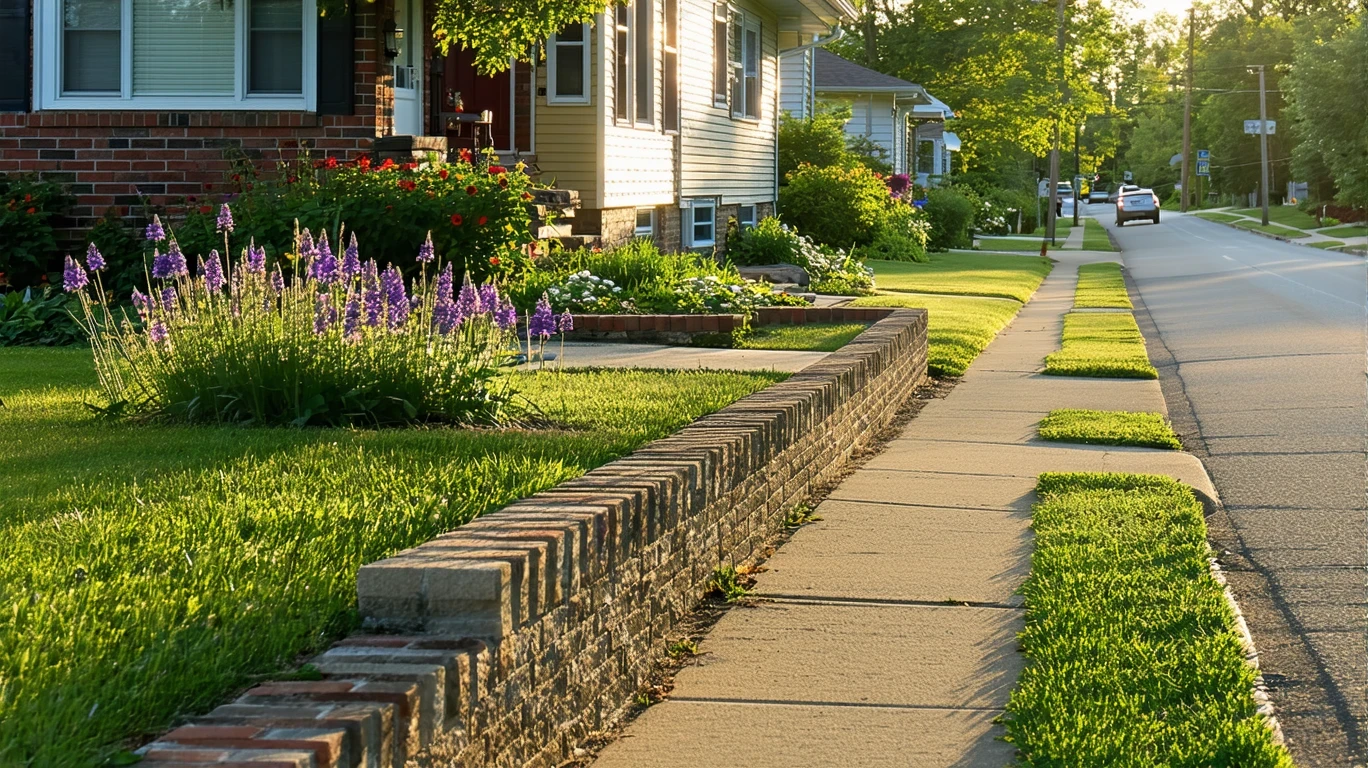
The Emotional Landscape of Columbus
Columbus tends to reward people who value quality of life factors like accessible parks, strong school density, and the ability to run errands without long drives. The city’s integrated green space and broadly accessible food and grocery options create a rhythm of convenience that families and outdoor-oriented residents appreciate. But for those expecting uniform walkability, rail transit, or the texture of a dense urban core, Columbus can feel like a city still figuring out its identity.
What keeps coming up emotionally is the sense of “almost there” — walkable pockets exist, cycling infrastructure is notable, and mixed-use areas are present, but the city hasn’t fully committed to any single character. People who thrive here tend to be comfortable with that in-between state: suburban ease with urban amenities within reach, but not everywhere, not all the time.
The tradeoff most residents navigate is between convenience and consistency. In neighborhoods with high pedestrian-to-road ratios, daily life feels fluid and low-friction. In areas where car dependence dominates, the experience shifts toward planning, driving, and longer errand loops. That variability shapes how people talk about the city — some feel liberated by the pockets of walkability, others feel constrained by the gaps.
Social Media Buzz in Columbus
On platforms like Reddit and local Facebook groups, Columbus residents tend to discuss the city in terms of access and infrastructure rather than identity or pride. Conversations often circle around where you can walk, where you need to drive, and whether the bus system is enough if you don’t own a car. The tone is pragmatic, sometimes mildly frustrated, but rarely bitter.
“I love that I can bike to the park and the grocery store from my place, but if I need to get across town, it’s a whole thing.”
“The schools and playgrounds are solid here, which is why we moved, but I wish there were more options for getting around without a car.”
“It’s a good city for families, but if you’re used to rail transit or a truly walkable downtown, you’ll notice what’s missing.”
The recurring theme is one of conditional satisfaction: Columbus works well if your daily needs align with the infrastructure in your specific neighborhood. When they don’t, the friction becomes a frequent topic of conversation.
Local News Tone
Local coverage in Columbus tends to frame the city through the lens of growth, infrastructure planning, and neighborhood change. The tone is often forward-looking, emphasizing projects, proposals, and community input rather than celebrating a fixed identity. Headlines and story angles tend to cluster around a few recurring themes:
- “City Explores Expanding Bike Lane Network”
- “New Mixed-Use Development Brings Retail to Residential Area”
- “Residents Weigh Transit Options as Bus Routes Adjust”
- “Parks and Green Space Investments Continue Across Neighborhoods”
- “Community Debates What Walkability Means for Columbus”
The framing reflects a city in motion, but not yet settled. Coverage rarely declares Columbus “arrived” at any particular vision; instead, it documents the ongoing negotiation between different kinds of residents and different expectations for what the city should feel like.
Review-Based Public Perception
On platforms like Google Reviews, Yelp, and Nextdoor-style forums, Columbus earns praise for its family infrastructure, park access, and the presence of hospitals and pharmacies. People who wanted suburban comfort with some urban perks tend to feel the city delivered. Those who expected dense, walkable urbanism or robust public transit tend to express disappointment, though the tone is more “not quite right for me” than “this place failed.”
Positive reviews often highlight:
- Easy access to groceries and everyday errands in certain neighborhoods
- Strong school and playground density, making family logistics manageable
- Integrated parks and green space that support outdoor routines
- Mixed building heights and land use that create visual variety
Critical reviews tend to focus on:
- Inconsistent walkability across neighborhoods
- Bus-only transit limiting mobility for non-drivers
- Car dependence still dominant despite pockets of pedestrian infrastructure
- Lack of rail transit or high-frequency public transportation
The expectation mismatch is clear: Columbus works well for people who wanted a family-friendly, park-rich environment with some walkable conveniences. It frustrates people who wanted a car-optional lifestyle or the density and transit options of a larger metro.
Comparison to Nearby Cities
| Aspect | Columbus, OH | Nearby City A | Nearby City B |
|---|---|---|---|
| Walkability | Pockets of high pedestrian infrastructure, but not citywide | More uniform car dependence, fewer walkable areas | Denser core with stronger walkability throughout |
| Transit Options | Bus service present, no rail | Limited bus routes, very car-dependent | Rail and bus options available |
| Family Infrastructure | Strong school and playground density | Moderate family amenities, more spread out | High family infrastructure, similar to Columbus |
| Green Space | Integrated parks, high density | Present but less accessible | Strong park access, similar feel |
| Urban Character | Mixed heights, transitional feel | Low-rise, suburban consistency | More vertical, established urban core |
Columbus sits in the middle of a spectrum: more walkable and family-oriented than sprawling suburban alternatives, but less transit-rich and less uniformly urban than denser metros. If you value park access and strong family infrastructure but can live with bus-only transit and car dependence outside walkable pockets, Columbus offers a functional compromise. If you need rail transit or expect walkability everywhere, nearby denser metros may feel more aligned. If you prefer consistent suburban character without the mixed-use texture, smaller surrounding towns may feel more predictable.
What Locals Are Saying
“We moved here for the schools and parks, and on that front, Columbus delivered. Our kids can walk to the playground, and we’re close to grocery stores. But if we want to go downtown or visit friends across town, we’re driving.”
“I like that there’s bike infrastructure here — it’s not just an afterthought. But the bus system isn’t enough if you don’t have a car, and that limits who can really thrive here.”
“It’s a good city if you’re okay with driving most places but want the option to walk sometimes. If you’re looking for a truly car-free lifestyle, this isn’t it.”
“The green space here is fantastic. We’re near parks, there are trails, and it feels like the city actually invested in outdoor access. That’s been huge for our family.”
“I came from a bigger city with rail transit, and I miss that. The bus works for some trips, but it’s not fast or frequent enough to replace a car.”
“Columbus feels like it’s still becoming something. There’s potential here, but it’s not fully realized yet. If you’re patient and flexible, it’s a decent place to be.”
“The mixed-use areas are nice — you get a little bit of urban energy without the density or noise of a big city. But outside those pockets, it’s pretty standard suburban sprawl.”
Does Columbus Feel Like a Good Fit?
Columbus tends to work for families seeking strong school and playground access, residents who value integrated parks and outdoor routines, and people comfortable with a mix of driving and occasional walking. The city’s broadly accessible errands and notable bike infrastructure reduce day-to-day friction in the right neighborhoods, and the presence of hospitals and pharmacies supports household logistics.
It tends to frustrate residents expecting rail transit, uniform walkability across the city, or a fully realized urban core. The bus-only transit system limits mobility for non-drivers, and the mixed building heights and transitional character can feel unfinished to those seeking either consistent suburban calm or dense urban energy.
The emotional profile of Columbus is one of conditional alignment: if your daily needs and expectations match the infrastructure in your neighborhood, the city feels functional and pleasant. If they don’t, the gaps become a recurring source of friction. For readers weighing whether Columbus fits their life, exploring where money goes and housing tradeoffs can help clarify whether the city’s structure supports the lifestyle you’re building.
How this article was built: In addition to public economic data, this article incorporates location-based experiential signals derived from anonymized geographic patterns—such as access density, walkability, and land-use mix—to reflect how day-to-day living actually feels in Columbus, OH.
The perspectives shown reflect commonly expressed local sentiment and recurring themes in public discussion, rather than individual accounts.