
Owning a home in Colton means managing costs that don’t appear on the mortgage statement. Property taxes, insurance premiums, maintenance cycles, and utility exposure all shift the true cost of ownership well beyond the purchase price. For households evaluating whether to rent or buy, understanding these hidden layers is essential—not just for qualification, but for long-term financial stability.
Colton’s housing market sits within the Inland Empire, where home values reflect proximity to regional employment centers, rail transit access, and the tradeoffs of inland California living. The median home value stands at $376,600, while median gross rent reaches $1,462 per month. These figures anchor the decision, but they don’t explain how housing costs behave over time, how location within the city changes convenience friction, or which households face the steepest exposure.
This article breaks down the cost structure of renting and owning in Colton, explains how apartments and houses differ in ongoing expenses, and clarifies which factors drive long-term financial pressure. It’s written for households deciding whether Colton’s housing market fits their budget, their logistics, and their tolerance for cost volatility.
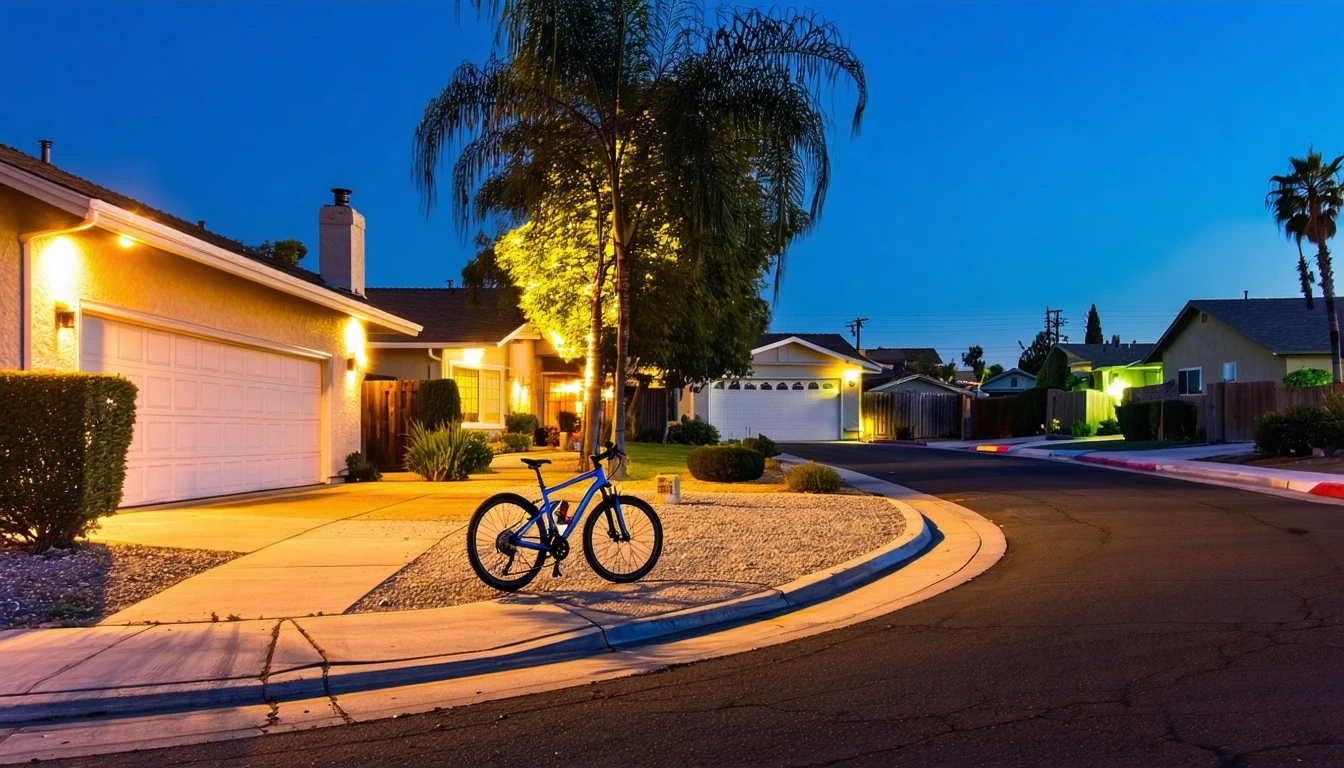
The Housing Market in Colton Today
Colton’s housing market reflects its role as a commuter-accessible city with rail transit infrastructure and mixed land use concentrated in specific corridors. The presence of rail service distinguishes Colton from purely car-dependent suburbs, creating pockets where households can reduce transportation costs by living near transit nodes. But this advantage isn’t evenly distributed—walkable pockets exist, but the city’s overall pedestrian-to-road ratio suggests that most daily errands still require a car unless you live in one of the higher-density corridors.
The median home value of $376,600 positions Colton below coastal California markets but above many Inland Empire peers. For a household earning the median income of $66,725 per year, this price point creates tight qualification conditions under standard lending rules. Ownership here isn’t out of reach, but it demands careful management of debt, down payment, and ongoing cost exposure.
Rental pressure is real. At $1,462 per month, median gross rent consumes a substantial share of typical household income, leaving limited room for transportation, utilities, and discretionary spending. Renters who prioritize proximity to rail transit or grocery-dense corridors can reduce car dependency and errand friction, but those tradeoffs require intentional location choices within the city.
What newcomers often misunderstand is that Colton’s housing costs aren’t uniform across neighborhoods. Corridor-clustered accessibility means that living near commercial nodes reduces daily logistics complexity, while living in quieter residential areas increases reliance on driving. This isn’t just about convenience—it’s about how much time, fuel, and planning your housing choice demands every week.
Renting in Colton
Renting in Colton offers predictability in monthly costs but exposes households to lease renewal volatility and limited control over housing quality. The median gross rent of $1,462 per month includes base rent and may or may not include utilities, depending on the landlord and property type. Renters should expect to pay separately for electricity, gas, water, and trash in most cases, adding another layer of monthly variability.
Location within Colton determines how much renters spend on transportation and time. Households near rail stations can reduce car dependency, cutting fuel costs and vehicle wear. Those in areas with high grocery density—where Colton performs well—can walk or bike for essentials, further lowering transportation exposure. But renters in less connected neighborhoods face longer drives for errands, medical appointments, and recreation, which compounds the true cost of a lower-rent unit.
Rental availability in Colton follows the broader Inland Empire pattern: demand is steady, driven by households priced out of coastal markets and workers commuting to regional employment centers. This demand supports landlords’ ability to raise rents at lease renewal, particularly in well-located units near transit or commercial corridors. Renters should plan for annual increases and budget accordingly, even if current rent feels manageable.
The rental experience in Colton also depends on housing stock age and maintenance standards. Older apartment complexes may have lower base rent but higher utility costs due to poor insulation and outdated HVAC systems. In Colton’s hot, dry summers, cooling costs dominate utility bills, and an inefficient unit can turn an affordable rent into a financial strain. Renters should ask about average utility costs before signing, not after.
Owning a Home in Colton
Ownership in Colton shifts cost exposure from monthly rent volatility to long-term maintenance, tax, and insurance cycles. The median home value of $376,600 serves as the entry point, but the true cost of ownership includes property taxes, homeowners insurance, mortgage interest, and the ongoing need to repair, replace, and upgrade home systems.
Property taxes in California are governed by Proposition 13, which caps assessed value increases at 2% per year for existing owners but resets the tax base to market value upon sale. This means new buyers face higher tax bills than long-term residents, even for identical homes. While the specific tax rate for Colton isn’t provided in available data, buyers should expect property taxes to represent a significant share of monthly housing costs—often rivaling or exceeding the principal portion of the mortgage payment in early years.
Homeowners insurance in inland California reflects wildfire risk, even in urban areas. Premiums have risen across the state as insurers reassess exposure, and Colton is no exception. Buyers should budget for insurance costs that may increase annually, particularly if state-backed insurance programs shift coverage terms or pricing structures.
Maintenance and replacement cycles are the hidden cost drivers that renters avoid entirely. In Colton’s climate, air conditioning systems work hard during extended cooling seasons, leading to faster wear and higher replacement costs. Roofs, water heaters, and HVAC units all have finite lifespans, and replacing them can cost thousands of dollars in a single year. Owners who don’t budget for these cycles face financial shocks that renters never encounter.
Homeownership in Colton also means navigating local governance and land use rules. Mixed land use is present throughout the city, meaning residential neighborhoods often sit near commercial corridors. This proximity supports walkable errands but can also introduce noise, traffic, and parking pressure. Buyers should evaluate not just the home itself but the block-level context—what’s across the street, how close the nearest busy road is, and whether the neighborhood’s character aligns with long-term plans.
Apartment vs House in Colton — Cost Behavior Comparison
The cost difference between renting an apartment and owning a house in Colton isn’t just about the monthly payment—it’s about which expenses you control, which you don’t, and how climate and infrastructure shape ongoing costs.
| Expense Category | Apartment | House |
|---|---|---|
| Cooling Costs | Lower total usage due to shared walls and smaller square footage; landlord controls equipment efficiency | Higher usage due to standalone structure and larger space; owner controls thermostat and upgrade timing but bears full replacement cost |
| Heating Costs | Minimal in Colton’s climate; shared walls reduce need | Low but present; standalone structure loses more heat on rare cold nights |
| Water & Sewer | Often included in rent or billed as flat fee; usage not directly controlled by tenant | Billed directly; owner pays for landscaping irrigation, pool maintenance if present, and any leaks |
| Exterior Maintenance | Landlord responsibility; tenant has no cost but no control over timing or quality | Owner responsibility; includes roof, siding, driveway, and yard work—costs are irregular but unavoidable |
| Parking & Storage | Limited; often one assigned space, minimal storage | Garage or carport typical; supports vehicle maintenance and reduces sun damage in hot climate |
Why these categories? Colton’s hot, dry summers make cooling the dominant utility cost, and housing type directly affects exposure. Shared walls in apartments reduce cooling load, while standalone houses face full sun exposure on all sides. Water costs differ because houses often include landscaping and pools, while apartments centralize these features. Exterior maintenance is included because Colton’s low-rise housing stock means most renters live in small complexes where landlords handle upkeep, while most owners manage detached homes. Categories like trash and basic electricity aren’t included because they don’t vary meaningfully by housing type in this market.
Utilities & Upkeep Differences
Utility exposure in Colton is shaped by climate, housing type, and infrastructure age. Electricity rates stand at 31.91¢ per kWh, which is elevated compared to much of the U.S. but typical for California. Natural gas is priced at $21.94 per MCF, relevant primarily for heating and water heating in homes that haven’t converted to electric systems.
Cooling dominates summer utility bills. Colton’s extended cooling season means air conditioning runs for months, not weeks, and the cost difference between an efficient system and an outdated one can be substantial. Apartment renters benefit from smaller spaces and shared walls, which reduce cooling load, but they have no control over equipment upgrades. Homeowners can invest in high-efficiency HVAC systems, programmable thermostats, and improved insulation, but they also bear the full cost of operation and replacement.
Heating costs are minor in Colton’s climate. Rare freezing nights may trigger furnace use, but the seasonal exposure is minimal compared to cooling. Homes with older gas furnaces will see small natural gas charges during winter months, but this isn’t a primary cost driver.
Water and sewer costs differ sharply by housing type. Apartment renters often pay a flat fee or have water included in rent, while homeowners pay based on usage. In Colton’s dry climate, outdoor irrigation can drive water bills significantly higher, particularly for homes with lawns or pools. Owners who let landscaping go dormant in summer or convert to drought-tolerant plants can reduce this exposure, but it requires upfront investment and ongoing management.
Maintenance cycles in Colton are accelerated by heat and sun exposure. Roofs degrade faster under intense UV, exterior paint fades and cracks, and HVAC systems work harder and fail sooner. Homeowners should budget for these cycles as recurring costs, not emergencies. Renters avoid this exposure entirely, but they also have no control over repair timing or quality, which can affect comfort and secondary costs like higher utility bills from inefficient equipment.
Rent vs Buy: Long-Term Exposure in Colton
The rent-versus-buy decision in Colton isn’t about which option costs less in year one—it’s about which cost structure aligns with your tolerance for volatility, your timeline, and your ability to absorb irregular expenses.
Renters face annual lease renewal risk. Rent increases in Colton follow regional demand patterns, and while California law caps annual increases for certain properties, new leases and exempt buildings can see sharper jumps. Renters gain flexibility and avoid maintenance costs, but they build no equity and have limited control over long-term housing stability. For households planning to stay in Colton fewer than three to five years, renting avoids the transaction costs and market risk of buying and selling quickly.
Owners lock in a portion of their housing cost through fixed-rate mortgages, but they remain exposed to property tax increases, insurance premium growth, and maintenance cycles. In Colton, these costs are not trivial. Property taxes reset to market value at purchase, meaning new buyers pay more than long-term residents. Insurance premiums are rising across California, and maintenance costs are amplified by climate stress on building systems. Owners who plan to stay long-term can absorb these costs and benefit from equity accumulation, but those who sell within a few years may find that transaction costs and market fluctuations erase any financial advantage.
The behavioral difference is control. Owners can upgrade insulation, install solar panels, replace HVAC systems, and make structural changes that reduce long-term costs. Renters cannot. But owners also cannot defer major repairs without risking home value and livability. A failed air conditioner in Colton isn’t optional—it’s a health and safety issue that demands immediate, expensive resolution.
For families, ownership in Colton offers stability in school assignment and neighborhood continuity, which matters in a city where school density is moderate and playground access is limited. Renters face the possibility of forced moves due to lease non-renewal or rent increases, which disrupts school enrollment and social networks. This non-financial cost is real and should factor into the decision.
For commuters, the decision hinges on proximity to rail transit. Owners who buy near stations lock in transportation cost savings for as long as they stay. Renters can move closer to transit if job locations change, maintaining flexibility. With gas prices at $4.27 per gallon, the cumulative cost of a long car commute versus a short rail commute can rival the difference between rent and mortgage payments over time.
How Place Structure Shapes Housing Decisions in Colton
Colton’s layout creates meaningful differences in how housing costs translate into daily life. The city’s pedestrian-to-road ratio exceeds high thresholds in certain areas, meaning some neighborhoods support walking for errands, school drop-offs, and transit access. But this isn’t uniform—walkable pockets exist rather than citywide pedestrian infrastructure, so housing location determines whether you can reduce car dependency or remain fully reliant on driving.
Grocery density in Colton exceeds high thresholds, meaning food shopping is broadly accessible without long drives. But food establishment density sits in the medium band, suggesting that while supermarkets are plentiful, the variety of restaurants, cafes, and prepared food options is more limited. For households that cook at home, this works well. For those who rely on takeout or dining out frequently, the corridor-clustered pattern means you’ll drive to access variety.
Rail transit presence is a major differentiator. Households that prioritize proximity to stations can structure their lives around transit, reducing vehicle costs, fuel exposure, and commute stress. But this requires intentional housing choices—buying or renting near a station often costs more upfront, and the savings materialize only if you actually use transit regularly. For households with two working adults commuting in different directions, or families with school-age children in activities across town, rail access may not reduce car dependency as much as it appears on paper.
The low-rise building character throughout Colton means most housing—whether rental or owned—is detached or low-density. This limits the cost-sharing benefits of higher-density living, such as shared walls that reduce heating and cooling costs, centralized maintenance, and walkable access to amenities within a single building. Families gain yard space and privacy, but they also bear full utility and maintenance exposure.
Park density sits in the moderate range, and water features are present, supporting outdoor recreation without long drives. But playground density falls below low thresholds, meaning families with young children may find spontaneous outdoor play options limited near home. This doesn’t eliminate Colton as a family-friendly city, but it does mean parents should evaluate proximity to specific parks and schools when choosing housing, rather than assuming playgrounds will be nearby.
FAQs About Housing Costs in Colton
Is it cheaper to rent or buy in Colton, CA?
It depends on your timeline and cost tolerance. Renting at $1,462 per month avoids maintenance, tax, and insurance exposure but builds no equity and leaves you vulnerable to lease renewal increases. Buying at a median home value of $376,600 locks in some costs but exposes you to property tax resets, insurance volatility, and irregular maintenance cycles. If you plan to stay fewer than five years, renting avoids transaction costs. If you plan to stay longer and can absorb ownership volatility, buying may offer better long-term stability.
How much do utilities cost for a house versus an apartment in Colton?
Apartments typically have lower cooling costs due to smaller square footage and shared walls, which is significant in Colton’s hot, dry summers. Houses face full sun exposure on all sides and larger spaces to cool, leading to higher electricity bills at 31.91¢ per kWh. Water costs are also higher for houses if landscaping or pools are present. Heating costs are minimal for both, given the mild winters.
Does living near rail transit in Colton reduce housing costs?
Indirectly, yes. Proximity to rail transit allows households to reduce car dependency, cutting fuel costs at $4.27 per gallon, vehicle maintenance, and insurance. However, housing near transit stations often costs more upfront, either in rent or purchase price. The savings materialize over time and depend on how much you actually use transit versus driving.
What hidden costs do new homeowners in Colton face?
Property taxes reset to market value at purchase, meaning new buyers pay more than long-term residents. Homeowners insurance premiums are rising due to wildfire risk across California. Maintenance cycles—especially HVAC replacement in Colton’s climate—can cost thousands in a single year. Water bills are higher if the home has landscaping or a pool. These costs don’t appear in the mortgage payment but are unavoidable parts of ownership.
Are there affordable neighborhoods in Colton for first-time buyers?
Affordability depends on income, debt, and down payment, not just list price. At a median home value of $376,600 and median household income of $66,725, first-time buyers face tight qualification conditions. Location within Colton affects long-term costs—homes near transit and grocery-dense corridors reduce transportation and errand friction, while homes in quieter areas may have lower purchase prices but higher ongoing logistics costs. Buyers should evaluate total cost exposure, not just the mortgage.
Making Housing Choices in Colton
Housing costs in Colton are shaped by climate, infrastructure, and the uneven distribution of walkability and transit access. Renters gain flexibility and avoid maintenance exposure but remain vulnerable to lease renewal volatility and limited control over housing quality. Owners lock in some costs and build equity but face property tax resets, insurance increases, and maintenance cycles that amplify the true cost of ownership.
The decision isn’t about which option is cheaper—it’s about which cost structure fits your timeline, your household logistics, and your tolerance for financial volatility. Families planning to stay long-term and willing to manage maintenance cycles may find ownership offers stability and equity accumulation. Households prioritizing flexibility, avoiding irregular expenses, or planning to leave within a few years may find renting reduces risk and complexity.
Location within Colton matters as much as the rent-versus-buy decision itself. Proximity to rail transit, grocery-dense corridors, and schools determines how much time, fuel, and planning your housing choice demands every week. These non-financial costs compound over time and should factor into the decision alongside monthly payments.
For a broader view of where money goes each month in Colton, including transportation, utilities, and groceries, see our detailed budget breakdown. And for households evaluating whether Colton fits their overall financial picture, our cost structure guide explains how housing pressure interacts with other expenses. If you’re planning a move, our [guide to moving companies](https://indexyard.com/best-moving-companies-guide/) covers logistics, timing, and cost control strategies.
How this article was built: In addition to public economic data, this article incorporates location-based experiential signals derived from anonymized geographic patterns—such as access density, walkability, and land-use mix—to reflect how day-to-day living actually feels in Colton, CA.