
Can you live in College Park without a car? The answer depends almost entirely on where in the city you settle and what your daily routine looks like. College Park sits at the intersection of two transportation realities: a walkable, transit-served core anchored by the University of Maryland and Metro access, and a car-dependent periphery where driving becomes the default for nearly everything. Understanding which College Park you’re moving to—and how mobility shapes daily life here—matters as much as rent or square footage.
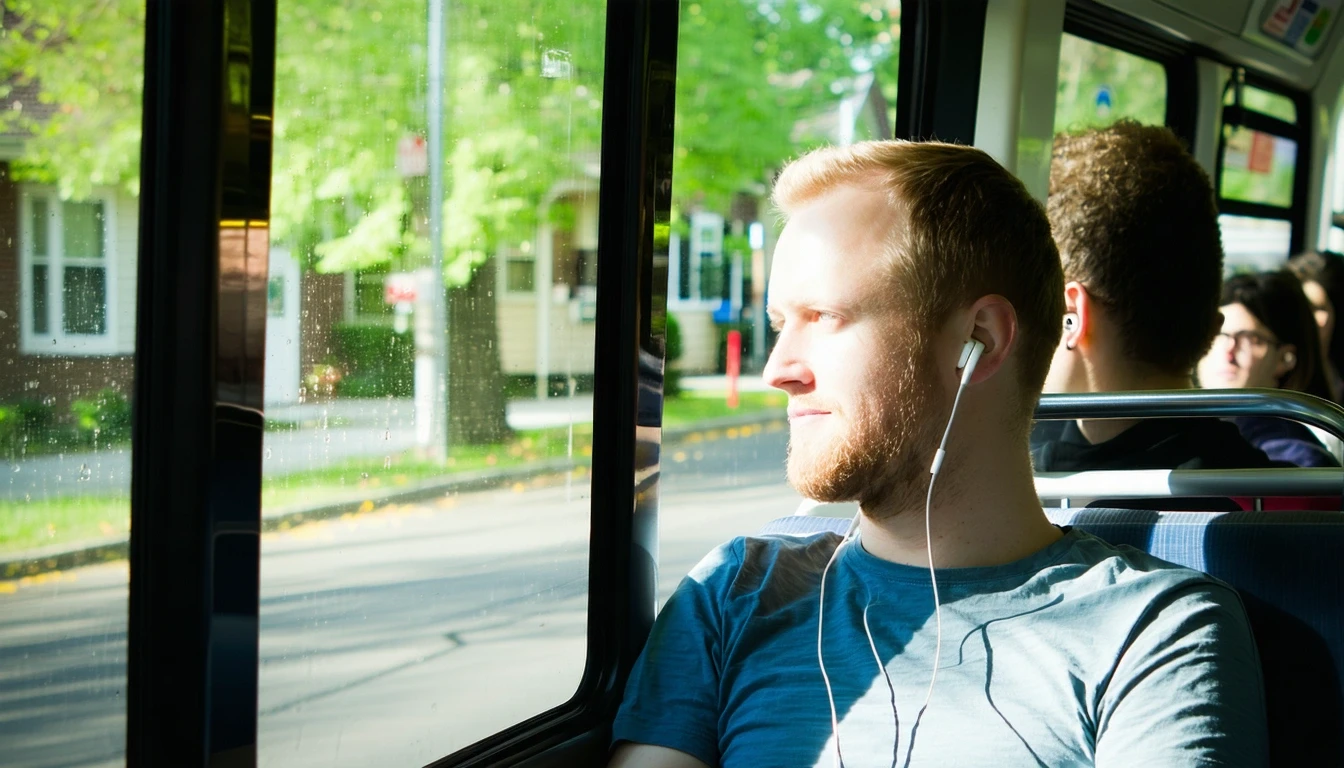
How People Get Around College Park
College Park’s transportation landscape reflects its dual identity as both a university town and a suburban community within the Washington, DC metro area. The city’s infrastructure shows substantial pedestrian density relative to its road network, with notable cycling infrastructure throughout. Both residential and commercial land uses mix throughout the core, and building heights trend more vertical than in typical suburban settings—all of which supports a mobility pattern where walking, biking, and transit play meaningful roles for those positioned to use them.
But positioning is everything. Residents near the university and Metro stations move through daily life very differently than those in the outer residential neighborhoods. The former group often structures errands, commutes, and social life around foot traffic and rail access; the latter typically drives for most trips. Newcomers often underestimate how quickly car dependence increases with distance from the core, or how much time and flexibility transit riders sacrifice compared to drivers.
The average commute in College Park runs 24 minutes, and 37.0% of workers face what’s considered a long commute. Only 8.1% work from home. These patterns suggest that most residents are moving regularly—whether by car, train, or bus—and that commute structure plays a significant role in daily logistics.
Public Transit Availability in College Park
Public transit in College Park often centers around systems such as WMATA Metro’s Green Line and the University of Maryland Shuttle, though coverage and utility vary significantly by location and schedule. Rail service is present and provides direct access to Washington, DC and other regional destinations, which makes it a viable commuting option for residents near College Park station or within walking distance of campus shuttle routes.
Transit works best in the corridors immediately surrounding the university and along Route 1, where density, mixed-use development, and pedestrian infrastructure align to support car-free or car-light living. In these areas, grocery stores, restaurants, and services cluster at densities that exceed typical thresholds, and the pedestrian-to-road ratio supports practical walking for daily errands. Residents in these pockets can structure entire weeks around rail schedules and foot traffic.
Outside this core, transit utility drops quickly. Peripheral neighborhoods see limited bus service, and the distance to Metro or shuttle stops often requires a car just to access transit. Evening and weekend service constraints further narrow the window of practical use. For families, multi-stop errands, or anyone whose schedule doesn’t align with peak commuting hours, transit becomes supplementary at best.
Driving & Car Dependence Reality in College Park
For most College Park residents, driving isn’t optional—it’s structural. The city’s layout beyond the university core assumes car ownership. Grocery stores, medical appointments, and services outside the immediate campus area typically require driving, and parking availability in residential neighborhoods generally accommodates this expectation.
Car dependence here isn’t about preference; it’s about geography. Families with children, households managing multiple jobs, or anyone living more than a mile from Metro will find that daily logistics hinge on vehicle access. Even residents who commute by Metro often keep a car for errands, weekend trips, or tasks that don’t align with transit routes.
Driving offers flexibility and control that transit can’t match in College Park’s less dense areas. It eliminates schedule constraints, expands housing options, and reduces the friction of managing household logistics across dispersed locations. The tradeoff is exposure to fuel costs, maintenance, insurance, and parking challenges near campus or in DC.
Commuting Patterns & Daily Mobility in College Park
Commuting in College Park often splits into two distinct patterns: university-affiliated workers and students who move within a tight campus-adjacent radius, and everyone else who commutes outward to DC, nearby Maryland suburbs, or regional employment centers. The former group benefits from proximity and transit; the latter absorbs the time and cost of longer, often car-dependent commutes.
The 37.0% long-commute figure reflects the reality that many College Park residents work well beyond the city’s borders. These commuters face tradeoffs between housing affordability in College Park and the time or expense of reaching jobs elsewhere. Metro access helps, but only for those whose workplaces align with rail lines and whose schedules tolerate fixed departure times.
For households managing multi-stop routines—daycare, school pickups, errands, or multiple job locations—driving becomes the only practical option. Transit’s linear routes and limited frequency make it difficult to chain trips efficiently, which is why even some Metro-accessible residents default to driving for anything beyond a simple commute.
Who Transit Works For — and Who It Doesn’t
Transit in College Park works best for students, university employees, and DC commuters who live within walking distance of Metro or campus shuttle routes. These groups can structure their lives around rail schedules and pedestrian access to food, services, and social spaces. Renters in the core neighborhoods—especially those without school-age children—often find that car-free living is not only possible but preferable, given parking costs and the convenience of walkable errands.
Transit works poorly for families in peripheral neighborhoods, anyone whose job requires a car, and households managing complex daily logistics. Parents coordinating school, activities, and errands face compounding friction when relying on transit. Off-peak travelers—those working evenings, weekends, or non-standard hours—lose much of transit’s utility when service frequency drops.
Homeowners in outer residential areas almost universally own cars, and their housing choices reflect that assumption. The further from the university core, the less transit factors into daily mobility, and the more driving becomes the baseline for participation in work, errands, and community life.
How this article was built: In addition to public economic data, this article incorporates location-based experiential signals derived from anonymized geographic patterns—such as access density, walkability, and land-use mix—to reflect how day-to-day living actually feels in College Park, MD.
Transportation Tradeoffs in College Park
Choosing between transit and driving in College Park means weighing predictability against flexibility. Transit offers lower direct costs and eliminates parking hassles, but it locks you into fixed schedules and limits where you can live without sacrificing convenience. Driving offers control and expands your range of housing, services, and job options, but it increases exposure to fuel prices, maintenance, and the unpredictability of traffic.
For those who can position themselves near Metro and within the walkable core, transit provides a genuine alternative to car ownership. For everyone else, driving isn’t a tradeoff—it’s a requirement. The decision often comes down to whether your daily routine aligns with the narrow geography where transit actually works, or whether your life demands the flexibility that only a car can provide in College Park’s less dense areas.
FAQs About Transportation in College Park (2026)
Is public transit usable for daily commuting in College Park?
Yes, but only if you live near Metro or campus shuttle routes and your commute aligns with rail service to DC or nearby stops. For residents in peripheral neighborhoods or those with non-standard schedules, transit becomes impractical for daily use.
Do most people in College Park rely on a car?
Most households outside the immediate university core rely on a car for daily errands, commuting, and household logistics. Even some transit commuters keep a vehicle for trips that don’t align with rail routes or schedules.
Which areas of College Park are easiest to live in without a car?
Neighborhoods within walking distance of the University of Maryland campus and College Park Metro station offer the most viable car-free living. These areas combine transit access, walkable errands, and higher density of services.
How does commuting in College Park compare to nearby cities?
College Park’s average commute of 24 minutes reflects its position as both a residential suburb and a university town. Proximity to DC via Metro makes it competitive for rail commuters, but car commuters face similar congestion and distance challenges as other Maryland suburbs.
Can families live in College Park without a car?
Families can live car-free in College Park’s core neighborhoods, but it requires proximity to schools, services, and transit, plus a willingness to manage logistics on foot or by bike. Most families find that a car significantly reduces daily friction, especially for activities, appointments, and errands beyond the immediate area.
How Transportation Fits Into the Cost of Living in College Park
Transportation in College Park isn’t just a line item—it’s a structural factor that shapes where you can live, how much time you spend moving, and how much control you have over daily logistics. Choosing transit-accessible housing often means paying more for rent or accepting smaller spaces, but it can reduce or eliminate car-related expenses. Choosing car-dependent housing typically lowers rent but increases exposure to fuel, insurance, and maintenance costs.
The real cost of transportation here isn’t just what you spend—it’s what you give up in time, flexibility, or housing choice. For a fuller picture of how monthly expenses interact across housing, utilities, and mobility, the Monthly Spending article provides numeric context and household-level breakdowns.
Understanding how you’ll actually move through College Park—and what that movement costs in money, time, and convenience—is essential to making a housing decision that works. Transit is real here, but so is car dependence, and knowing which version of College Park you’re choosing makes all the difference.