
Is College Park the kind of place you grow roots—or just pass through? That question sits at the heart of what it feels like to live here. Anchored by the University of Maryland and woven into the transit fabric of the Washington DC metro, College Park carries a distinct rhythm: energetic, accessible, and shaped by movement. It’s a city where walkable blocks meet commuter rail, where grocery runs happen on foot, and where the hum of student life blends with the routines of long-term residents. For some, that mix feels like opportunity and convenience. For others, it reads as transience and noise.
Understanding whether College Park fits you means understanding what drives its emotional tone—and who tends to feel at home here versus restless.
The Emotional Landscape of College Park
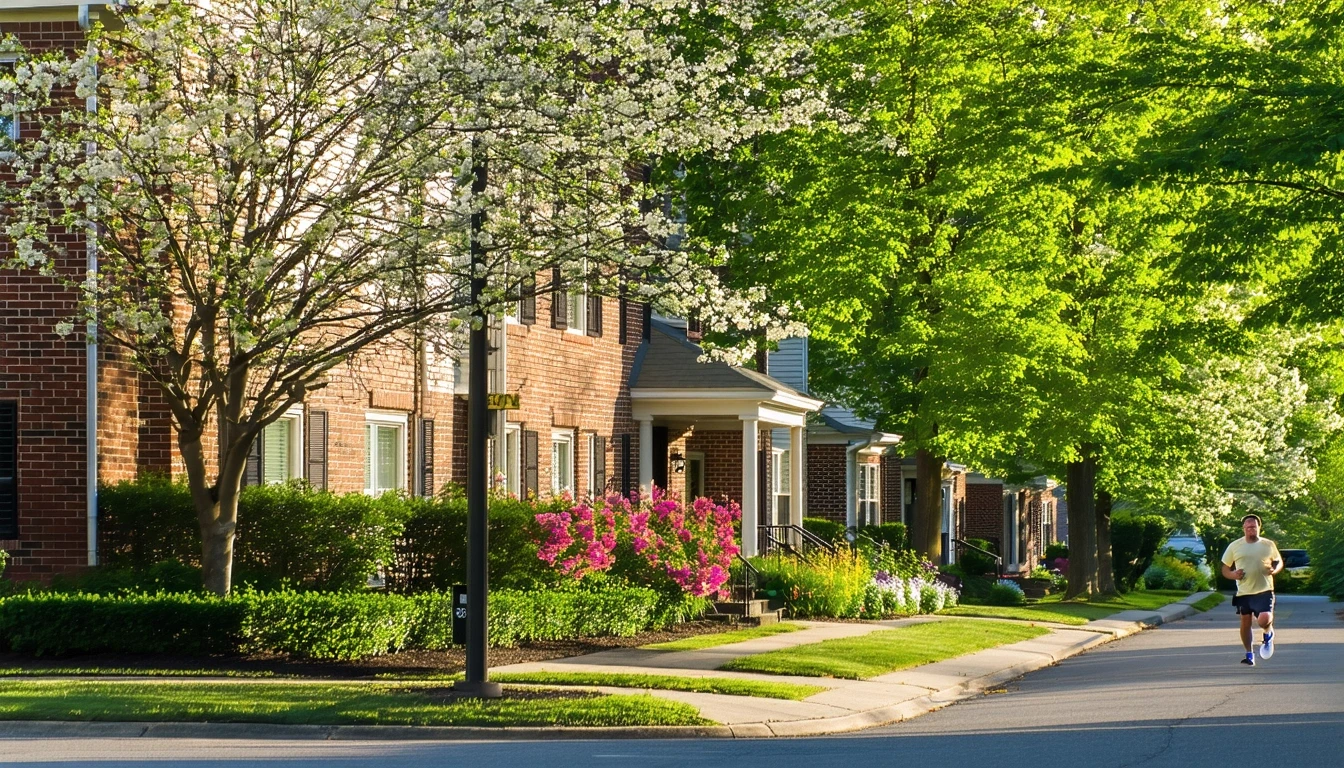
College Park doesn’t feel like a sleepy suburb, and it doesn’t try to. The city’s vibe is defined by density, access, and a certain tolerance for flux. With rail service connecting residents directly to DC, a street grid that supports walking and cycling, and commercial activity distributed throughout neighborhoods, College Park functions more like an urban node than a bedroom community. That structure shapes daily life in tangible ways: errands happen close to home, commutes don’t require a car for everyone, and the built environment encourages movement on foot or bike.
But that same accessibility comes with tradeoffs. The university’s academic calendar creates a seasonal pulse—move-in energy in late summer, quiet stretches during winter break, a exodus each May. For families and long-term homeowners, that rhythm can feel disorienting. The presence of students means rental turnover, late-night activity in certain pockets, and a housing market where landlords and investors compete with owner-occupants. It’s not chaos, but it’s not stillness either.
People who thrive here tend to value proximity over privacy, access over isolation, and the kind of neighborhood texture that comes with mixed-use streets and taller buildings. Those who struggle often came expecting suburban predictability and found something closer to a small city instead.
Social Media Buzz in College Park
Online, College Park residents talk a lot about logistics: parking, noise, where to eat, how to get downtown, whether the Metro is running on time. The tone is pragmatic, sometimes impatient, but rarely detached. There’s a sense that people here are using the city—commuting through it, studying in it, raising kids near it—and the conversation reflects that utility.
“I love that I can walk to the grocery store and catch the train without getting in my car. That’s worth the trade-off of hearing my neighbors more than I’d like.”
“It’s not the kind of place where you know everyone on your block, but it’s also not anonymous. You see the same faces at the coffee shop, the same dogs at the park. It’s just… in motion.”
“If you’re looking for a postcard town with front porches and block parties, this isn’t it. But if you want to live near DC without paying DC rent, and you don’t mind a little grit, it works.”
Complaints tend to center on the friction points of density: limited street parking, construction noise, the occasional clash between student schedules and family routines. But there’s also pride—especially among long-time residents—in the city’s connectivity and the practical advantages of living somewhere that doesn’t require a car for every errand.
Local News Tone
Coverage of College Park tends to frame the city through the lens of change and identity. Stories often explore tensions between growth and character, between the university’s footprint and the surrounding neighborhoods, between regional connectivity and local belonging. Headlines reflect these ongoing conversations:
- “Community Debates What Growth Should Look Like”
- “New Retail and Housing Arrive as Campus Area Evolves”
- “Residents Weigh Convenience Against Quiet”
- “Transit Access Shapes Who Moves In—and Who Stays”
- “University Presence Drives Economy, Complicates Housing Market”
The tone is rarely celebratory or alarmist. Instead, it’s evaluative: acknowledging benefits while naming costs, recognizing opportunity while documenting displacement. For prospective movers, that framing is useful—it signals a city in negotiation with itself, not one that’s settled into a fixed identity.
Review-Based Public Perception
On platforms like Google Reviews, Yelp, and neighborhood forums, College Park earns praise for accessibility and frustration for the compromises that come with it. People who expected urban convenience tend to be pleased: grocery options are plentiful, restaurants span a range of cuisines, and the Metro makes DC feel close. Those who expected suburban calm tend to be disappointed: streets feel busier than anticipated, housing stock skews toward apartments and townhomes, and the seasonal student influx disrupts the rhythm they hoped for.
Positive reviews often highlight practical wins: “Everything I need is within a ten-minute walk,” or “I sold my second car because I just didn’t need it here.” Complaints focus on mismatched expectations: “I thought this would feel more like a neighborhood and less like a college town,” or “Parking is a nightmare if you live near campus.”
Interestingly, newer planned developments on the city’s edges receive different feedback than older, denser blocks closer to the university. The former feel more suburban—quieter, more car-dependent, more insulated—while the latter feel more integrated into the city’s walkable, mixed-use core. That variation matters: what makes life feel tight in College Park depends heavily on which part of the city you’re in and what you were hoping to find.
Comparison to Nearby Cities
| Dimension | College Park | Greenbelt | Hyattsville |
|---|---|---|---|
| Overall Vibe | Transit-connected, student-influenced, walkable pockets | Planned-community feel, family-oriented, cooperative housing legacy | Arts-inflected, gentrifying, diverse and evolving |
| Walkability | Strong near campus and rail, car-dependent in outer areas | Moderate, designed for internal circulation | Improving, concentrated along commercial corridors |
| Transit Access | Direct Metro rail to DC | Metro rail access, slightly more suburban feel | Metro rail access, closer to DC core |
| Community Tone | Transient but functional, pragmatic | Rooted, cooperative, slower-paced | Creative, younger, in transition |
| Housing Character | Mix of apartments, townhomes, some single-family | Co-ops, single-family, planned neighborhoods | Historic homes, new builds, mixed density |
College Park sits between Greenbelt’s planned-community stability and Hyattsville’s creative-class energy. If you want the most direct access to DC and don’t mind the university’s presence, College Park delivers. If you want a quieter, more rooted suburban feel, Greenbelt might fit better. If you’re drawn to arts culture and don’t mind ongoing change, Hyattsville could be the better match. None of these cities is objectively “better”—they’re just optimized for different priorities.
What Locals Are Saying
“I moved here for grad school and stayed because I didn’t need to own a car. I can walk to the store, bike to the Metro, and still afford rent. It’s not glamorous, but it works.”
“We bought a townhome here five years ago thinking it would be a starter home. The schools are fine, the commute is manageable, but we’re starting to feel like we want more space and less noise. It’s a good place to start, maybe not to stay forever.”
“I’ve lived here since the ’90s, and the city has changed a lot. More density, more students, more turnover. I miss the quieter version, but I also appreciate that my property value has held steady and I can still get to DC without driving.”
“If you’re looking for a tight-knit community where everyone knows your name, this isn’t it. But if you want access and convenience and you’re okay with a little chaos, it’s actually pretty great.”
“The seasonal rhythm takes getting used to. August feels like a zoo, December feels like a ghost town. If you’re not tied to the university, it can feel disorienting.”
“I love the bike lanes and the fact that I can walk to three different grocery stores. I don’t love the parking situation or the fact that my street feels like a through-route during rush hour.”
“It’s not the suburbs, and it’s not the city. It’s something in between, and that works for me right now. I don’t know if I’ll feel the same way in five years.”
Does College Park Feel Like a Good Fit?
College Park tends to work for people who value access over isolation, who are comfortable with density and movement, and who see the university’s presence as an asset rather than a liability. It fits commuters who want rail service without downtown prices, renters who prioritize walkability, and households that don’t mind a little seasonal flux. It’s a city that rewards pragmatism and punishes the expectation of suburban stillness.
It tends to frustrate people who came expecting quiet cul-de-sacs, predictable neighbors, and a slower pace. Families who want large yards and low foot traffic often feel cramped. Long-term homeowners who value stability sometimes feel unsettled by turnover. And those who hoped for a car-free lifestyle beyond the walkable core often find themselves back behind the wheel.
The question isn’t whether College Park is “happy”—it’s whether its tradeoffs align with your priorities. If you’re drawn to what drives housing costs in College Park, understand that the rental market is shaped by student demand and investor activity. If you’re curious about monthly spending in College Park, know that transit access and walkable errands can reduce transportation costs but won’t eliminate the friction of density. And if you’re weighing whether this city fits your lifestyle, start by asking whether you’re comfortable with motion—or whether you need a place that holds still.
How this article was built: In addition to public economic data, this article incorporates location-based experiential signals derived from anonymized geographic patterns—such as access density, walkability, and land-use mix—to reflect how day-to-day living actually feels in College Park, MD.
The perspectives shown reflect commonly expressed local sentiment and recurring themes in public discussion, rather than individual accounts.