
Before you sign a lease or close on a home in Clearwater, double-check whether water, trash, and pest control are billed separately or bundled—and whether the property has electric or gas heat. These overlooked details often add $50–$100 to the baseline you’re budgeting for.
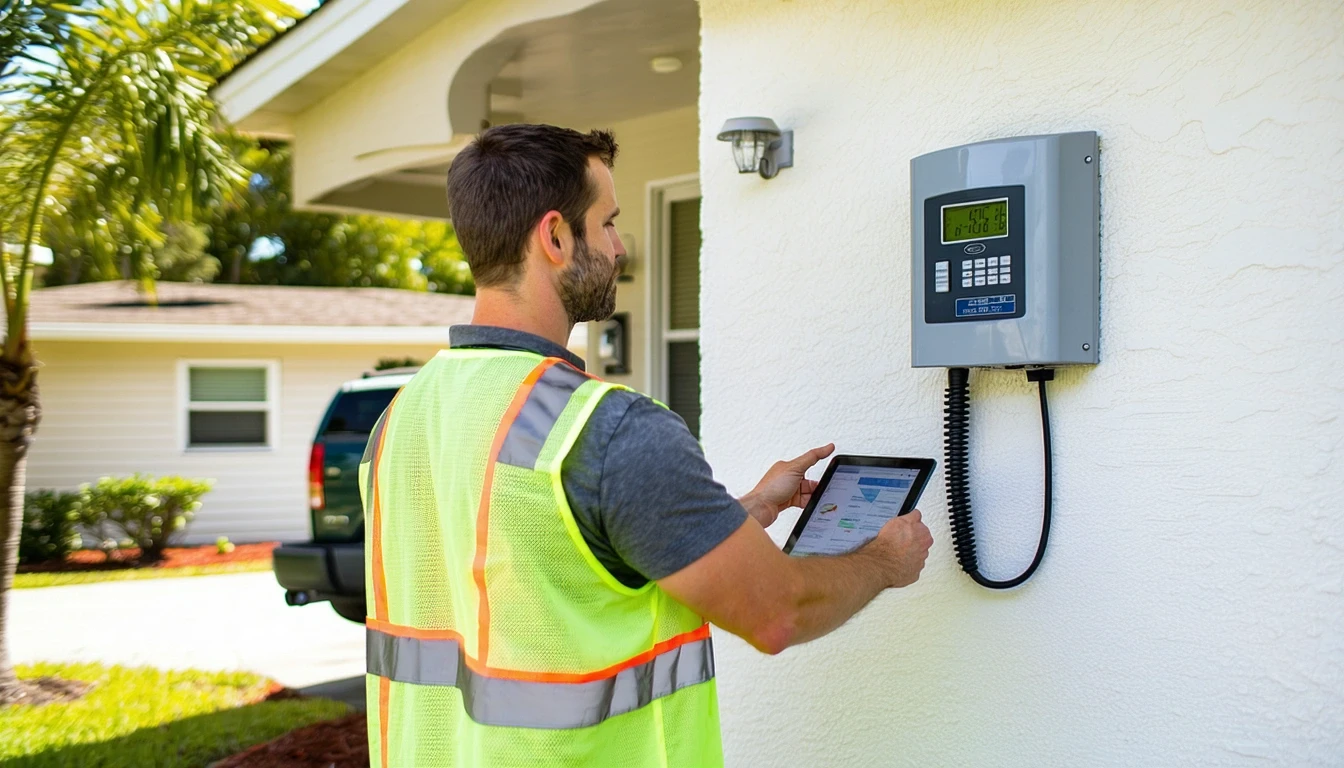
Understanding Utilities in Clearwater
When planning a move to Clearwater, it’s easy to focus on rent or mortgage payments and overlook the second-largest line item in most household budgets: utilities. In Clearwater, as in much of coastal Florida, the utilities cost in Clearwater is shaped heavily by climate, occupancy patterns, and infrastructure age. For a mid-size household in a single-family home, monthly utility expenses typically include electricity, water, natural gas, and trash collection—though the relative weight of each category shifts depending on season, home type, and provider.
Electricity dominates the utility profile here. Clearwater’s extended cooling season, driven by heat and humidity rather than temperature alone, means air conditioning runs longer and harder than inland or northern climates might suggest. Water costs are tiered and usage-sensitive, with irrigation, pools, and landscaping pushing some households into higher brackets. Natural gas, by contrast, plays a minor role; heating demand is minimal, and many homes rely on electric heat pumps or resistance heating instead. Trash and recycling are often bundled with water service or included in HOA fees, but standalone billing exists in some neighborhoods.
For renters, utility responsibility varies widely. Some apartment complexes include water, trash, and pest control in the lease, leaving tenants responsible only for electricity. Others meter individually and bill separately for everything. Homeowners face the full stack, plus the added variability of irrigation, pool pumps, and outdoor lighting. Understanding what you’re responsible for—and what drives each bill—matters more than chasing a single “average” figure, because the structure of utility costs in Clearwater is seasonal, usage-sensitive, and heavily influenced by home efficiency and occupancy behavior.
Utilities at a Glance in Clearwater
The table below shows how core utility costs typically behave for a mid-size household in a single-family home in Clearwater. Where city-level prices are available in the data feed, they are shown directly. When exact figures are not provided, categories are described qualitatively to reflect how costs are structured and what drives variability.
| Utility | Cost Structure |
|---|---|
| Electricity | Billed at 15.70¢/kWh; usage-sensitive and seasonally volatile |
| Water | Tiered pricing; usage-dependent, higher for irrigation |
| Natural Gas | Priced at $32.82/MCF; minimal heating demand in Clearwater |
| Trash & Recycling | Often bundled with water or HOA; varies by provider |
| Total | Seasonal variability driven by electricity and water usage |
This table reflects utility cost structure for a mid-size household in a single-family home in Clearwater during 2026. Where exact figures are not provided in the IndexYard data feed, categories are described directionally to reflect how costs behave rather than a receipt-accurate total.
Electricity is the most exposure-sensitive utility in Clearwater, driven more by climate and home efficiency than by base rates. At 15.70¢ per kilowatt-hour, the rate itself sits near the state average, but consumption spikes during summer months when air conditioning runs continuously to manage heat and humidity. Older homes with single-pane windows, poor insulation, or aging HVAC systems see the steepest bills. For illustrative context, a household using 1,000 kWh per month would face roughly $157 in electricity charges before fees or taxes—but actual usage in peak summer can easily exceed 1,500 kWh for larger homes or those with poor weatherization.
Water costs in Clearwater are tiered, meaning the more you use, the higher the per-gallon rate climbs. Base service covers indoor use—showers, laundry, dishwashing—but outdoor irrigation, pool filling, and landscaping push many single-family households into higher brackets. Apartments and condos with shared metering or no outdoor watering responsibility see much lower bills. The structure rewards conservation but penalizes heavy users, making it one of the more controllable categories if you’re willing to adjust behavior or invest in low-flow fixtures and smart irrigation timers.
Natural gas plays a limited role in Clearwater’s utility mix. Priced at $32.82 per thousand cubic feet (MCF), it’s used primarily for water heaters, ranges, and dryers in homes that have gas service—but many properties rely entirely on electricity instead. Heating demand is negligible; even during the coolest winter months, overnight lows rarely require sustained furnace use. For households with gas appliances, monthly charges are modest and stable year-round, with the largest swings tied to water heater efficiency rather than space heating.
Trash and recycling are typically bundled with water service or included in HOA fees, though some neighborhoods contract separately with private haulers. When billed standalone, monthly fees are predictable and low compared to other utilities. The key variable is whether your housing type includes the service automatically or requires you to arrange and pay for it directly—a detail worth confirming before move-in, as it’s easy to overlook until the first bill arrives.
How Weather Impacts Utilities in Clearwater
Clearwater’s climate is the single largest driver of utility volatility. The city experiences an extended cooling season that runs roughly from April through October, with July, August, and September bringing the highest electricity demand. It’s not just the temperature—though highs routinely reach the low 90s—it’s the humidity. Coastal moisture makes the air feel heavier and warmer than the thermometer suggests, forcing air conditioners to work harder and run longer to maintain indoor comfort. Homes with poor airflow, inadequate insulation, or west-facing windows absorb even more heat, compounding the load.
Winter, by contrast, is mild and brings little heating expense. Overnight lows occasionally dip into the 50s, but sustained cold snaps are rare. Most households either don’t heat at all or run electric heat pumps sparingly for a few weeks in December and January. Natural gas heating, where present, sees minimal use. The result is a sharp seasonal asymmetry: many Clearwater households experience noticeably higher electric bills during peak summer compared to spring, with the gap often doubling or more depending on home size, insulation quality, and thermostat discipline.
One regional quirk worth noting: Clearwater’s proximity to the Gulf and its network of canals and water features create localized microclimates. Homes near water may benefit from cooling breezes in the evening, slightly reducing AC runtime, while properties with heavy tree cover—supported by the city’s strong park density and integrated green space—enjoy natural shade that lowers cooling demand. Conversely, homes on treeless lots or in newer subdivisions with sparse landscaping face full sun exposure and higher bills as a result.
How to Save on Utilities in Clearwater
Reducing utility costs in Clearwater starts with understanding where exposure is highest—and that’s almost always electricity. The most effective strategies target cooling efficiency: sealing air leaks around windows and doors, upgrading to a programmable or smart thermostat, and scheduling HVAC maintenance before summer begins. Dirty filters and aging coils force systems to work harder, driving up both energy use and wear. Shade also matters. Planting trees on the west and south sides of a home, installing awnings, or using reflective window film can lower indoor temperatures by several degrees without touching the thermostat.
Many utility providers in Florida offer time-of-use or demand response programs that reward shifting energy use to off-peak hours. Running dishwashers, laundry, and pool pumps overnight or during mid-morning lulls can reduce costs if your rate plan supports it. Solar panel adoption has grown in Clearwater, supported by federal tax credits and Florida’s net metering rules, though upfront costs remain significant. For renters or those not ready to invest in panels, smaller changes—switching to LED bulbs, using ceiling fans to circulate air, and closing blinds during peak sun—still add up.
- Enroll in budget billing or equalized payment plans to smooth seasonal spikes
- Check for utility rebates on high-efficiency air conditioners, heat pumps, or water heaters
- Install a smart thermostat and program it to raise the temperature when you’re away
- Use ceiling fans to reduce perceived temperature and lower AC reliance
- Upgrade to low-flow showerheads and faucet aerators to reduce water heating costs
- Schedule annual HVAC tune-ups to maintain efficiency and catch problems early
- Plant shade trees or install exterior shading on west- and south-facing walls
- Switch to LED lighting throughout the home to cut electricity use
- Run major appliances during off-peak hours if your provider offers time-of-use rates
🏆 Tip: Check if your provider in Clearwater offers rebates for energy-efficient AC units or heat pump upgrades—some programs cover several hundred dollars of the installation cost, and the payoff in lower summer bills can be substantial.
FAQs About Utility Costs in Clearwater
Why are utility bills so high in Clearwater during summer?
Clearwater’s extended cooling season and high humidity force air conditioners to run longer and harder than in drier or cooler climates. Homes with poor insulation, older HVAC systems, or west-facing sun exposure see the steepest spikes, often doubling electricity use compared to spring or fall.
What is the average monthly electric bill for an apartment in Clearwater compared to a single-family home?
Apartments typically use less electricity due to smaller square footage, shared walls that reduce heat gain, and often newer, more efficient appliances. Single-family homes, especially older ones with poor weatherization or large outdoor spaces requiring irrigation, tend to see significantly higher bills—sometimes 50% to 100% more during peak summer months.
Do HOAs in Clearwater usually include trash or water in their fees?
Many HOAs in Clearwater bundle trash, recycling, and sometimes water into monthly dues, particularly in condo or townhome communities. Single-family home HOAs are less likely to include utilities, though some cover landscaping irrigation or common-area water use. Always confirm what’s covered before assuming it’s included.
How does seasonal weather affect monthly utility bills in Clearwater?
Summer drives the largest swings, with electricity costs peaking from June through September due to constant air conditioning demand. Winter brings minimal heating expense, so bills drop significantly. The gap between peak summer and mild winter months can represent a doubling or more of electricity charges for many households.
Does Clearwater offer incentives for solar panels or energy-efficient appliances?
Federal tax credits remain available for solar panel installations, and some local utilities offer rebates for high-efficiency HVAC systems, water heaters, and appliances. Florida’s net metering rules allow homeowners to sell excess solar generation back to the grid, though policies and availability vary by provider. It’s worth checking directly with your utility for current programs and eligibility requirements.
How Utilities Fit Into the Cost Structure in Clearwater
Utilities represent a significant and volatile component of the cost structure in Clearwater, second only to housing in most household budgets. Unlike rent or mortgage payments, which remain fixed month to month, utility expenses swing with the seasons, occupancy behavior, and home efficiency. Electricity dominates, particularly during the long cooling season, while water costs vary with outdoor use and irrigation habits. Natural gas plays a minor role, and trash is often bundled or predictable. The result is a cost category that rewards planning, efficiency investments, and behavioral adjustments more than most others.
For households trying to understand where money goes each month, utilities sit at the intersection of climate exposure and infrastructure quality. A well-insulated home with a modern HVAC system and programmable thermostat will see far lower bills than an older property with single-pane windows and an aging air conditioner—even at identical usage patterns. This makes utilities one of the few major expense categories where proactive upgrades and maintenance can yield measurable, ongoing savings. It also means that comparing utility costs across households or neighborhoods requires context: square footage, home age, occupancy patterns, and appliance efficiency all matter as much as the rates themselves.
Understanding utility costs in Clearwater also helps frame broader financial tradeoffs. A home with lower rent but high summer electricity bills may cost more annually than a slightly pricier unit with newer windows and included water service. Similarly, the decision to rent versus own carries utility implications: homeowners control efficiency upgrades and can invest in solar or insulation, while renters are often stuck with whatever infrastructure the landlord provides. For a fuller picture of how utilities interact with housing, transportation, and other recurring expenses, see A Month of Expenses in Clearwater: What It Feels Like.
Ultimately, utility costs in Clearwater are manageable but not negligible. They require attention during the home search, seasonal budgeting to absorb summer spikes, and a willingness to invest in efficiency where possible. The city’s climate and infrastructure create predictable patterns—high summer electricity, low winter heating, tiered water pricing—but individual outcomes vary widely based on home type, behavior, and maintenance. Treat utilities as a controllable variable rather than a fixed cost, and you’ll be better positioned to manage them effectively throughout the year.
How this article was built: In addition to public economic data, this article incorporates location-based experiential signals derived from anonymized geographic patterns—such as access density, walkability, and land-use mix—to reflect how day-to-day living actually feels in Clearwater, FL.