
Why Retirees Choose Clearwater: Is This Coastal City Living Up to Its Reputation?
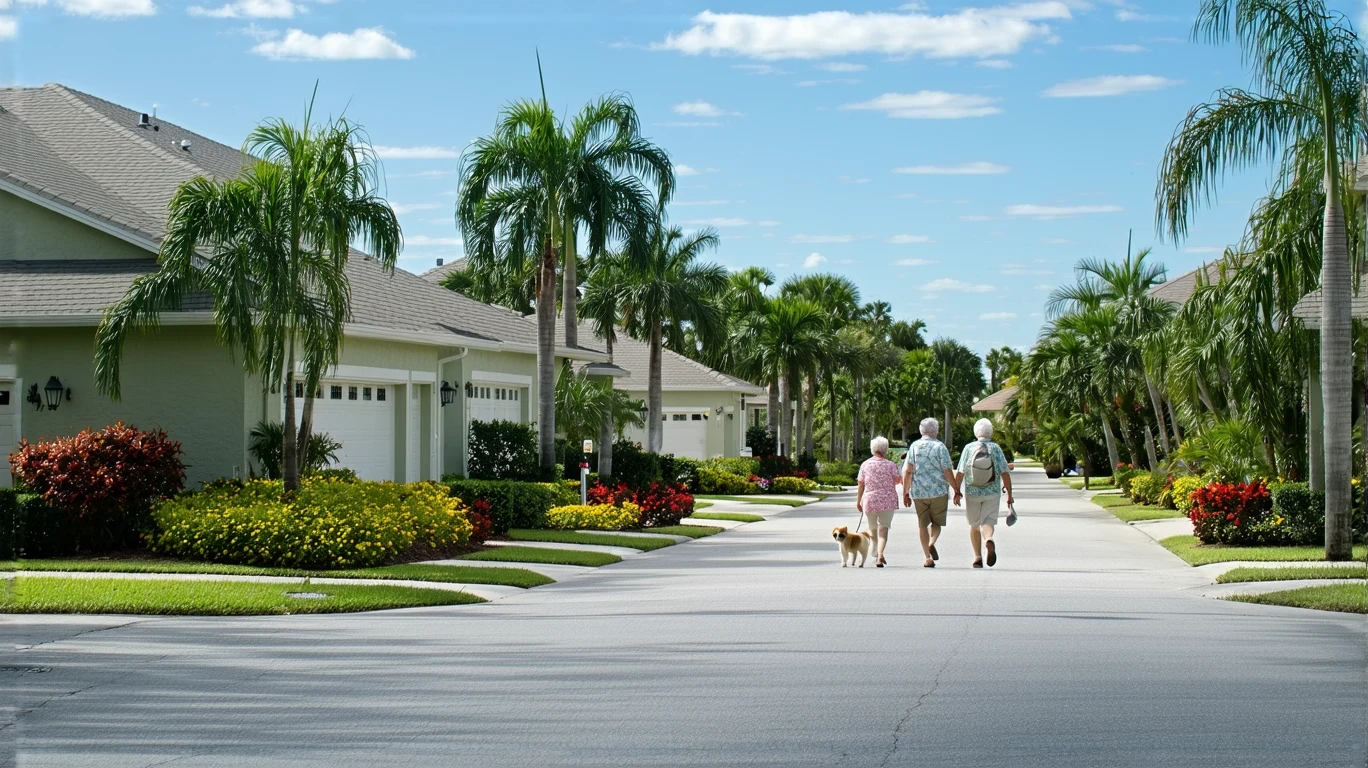
Linda and Tom had circled Clearwater on the map for years. Now, with Tom’s retirement just months away, they’re asking the question thousands of retirees ask: does Clearwater deliver the lifestyle, healthcare access, and financial breathing room they’ve been dreaming about? The answer depends on what matters most—but for many retirees, Clearwater offers a compelling combination of warm weather, no state income tax, solid healthcare infrastructure, and a community designed to support active aging.
Clearwater earns a retirement suitability score of 78 out of 100, reflecting strong healthcare access, year-round outdoor opportunities, and Florida’s tax-friendly structure for retirees. The city’s hospital presence, integrated park system, and walkable pockets make it easier to age in place without sacrificing independence. The median home value of $287,900 offers entry points for retirees downsizing from pricier markets, while the absence of state income tax on Social Security, pensions, and IRA distributions preserves more of your retirement income. The extended warm season keeps heating bills low, though cooling costs become the dominant utility expense.
What sets Clearwater apart is how the city’s infrastructure supports day-to-day retirement living. Parks and water features are woven throughout the community, grocery options cluster along accessible corridors, and bus service connects key areas. For retirees like Linda and Tom, that means fewer decisions hinge on whether they can still drive everywhere—and more freedom to enjoy the life they’ve worked toward.
Healthcare Access for Seniors in Clearwater
Healthcare access often tops the list of retirement priorities, and Clearwater delivers where it counts. The city has a hospital present, meaning emergency care, surgical services, and specialist consultations are available locally. You’re not facing long drives to reach comprehensive medical care, and that proximity matters when managing chronic conditions or responding to urgent health needs. Pharmacies are also present throughout the area, making prescription access straightforward and reducing the logistical burden of medication management.
For retirees managing ongoing care—physical therapy after joint replacement, cardiology follow-ups, diabetes management—the local hospital system typically offers a range of specialist services and outpatient programs. Many Florida hospitals have strong Medicare acceptance rates and work closely with Medicare Advantage plans, though it’s worth confirming that your specific plan and preferred providers align before making the move. Urgent care facilities supplement hospital services, offering a middle ground for non-emergency issues that need same-day attention.
Drive times to major regional medical centers in the Tampa Bay area remain manageable for retirees seeking tertiary care or specialized treatment not available locally. The presence of multiple health systems in the broader metro area creates competitive options and reduces the risk of being locked into a single provider network. For retirees with complex medical histories, this depth of healthcare infrastructure provides reassurance that your needs can be met without relocating again.
Senior-Friendly Amenities and Services
Clearwater’s amenity landscape reflects a community that has adapted to its retiree population. Senior centers and recreational programs offer structured social opportunities, from fitness classes to hobby groups, while libraries and community spaces provide quieter venues for lifelong learning and connection. The city’s integrated park density—with parks and water features distributed throughout—means green space and outdoor recreation are accessible without long drives, supporting both physical activity and casual social interaction.
Transportation options matter more as driving becomes less appealing or feasible. Clearwater has bus service connecting key corridors, and while it’s not a comprehensive transit system, it does provide an alternative for retirees who want to reduce car dependency for certain errands. Some senior communities and nonprofit organizations also operate shuttle services for medical appointments and grocery trips. Ride services like Uber and Lyft are active in the area, offering on-demand mobility for those comfortable with app-based transportation.
Shopping accessibility reflects the city’s corridor-clustered errands pattern: grocery stores, pharmacies, and retail options concentrate along main roads, meaning some planning helps but options exist. Grocery delivery services have expanded significantly, and many retirees find that a hybrid approach—handling some errands in person, outsourcing others—reduces friction without eliminating independence. Meal programs, including senior lunch programs and meal kit delivery, offer additional support for those who want to simplify meal planning.
Cost of Living for Retirees in Clearwater
Understanding the real cost pressures in Clearwater starts with housing, and for retirees, the median home value of $287,900 represents a meaningful decision point. Retirees downsizing from higher-cost markets may find Clearwater offers more space or better condition for the same or lower price. Those moving from lower-cost areas will face sticker shock but may justify the premium for Florida’s tax advantages and climate. Condos and 55+ communities offer alternatives to single-family homes, often bundling maintenance and amenities into HOA fees that simplify budgeting.
Florida’s tax structure delivers real savings for retirees: no state income tax means your Social Security benefits, pension income, and IRA distributions aren’t taxed at the state level. Property taxes in Florida benefit from homestead exemptions, and additional senior exemptions may apply depending on age and income. These aren’t small details—they’re structural advantages that compound over a 20- or 30-year retirement. However, property insurance costs in coastal Florida have risen sharply, and retirees should budget for higher premiums than they might have paid in non-coastal or non-hurricane-prone areas.
Utility costs in Clearwater are shaped by the extended cooling season. Electricity rates sit at 15.70¢/kWh, and with air conditioning running much of the year, monthly bills during summer months will be noticeably higher than in moderate-climate regions. Natural gas usage remains minimal—$32.82/MCF—since heating needs are rare. Some utilities offer senior rate programs or budget billing plans that smooth out seasonal spikes, and energy-efficient upgrades (programmable thermostats, updated insulation, efficient AC units) can reduce exposure without sacrificing comfort.
Monthly Retirement Budget in Clearwater
Here’s what a typical monthly retirement budget might look like in Clearwater:
| Expense Category | Modest Lifestyle | Comfortable Lifestyle |
|---|---|---|
| Housing (mortgage/rent or HOA) | $1,200 | $1,800 |
| Healthcare (Medicare supplement, Rx, co-pays) | $400 | $600 |
| Food (groceries and occasional dining) | $450 | $700 |
| Transportation (car, insurance, gas, maintenance) | $300 | $500 |
| Utilities (electric, water, internet, phone) | $250 | $300 |
| Entertainment (activities, hobbies, travel) | $200 | $500 |
| Miscellaneous (clothing, personal care, gifts) | $200 | $400 |
| Total | $3,000 | $4,800 |
Estimates based on average senior spending patterns and local costs. Figures are illustrative and exclude property taxes, insurance, and one-time expenses.
These budgets assume a paid-off home or manageable housing costs, Medicare coverage with a supplement plan, and moderate activity levels. The “modest” column reflects careful spending and limited discretionary expenses, while the “comfortable” column allows for regular dining out, travel, and hobbies. Both assume one vehicle; retirees who eliminate a second car or reduce driving can lower transportation costs further.
Community and Social Opportunities for Retirees
Retirement isn’t just about managing costs—it’s about building a life that feels connected and purposeful. Clearwater’s strong family infrastructure, with schools and playgrounds distributed throughout the community, signals an intergenerational environment where retirees aren’t isolated in age-segregated enclaves. That means opportunities to volunteer in schools, mentor younger families, or simply enjoy the energy of a mixed-age neighborhood.
Senior groups and volunteer opportunities abound, from environmental stewardship programs tied to the area’s parks and water features to arts organizations, historical societies, and faith communities. Many retirees find that volunteering provides structure and social connection without the pressure of full-time work. Walking groups, pickleball leagues, and hobby clubs—gardening, photography, book clubs—offer low-key ways to meet people with shared interests.
Cultural activities and seasonal events reflect the city’s tourism appeal and year-round activity calendar. Farmers markets, outdoor concerts, art festivals, and waterfront events create regular opportunities to get out and engage. For retirees with family elsewhere, Clearwater’s location and airport access make it relatively easy for adult children and grandchildren to visit, and the area’s attractions give visiting family plenty to do.
Aging in Place Considerations in Clearwater
Aging in place—staying in your home as you grow older—depends on both the physical environment and the availability of support services. Clearwater’s walkable pockets mean that some neighborhoods support walking to errands, parks, or transit stops, reducing the pressure to drive for every need. The city’s more vertical building character and mixed land use create denser, more accessible corridors where services cluster within shorter distances. For retirees prioritizing walkability, choosing a home near these corridors makes a significant difference in long-term independence.
Home modification services—installing grab bars, widening doorways, adding ramps—are widely available, and many contractors in Florida specialize in aging-in-place renovations. In-home care options, from part-time assistance with household tasks to full-time skilled nursing, have grown as the retiree population has expanded. Assisted living facilities and continuing care retirement communities (CCRCs) offer alternatives if aging in place becomes impractical, and the area has a range of options at different price points.
Climate considerations cut both ways: the warm weather supports year-round outdoor activity and reduces fall risks associated with ice and snow, but the summer heat requires careful planning. Many retirees adjust their routines, exercising early in the morning or late in the evening and staying indoors during peak heat. Hurricane preparedness is non-negotiable—having a plan, maintaining supplies, and knowing evacuation routes are part of life in coastal Florida. Emergency services are well-practiced in disaster response, but retirees should factor storm risk into their decision-making.
Frequently Asked Questions About Retirement in Clearwater
What’s the average cost of retirement in Clearwater?
A modest retirement lifestyle in Clearwater typically requires around $3,000 per month, covering housing, healthcare, food, transportation, and utilities. A more comfortable lifestyle, with regular travel and dining out, runs closer to $4,800 per month. These figures assume Medicare coverage, a paid-off home or manageable housing costs, and one vehicle. Florida’s lack of state income tax helps stretch retirement income further than in many other states.
How good is healthcare access for seniors in Clearwater?
Clearwater has a hospital present, along with pharmacies and outpatient services, meaning comprehensive medical care is available locally. Emergency services, specialist consultations, and routine care don’t require long drives. The broader Tampa Bay area offers additional tertiary care and specialized treatment options within manageable drive times, giving retirees access to deep healthcare resources.
Are there active senior communities in Clearwater?
Yes. Clearwater has a well-established retiree population, and the city supports active aging through senior centers, recreational programs, volunteer opportunities, and social groups. The integrated park system and water features encourage outdoor activity, and the city’s walkable pockets and bus service reduce car dependency. Many retirees find it easy to stay engaged and connected.
What are the tax implications of retiring in Florida?
Florida has no state income tax, meaning Social Security benefits, pension income, and IRA distributions are not taxed at the state level. Property taxes benefit from homestead exemptions, and additional senior exemptions may apply. These structural advantages preserve more of your retirement income compared to higher-tax states, though property insurance costs in coastal areas have risen and should be factored into budgets.
Making the Move: Is Clearwater Right for Your Retirement?
For Linda and Tom, the decision comes down to priorities. Clearwater offers year-round warmth, no state income tax, solid healthcare access, and a community infrastructure that supports both active living and aging in place. The city’s walkable pockets and bus service mean they won’t be entirely car-dependent, and the integrated parks and water features align with their vision of an active, outdoor-oriented retirement. Housing pressure is real but manageable, especially for retirees downsizing from higher-cost markets.
The tradeoffs are equally clear: summer heat requires adaptation, hurricane preparedness is non-negotiable, and property insurance costs are rising. Cooling bills will be higher than in temperate climates, and some errands require planning due to the corridor-clustered layout. But for retirees who value tax efficiency, warm weather, and healthcare access, Clearwater delivers on the fundamentals.
If you’re evaluating Clearwater as a retirement destination, visit during different seasons, explore neighborhoods beyond the tourist corridors, and talk to current retirees about their day-to-day experience. Test the commute to healthcare providers, grocery stores, and social activities. Understand your insurance options and budget for Florida-specific costs like hurricane coverage and summer cooling. Retirement is too important to base on assumptions—Clearwater has real advantages, but they need to align with your specific needs and lifestyle to make the move worthwhile.
How this article was built: In addition to public economic data, this article incorporates location-based experiential signals derived from anonymized geographic patterns—such as access density, walkability, and land-use mix—to reflect how day-to-day living actually feels in Clearwater, FL.