
Most people assume utility bills are predictable, fixed expenses that vary only slightly month to month. In Clayton, NC, that assumption doesn’t hold—utility costs here are driven more by seasonal intensity and household behavior than by stable base rates, and understanding that distinction is the key to managing them effectively.
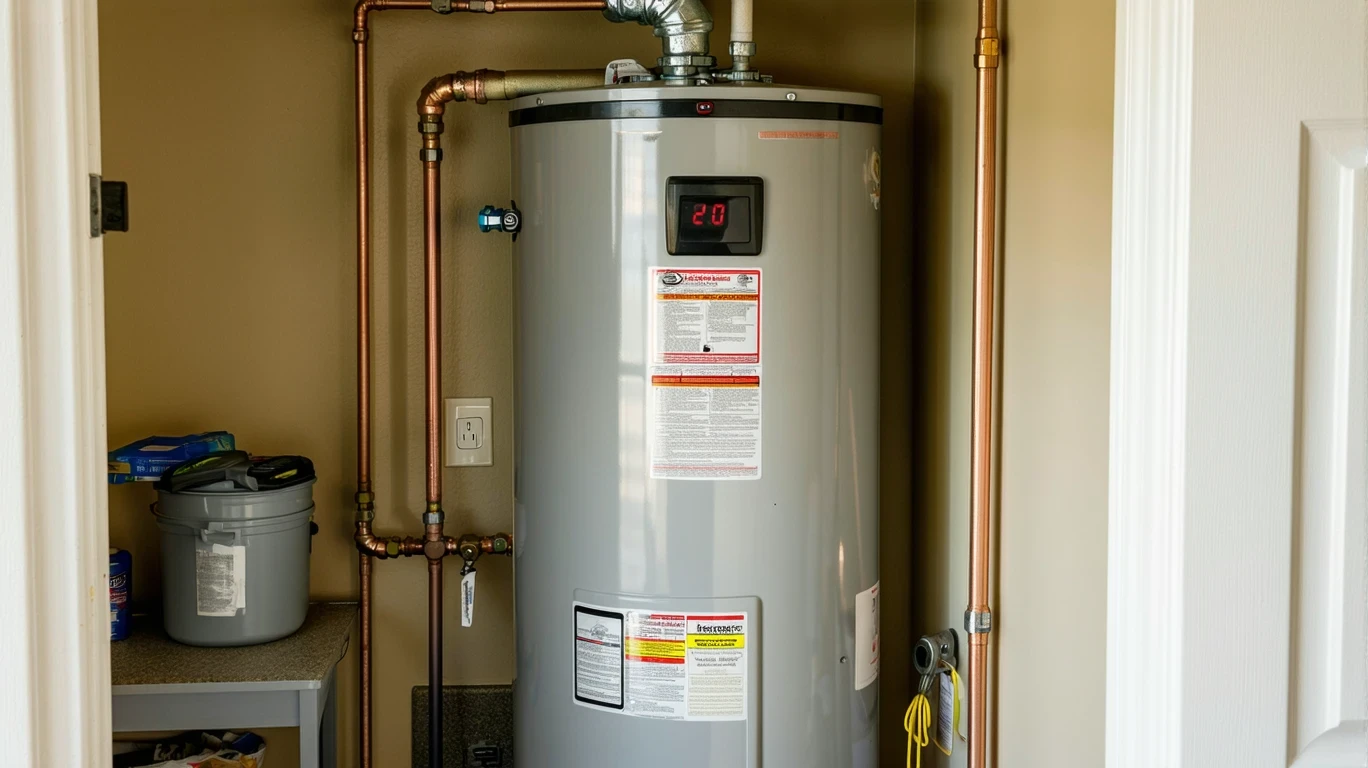
Understanding Utilities in Clayton
When planning a household budget in Clayton, utilities typically represent the second-largest monthly expense after housing. Unlike rent or a mortgage payment, which remain constant, utility bills fluctuate based on weather, usage patterns, and the efficiency of your home. For residents and newcomers alike, understanding how these costs behave throughout the year is essential for financial planning and avoiding surprise bills during peak seasons.
Core utilities in Clayton generally include electricity, water and sewer, natural gas (where available), and trash and recycling services. The way these are billed varies: some apartment complexes bundle water and trash into rent, while single-family homeowners typically receive separate bills for each service. Natural gas availability depends on neighborhood infrastructure—some areas rely entirely on electric heating and cooking, while others have access to piped gas, which can lower heating costs during winter months.
For those moving to Clayton from other regions, it’s important to recognize that utility cost structure here reflects North Carolina’s climate and infrastructure patterns. Hot, humid summers drive cooling demand for extended periods, while winters are mild enough that heating costs remain moderate compared to northern states. This seasonal imbalance means that summer electric bills often dominate annual utility spending, and households that plan around that reality gain significant control over their monthly expenses.
Utilities at a Glance in Clayton
The table below shows how core utility costs typically behave for a mid-size household in a single-family home in Clayton. Where city-level prices are available in the data feed, they are shown directly. When exact figures are not provided, categories are described qualitatively to reflect how costs are structured and what drives variability.
| Utility | Cost Structure in Clayton |
|---|---|
| Electricity | 14.64¢/kWh; usage-sensitive, cooling-dominant |
| Water | Tiered pricing; usage-dependent, varies by provider |
| Natural Gas | $20.48/MCF; winter-driven, heating-dependent |
| Trash & Recycling | Often bundled with water or HOA; varies by neighborhood |
| Total | Seasonal variability driven by electricity and heating |
This table reflects utility cost structure for a mid-size household in a single-family home in Clayton during 2026. Where exact figures are not provided in the IndexYard data feed, categories are described directionally to reflect how costs behave rather than a receipt-accurate total.
Electricity is typically the most exposure-sensitive utility in Clayton, driven more by climate and home efficiency than by base rates. The 14.64¢/kWh rate applies to all usage, meaning that a household running air conditioning throughout summer will see bills rise sharply compared to spring or fall months. Older homes with poor insulation or single-pane windows amplify this effect, as cooling systems work harder to maintain comfortable indoor temperatures during extended heat and humidity.
Water and sewer costs in Clayton are structured around tiered pricing, where higher usage pushes households into more expensive rate brackets. Billing is typically handled by municipal or county providers, and costs vary depending on whether a home is inside city limits or served by a regional utility. Households with irrigation systems, pools, or large lawns will see higher bills during dry summer months, while typical indoor usage for a family of four remains relatively stable year-round.
Natural gas is available in many Clayton neighborhoods and is primarily used for heating, water heaters, and cooking. At $20.48 per thousand cubic feet (MCF), gas heating is generally more cost-effective than electric resistance heat during winter months. However, North Carolina’s mild winters mean that even homes relying on gas heat see moderate seasonal increases rather than the dramatic spikes common in colder climates. Homes without gas access use electric heat pumps or baseboard heaters, which can raise winter electric bills noticeably.
Trash and recycling services in Clayton are often bundled with water bills or included in homeowners association (HOA) fees, depending on the neighborhood. In areas where trash is billed separately, costs are typically structured as flat monthly fees rather than usage-based charges. Recycling is generally included in the same service, though some rural or unincorporated areas may require residents to arrange private pickup or use county drop-off sites.
How Weather Impacts Utilities in Clayton
Seasonal weather is the single largest driver of utility cost variation in Clayton. Summer heat and humidity dominate the annual expense cycle, with cooling costs often doubling or tripling compared to spring months. Air conditioning systems run nearly continuously from June through September, and homes with poor insulation, older HVAC units, or west-facing windows experience the highest bills. Many Clayton households report that their peak summer electric bills are noticeably higher than any other time of year, making summer the most financially demanding season for utilities.
Winter heating costs in Clayton are moderate by national standards, thanks to the region’s relatively mild cold season. Freezing temperatures are infrequent, and extended cold snaps are rare, meaning that heating systems don’t face the sustained, high-intensity demand seen in northern states. Homes with natural gas heating see modest increases in gas bills during December through February, while homes relying on electric heat pumps experience a smaller rise in electric costs. The overall winter utility burden is significantly lower than summer cooling exposure.
Spring and fall represent the most stable utility months in Clayton, with minimal heating or cooling demand and predictable baseline usage for lighting, appliances, and water heating. These shoulder seasons offer households the opportunity to assess their baseline consumption and identify inefficiencies before the next peak season arrives. One regional quirk worth noting: North Carolina’s high humidity levels mean that even during mild months, dehumidification can add to electric usage, particularly in poorly ventilated homes or basements.
How to Save on Utilities in Clayton
Reducing utility costs in Clayton requires a combination of behavioral adjustments, efficiency upgrades, and strategic use of available programs. The most impactful changes target the dominant cost drivers—summer cooling and year-round electric usage—rather than spreading effort evenly across all categories. Households that focus on reducing cooling demand and improving home efficiency see the most meaningful reductions in annual utility spending.
Practical strategies for lowering utility costs in Clayton include:
- Programmable or smart thermostats: Automatically adjust cooling and heating schedules to reduce runtime when the home is empty or during overnight hours, cutting usage without sacrificing comfort.
- Insulation and air sealing: Upgrading attic insulation and sealing gaps around windows, doors, and ductwork reduces the workload on HVAC systems, lowering both summer and winter bills.
- Shade trees and exterior shading: Planting deciduous trees on south- and west-facing sides of the home reduces direct sun exposure during summer, naturally lowering indoor temperatures and cooling demand.
- Energy-efficient appliances: Replacing older water heaters, refrigerators, and washing machines with ENERGY STAR-rated models reduces baseline electric usage year-round.
- Off-peak billing programs: Some electric providers in North Carolina offer time-of-use rates or budget billing plans that help stabilize monthly costs or reduce per-kilowatt-hour charges during non-peak hours.
- Solar panel incentives: Federal tax credits and state-level programs make residential solar more accessible, allowing homeowners to offset a significant portion of their electric usage with on-site generation.
- Water conservation fixtures: Low-flow showerheads, faucet aerators, and efficient toilets reduce water and sewer charges, particularly for households in higher tiered pricing brackets.
🏆 Tip: Check if your provider in Clayton offers rebates for energy-efficient AC units or heating systems. Many utilities provide incentives that cover part of the upfront cost for qualifying upgrades, making efficiency improvements more affordable.
FAQs About Utility Costs in Clayton
Why are utility bills so high in Clayton during summer? Summer bills in Clayton are driven by extended cooling demand due to hot, humid weather that lasts from June through September. Air conditioning systems run nearly continuously during peak months, and homes with older HVAC units or poor insulation see the highest costs. The 14.64¢/kWh electric rate applies to all usage, so high-volume consumption during summer translates directly into larger bills.
Do HOAs in Clayton usually include trash or water in their fees? Many homeowners associations in Clayton bundle trash and sometimes water into monthly HOA fees, particularly in newer subdivisions and townhome communities. However, this varies widely by neighborhood—some HOAs cover only common area maintenance and landscaping, leaving residents responsible for arranging and paying for their own utility services. It’s important to review the HOA disclosure documents before purchasing or renting to understand what’s included.
How does seasonal weather affect monthly utility bills in Clayton? Seasonal weather is the primary driver of utility cost variation in Clayton. Summer cooling dominates annual spending, with electric bills often doubling or tripling compared to spring. Winter heating costs are moderate due to North Carolina’s mild cold season, and spring and fall represent the most stable, lowest-cost months. Households that plan for summer spikes and take advantage of mild shoulder seasons to assess baseline usage gain the most control over annual utility expenses.
Does Clayton offer incentives for solar panels or energy-efficient appliances? Yes, Clayton residents have access to federal tax credits for residential solar installations, which cover a significant portion of upfront costs. Additionally, some electric providers in North Carolina offer rebates for energy-efficient HVAC systems, water heaters, and appliances. Homeowners should check with their specific utility provider and consult the North Carolina Clean Energy Technology Center for current state-level programs and eligibility requirements.
Are trash and recycling billed separately in Clayton or included with water service? Billing structure for trash and recycling in Clayton depends on the neighborhood and service provider. In many areas, trash and recycling are bundled with water and sewer bills, particularly for homes served by municipal utilities. In other neighborhoods—especially those with HOAs or located in unincorporated areas—trash may be billed separately or included in HOA fees. Some rural areas require residents to arrange private pickup or use county drop-off sites for recycling.
How Utilities Fit Into the Cost Structure in Clayton
Utilities in Clayton function as a significant source of monthly cost variability, driven primarily by seasonal cooling demand and household usage patterns. Unlike fixed expenses such as rent or mortgage payments, utility bills fluctuate based on weather, home efficiency, and behavioral choices, making them one of the most controllable categories in a household budget. Understanding how electricity dominates summer spending and how natural gas or electric heating affects winter costs allows residents to anticipate peak months and adjust their financial planning accordingly.
The structure of Clayton reflects a mix of suburban neighborhoods and corridor-clustered commercial areas, where both residential and commercial land use are present. This mixed environment means that households managing day-to-day costs must account not only for utilities but also for how their location within Clayton affects transportation, errands accessibility, and overall convenience. Homes in walkable pockets with higher pedestrian infrastructure density may reduce transportation-related expenses, but utility costs remain consistent across neighborhoods based primarily on home size, age, and efficiency rather than location within the city.
For a complete picture of how utilities interact with housing, transportation, and other essential expenses, explore where money goes in Clayton. Utility costs are best understood as part of a broader household cost structure, where trade-offs between home size, efficiency, and location determine overall affordability and financial predictability. Residents who focus on reducing utility volatility—through efficiency upgrades, behavioral adjustments, and strategic use of available programs—gain greater control over their monthly spending and reduce the risk of surprise bills during peak seasons.
How this article was built: In addition to public economic data, this article incorporates location-based experiential signals derived from anonymized geographic patterns—such as access density, walkability, and land-use mix—to reflect how day-to-day living actually feels in Clayton, NC.