
“We moved here for the space and the schools, but honestly? The drive to Raleigh is wearing me down faster than I expected. Some days I love the quiet. Other days I feel like I’m just… passing through my own town.”
That tension — between what Clayton offers and what it asks in return — shows up again and again in how people talk about living here. This isn’t a city where everyone feels the same way. It’s a place in transition, growing fast, and the emotional experience depends heavily on what you came looking for and how much friction you’re willing to absorb along the way.
The Emotional Landscape of Clayton
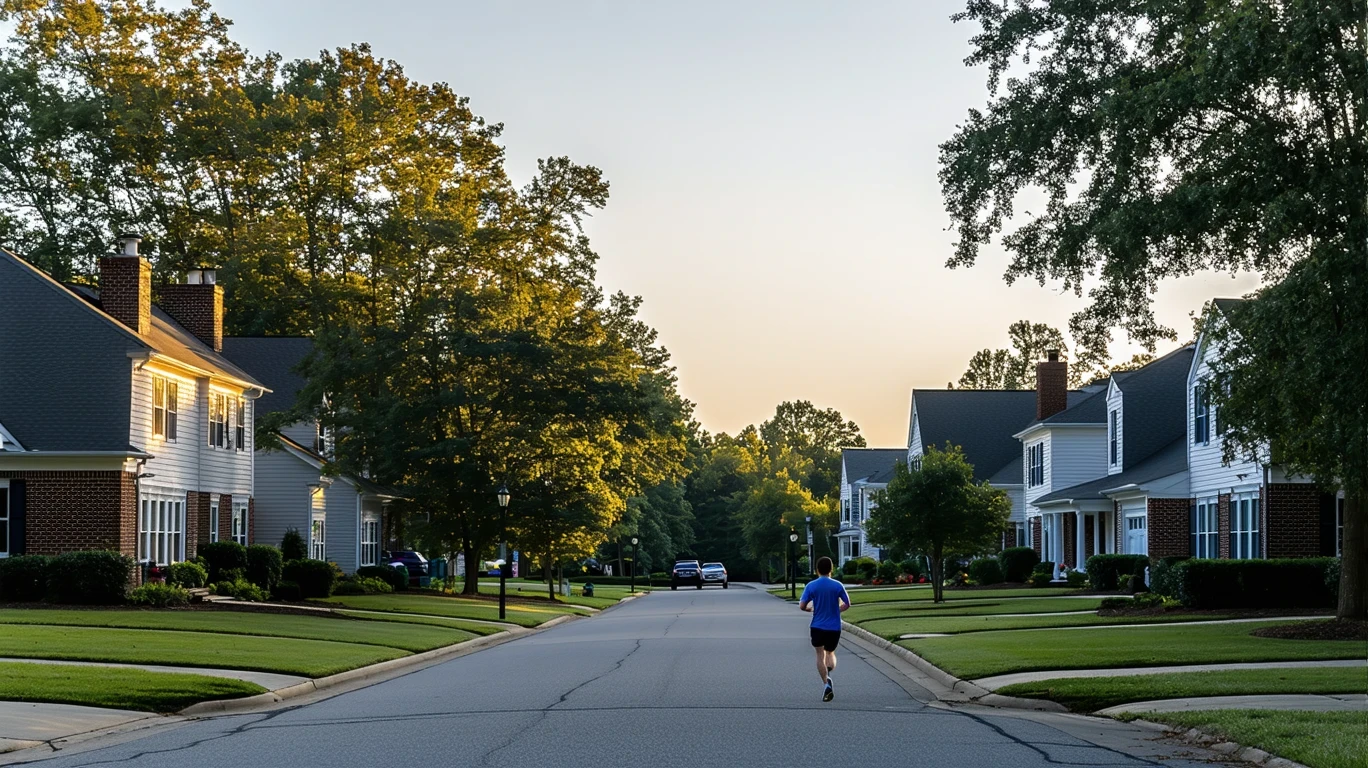
Clayton tends to work well for people who want suburban predictability, newer housing stock, and yard space without stretching into Raleigh price territory. It rewards those who value quiet evenings, planned neighborhoods, and a slower pace. Families who prioritize school access and safe streets over walkable downtown energy often describe feeling “at home” here quickly.
But that same structure frustrates people who expected more spontaneity, more texture, or less car dependency. The city has pockets of walkability and notable bike infrastructure, but day-to-day errands still cluster along corridors rather than spreading evenly across neighborhoods. If you’re used to grabbing what you need on foot or making plans without checking drive times first, Clayton can feel limiting. The lifestyle requirements here lean heavily on planning, not improvisation.
The recurring emotional tradeoff is this: convenience is growing, but it’s not yet woven into the fabric of daily life. You get access, but you also get logistics. You get affordability relative to the metro core, but you give up time and flexibility in exchange.
Social Media Buzz in Clayton
Online, Clayton’s conversation tends to circle around growth, traffic, and identity. There’s pride in the city’s momentum — new restaurants, better retail options, visible investment — but also fatigue with the side effects. People talk about construction timelines, school crowding, and whether the town is losing the small-town feel that originally attracted them.
Tone varies widely depending on how long someone’s been here. Longtime residents often express protectiveness over what Clayton used to be. Newcomers tend to focus on what it’s becoming. Both groups share frustration with infrastructure lag, particularly around road capacity and school resources.
“It’s not a small town anymore, but it’s not really a city either. We’re stuck in this in-between phase and nobody knows how long it’ll last.”
“I love that we’re getting more options, but I didn’t move here to sit in traffic on 42 every time I need groceries.”
“Honestly, for the price and the space, I’ll take the tradeoffs. We couldn’t afford this much house anywhere closer to Raleigh.”
The emotional center of these discussions isn’t anger — it’s adjustment. People are recalibrating expectations in real time, and the mood shifts depending on whether growth feels like progress or chaos on any given week.
Local News Tone
Coverage of Clayton tends to frame the city through the lens of change and capacity. Stories often focus on new development approvals, school expansions, and infrastructure projects trying to keep pace with population growth. There’s a recurring tension between celebrating economic momentum and questioning whether the city’s character is being preserved or erased.
Common headline themes include:
- “Community Debates What Growth Should Look Like”
- “New Retail and Dining Options Arrive as Town Evolves”
- “Residents Weigh Convenience Against Quiet”
- “Schools Expand to Meet Demand”
- “Traffic and Commute Times Become Daily Concern”
The tone is rarely celebratory or alarmist — it’s observational, with an undercurrent of “we’re figuring this out as we go.” That mirrors how residents talk about living here: cautiously optimistic, but aware that the next few years will determine whether Clayton becomes a place people stay or a place people leave once they can afford the next step.
Review-Based Public Perception
On platforms where people rate their experience living in or visiting Clayton, the feedback splits along predictable lines. Those who wanted suburban comfort, newer homes, and family-friendly neighborhoods tend to leave positive reviews. Those who expected walkable errands, vibrant street life, or easy non-car mobility tend to feel disappointed.
Praise often centers on:
- Newer housing developments with modern layouts and yard space
- Relative affordability compared to Raleigh and Cary
- Perceived safety and neighborhood quiet
- Improving retail and dining options
Complaints often focus on:
- Car dependency for nearly all errands
- Limited walkability outside specific pockets
- Commute burden to Raleigh and Research Triangle employers
- Lack of entertainment and nightlife options
- Growing pains around traffic and school crowding
Neighborhood variation exists but isn’t always clearly defined in public discussion. Newer planned areas tend to feel more polished and amenity-rich, while older pockets offer more established trees and slightly lower price points but fewer modern conveniences. The experience depends heavily on which part of Clayton you land in and how much you’re willing to drive to fill gaps.
Comparison to Nearby Cities
| Aspect | Clayton | Garner | Smithfield |
|---|---|---|---|
| Overall Vibe | Growing suburban with small-town roots fading | Established suburban with closer Raleigh access | Slower-paced, more rural, less commuter-oriented |
| Walkability | Pockets exist but car-dependent overall | Similar car dependency, some older walkable areas | Minimal walkability, rural character dominates |
| Commute Burden | Moderate to high for Raleigh workers | Shorter commute, better highway access | Longer commute, more isolated from metro core |
| Growth Pressure | High, visible construction and change | Steady but less disruptive | Low, slower development pace |
| Affordability | Moderate, better than Raleigh/Cary | Similar, slightly higher due to proximity | Lower, more rural pricing |
Clayton sits between Garner’s established suburban convenience and Smithfield’s rural quiet. If you need shorter commute times and don’t mind paying a bit more, Garner offers better access to Raleigh without sacrificing suburban structure. If you want even more space and slower growth, Smithfield delivers that — but you’ll drive farther for work and amenities.
Clayton’s appeal is for households willing to absorb moderate commute friction in exchange for newer housing stock and a price point that still feels attainable. It’s not the closest option, and it’s not the cheapest, but it occupies a middle zone that works for families prioritizing space and schools over spontaneity and walkability.
What Locals Are Saying
“We love our neighborhood and the house we got for the price, but I spend more time in the car than I ever did before. Everything’s a drive, and that adds up when you have kids in activities.”
“It’s quiet, it’s safe, and we have a yard. That’s what we wanted. I don’t need a downtown — I need a place where my kids can play outside without me worrying.”
“I thought I’d be okay with the commute, but 30-plus minutes each way, five days a week? It’s draining. I’m already thinking about what’s next.”
“The growth is exciting in some ways, but it also feels like we’re losing what made Clayton feel like a small town. It’s all chain restaurants and new construction now.”
“For remote workers, this place is great. You get space, you get affordability, and you’re not stuck in traffic every day. If I had to commute, I’d feel differently.”
“We moved here from Raleigh and immediately felt the difference. It’s slower, it’s quieter, and we’re not spending every weekend trying to ‘do’ something. That’s exactly what we needed.”
“I miss being able to walk places. I know that sounds small, but when you’re used to grabbing coffee or running an errand on foot, driving everywhere gets old fast.”
Does Clayton Feel Like a Good Fit?
Clayton works best for households who value space, newer housing, and suburban predictability over walkability and urban texture. It rewards those who can absorb a moderate commute without resentment and who don’t mind planning errands around drive times. Families seeking safe neighborhoods, yard space, and housing pressure relief compared to Raleigh tend to feel aligned here quickly.
It frustrates people who expected more walkable access, more nightlife, or less car dependency. The city has infrastructure for biking and pockets of pedestrian-friendly design, but daily life still revolves around driving. If you’re used to spontaneity, dense amenity access, or quick non-car errands, Clayton will feel limiting.
The emotional experience here isn’t about happiness or unhappiness in absolute terms — it’s about whether the tradeoffs match what you’re willing to give up. Growth is visible, change is constant, and infrastructure is catching up. Whether that feels like progress or chaos depends entirely on what you came looking for and how much friction you’re prepared to absorb along the way.
If you’re still weighing whether Clayton fits your financial and lifestyle needs, exploring what a budget has to handle here can help clarify whether the tradeoffs make sense for your household.
How this article was built: In addition to public economic data, this article incorporates location-based experiential signals derived from anonymized geographic patterns—such as access density, walkability, and land-use mix—to reflect how day-to-day living actually feels in Clayton, NC.
The perspectives shown reflect commonly expressed local sentiment and recurring themes in public discussion, rather than individual accounts.