

Most people assume Fairfield is cheaper than Cincinnati because it’s a suburb—but that’s backwards. In 2026, Cincinnati offers lower home prices and monthly rent, while Fairfield commands higher rent and slightly higher home values despite being outside the urban core. The real difference isn’t about one city being universally more affordable; it’s about where cost pressure concentrates and which households feel it most. Cincinnati and Fairfield sit in the same metro area, share the same regional price environment, and face identical utility rates and gas prices. What separates them is housing structure, commute patterns, and the infrastructure that shapes daily logistics. For households deciding between the two, the question isn’t which city costs less overall—it’s whether you’re more exposed to housing entry barriers, transportation time and fuel costs, or the friction of car-dependent errands.
Cincinnati functions as the regional anchor, with rail transit, walkable pockets, and corridor-clustered grocery and food access that allows some households to reduce car dependence. Fairfield operates as a commuter suburb with longer average travel times, higher rates of long commutes, and a median household income nearly 37% above Cincinnati’s—suggesting the housing market there serves dual-income professionals and families willing to trade urban access for space. Both cities have strengths, but they distribute cost pressure differently: Cincinnati front-loads housing decisions and rewards transit-oriented households, while Fairfield requires more predictable transportation planning and assumes car ownership as baseline. The better choice depends entirely on which costs dominate your household budget and which tradeoffs you’re equipped to manage in 2026.
Housing Costs
Cincinnati’s median home value sits at $192,000, while Fairfield’s reaches $196,600—a modest difference in purchase price that matters more for entry timing than monthly obligation. For first-time buyers, Cincinnati offers a slightly lower barrier to ownership, which can ease down payment pressure and closing cost exposure. Fairfield’s higher home values reflect a market oriented toward single-family detached housing and larger lots, where the premium buys space and separation rather than urban proximity. Neither city imposes a severe entry penalty compared to coastal metros, but the difference becomes meaningful for households stretching to qualify for financing or managing student debt alongside homeownership goals.
Rental markets tell a different story. Cincinnati’s median gross rent stands at $893 per month, while Fairfield’s climbs to $1,096 per month—a $203 monthly gap that compounds over a year into more than $2,400 in additional housing outlay. For renters, Cincinnati offers lower baseline exposure, which creates more budget flexibility for transportation, utilities, or discretionary spending. Fairfield’s higher rent reflects tighter rental inventory and a market where landlords price for households with higher median incomes—Fairfield’s $67,182 per year median household income compared to Cincinnati’s $49,191 per year. That income gap means Fairfield renters often face lower rent-to-income pressure despite paying more in absolute terms, while Cincinnati renters may feel housing costs more acutely relative to earnings.
Housing type availability also shapes cost behavior. Cincinnati’s urban form includes mixed-height buildings and denser residential clusters, which support a wider range of apartment sizes and price points. Fairfield skews toward single-family rentals and townhomes, where rent includes yard maintenance, parking, and more square footage—but less flexibility to downsize or find lower-cost entry options. For young professionals or single adults, Cincinnati’s rental market offers more granular choices and the ability to trade space for location. For families prioritizing outdoor access and school proximity, Fairfield’s rental stock aligns better with those needs, even at higher monthly cost.
| Housing Type | Cincinnati | Fairfield |
|---|---|---|
| Median Home Value | $192,000 | $196,600 |
| Median Gross Rent | $893/month | $1,096/month |
| Median Household Income | $49,191/year | $67,182/year |
First-time buyers face lower entry costs in Cincinnati, but ongoing ownership expenses—property taxes, insurance, and maintenance—depend on home age, neighborhood, and whether the property sits in a historic district or newer subdivision. Fairfield’s housing stock trends newer on average, which can reduce immediate maintenance exposure but may include HOA fees or special assessments that Cincinnati’s older neighborhoods avoid. Renters in Cincinnati gain from lower baseline rent but must evaluate whether the savings offset transportation costs if they work outside walkable corridors. Renters in Fairfield pay more upfront but often secure more space, parking, and proximity to highway access that simplifies commuting.
Housing takeaway: Cincinnati fits households where housing entry cost and rent levels dominate the budget, particularly single adults and renters sensitive to monthly obligations. Fairfield fits households where income supports higher rent or mortgage payments and where housing type—space, parking, yard access—matters more than minimizing baseline cost. The income gap between the two cities means Fairfield’s higher housing costs don’t necessarily translate to greater financial strain for the households who live there, but they do create a higher floor for anyone entering the market.
Utilities and Energy Costs
Both Cincinnati and Fairfield share identical utility rate structures: 17.85¢ per kWh for electricity and $23.03 per MCF for natural gas. Because both cities sit in the same regional service territory and climate zone, the primary driver of utility cost differences isn’t rates—it’s housing stock, insulation quality, and household behavior. Older homes in Cincinnati’s urban core may experience higher heating and cooling loads due to less efficient building envelopes, single-pane windows, and aging HVAC systems. Fairfield’s housing stock skews newer, with better baseline insulation and more efficient heating and cooling equipment, which can reduce seasonal volatility even when weather exposure remains identical.
Seasonal utility pressure in both cities follows the same pattern: cooling dominates summer months when temperatures climb, and heating drives winter bills when cold snaps arrive. Neither city experiences extreme climate conditions, but both require year-round HVAC use, which means utility bills remain a consistent line item rather than a summer-only or winter-only concern. The difference lies in how housing type amplifies or dampens that exposure. Apartments in Cincinnati benefit from shared-wall insulation and smaller conditioned spaces, which lower per-unit energy consumption. Single-family homes in Fairfield—larger square footage, detached construction, higher ceilings—require more energy to maintain comfort, even with newer equipment.
Household size and occupancy patterns also shape utility exposure. Single adults or couples in smaller Cincinnati apartments may see monthly electric bills stay relatively predictable, with natural gas costs rising only during extended cold periods. Families in larger Fairfield homes face higher baseline usage due to more occupants, larger spaces, and greater hot water and laundry demand. Older homes in either city—particularly those without updated insulation or programmable thermostats—experience more volatility, where a week of extreme weather can double utility costs compared to mild months. Newer construction in Fairfield reduces that volatility but doesn’t eliminate it, especially for households running multiple zones or maintaining larger yards with irrigation systems.
Utility billing structures in both cities typically separate electricity, gas, water, and trash, which means households manage multiple accounts and due dates rather than a single bundled bill. Some Fairfield neighborhoods include HOA fees that cover water or trash, which shifts those costs into housing rather than utilities—reducing the number of variable bills but increasing fixed monthly obligations. Cincinnati renters more often pay utilities separately, which gives them direct control over usage but also exposes them to seasonal spikes without the cushion of bundled pricing. Time-of-use rates and off-peak incentives exist in the region, but adoption depends on provider enrollment and household willingness to shift laundry, dishwashing, and EV charging to lower-cost windows.
Utility takeaway: Households in older Cincinnati housing face more utility volatility due to building age and less efficient infrastructure, even though rates match Fairfield exactly. Households in newer Fairfield homes experience more predictable utility costs but higher baseline usage due to larger square footage and detached construction. Single adults and couples benefit from Cincinnati’s smaller housing formats, which naturally limit energy consumption. Families in Fairfield must plan for higher ongoing utility exposure, particularly in homes with multiple HVAC zones or older equipment nearing replacement.
Groceries and Daily Expenses
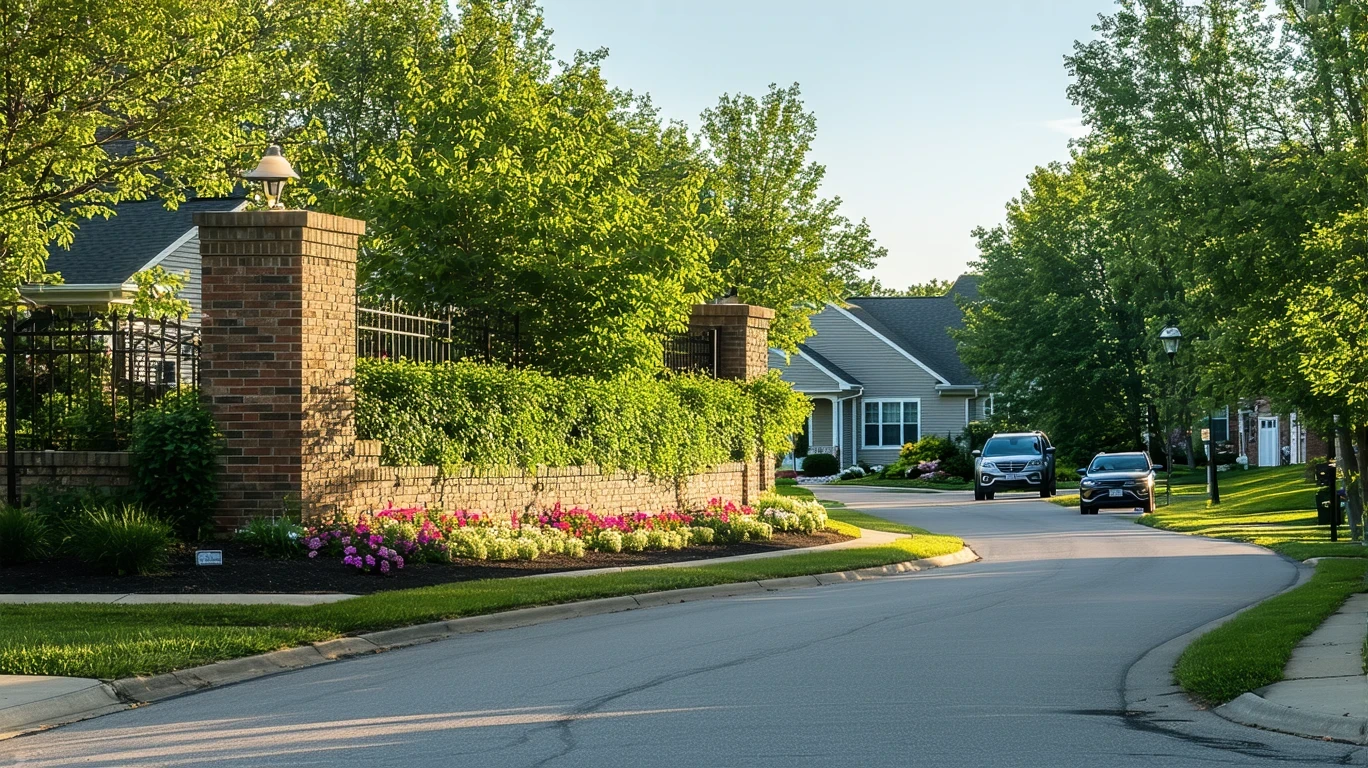
Cincinnati and Fairfield share the same regional price parity index—94—which means grocery staples, household goods, and everyday consumables cost the same on average across both cities. The difference isn’t in what items cost per pound or per gallon; it’s in how access, store density, and household routines shape spending behavior. Cincinnati’s corridor-clustered food and grocery access means households can find options along major streets and transit routes, but not every neighborhood offers walking-distance grocery stores. Fairfield’s suburban layout typically requires driving to grocery stores, which consolidates trips but also increases the temptation to add convenience purchases—prepared foods, deli items, impulse buys—that inflate cart totals beyond staple lists.
Big-box retailers, discount grocers, and specialty stores operate in both cities, but their distribution differs. Cincinnati’s urban density supports smaller-format stores, ethnic grocers, and neighborhood markets that allow households to shop more frequently in smaller volumes. Fairfield’s car-oriented layout favors larger stores with expansive parking lots, where households stock up weekly or biweekly and rely on pantry storage rather than daily or every-other-day shopping. That shift in rhythm affects spending: frequent small trips in Cincinnati can limit impulse purchases but require more time and planning, while less frequent large trips in Fairfield reduce errand frequency but increase per-visit spending and food waste risk.
Dining out and convenience spending also behave differently. Cincinnati’s walkable pockets and mixed-use corridors place coffee shops, quick-service restaurants, and takeout options within short distances of residential areas, which makes grabbing lunch, picking up dinner, or meeting friends for coffee a low-friction decision. Fairfield’s layout requires intentional driving to dining clusters, which can reduce spontaneous spending but also encourages drive-through habits and chain restaurant reliance when cooking at home feels inconvenient. Single adults and couples in Cincinnati may spend more on small convenience purchases—coffee, lunch, snacks—because access is easy, while families in Fairfield may spend more on bulk groceries and weekend dining trips that consolidate social and food spending into fewer, larger events.
Household size amplifies these patterns. Single adults in Cincinnati can shop at smaller stores, buy only what they need for a few days, and avoid the pressure to fill a large cart or justify a long drive. Families in Fairfield managing larger grocery volumes benefit from big-box pricing and bulk options but must plan meals carefully to avoid waste and control per-trip spending. Discount grocers and warehouse clubs serve both cities, but their value depends on storage space, transportation capacity, and willingness to buy in volume—factors that favor Fairfield’s single-family homes over Cincinnati’s smaller apartments.
Grocery takeaway: Households sensitive to convenience spending and impulse purchases face more friction in Fairfield, where driving to stores and larger cart sizes increase per-trip costs. Households in Cincinnati benefit from more frequent, smaller shopping trips that limit waste but require more time and errand planning. Families managing larger grocery volumes find better bulk access in Fairfield, while single adults and couples in Cincinnati gain flexibility from smaller-format stores and walkable food options. Price sensitivity matters less than access structure and shopping rhythm—both cities share the same baseline costs, but how you shop changes what you spend.
Taxes and Fees
Property taxes, local fees, and municipal charges shape ongoing cost exposure in both Cincinnati and Fairfield, but specific rates and structures aren’t provided in the available data. What’s consistent across both cities is that homeowners face annual property tax bills based on assessed home values, while renters absorb those costs indirectly through rent pricing. Cincinnati’s older housing stock and urban infrastructure may result in higher per-property tax assessments in some neighborhoods, particularly where historic districts or downtown proximity increase land values. Fairfield’s newer suburban development often includes special assessments for road maintenance, stormwater management, or community amenities, which can add recurring fees beyond base property taxes.
HOA fees and community association dues appear more frequently in Fairfield, where planned subdivisions and townhome developments bundle services like landscaping, snow removal, trash collection, and shared amenity maintenance into monthly or annual charges. Those fees provide predictability—households know the cost upfront—but they also remove flexibility to opt out or reduce spending during tight budget months. Cincinnati’s older neighborhoods typically lack HOA structures, which means homeowners manage their own maintenance and service contracts but also avoid mandatory monthly fees. For some households, that’s a cost advantage; for others, it’s an added planning burden.
Sales taxes and local consumption taxes apply equally across both cities, given their shared metro area and state tax framework. The bigger difference lies in how transportation, parking, and municipal service fees accumulate. Cincinnati’s urban core may include metered parking, residential parking permits, or congestion-related fees in high-density neighborhoods, while Fairfield’s suburban layout eliminates most parking costs but increases reliance on toll roads or highway access fees for commuters traveling into Cincinnati or other regional employment centers. Trash collection, water, and sewer fees vary by provider and property type, but both cities typically bill these separately rather than bundling them into a single utility account.
Long-term residents in either city benefit from property tax caps, homestead exemptions, or senior discounts where available, but those protections depend on state and county rules rather than city-specific policy. Recent movers face reassessment risk, where purchasing a home at current market value triggers a higher tax basis than the previous owner paid. That risk exists in both cities but matters more in Fairfield, where newer homes and recent sales activity push assessed values closer to market prices. Renters avoid direct property tax exposure but face rent increases when landlords pass through rising tax bills, insurance premiums, or special assessments.
Tax and fee takeaway: Homeowners in Fairfield face more predictable fee structures through HOAs but less flexibility to reduce costs during lean months. Homeowners in Cincinnati avoid mandatory association fees but must manage maintenance and service contracts independently. Renters in both cities absorb property tax and fee increases indirectly through rent adjustments, with Fairfield’s higher baseline rent suggesting landlords price in those costs upfront. Long-term residents gain stability from tax caps and exemptions, while recent movers face reassessment exposure that increases ongoing obligations in both cities.
Transportation & Commute Reality
Cincinnati’s average commute clocks in at 25 minutes, while Fairfield’s stretches to 30 minutes—a five-minute difference that compounds over a year into more than 40 additional hours spent commuting. That time gap reflects Fairfield’s role as a bedroom community where residents drive to employment centers in Cincinnati or other regional hubs, while Cincinnati’s urban density allows some workers to live closer to downtown offices, hospitals, and service-sector jobs. Both cities show relatively low work-from-home rates—5.4% in Cincinnati and 3.5% in Fairfield—which means the vast majority of workers in both places commute regularly rather than avoiding transportation costs through remote work.
Long commute exposure also differs: 19.0% of Cincinnati workers face extended travel times, compared to 21.7% in Fairfield. That higher percentage in Fairfield suggests more residents accept longer drives in exchange for suburban housing, space, and school access, while Cincinnati’s lower long-commute rate reflects shorter distances for workers employed in the urban core. Gas prices remain identical—$2.58 per gallon—so fuel cost differences come down to miles driven, vehicle efficiency, and commute frequency rather than price-per-gallon variation. Fairfield’s longer average commute and higher long-commute percentage mean households there burn more fuel weekly, even without calculating exact monthly totals.
Cincinnati’s rail transit and walkable pockets create opportunities for some households to reduce car dependence, particularly those living near transit corridors or within mixed-use neighborhoods where errands, dining, and services cluster within walking or biking distance. That infrastructure doesn’t eliminate the need for a car—most Cincinnati households still drive—but it does provide optionality that Fairfield lacks. Fairfield’s suburban layout assumes car ownership as baseline, with limited transit access and street networks designed for driving rather than walking or biking. Households without reliable vehicles face significant friction in Fairfield, where grocery stores, medical appointments, and social activities require intentional transportation planning.
Commute time also carries hidden costs beyond fuel. Longer drives increase vehicle wear, insurance risk, and the likelihood of needing repairs or earlier replacement. Fairfield’s five-minute longer average commute and higher long-commute percentage mean households there face more frequent oil changes, tire rotations, and brake service—costs that accumulate gradually but add up over years of ownership. Cincinnati’s shorter average commute reduces that wear exposure, though urban driving—stop-and-go traffic, tight parking, pothole-prone streets—introduces different maintenance pressures. For households managing one vehicle, Cincinnati’s transit options provide backup when the car’s in the shop; for households in Fairfield, losing a vehicle creates immediate logistics problems.
Transportation takeaway: Fairfield’s longer average commute and higher long-commute percentage increase time and fuel exposure, even though gas prices match Cincinnati exactly. Cincinnati’s rail transit and walkable infrastructure provide optionality that reduces car dependence for some households, while Fairfield assumes car ownership as non-negotiable. Households sensitive to commute time, vehicle wear, and transportation flexibility face lower friction in Cincinnati. Households prioritizing suburban space and willing to absorb longer drives find Fairfield’s layout manageable, but they must plan for higher ongoing transportation exposure.
Cost Structure Comparison
Housing dominates the cost experience in both cities, but the pressure point differs. Cincinnati’s lower home values and rent create a lower entry barrier, which matters most for first-time buyers, single adults, and renters managing tight budgets. Fairfield’s higher rent and slightly higher home values reflect a market serving dual-income households and families where income levels—nearly 37% higher than Cincinnati’s median—absorb the difference without severe strain. For households earning closer to Cincinnati’s median income, Fairfield’s housing costs represent a steeper climb, while Cincinnati’s baseline rent and home prices offer more breathing room.
Utilities introduce similar exposure in both cities due to identical rates, but housing stock and building age shift where volatility shows up. Older homes in Cincinnati face more seasonal swings due to less efficient envelopes and aging HVAC systems, while newer construction in Fairfield delivers more predictable bills but higher baseline usage from larger square footage. Single adults and couples benefit from Cincinnati’s smaller housing formats, which naturally limit energy consumption, while families in Fairfield must plan for higher ongoing utility costs tied to home size and occupancy.
Daily living and groceries cost the same on a per-item basis, but access structure changes spending behavior. Cincinnati’s corridor-clustered food access and walkable pockets allow smaller, more frequent shopping trips that limit impulse purchases but require more time. Fairfield’s car-oriented layout consolidates grocery runs into larger, less frequent trips that increase per-visit spending and convenience purchases. Families managing bulk grocery needs find Fairfield’s big-box access advantageous, while single adults and couples in Cincinnati gain flexibility from smaller-format stores and walkable dining options.
Transportation patterns matter more in Fairfield, where longer commutes, higher long-commute percentages, and car dependence increase time and fuel exposure. Cincinnati’s shorter average commute and rail transit options reduce transportation friction for households living near walkable corridors or transit routes, though most residents still drive. The five-minute commute difference compounds over time into more vehicle wear, more fuel consumption, and less schedule flexibility—costs that don’t show up in monthly budgets but accumulate over years.
The better choice depends on which costs dominate the household. Households sensitive to housing entry barriers, rent levels, and transportation flexibility may prefer Cincinnati, where lower baseline costs and transit infrastructure provide more optionality. Households prioritizing space, newer housing stock, and suburban amenities may prefer Fairfield, where higher income levels support higher housing costs and longer commutes become manageable tradeoffs. Neither city is universally cheaper—both distribute cost pressure differently, and the right fit depends on which exposures the household can absorb and which tradeoffs align with long-term goals.
How the Same Income Feels in Cincinnati vs Fairfield
Single Adult
Housing becomes the first non-negotiable, and Cincinnati’s lower rent creates more flexibility for transportation, utilities, and discretionary spending. Fairfield’s higher rent consumes more of the monthly budget upfront, leaving less room for savings or unexpected expenses. Commute friction matters more in Fairfield, where car dependence and longer travel times reduce schedule flexibility and increase fuel exposure. Cincinnati’s walkable pockets and transit options allow some single adults to reduce car reliance, which frees up budget space and time. Flexibility disappears faster in Fairfield when rent, transportation, and car maintenance compound into fixed obligations.
Dual-Income Couple
Housing costs feel more manageable in both cities when two incomes combine, but transportation exposure diverges. Cincinnati’s shorter commutes and transit access reduce the need for two cars or allow one partner to rely on rail or biking, which lowers insurance, fuel, and maintenance costs. Fairfield’s longer commutes and car-oriented layout assume both partners drive, which doubles transportation exposure and reduces time available for errands or household logistics. Predictability increases in Fairfield if both partners work stable schedules and housing includes HOA-bundled services, but volatility creeps in when commute times fluctuate or vehicle repairs hit simultaneously. Cincinnati offers more optionality—couples can trade housing size for location or reduce car dependence to offset higher utility costs in older homes.
Family with Kids
Housing space and school access become non-negotiable, and Fairfield’s suburban layout aligns better with those needs despite higher rent and home values. Cincinnati’s lower housing entry costs help families buy sooner, but older housing stock increases maintenance exposure and utility volatility. Transportation friction intensifies in Fairfield, where longer commutes and car dependence limit parents’ ability to manage school pickups, extracurriculars, and errands without significant time coordination. Cincinnati’s integrated parks and hospital access reduce logistics friction for families managing medical appointments and outdoor activities, while Fairfield requires more intentional planning to access similar amenities. Flexibility disappears in both cities when housing, transportation, and childcare costs layer together, but Cincinnati’s lower baseline housing costs provide more cushion for families earning closer to the metro’s median income.
Decision Matrix: Which City Fits Which Household?
| Decision factor | If you’re sensitive to this… | Cincinnati tends to fit when… | Fairfield tends to fit when… |
|---|---|---|---|
| Housing entry + space needs | You need lower upfront costs or flexible rental options | Lower home values and rent reduce entry barriers and preserve budget flexibility | Higher income supports higher rent and you prioritize space over baseline cost |
| Transportation dependence + commute friction | You want to reduce car reliance or minimize commute time | Rail transit and walkable pockets allow some households to reduce driving and shorten commutes | You accept longer commutes and car dependence in exchange for suburban layout and highway access |
| Utility variability + home size exposure | You prefer predictable bills or want to limit energy consumption | Smaller housing formats and apartment living naturally reduce energy usage despite older building stock | Newer construction delivers more predictable utility costs but larger homes increase baseline usage |
| Grocery strategy + convenience spending creep | You want to control impulse purchases or shop frequently in smaller trips | Corridor-clustered food access and walkable dining options support smaller, more frequent shopping trips | Car-oriented layout consolidates grocery runs into larger trips that favor bulk buying and reduce errand frequency |
| Fees + friction costs (HOA, services, upkeep) | You want to avoid mandatory fees or prefer managing services independently | Older neighborhoods typically lack HOA fees and allow homeowners to manage maintenance on their own terms | HOA fees bundle services like landscaping and trash but remove flexibility to reduce costs during tight months |
| Time budget (schedule flexibility, errands, logistics) | You need to minimize commute time and simplify household logistics | Shorter commutes and mixed-use corridors reduce time spent on transportation and errands | Longer commutes and car-dependent errands require more intentional planning and reduce daily schedule flexibility |
Lifestyle Fit
Cincinnati’s urban density and rail transit create a lifestyle where some households can walk to coffee shops, take the train to work, and access parks, hospitals, and grocery stores without driving every day. That infrastructure doesn’t eliminate the need for a car, but it does provide optionality—households can choose when to drive rather than being forced to drive for every errand. Walkable pockets and mixed-use corridors support spontaneous social plans, frequent small errands, and the ability to grab lunch or meet friends without coordinating parking or travel time. For young professionals, couples without kids, and anyone prioritizing urban access over suburban space, Cincinnati’s layout reduces daily friction and creates more flexibility in how time and money get spent.
Fairfield operates as a commuter suburb where car ownership is assumed and daily life revolves around driving. Grocery stores, dining clusters, and recreational amenities require intentional trips rather than walk-up access, which consolidates errands into fewer, longer outings. That layout works well for families who prioritize yard space, newer housing stock, and separation from urban density, but it increases time and fuel exposure for anyone commuting back into Cincinnati or other regional employment centers. Social life in Fairfield often centers on planned activities—weekend trips to parks, dining out at chain restaurants, or visiting friends in other suburbs—rather than the spontaneous, walkable interactions more common in Cincinnati’s urban neighborhoods.
Recreation and outdoor access differ in texture. Cincinnati’s integrated park density and water features provide frequent, nearby green space that households can visit without driving long distances. Fairfield’s suburban layout includes parks and trails, but access typically requires driving to trailheads or community recreation centers rather than walking out the front door. For families with kids, Fairfield’s layout supports backyard play, neighborhood bike rides, and organized sports leagues, while Cincinnati’s parks and playgrounds serve as shared outdoor space for households without private yards. Both cities offer outdoor access, but the friction and planning required differ—Cincinnati reduces barriers to frequent, short visits, while Fairfield rewards households who plan longer, less frequent outings.
Quick facts: Cincinnati’s rail transit and walkable corridors allow some households to reduce car dependence, while Fairfield assumes car ownership as baseline for all daily activities. Fairfield’s median household income—$67,182 per year—runs nearly 37% higher than Cincinnati’s $49,191 per year, reflecting a market oriented toward dual-income professionals and families.
Frequently Asked Questions
Is Cincinnati or Fairfield cheaper for renters in 2026?
Cincinnati offers lower baseline rent—$893 per month compared to Fairfield’s $1,096 per month—which creates more budget flexibility for single adults and households managing tight income constraints. Fairfield’s higher rent reflects a market serving households with higher median incomes, where the absolute cost is higher but the income-to-rent ratio may feel more manageable for dual-earner couples or professionals. Renters sensitive to monthly housing obligations face lower exposure in Cincinnati, while renters prioritizing space, parking, and newer construction may find Fairfield’s higher rent justified by housing quality and layout.
How do commute costs differ between Cincinnati and Fairfield in 2026?
Fairfield’s average commute runs five minutes longer than Cincinnati’s—30 minutes versus 25 minutes—and a higher percentage of Fairfield workers face long commutes (21.7% compared to 19.0%). Gas prices remain identical at $2.58 per gallon, so the cost difference comes from miles driven, vehicle wear, and time exposure rather than fuel price variation. Cincinnati’s rail transit and walkable pockets allow some households to reduce car dependence, while Fairfield assumes car ownership as baseline and requires driving for nearly all errands and commutes. Households sensitive to commute time and transportation flexibility face lower friction in Cincinnati.
Do groceries cost more in Cincinnati or Fairfield in 2026?