
Housing costs in Cibolo don’t follow the extremes you’d find in Austin or the bargain reputation of deeper rural Texas. This is a San Antonio metro suburb where home values sit at $291,500 and rent averages $1,872 per month—figures that reflect steady growth pressure without the sticker shock of the urban core. What shapes the cost experience here isn’t just the price tag; it’s the tradeoff between locking in ownership costs and accepting the logistical friction that comes with a car-dependent, low-density layout. Newcomers often underestimate how much Cibolo’s structure—sparse grocery and food access, limited transit, integrated parks but few walkable errands—changes the rent-versus-own calculus. The decision isn’t just financial; it’s about whether you’re willing to trade convenience for space, predictability for flexibility, and urban amenities for suburban control.
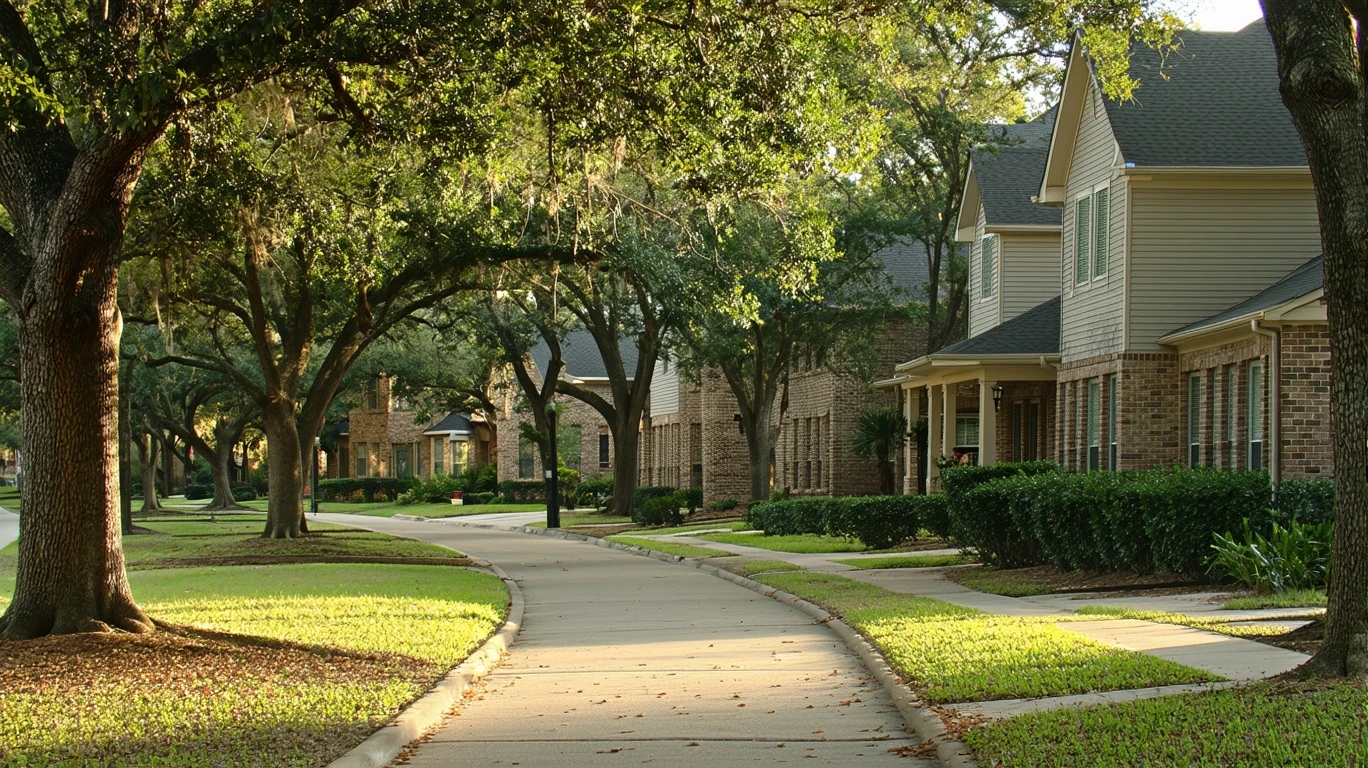
The Housing Market in Cibolo Today
Cibolo’s housing market is shaped by its role as a commuter suburb within the San Antonio metro, where families and first-time buyers seek affordability without sacrificing access to regional employment. The city’s low-rise, mixed-use character reflects rapid residential development over the past two decades, with single-family homes dominating the landscape. Unlike denser metro areas where walkable errands and transit shape housing demand, Cibolo’s appeal rests on yard space, park access, and the ability to own a detached home at a price point that feels attainable relative to the region’s median household income of $116,510 per year. The regional price parity index of 94 signals that overall living costs run slightly below the national baseline, which helps stretch household budgets—but that advantage doesn’t eliminate the structural costs of ownership in Texas, where property taxes fund schools and services in the absence of state income tax.
What newcomers often miss is how Cibolo’s layout changes the housing tradeoff. This isn’t a place where you can walk to the grocery store or rely on public transit; food and grocery density falls below typical suburban thresholds, and the pedestrian-to-road ratio sits in the middle band—enough sidewalks to take a walk, but not enough to run daily errands on foot. That car dependency shifts the value proposition: owning a home here means controlling your housing cost structure and gaining yard space, but it also means accepting that every errand, every commute, and every household task requires a vehicle. Renters face the same logistical friction but without the ability to lock in their largest monthly expense or build equity. The market reflects this dynamic—home values have climbed as demand for suburban space has grown, while rental options remain limited by the low-rise building stock and sparse multifamily development.
Renting in Cibolo
Renting in Cibolo at $1,872 per month reflects moderate pressure in a market where single-family homes outnumber apartment complexes and where most rental stock serves households in transition—military families stationed nearby, workers relocating for regional jobs, or buyers waiting for the right purchase opportunity. The rental experience here is less about urban convenience and more about temporary access to suburban space. You’re not renting to avoid car ownership or to live near walkable amenities; you’re renting because you’re not ready to commit to ownership in a place where property taxes, maintenance, and long-term exposure define the cost structure.
The challenge for renters is that Cibolo’s layout doesn’t reward short-term flexibility the way denser cities do. Sparse grocery and food access means every shopping trip requires planning and a vehicle. The lack of public transit means commuting costs are fixed and unavoidable. And because the housing stock skews toward ownership, rental options tend to cluster in a few apartment complexes or single-family homes offered by individual landlords, limiting choice and competition. Rent renewals can be unpredictable—landlords in low-density suburbs often adjust rates based on regional demand rather than hyperlocal competition, and because turnover is lower in family-oriented markets, sitting tenants may face steeper increases when leases renew. For households earning near or above the median income, rent is manageable but not trivial; for those below, the combination of rent, car dependency, and limited walkable errands creates a logistics burden that compounds the financial one.
Owning a Home in Cibolo
Owning a home in Cibolo at $291,500 means locking in the largest piece of your housing cost—the principal—while accepting exposure to the variables that Texas homeowners know well: property taxes, insurance, and maintenance. Texas funds its schools and local services through property taxes rather than state income tax, which means ownership here carries a recurring cost that rises with assessed value and local budget needs. Unlike rent, which can spike at renewal, property taxes increase gradually but persistently, and because Cibolo is a growing suburb, infrastructure investment and school funding demands can push rates higher over time. Homeowners don’t face the annual renewal uncertainty that renters do, but they do face the reality that their tax bill is never truly fixed.
Beyond taxes, ownership in Cibolo means managing the costs that come with detached, low-rise housing in a climate defined by triple-digit summer heat. Cooling costs dominate the utility picture during the extended warm season, and because most homes here are single-family structures with yards, maintenance isn’t optional—it’s seasonal and recurring. Roof wear from sun exposure, HVAC upkeep, and irrigation or landscaping in dry months all add to the ownership burden. Homeowners also gain control: you can upgrade insulation, replace aging systems, and make efficiency improvements that renters can’t. But those upgrades require capital, and the decision to invest in them depends on how long you plan to stay. For households planning to remain in Cibolo for five years or more, ownership offers predictability in monthly housing costs and the ability to build equity. For those uncertain about long-term plans, the combination of upfront costs, tax exposure, and maintenance responsibility makes renting a safer hedge.
Apartment vs House in Cibolo — Cost Behavior Comparison
| Expense Category | Apartment | House |
|---|---|---|
| Base Housing Cost | Rent covers structure; no equity | Principal fixed; taxes and insurance rise over time |
| Cooling Exposure | Shared walls reduce heat gain; lower summer bills | Detached structure and sun exposure increase cooling load |
| Maintenance Responsibility | Landlord handles; tenant has no control over timing or quality | Owner schedules and funds; can prioritize efficiency or defer |
| Outdoor Space | Limited or shared; reduces upkeep but limits use | Private yard; adds irrigation, mowing, and seasonal care |
| Logistics Friction | Same car dependency; no advantage in errands accessibility | Same car dependency; garage and storage ease household logistics |
Why these categories matter in Cibolo: The comparison reflects the city’s low-rise, car-oriented layout and climate-driven utility exposure. Categories like transit access, walkable errands, and density-driven cost differences are omitted because they don’t vary meaningfully here—both apartments and houses require a car, and neither offers proximity to daily services. The distinctions that remain are structural: cooling load, maintenance control, and outdoor space, all of which are shaped by Cibolo’s suburban form and extended warm season.
Utilities & Upkeep Differences
Utilities in Cibolo are dominated by cooling costs during the long, hot summer, when triple-digit heat drives air conditioning usage for months at a time. At 16.04¢/kWh, electricity rates sit near regional norms, but the intensity of the cooling season means that rate matters more here than in milder climates. Apartments benefit from shared walls and smaller square footage, which reduce heat gain and lower summer bills. Houses, especially detached single-family homes with south- or west-facing exposure, absorb more heat and require more energy to cool. The difference isn’t trivial—it’s the gap between a noticeable monthly expense and a dominant one. Homeowners can offset this through insulation upgrades, programmable thermostats, and HVAC maintenance, but those measures require upfront investment and ongoing attention. Renters have no control over efficiency and must absorb whatever the structure’s design imposes.
Maintenance exposure in Cibolo is shaped by the prevalence of single-family homes with yards, where outdoor upkeep is seasonal and unavoidable. Irrigation during dry stretches, mowing during the growing season, and storm prep during severe weather months all add to the ownership burden. Apartments shift that responsibility to the landlord, but they also eliminate the ability to control timing, quality, or cost. For families with children or pets, the private yard is a functional asset that justifies the upkeep. For smaller households or those prioritizing convenience, the maintenance load is a friction point that makes renting more appealing—even if rent itself is higher than a mortgage payment would be.
Rent vs Buy: Long-Term Exposure in Cibolo
The rent-versus-buy decision in Cibolo isn’t just about comparing monthly payments; it’s about choosing between two different exposure profiles. Renters face annual renewal uncertainty and the possibility of sharp increases when landlords adjust to regional demand. They avoid property tax increases, major maintenance costs, and the capital required to buy, but they also give up control over their largest monthly expense and build no equity. In a low-density suburb where rental competition is limited and turnover is low, sitting tenants often face steeper increases than they would in a more competitive urban market. That volatility makes long-term renting riskier here than in places with abundant multifamily stock and strong tenant turnover.
Homeowners in Cibolo lock in their principal cost and gain the ability to build equity, but they accept exposure to property taxes, insurance, and maintenance—all of which can rise over time. Texas property taxes fund local services and schools, and because Cibolo is a growing suburb, those costs tend to increase as infrastructure expands and assessed values climb. Maintenance costs are less predictable: a roof replacement, HVAC failure, or storm damage can impose sudden, large expenses that renters never face. But ownership also offers control—you can choose when to upgrade, how to manage efficiency, and whether to invest in improvements that reduce long-term costs. For households planning to stay in Cibolo for five years or more, ownership smooths the cost curve and rewards stability. For those uncertain about their timeline, renting preserves flexibility at the cost of exposure to renewal volatility and the logistics burden of car dependency without the space or equity benefits of ownership.
FAQs About Housing Costs in Cibolo
Is renting or buying more affordable in Cibolo, TX?
Buying becomes more cost-effective over time if you plan to stay for five years or more, as ownership locks in your principal cost and builds equity. Renting avoids property tax and maintenance exposure but leaves you vulnerable to renewal increases in a market with limited rental competition. The decision depends on your timeline and whether you value flexibility or predictability.
How much do property taxes add to homeownership costs in Cibolo?
Texas relies on property taxes to fund schools and services, so ownership here includes a recurring tax bill that rises with assessed value and local budget needs. The rate isn’t fixed in the feed, but the structure is predictable: expect taxes to increase gradually over time, especially in a growing suburb where infrastructure investment drives demand for revenue.
Does Cibolo’s car dependency affect housing costs?
Indirectly, yes. Sparse grocery and food access means every household needs a vehicle, which adds transportation costs to your monthly budget and reduces the appeal of renting in a place where you can’t offset housing costs with walkable convenience. Homeownership here makes more sense because you’re already committed to car dependency—you might as well gain space, equity, and control in exchange.
Are utilities higher in houses or apartments in Cibolo?
Houses face higher cooling costs due to detached construction and greater sun exposure during the long, hot summer. Apartments benefit from shared walls and smaller square footage, which reduce heat gain and lower electricity bills. The gap is driven by climate intensity, not just structure type.
What makes Cibolo different from other San Antonio suburbs for housing?
Cibolo combines moderate home values, integrated park access, and a low-rise suburban layout with sparse walkable errands and limited transit. It’s more affordable than closer-in suburbs but requires more planning for daily logistics. The housing tradeoff here is space and ownership accessibility in exchange for car dependency and distance from urban amenities.
Making Housing Choices in Cibolo
Housing costs in Cibolo reflect a suburban market where ownership is accessible, space is abundant, and the tradeoff is logistical rather than financial. Home values at $291,500 and rent at $1,872 per month are moderate relative to the region’s income levels, but the cost experience is shaped by what the city’s layout demands: a car for every errand, a yard to maintain, and a cooling season that dominates utility bills. Renters gain flexibility but lose control and equity in a market where rental competition is thin and renewal volatility is real. Homeowners lock in their principal cost and gain space, but they accept exposure to property taxes, maintenance, and the long-term commitment that comes with ownership in a place where you can’t easily walk away.
The households that thrive in Cibolo are those who value suburban space, plan to stay long enough to absorb ownership costs, and don’t mind the logistics of car dependency. Families benefit from park access and low-rise housing stock, even if school density is limited. First-time buyers find home values within reach, especially relative to closer-in suburbs. Cost-sensitive households gain from below-national-average price parity but must account for the friction of sparse errands accessibility and the recurring costs of cooling and maintenance. For a deeper look at where money goes beyond housing, or to understand day-to-day costs in full, IndexYard’s companion guides offer the structure to plan with confidence. And if you’re preparing to move, understanding moving companies, costs, and logistics can help you manage the transition without surprises.
How this article was built: In addition to public economic data, this article incorporates location-based experiential signals derived from anonymized geographic patterns—such as access density, walkability, and land-use mix—to reflect how day-to-day living actually feels in Cibolo, TX.