
In Chino Hills, households typically see electricity bills swing by 40–60% between winter and summer months, driven largely by cooling demand during the region’s extended warm season. Understanding how utilities behave across the year helps residents budget more accurately and identify where small changes can reduce exposure to seasonal spikes.
Understanding Utilities in Chino Hills
When planning a household budget in Chino Hills, utilities cost in Chino Hills typically ranks as the second-largest monthly expense after housing. Unlike rent or a mortgage payment, utility bills fluctuate with usage, weather, and household habits, making them harder to predict but easier to control once you understand the drivers.
Core utilities in Chino Hills generally include electricity, water, natural gas, and trash and recycling service. For renters in apartments or condos, some of these costs may be bundled into HOA fees or covered by the landlord, while single-family homeowners typically manage each service separately. New movers should confirm which utilities are tenant-responsible before signing a lease, as this can shift monthly obligations by several hundred dollars.
Because Chino Hills sits in a warm inland climate with mild winters and extended summer heat, electricity tends to dominate utility spending. Cooling a home during triple-digit summer days creates far more exposure than heating during the brief cold season. Water costs, while smaller in absolute terms, can rise quickly for households with landscaping or pools. Trash and recycling fees are often bundled with water service or managed through HOA arrangements, depending on the neighborhood.
Utilities at a Glance in Chino Hills
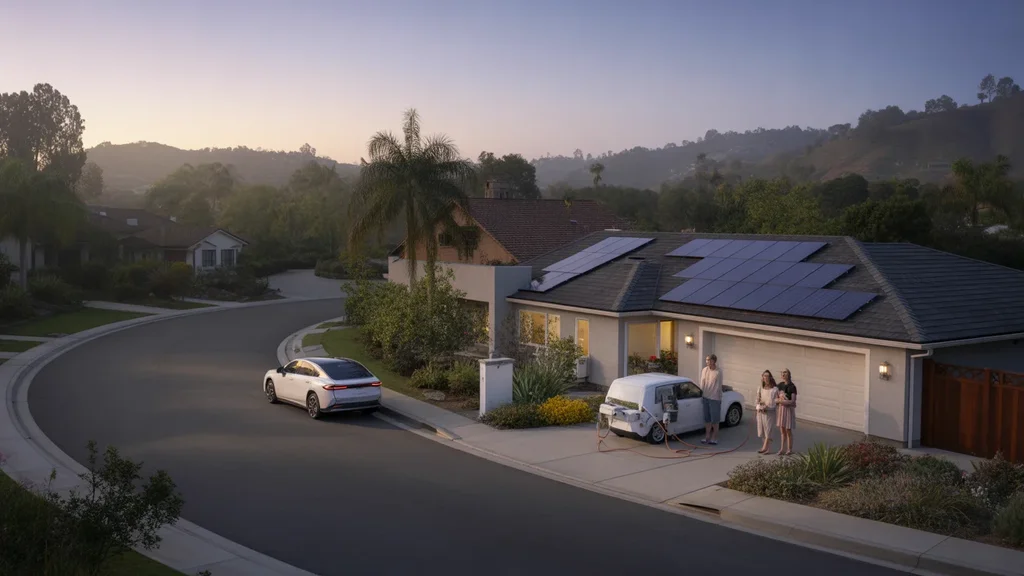
The table below shows how core utility costs typically behave for a mid-size household in a single-family home in Chino Hills. Where city-level prices are available in the data feed, they are shown directly. When exact figures are not provided, categories are described qualitatively to reflect how costs are structured and what drives variability.
| Utility | Cost Structure |
|---|---|
| Electricity | 33.60¢/kWh; usage-sensitive, cooling-driven |
| Water | Tiered pricing; usage-dependent |
| Natural Gas | $21.94/MCF; winter-driven, heating-dependent |
| Trash & Recycling | Bundled with water or HOA in many neighborhoods |
| Total | Seasonal variability driven by electricity and heating |
This table reflects utility cost structure for a mid-size household in a single-family home in Chino Hills during 2026. Where exact figures are not provided in the IndexYard data feed, categories are described directionally to reflect how costs behave rather than a receipt-accurate total.
Electricity is billed per kilowatt-hour at 33.60¢/kWh in Chino Hills, and monthly charges rise sharply during summer when air conditioning runs for extended periods. Homes with older HVAC systems, poor insulation, or west-facing windows face the highest exposure. Even modest efficiency upgrades—like programmable thermostats or attic insulation—can reduce peak-season usage noticeably.
Water in Chino Hills is typically billed on a tiered structure, meaning costs per gallon increase as usage climbs. Households with lawns, pools, or large families often hit higher tiers during dry months. Many neighborhoods bundle water and trash service into a single bill, though pricing varies by provider and zone.
Natural gas is priced at $21.94 per thousand cubic feet (MCF) and is used primarily for heating, water heating, and cooking. Because Chino Hills experiences mild winters, natural gas bills remain relatively low compared to colder regions. Heating exposure is highest in January and February, but even then, usage rarely approaches summer electricity levels.
Trash and recycling service is often bundled with water bills or managed through HOA fees in planned communities. Standalone service, when billed separately, tends to be a fixed monthly charge rather than usage-based. Costs are predictable and typically represent the smallest share of total utility spending.
Electricity is typically the most exposure-sensitive utility in Chino Hills, driven more by climate and home efficiency than by base rates.
How Weather Impacts Utilities in Chino Hills
Chino Hills sits in a warm inland valley where summer temperatures regularly reach triple digits, and the cooling season stretches from May through October. Air conditioning dominates electricity usage during these months, and households without shade trees, reflective roofing, or efficient HVAC systems see the steepest bills. Even homes with modern insulation can experience noticeable spikes when outdoor temperatures stay above 95°F for consecutive days.
Winter in Chino Hills is mild, with rare freezing nights and daytime highs often in the 60s. Natural gas usage rises slightly for heating and hot water, but the exposure is far lower than in regions with extended cold seasons. Many households find their combined utility costs drop by 30–50% between November and March compared to peak summer months, creating a predictable seasonal rhythm that makes budgeting easier once the pattern is understood.
One regional quirk worth noting: Chino Hills benefits from relatively low humidity compared to coastal areas, which means evaporative cooling strategies (like whole-house fans) can be effective during shoulder seasons. However, the inland location also means less marine layer moderation, so summer heat arrives earlier and lingers longer than in nearby coastal communities. This extended exposure makes home efficiency improvements particularly valuable for long-term residents.
How to Save on Utilities in Chino Hills
Reducing utility costs in Chino Hills starts with understanding which expenses are fixed and which respond to behavior or upgrades. Electricity and water are the most controllable categories, while trash and recycling fees are typically flat. Small changes—like shifting laundry and dishwashing to off-peak hours or adjusting thermostat settings by a few degrees—can lower bills without requiring upfront investment.
For households planning longer-term improvements, efficiency upgrades offer the most leverage. Attic insulation, air sealing, and HVAC tune-ups reduce cooling demand directly, while smart thermostats help avoid unnecessary runtime when no one is home. Water savings come from low-flow fixtures, drought-tolerant landscaping, and fixing leaks promptly. Many of these changes also reduce volatility, making bills more predictable across seasons.
- Enroll in time-of-use billing programs if your provider offers them, shifting heavy usage to off-peak hours when rates are lower.
- Consider solar panel installation if your roof has good southern exposure; California’s net metering policies and federal tax credits can improve long-term economics.
- Install a programmable or smart thermostat to avoid cooling an empty home during work hours.
- Plant shade trees on west- and south-facing sides of your home to reduce direct sun exposure and lower indoor temperatures naturally.
- Check for utility provider rebates on energy-efficient appliances, including air conditioners, water heaters, and refrigerators.
- Seal gaps around windows, doors, and ductwork to prevent conditioned air from escaping.
- Switch to LED bulbs throughout the home to reduce electricity usage from lighting.
- Water landscaping early in the morning or late in the evening to minimize evaporation and stay within lower-tier water pricing.
🏆 Tip: Check if your provider in Chino Hills offers rebates for energy-efficient AC units or heating systems. Many utilities provide incentives that cover a portion of upgrade costs, shortening payback periods and reducing long-term exposure to rate increases.
FAQs About Utility Costs in Chino Hills
Why are utility bills so high in Chino Hills during summer? Electricity costs spike during summer because air conditioning runs for extended periods in response to triple-digit heat. Homes with older HVAC systems, poor insulation, or west-facing windows face the highest exposure, and bills can double or triple compared to winter months.
Do HOAs in Chino Hills usually include trash or water in their fees? Many planned communities in Chino Hills bundle trash and sometimes water into HOA fees, but this varies by neighborhood. Homeowners in older subdivisions or rural areas typically pay for these services separately, either directly to the city or through a private provider.
How does seasonal weather affect monthly utility bills in Chino Hills? Summer heat drives electricity costs up sharply due to cooling demand, while mild winters keep natural gas heating costs low. Most households see their highest bills between June and September and their lowest between November and March, with shoulder seasons offering moderate, predictable costs.
Does Chino Hills offer incentives for solar panels or energy-efficient appliances? California provides state-level solar incentives, and federal tax credits remain available for qualifying installations. Many local utility providers also offer rebates for energy-efficient HVAC systems, water heaters, and appliances, though specific programs and eligibility requirements change periodically.
Are trash and recycling billed separately in Chino Hills or included with water service? Billing structure depends on the neighborhood. In many areas, trash and recycling are bundled with water service into a single monthly bill. In others, especially newer developments with HOAs, these costs are included in association fees. Standalone billing is less common but does exist in certain zones.
How Utilities Fit Into the Cost Structure in Chino Hills
Utilities in Chino Hills function as a variable cost layer that sits between fixed housing expenses and discretionary spending. While rent or mortgage payments remain constant, utility bills respond to weather, usage habits, and home efficiency, creating both exposure and opportunity. Electricity dominates seasonal swings, water costs rise with household size and landscaping, and natural gas remains a minor factor due to the region’s mild winters. Together, these categories represent a meaningful share of monthly expenses, but one that households can actively manage through behavior and upgrades.
For families moving to Chino Hills, understanding utility structure helps set realistic expectations and avoid budget surprises. A household accustomed to low summer cooling costs in a coastal city may find Chino Hills electricity bills noticeably higher during peak months. Conversely, those relocating from colder climates often see natural gas heating costs drop significantly. The key is recognizing that utilities here are shaped more by climate exposure and home type than by rate structures alone, and that small efficiency improvements deliver outsized returns in a region with extended cooling seasons.
Because Chino Hills features walkable pockets, corridor-clustered errands, and integrated green space, many households can reduce transportation-related costs by consolidating trips or choosing housing near daily destinations. This doesn’t eliminate car dependency, but it does create opportunities to manage fuel and maintenance expenses alongside utilities. For a complete view of how utilities interact with housing, transportation, and other fixed costs, explore the broader cost structure in Chino Hills to see where trade-offs and leverage points exist across categories.
Ultimately, utility costs in Chino Hills are predictable once you understand the seasonal rhythm and the role of home efficiency. Summer electricity bills will rise, but they’re manageable with the right upgrades and habits. Water and trash costs remain stable and relatively small. Natural gas exposure is minimal. For households willing to invest in insulation, smart thermostats, and shade strategies, utilities become a controllable expense rather than a source of volatility—and that predictability makes budgeting easier across the year.
How this article was built: In addition to public economic data, this article incorporates location-based experiential signals derived from anonymized geographic patterns—such as access density, walkability, and land-use mix—to reflect how day-to-day living actually feels in Chino Hills, CA.