
Understanding how much you’ll spend on utilities in Chicago means looking beyond a single bill—it’s about recognizing how seasonal extremes, home type, and usage patterns shape your monthly exposure throughout the year.
Understanding Utilities in Chicago
When planning a household budget in Chicago, utilities represent a significant and often variable expense that sits just behind housing costs in terms of monthly impact. Unlike rent or a mortgage payment, which remain predictable, utility bills fluctuate with the seasons, your home’s efficiency, and how your household uses energy and water. For families moving to Chicago or renewing a lease, understanding this cost structure is essential to avoiding surprises when the first heating bill arrives in January or the air conditioning runs nonstop in July.
Utility costs in Chicago typically include electricity, natural gas, water, trash collection, and recycling. In single-family homes, these services are usually billed separately, giving households direct control—and direct exposure—to usage and rates. In apartments and condos, some utilities may be bundled into rent or HOA fees, which can simplify budgeting but also obscure the true cost of energy and water consumption. For renters, it’s worth asking upfront which utilities are included and which you’ll pay directly, as this distinction can shift your monthly obligations by hundreds of dollars depending on the season.
Chicago’s climate plays an outsized role in shaping utility expenses. Cold winters demand sustained heating, while warm, humid summers drive up cooling costs. Unlike cities with mild year-round weather, Chicago households face dual seasonal peaks—one in winter, one in summer—that require different energy sources and different planning strategies. Understanding how these forces interact with local rates and your home’s infrastructure is the first step toward managing cost structure effectively.
Utilities at a Glance in Chicago
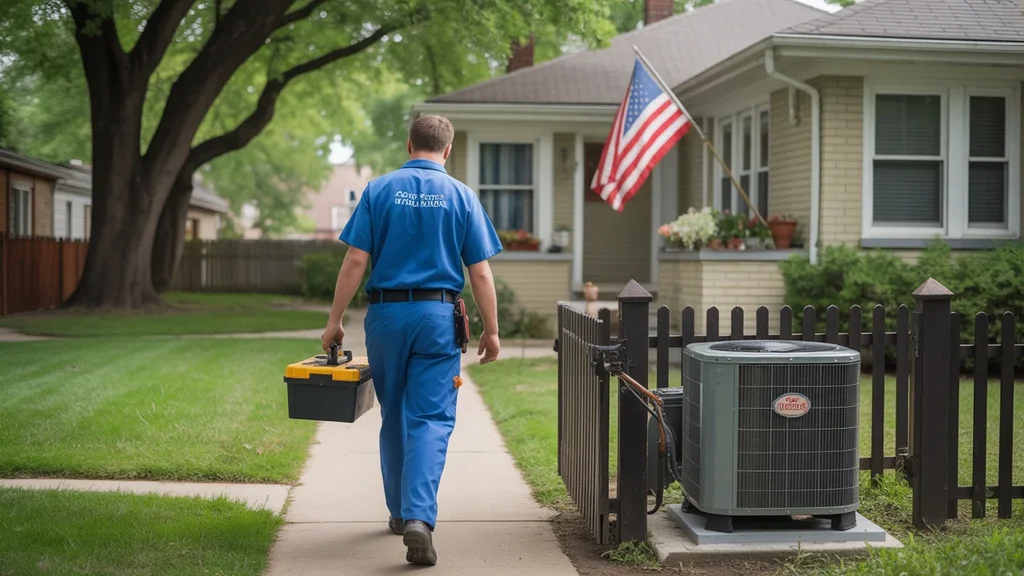
The table below shows how core utility costs typically behave for a mid-size household in a single-family home in Chicago. Where city-level prices are available in the data feed, they are shown directly. When exact figures are not provided, categories are described qualitatively to reflect how costs are structured and what drives variability.
| Utility | Cost Structure |
|---|---|
| Electricity | 18.31¢/kWh; usage-sensitive, cooling-driven in summer |
| Water | Tiered pricing; usage-dependent, billed with sewer |
| Natural Gas | $10.56/MCF; winter-driven, heating-dependent |
| Trash & Recycling | Often bundled with water or HOA; varies by provider |
| Total | Seasonal variability driven by electricity and heating |
This table reflects utility cost structure for a mid-size household in a single-family home in Chicago during 2026. Where exact figures are not provided in the IndexYard data feed, categories are described directionally to reflect how costs behave rather than a receipt-accurate total.
Electricity is billed per kilowatt-hour in Chicago, with rates around 18.31¢/kWh. This makes it the most exposure-sensitive utility, as costs rise sharply during peak cooling months when air conditioning runs continuously. Homes with older HVAC systems, poor insulation, or large square footage face steeper summer bills, while energy-efficient upgrades and programmable thermostats can reduce usage significantly.
Water costs in Chicago are typically structured using tiered pricing, meaning the more you use, the higher your per-unit rate climbs. Water bills are often bundled with sewer and stormwater fees, so the line item labeled “water” may reflect multiple services. Households with irrigation systems, large families, or older plumbing fixtures tend to see higher bills, while low-flow appliances and mindful usage keep costs in check.
Natural gas is the primary heating fuel for most Chicago homes, priced around $10.56 per thousand cubic feet (MCF). Natural gas is typically the most exposure-sensitive utility in Chicago, driven more by winter duration and home efficiency than by base rates. During the coldest months, heating costs can dominate the utility budget, especially in older homes with drafty windows or inadequate insulation. Homes heated with electricity or oil face different cost structures, but gas remains the most common and often the most economical option for Chicago winters.
Trash and recycling services vary widely depending on your location and housing type. In some neighborhoods, trash collection is billed separately by a private hauler; in others, it’s bundled with water service or included in HOA fees. For single-family homes, expect a modest monthly fee, while apartment dwellers often see this cost absorbed into rent or building fees.
How Weather Impacts Utilities in Chicago
Chicago’s climate imposes a dual-season cost structure that sets it apart from cities with milder or more stable weather. Cold winters and warm, humid summers create two distinct peaks in utility spending, each driven by a different energy source and each demanding different household strategies. Understanding this seasonal rhythm is critical to budgeting accurately and avoiding sticker shock when the first extreme-weather bill arrives.
In summer, cooling costs dominate. When temperatures climb and humidity settles in, air conditioning becomes a necessity rather than a luxury, and electricity usage spikes accordingly. Many Chicago households experience noticeably higher electric bills during peak summer compared to spring, as HVAC systems run for hours each day to maintain comfort. Homes with south- or west-facing windows, inadequate shade, or older cooling systems face the steepest increases. Unlike heating, which can be supplemented with layers or space heaters, cooling is harder to avoid when indoor temperatures become unsafe or unbearable.
Winter brings the opposite pressure. Heating costs—primarily natural gas—surge as temperatures drop and furnaces run continuously to keep homes livable. Chicago’s long heating season means this exposure isn’t limited to a few weeks in January; it stretches from late fall through early spring, compounding the financial impact. Homes with poor insulation, older furnaces, or high ceilings lose heat rapidly, forcing systems to work harder and driving up monthly bills. Snow removal, frozen pipes, and the need to keep thermostats higher overnight all add to the winter utility burden, making this the season when many households see their highest annual bills.
One regional quirk worth noting: Chicago’s proximity to Lake Michigan can moderate temperatures slightly in some neighborhoods, but it also contributes to humidity in summer and wind chill in winter, both of which affect how hard HVAC systems must work. Homes closer to the lake may experience different cooling and heating demands than those farther inland, adding another layer of variability to utility costs.
How to Save on Utilities in Chicago
Reducing utility costs in Chicago requires a combination of behavioral adjustments, efficiency upgrades, and strategic use of available programs. Because seasonal extremes drive the majority of utility spending, the most effective savings strategies target heating and cooling directly, focusing on insulation, equipment efficiency, and usage timing. Small changes can reduce exposure significantly, while larger investments in home infrastructure pay off over multiple seasons.
Start with the low-cost adjustments that deliver immediate results. Programmable or smart thermostats allow you to reduce heating and cooling when you’re asleep or away, cutting usage without sacrificing comfort. Sealing drafts around windows and doors, adding weatherstripping, and using window treatments to block summer sun or retain winter heat all reduce the workload on your HVAC system. In summer, ceiling fans and strategic ventilation can make rooms feel cooler without lowering the thermostat, while in winter, closing vents in unused rooms concentrates heat where it’s needed most.
For households ready to invest in efficiency, upgrading to high-efficiency furnaces, air conditioners, or heat pumps can lower energy consumption substantially. Many utility providers in Illinois offer rebates or incentive programs for energy-efficient appliances, making these upgrades more affordable. Solar panel installations are also gaining traction in Chicago, supported by federal tax credits and state-level incentives that reduce upfront costs. While solar won’t eliminate utility bills entirely, it can offset electricity usage during peak summer months, when rates and consumption are both high.
- Enroll in budget billing or equalized payment plans to smooth out seasonal spikes and avoid large winter or summer bills
- Request a home energy audit from your utility provider to identify insulation gaps, air leaks, and inefficient appliances
- Replace incandescent bulbs with LEDs to reduce electricity usage year-round
- Install low-flow showerheads and faucet aerators to cut water usage without sacrificing pressure
- Run dishwashers and washing machines during off-peak hours if your provider offers time-of-use rates
- Plant shade trees on south- and west-facing sides of your home to reduce summer cooling loads naturally
- Check for utility rebates on insulation upgrades, window replacements, and HVAC system improvements
🏆 Tip: Check if your provider in Chicago offers rebates for energy-efficient AC units or heating systems—many programs cover a portion of installation costs, making upgrades more accessible.
FAQs About Utility Costs in Chicago
Why are utility bills so high in Chicago? Chicago’s utility bills reflect the city’s dual-season climate exposure: cold winters demand sustained heating, while warm, humid summers drive up cooling costs. Homes with older insulation, inefficient HVAC systems, or large square footage face higher bills, as do households that don’t adjust usage seasonally. Regional rates are slightly above the national baseline, but the primary driver is weather-related energy demand.
What is the average monthly electric bill for an apartment in Chicago compared to a single-family home? Apartments typically see lower electricity costs than single-family homes because they have smaller square footage, shared walls that provide natural insulation, and often include utilities in rent or HOA fees. Single-family homes bear the full cost of heating and cooling larger spaces, with no shared infrastructure to buffer seasonal extremes. The gap widens in summer and winter, when HVAC usage peaks.
Do HOAs in Chicago usually include trash or water in their fees? Many condos and townhome HOAs in Chicago bundle trash, water, and sometimes sewer into monthly fees, simplifying billing and spreading costs across all units. Single-family home HOAs are less likely to include these services, leaving homeowners responsible for arranging and paying for trash collection and water directly. Always review the HOA disclosure documents to understand what’s covered.
How does seasonal weather affect monthly utility bills in Chicago? Seasonal weather is the dominant force shaping utility costs in Chicago. Winter heating bills—primarily natural gas—surge during the coldest months, while summer electricity bills spike when air conditioning runs continuously. Spring and fall offer brief relief, with moderate temperatures reducing both heating and cooling demand. Households that don’t budget for these swings often face financial strain during peak months.
Do utility providers in Chicago offer budget billing or equalized payment plans? Yes, most major utility providers in the Chicago area offer budget billing programs that average your annual usage into equal monthly payments, smoothing out the seasonal peaks and valleys. This doesn’t reduce your total cost, but it makes budgeting more predictable and helps avoid large winter or summer bills that strain cash flow. Enrollment is typically free and can be adjusted annually based on actual usage.
How Utilities Fit Into the Cost Structure in Chicago
Utilities in Chicago function as a cost driver and a volatility factor, not a fixed line item. Unlike rent or a mortgage, which remain stable month to month, utility bills fluctuate with the seasons, your home’s efficiency, and how your household uses energy and water. This variability makes utilities one of the harder expenses to predict, but also one of the more controllable—households that invest in efficiency, adjust usage seasonally, and take advantage of available programs can reduce exposure significantly.
The primary cost drivers are clear: electricity dominates in summer, natural gas dominates in winter, and both are shaped by Chicago’s climate extremes. Water and trash costs are secondary but still meaningful, especially for larger households or homes with irrigation systems. Together, these services represent a substantial share of monthly expenses, sitting just behind housing in terms of financial impact. For families planning a move to Chicago or evaluating whether to rent or buy, understanding how utilities behave—and how much control you have over them—is essential to building a realistic budget.
Utilities also interact with housing decisions in ways that aren’t always obvious upfront. A cheaper apartment with electric-only heating may cost more to live in than a slightly pricier unit with natural gas. A single-family home with poor insulation may deliver lower rent but higher utility bills, erasing the savings. These tradeoffs require careful evaluation, especially in a city where seasonal swings can double or triple certain bills during peak months. The goal isn’t to eliminate utility costs—that’s impossible—but to understand how they behave, what drives them, and where you have leverage to reduce exposure.
For a complete picture of how utilities fit into your household budget alongside housing, transportation, and other essentials, explore IndexYard’s cost structure resources for Chicago. These tools provide the context you need to plan confidently, avoid surprises, and make decisions that align with your financial priorities.
How this article was built: In addition to public economic data, this article incorporates location-based experiential signals derived from anonymized geographic patterns—such as access density, walkability, and land-use mix—to reflect how day-to-day living actually feels in Chicago, IL.