
Is Chester expensive to live in? Chester is considered relatively affordable in 2026, with a median home value of $80,800 and median rent of $996 per month. The value proposition depends on housing entry cost versus transportation access—rail transit is present, but daily errands cluster along corridors rather than being broadly accessible throughout the city.
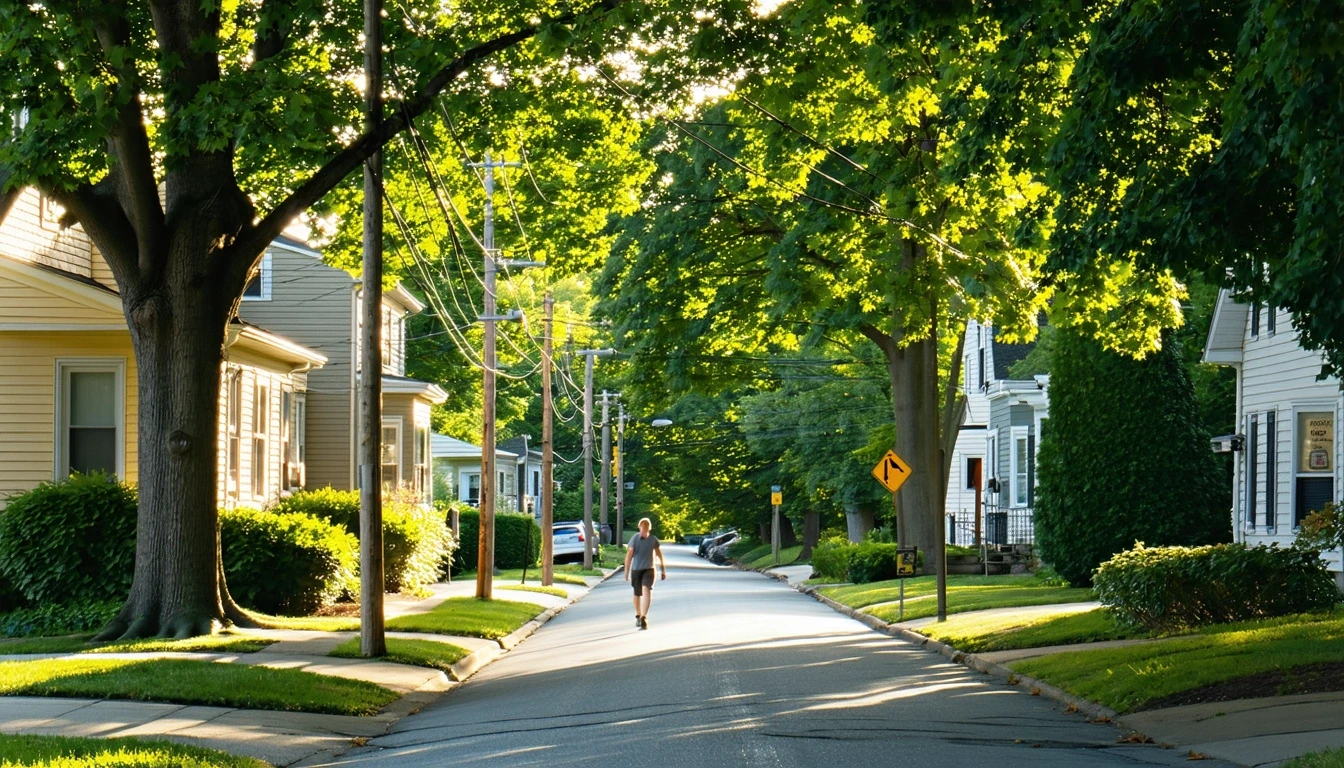
Overall Cost of Living Snapshot
Is the true cost of living higher than you think? Chester’s cost structure reflects a city where housing entry barriers are low, but recurring expenses—particularly transportation and utilities—create variable pressure depending on household logistics. The regional price parity index of 104 indicates costs run slightly above the national baseline, but this modest premium is dwarfed by the gap between Chester’s housing prices and those in the broader Philadelphia metro area.
The primary cost driver here is housing accessibility: both ownership and rental entry points sit well below regional comparisons, creating opportunity for households willing to navigate the city’s infrastructure tradeoffs. Transportation emerges as the secondary pressure point, shaped not by fuel costs alone but by how daily errands and work commutes interact with the city’s mixed mobility texture. Utilities introduce seasonal volatility, with electricity rates of 20.17¢/kWh and natural gas priced at $15.31/MCF creating exposure during heating and cooling months.
What surprises newcomers is the presence of rail transit in a city with such low housing costs—a combination that typically signals either gentrification pressure or legacy infrastructure. Here, it’s the latter: rail service exists, but daily errands remain corridor-clustered rather than broadly accessible, meaning where people live within Chester significantly affects convenience and time costs.
Driver verdict: Housing dominates the affordability equation, but transportation structure—not just gas prices—determines whether Chester’s low entry cost translates into long-term value or hidden friction.
Housing Costs (Primary Driver)
Chester’s housing market offers both ownership and rental options at price points that remove the initial barrier facing many households in the Philadelphia metro. The median home value of $80,800 represents one of the lowest ownership entry costs in the region, while the median gross rent of $996 per month positions rental housing as accessible for moderate-income households.
The renting versus owning calculus here hinges on stability expectations and maintenance capacity. Ownership at this price point often means older housing stock with deferred maintenance risk, but it also means principal paydown and fixed housing costs in a market where rental increases remain a recurring exposure. Renting offers flexibility and shifts maintenance burden to landlords, but it leaves households exposed to lease renewal volatility in a city where rental supply is corridor-clustered rather than evenly distributed.
Chester functions as a transitional city—a place where low entry costs attract households building equity or seeking temporary affordability, but where long-term cost exposure depends heavily on transportation access and household logistics. The strong family infrastructure (high school density, moderate playground availability) supports households with children, but the mixed mobility texture means some neighborhoods require car dependency while others offer walkable access to schools and parks.
| Housing Type | Cost Anchor | What That Buys You |
|---|---|---|
| Ownership | $80,800 median home value | Low entry cost, equity building, fixed principal, maintenance responsibility, older stock likely |
| Rental | $996/month median rent | Flexibility, maintenance offloaded, lease renewal exposure, location-dependent access to errands |
Utilities & Energy Risk
Electricity in Chester runs 20.17¢/kWh, a rate that sits above national averages and creates meaningful exposure during summer cooling months. The region experiences cold winters and warm, humid summers—conditions that drive both heating and cooling demand across the year. Natural gas priced at $15.31/MCF introduces volatility during heating season, particularly for households in older homes with less efficient building envelopes.
The risk here is moderate: utility costs won’t dominate household budgets in the way housing or transportation might, but seasonal swings create cash-flow pressure during extreme weather months. Households in older housing stock face higher exposure due to insulation gaps, air leakage, and aging HVAC systems. Renters often lack control over efficiency upgrades, leaving them vulnerable to both rate increases and weather-driven usage spikes.
The current temperature of 26°F (feels like 22°F) illustrates the kind of heating exposure Chester households face during winter months—sustained cold periods drive natural gas consumption, and rate volatility can amplify costs unpredictably. Utility seasonality is a bigger swing factor than day-to-day prices, meaning households need cash reserves or budget flexibility to absorb winter and summer peaks.
Groceries & Daily Costs
Grocery costs in Chester reflect the regional price parity index of 104, indicating modest upward pressure compared to the national baseline. Daily errands accessibility is corridor-clustered, meaning households closer to commercial corridors experience lower time and convenience costs, while those in residential pockets face longer trips or reliance on smaller, often higher-priced neighborhood stores.
This structure creates a hidden cost gradient: two households with identical incomes may experience different grocery pressure depending on proximity to supermarkets and the transportation required to reach them. The presence of rail transit offers some relief for households near stations, but the medium confidence in food density and high grocery density along corridors suggests that access inequality persists within the city.
The practical impact is that grocery costs aren’t uniformly distributed—location within Chester matters as much as the price of individual items. Households with reliable vehicle access and time flexibility can optimize for lower prices; those without face either higher per-item costs or increased transportation expenses to reach better options.
Transportation Reality
Transportation in Chester operates on two tracks: rail transit exists and provides a meaningful alternative for work commutes and regional access, but daily errands and local mobility remain car-dependent for most households due to the corridor-clustered structure of food and service establishments. The mixed mobility texture—moderate pedestrian infrastructure in some areas, low bike infrastructure overall—means walking or cycling works only in limited pockets.
Gas prices of $3.13/gallon create baseline fuel exposure, but the real transportation cost comes from vehicle ownership itself: insurance, maintenance, registration, and depreciation. Households able to use rail for work commutes can reduce vehicle dependency, but those requiring cars for both commuting and errands face compounding costs. The unemployment rate of 3.5% suggests a tight labor market, but the absence of commute time data leaves open the question of how far residents typically travel for work.
The structural reality is that getting around Chester efficiently requires either proximity to rail stations and commercial corridors, or acceptance of full car dependency. Households without vehicles face time penalties and limited access to the city’s integrated green space and strong family infrastructure, both of which are geographically distributed rather than universally accessible.
Cost Exposure Profiles
Cost exposure in Chester varies dramatically based on housing tenure, transportation structure, and location within the city. The dominant exposures are:
Housing entry versus long-term ownership: Low purchase prices reduce initial barriers but increase maintenance and upgrade risk. Renters avoid capital expenses but face lease renewal volatility and limited control over utility efficiency.
Transportation dependence: Households near rail stations and commercial corridors experience lower transportation costs and time burdens. Those in residential pockets face either long car commutes, multiple daily vehicle trips for errands, or both. Vehicle ownership becomes a recurring fixed cost that rivals or exceeds rental housing for some households.
Utility volatility: Seasonal heating and cooling demand creates predictable but variable cash-flow pressure. Older housing stock amplifies exposure, while renters lack control over efficiency improvements that could stabilize costs.
Low-exposure situations: Homeowners near rail stations with short or transit-accessible commutes, moderate utility needs, and proximity to commercial corridors experience Chester’s affordability as durable and structural. Fixed housing costs, reduced vehicle dependency, and access to the city’s integrated parks and strong school infrastructure create a stable cost base.
High-exposure situations: Renters in residential pockets with long car commutes, high heating or cooling needs, and distance from grocery corridors face compounding pressures. Lease renewals, fuel costs, vehicle maintenance, and seasonal utility spikes create overlapping volatility that erodes the benefit of low nominal rent.
The city’s median household income of $39,193 per year provides context for these exposures but does not determine who can or cannot afford Chester. Instead, it highlights that cost structure—not just cost level—determines financial sustainability. Households able to minimize transportation and utility exposure through location and housing choice can build stability; those facing multiple high-exposure categories experience Chester as financially precarious despite low headline housing costs.
Frequently Asked Questions
Is Chester more affordable than nearby Philadelphia suburbs in 2026? Yes, Chester’s median home value of $80,800 and median rent of $996/month sit well below most Philadelphia-area suburbs, though this affordability comes with tradeoffs in transportation access and errands convenience depending on neighborhood.
What does a typical cost profile look like in Chester? Housing costs remain low, but transportation and utilities create variable pressure—households near rail and commercial corridors experience lower recurring costs than those in residential pockets requiring full car dependency.
Do utilities cost more in Chester than in other Pennsylvania cities? Electricity at 20.17¢/kWh runs above state averages, and natural gas at $15.31/MCF introduces seasonal volatility, making utility exposure moderate rather than negligible.
What costs tend to surprise newcomers in Chester? The corridor-clustered structure of errands and services means location within the city dramatically affects convenience and time costs, even though housing entry prices are uniformly low.
Are property taxes higher in Chester than in surrounding areas? Property tax rates vary by municipality and aren’t provided in available data, but Chester’s low home values mean absolute tax bills may be lower even if rates are comparable or slightly higher than nearby towns.
Is car ownership necessary in Chester? Rail transit exists and serves regional commutes, but daily errands and local mobility generally require a vehicle except in limited walkable pockets near commercial corridors.
How does Chester’s cost structure affect families? Strong family infrastructure (high school density, moderate playground access, integrated parks) supports households with children, but transportation logistics and errands accessibility vary significantly by neighborhood.
Does Chester’s low cost of living indicate declining conditions? Low housing costs reflect legacy infrastructure and economic history rather than active decline—rail transit, strong schools, and integrated green space suggest structural assets that don’t align with typical distressed-city patterns.
How this article was built: In addition to public economic data, this article incorporates location-based experiential signals derived from anonymized geographic patterns—such as access density, walkability, and land-use mix—to reflect how day-to-day living actually feels in Chester, PA.