

Chester, Pennsylvania and Wilmington, Delaware sit just 15 miles apart in the Philadelphia metropolitan region, connected by I-95 and regional rail service. Both cities offer access to the broader metro economy while maintaining distinct identities—Chester as a smaller Pennsylvania city with evolving neighborhoods, Wilmington as Delaware’s largest city and a regional employment hub. For households weighing a move between these two places in 2026, the decision hinges less on geography and more on how different cost structures interact with daily life. Housing entry barriers, utility exposure, transportation patterns, and healthcare access all behave differently depending on which side of the state line you choose.
The comparison matters because these cities attract overlapping household types: young professionals seeking rail access to Philadelphia, families prioritizing school infrastructure and park access, and cost-conscious renters navigating the broader metro’s housing market. Both cities show strong family infrastructure, integrated green space, and rail transit availability, yet the cost structure beneath those similarities diverges in meaningful ways. Chester presents lower housing entry costs but higher electricity rates; Wilmington offers more walkable pockets and hospital access but steeper rent and home prices. Understanding where cost pressure concentrates—and which households feel it most—requires looking beyond averages to examine how expenses interact with lifestyle needs, commute patterns, and household composition.
This article breaks down housing, utilities, groceries, transportation, taxes, and lifestyle fit to explain how the same income feels different in Chester versus Wilmington. It does not declare one city universally cheaper or calculate total monthly costs. Instead, it explains which cost drivers dominate in each place, which households are most exposed to specific pressures, and how structural differences shape day-to-day financial decisions for renters, homeowners, singles, couples, and families in 2026.
Housing Costs
Housing represents the most visible cost difference between Chester and Wilmington, and it shows up in both rental and ownership markets. Chester’s median gross rent sits at $996 per month, while Wilmington’s reaches $1,157 per month. For renters, this gap affects monthly cash flow directly, particularly for single adults and young couples managing tight budgets. The difference compounds over a year, but more importantly, it changes what’s accessible within each city’s rental stock. Chester’s lower rent baseline opens access to standalone units, small multifamily buildings, and neighborhoods that might otherwise require roommates or longer commutes in Wilmington. Wilmington’s higher rent reflects tighter inventory in walkable pockets and proximity to downtown employment, where pedestrian infrastructure exceeds what’s typical in Chester’s mixed-texture streetscape.
For homebuyers, the entry barrier diverges even more sharply. Chester’s median home value stands at $80,800, while Wilmington’s reaches $203,600. This isn’t a small difference in down payment math—it fundamentally changes who can enter the ownership market and what kind of property becomes attainable. In Chester, households with modest savings and stable income can access single-family homes, rowhouses, and properties with yards, often without stretching into high-ratio mortgages. Wilmington’s higher home values push many first-time buyers toward condos, townhouses, or properties requiring renovation, or they delay ownership altogether while continuing to rent. The gap also affects property tax exposure, insurance premiums, and maintenance reserves, all of which scale with home value even when tax rates and fee structures remain similar.
The housing stock in each city reinforces these cost patterns in different ways. Chester’s inventory includes older housing stock with lower acquisition costs but potentially higher ongoing maintenance and utility exposure, particularly in homes with aging HVAC systems or insufficient insulation. Wilmington’s higher-priced homes often reflect newer construction, recent updates, or locations in neighborhoods with denser amenities and shorter walking distances to groceries, pharmacies, and transit stops. Both cities show mixed building height character and mixed residential-commercial land use, meaning neither is purely suburban nor purely urban. But Wilmington’s walkable pockets create localized demand that keeps prices elevated even in less central areas, while Chester’s moderate pedestrian infrastructure spreads demand more evenly across neighborhoods, keeping entry costs lower across the board.
| Housing Type | Chester | Wilmington |
|---|---|---|
| Median Gross Rent | $996/month | $1,157/month |
| Median Home Value | $80,800 | $203,600 |
These differences matter most for households at different life stages. Renters prioritizing low monthly obligations and flexibility may find Chester’s rental market easier to navigate, especially if they’re willing to rely on a car for errands and don’t need immediate walkable access to retail corridors. First-time homebuyers with limited savings face a much lower barrier in Chester, where down payments, closing costs, and monthly mortgage obligations remain manageable even on modest dual incomes. Families seeking space—yards, extra bedrooms, separation from neighbors—often find Chester’s housing stock more accommodating at accessible price points. Wilmington, by contrast, fits households prioritizing walkability, proximity to hospital services, and neighborhoods where daily errands require less driving. Its higher housing costs reflect that convenience, but they also mean renters and buyers must allocate more of their budget to housing before addressing other expenses.
Housing takeaway: Chester’s lower entry costs reduce front-loaded financial pressure for renters and buyers, making it easier to access housing without stretching budgets or delaying ownership. Wilmington’s higher costs reflect denser amenities and walkable pockets, fitting households that value proximity and can absorb elevated monthly obligations. The decision depends on whether a household prioritizes minimizing housing expense or maximizing access to pedestrian-friendly infrastructure and hospital services.
Utilities and Energy Costs
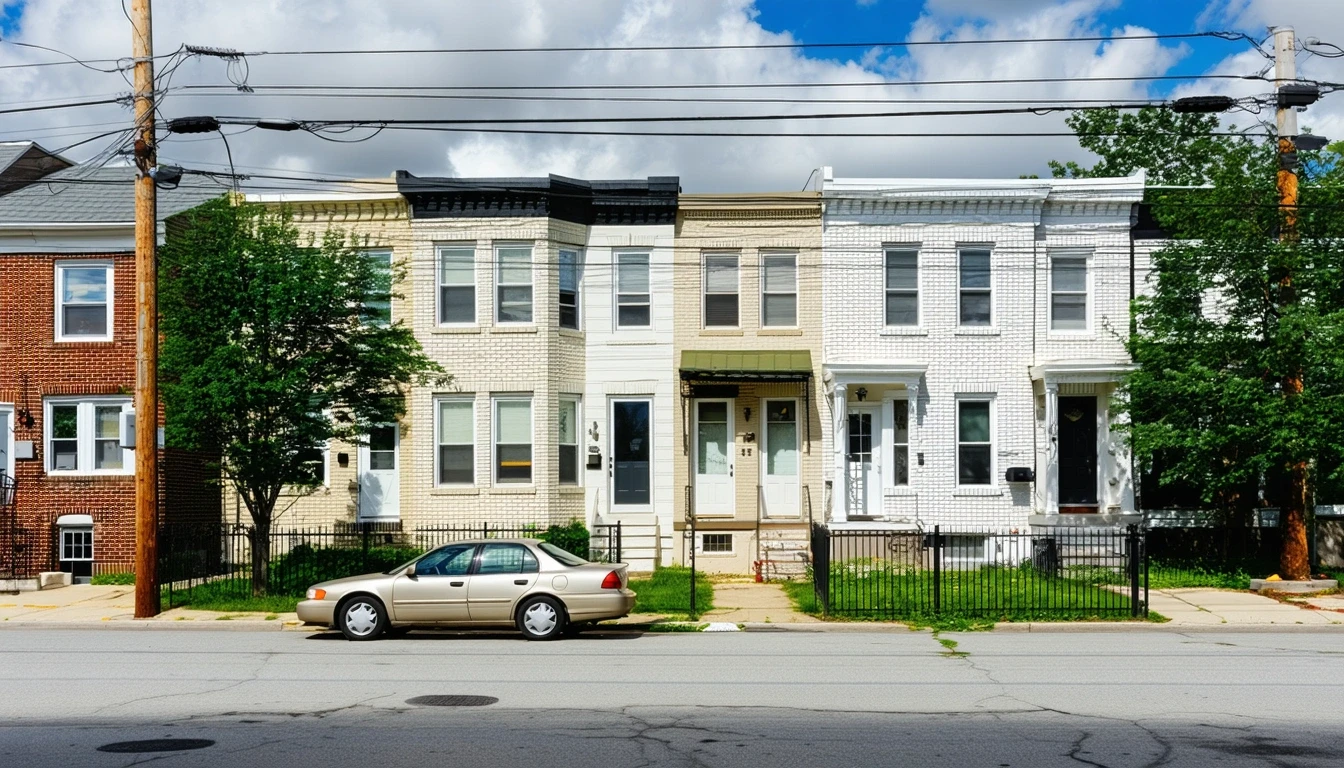
Utility costs in Chester and Wilmington follow different exposure patterns despite the cities’ close proximity and similar Mid-Atlantic climate. Both experience cold winters requiring heating and warm, humid summers demanding air conditioning, but the rates households pay and the predictability of those bills vary by city. Chester’s electricity rate sits at 20.17¢ per kWh, while Wilmington’s is 18.81¢ per kWh. For natural gas, the pattern reverses: Chester pays $15.31 per MCF, while Wilmington pays $18.84 per MCF. These rate differences don’t determine total utility costs on their own—household size, home age, insulation quality, and heating system type all matter—but they do shape which season creates the most financial pressure and how predictable monthly bills feel across the year.
Electricity rate differences show up most clearly during summer cooling months, when air conditioning drives usage higher. Chester’s higher per-kilowatt-hour rate means households running central air or multiple window units face steeper bills during heat waves, particularly in older homes with poor insulation or single-pane windows. Apartments and smaller units with less square footage to cool experience less exposure, but single-family homes in Chester can see noticeable spikes in July and August. Wilmington’s lower electricity rate reduces that summer volatility slightly, though the benefit depends on housing type and cooling habits. Households in Wilmington’s walkable pockets, where mixed building heights and tree cover provide some shade, may experience less cooling demand than those in more exposed single-family neighborhoods.
Natural gas costs behave differently, concentrating exposure in winter heating months. Wilmington’s higher natural gas price increases heating bills for households relying on gas furnaces, particularly in older homes where ductwork leaks or insulation has degraded. Chester’s lower gas rate provides some relief during cold snaps, but the advantage matters most for larger homes with high heating demands. Apartments and townhouses, which share walls and benefit from neighbors’ heating, feel less impact from gas rate differences regardless of city. The interaction between housing stock and utility rates creates uneven exposure: a drafty single-family home in Wilmington faces higher heating costs than a comparable home in Chester, while a well-insulated apartment in either city keeps utility bills relatively stable year-round.
Household size and home age amplify these differences. Single adults in small apartments experience minimal utility volatility in either city, with electricity and gas bills remaining predictable and manageable even during seasonal peaks. Couples in newer construction—whether renting or owning—benefit from better insulation, efficient HVAC systems, and lower baseline usage, reducing the impact of rate differences. Families in older single-family homes face the highest exposure, particularly if they’re heating or cooling multiple bedrooms, running appliances throughout the day, and managing higher water heating demands. In Chester, summer electricity bills create the steepest spikes; in Wilmington, winter gas bills dominate the volatility.
Utility takeaway: Chester’s higher electricity rate increases summer cooling exposure, especially for families in older single-family homes, while its lower natural gas rate provides some winter heating relief. Wilmington’s lower electricity rate reduces summer volatility, but its higher gas price increases winter heating costs for households relying on gas furnaces. The city that feels more predictable depends on housing type, home age, and which season dominates a household’s energy usage.
Groceries and Daily Expenses
Grocery and everyday spending pressure in Chester and Wilmington reflects less about price differences and more about access patterns, shopping habits, and how households navigate each city’s retail landscape. Both cities show corridor-clustered food and grocery access, meaning stores concentrate along specific commercial strips rather than spreading evenly across neighborhoods. Chester shows high grocery density in certain areas, while food establishment density remains moderate. Wilmington’s food and grocery density both sit in the medium band, indicating more balanced but less concentrated access. These patterns shape how often households drive to shop, whether they can comparison-shop easily, and how much convenience spending creeps into weekly routines.
In Chester, high grocery density along key corridors means households living near those strips can access supermarkets, discount grocers, and ethnic food stores without long drives. But neighborhoods farther from those corridors require more intentional trip planning, and the moderate density of prepared food options—restaurants, cafes, takeout spots—means households relying on convenience meals may find fewer choices within walking distance. This structure favors households that batch grocery trips, cook at home frequently, and don’t mind driving to access variety. Single adults and couples who eat out often or prefer walkable access to coffee shops and casual dining may find Chester’s layout less accommodating, requiring either longer drives or settling for limited nearby options.
Wilmington’s more balanced food and grocery density creates a different friction profile. Medium-density grocery access means most neighborhoods have at least one supermarket within a reasonable drive, but the lack of high-density clusters reduces the ability to comparison-shop or access specialty stores without crossing town. Medium food establishment density provides more prepared food options than Chester, particularly in Wilmington’s walkable pockets where cafes, sandwich shops, and casual dining concentrate near mixed-use corridors. This setup fits households that value convenience and are willing to pay slightly more for proximity, but it also increases the risk of convenience spending creep—grabbing coffee daily, ordering takeout when tired, or dining out more frequently because options are visible and accessible.
Price sensitivity varies by household type and shopping strategy. Single adults managing smaller grocery volumes feel less pressure from price differences, but they’re more exposed to convenience spending if they live in areas with dense prepared food options. Couples with flexible schedules can optimize around sales, bulk buying, and meal planning, reducing overall grocery pressure in either city. Families managing larger volumes—weekly grocery hauls, school lunches, snacks, household staples—feel the most pressure from both prices and access. In Chester, families benefit from high grocery density in key areas but must plan trips carefully to avoid multiple stops. In Wilmington, families gain more consistent access across neighborhoods but face higher exposure to convenience spending if prepared food options tempt them away from home cooking.
Grocery takeaway: Chester’s high grocery density in specific corridors benefits households that plan trips and cook at home, but moderate food establishment density limits convenience options. Wilmington’s balanced food and grocery access reduces trip planning friction but increases convenience spending exposure, particularly for households in walkable pockets. The city that feels more affordable depends on whether a household prioritizes low grocery prices and bulk shopping or values proximity and prepared food access.
Taxes and Fees
Taxes and recurring fees shape long-term cost exposure differently in Chester and Wilmington, even though both cities sit in the same regional economy and face similar state-level tax structures. Pennsylvania and Delaware diverge in how they fund local services, how property taxes scale with home values, and what fees households encounter beyond the tax bill. These differences don’t always show up in monthly budgets as dramatically as rent or utilities, but they compound over years of residency and affect financial predictability, especially for homeowners planning to stay long-term.
Property taxes represent the most significant ongoing tax obligation for homeowners in both cities, and they scale with assessed home values. Chester’s lower median home value of $80,800 results in lower absolute property tax bills compared to Wilmington’s $203,600 median, even if effective tax rates remain similar. Pennsylvania’s property tax structure relies heavily on local millage rates set by municipalities and school districts, meaning Chester homeowners face obligations determined by local funding needs for schools, infrastructure, and services. Delaware’s property tax system also depends on assessed values and local rates, but the state’s lack of a sales tax shifts some revenue burden onto property taxes and other fees. For homeowners, this means Wilmington’s higher home values translate into steeper annual tax bills, increasing the ongoing cost of ownership beyond mortgage payments.
Sales tax differences create another layer of divergence. Pennsylvania charges a state sales tax on most goods, while Delaware famously has no sales tax. This affects daily spending on clothing, electronics, household goods, and other taxable items, making Wilmington more attractive for households that make frequent retail purchases or big-ticket buys. The savings accumulate over time, particularly for families outfitting homes, replacing appliances, or buying seasonal clothing for kids. However, the absence of sales tax in Delaware doesn’t eliminate revenue needs—it shifts them onto property taxes, fees, and other mechanisms, meaning homeowners in Wilmington may face higher ongoing obligations even as they save on retail purchases.
Recurring fees—trash collection, water and sewer, parking permits, HOA dues—vary by neighborhood and housing type in both cities. Chester’s fee structure depends on whether households live in areas with municipal services or private arrangements, and older housing stock sometimes requires separate billing for water, sewer, and trash. Wilmington’s fee landscape includes similar variability, but some neighborhoods with denser development and mixed-use corridors include fees bundled into HOA or condo association dues. Renters in both cities typically see these fees rolled into rent, but homeowners must budget for them separately, and the predictability of those fees depends on local service contracts and infrastructure age.
Tax and fee takeaway: Chester’s lower home values reduce property tax exposure for homeowners, but Pennsylvania’s sales tax increases the cost of retail purchases. Wilmington’s higher home values elevate property tax bills, but Delaware’s lack of sales tax provides ongoing savings on goods. Homeowners planning to stay long-term face more predictable obligations in Chester if they prioritize lower property taxes, while Wilmington fits households that make frequent retail purchases and value sales tax savings.
Transportation & Commute Reality
Transportation costs and commute patterns in Chester and Wilmington reflect both the cities’ rail connectivity to Philadelphia and their internal mobility structures. Both cities have rail service, providing access to regional employment without requiring long highway commutes. But how households move within each city—whether they can walk to errands, rely on transit for local trips, or depend on cars for nearly everything—shapes transportation pressure in different ways. Chester shows moderate pedestrian infrastructure that supports both walking and driving, while Wilmington’s walkable pockets provide more substantial pedestrian infrastructure in certain neighborhoods. These differences affect how often households drive, how much they spend on gas and parking, and how much time they lose to transportation logistics.
Wilmington’s average commute time sits at 22 minutes, with 7.0% of workers working from home and 25.8% facing long commutes. These figures suggest a mix of local employment, regional rail commuters, and some households traveling longer distances for work. Chester lacks comparable commute data in the available feed, but its rail access and proximity to I-95 suggest similar regional connectivity. The key difference lies in internal mobility: Wilmington’s walkable pockets reduce the need for short car trips to groceries, pharmacies, and casual dining in certain neighborhoods, while Chester’s mixed pedestrian infrastructure means most households rely on cars for errands even if they take the train to work.
Gas prices add another layer of differentiation. Chester’s gas price stands at $3.13 per gallon, while Wilmington’s sits at $2.88 per gallon. For households driving frequently—whether for work, errands, or family logistics—Wilmington’s lower gas price reduces weekly fuel costs, particularly for families managing multiple trips daily. Chester’s higher gas price increases exposure for car-dependent households, especially those commuting by car rather than rail or those living in neighborhoods where walking to errands isn’t practical. The difference compounds over months for households driving long distances, but it matters less for those using rail for work commutes and limiting car use to weekends and occasional trips.
The interaction between walkability and car dependence shapes transportation costs more than gas prices alone. In Wilmington’s walkable pockets, households can reduce car trips for daily errands, lowering fuel costs, parking expenses, and vehicle wear. Chester’s moderate pedestrian infrastructure means most households drive for groceries, pharmacy runs, and other routine errands, even if they live near rail stations. Both cities’ corridor-clustered grocery access requires some trip planning, but Wilmington’s denser food establishment options in walkable areas provide more flexibility for households willing to walk short distances. Families managing school drop-offs, extracurricular activities, and weekend errands face similar car dependence in both cities, but Wilmington’s lower gas price and walkable pockets provide slightly more relief.
Transportation takeaway: Wilmington’s lower gas price and walkable pockets reduce transportation costs for households that can limit car use, particularly those living in pedestrian-friendly neighborhoods. Chester’s higher gas price increases exposure for car-dependent households, though its moderate pedestrian infrastructure still supports some walking. The city that feels more affordable depends on whether a household can leverage rail and walkability or relies on driving for most trips.
Cost Structure Comparison
The cost differences between Chester and Wilmington concentrate in housing entry barriers, utility exposure patterns, and transportation logistics rather than spreading evenly across all categories. Housing dominates the cost experience in both cities, but it does so differently: Chester’s lower rent and home values reduce the front-loaded financial pressure of securing a place to live, while Wilmington’s higher costs reflect proximity to walkable corridors and hospital access. For renters and first-time buyers, Chester’s housing market opens doors that remain closed in Wilmington without significant savings or dual incomes. For households prioritizing walkability and medical access, Wilmington’s higher housing costs buy tangible daily convenience that Chester’s moderate pedestrian infrastructure can’t replicate.
Utilities introduce more volatility in Chester during summer months due to higher electricity rates, while Wilmington’s higher natural gas prices increase winter heating exposure. These differences matter most for families in older single-family homes, where poor insulation and aging HVAC systems amplify seasonal spikes. Apartments and newer construction in either city keep utility bills more predictable, reducing the impact of rate differences. The key insight isn’t that one city has cheaper utilities overall—it’s that the season of maximum exposure shifts depending on which rate dominates a household’s usage pattern.
Transportation patterns matter more in Wilmington, where walkable pockets and lower gas prices provide relief for households that can reduce car dependence. Chester’s higher gas price and moderate pedestrian infrastructure mean most households drive frequently, increasing fuel costs and time spent managing logistics. But for households already committed to car ownership—families with kids, workers commuting by car, or those living in neighborhoods far from rail—the gas price difference represents a manageable ongoing expense rather than a structural barrier. Wilmington’s walkable pockets benefit households willing to prioritize proximity over space, while Chester’s layout fits those who accept driving as part of daily life in exchange for lower housing costs.
Grocery and daily spending pressure remains similar in both cities, with corridor-clustered access requiring some trip planning and convenience spending creep posing risks in Wilmington’s denser food establishment areas. Taxes and fees diverge in predictable ways: Chester’s lower property taxes benefit homeowners with lower-value properties, while Wilmington’s lack of sales tax provides ongoing savings on retail purchases. Neither city offers a universal cost advantage—each concentrates pressure in different categories, and the better fit depends on which costs dominate a household’s budget and which tradeoffs align with their priorities.
Households sensitive to housing entry costs may prefer Chester, where lower rent and home values reduce the financial barrier to securing stable housing. Households sensitive to walkability and hospital access may prefer Wilmington, where higher housing costs buy proximity and pedestrian infrastructure. For households sensitive to utility volatility, the choice depends on housing type and which season drives higher usage. For households sensitive to transportation costs, Wilmington’s lower gas prices and walkable pockets provide more relief, but only if the household can leverage those features rather than defaulting to car dependence.
How the Same Income Feels in Chester vs Wilmington
Single Adult
For a single adult, housing becomes the non-negotiable cost first, and Chester’s lower rent provides immediate breathing room compared to Wilmington’s tighter rental market. Flexibility exists in grocery spending, transportation choices, and discretionary purchases, but Wilmington’s walkable pockets and denser food establishment options increase the risk of convenience spending creep—grabbing coffee daily, ordering takeout frequently, or dining out because options are visible and accessible. Chester’s moderate pedestrian infrastructure and higher gas price push single adults toward more intentional trip planning, reducing spontaneous spending but requiring more time spent driving. The same income feels more flexible in Chester if the household prioritizes low fixed costs, but it feels more convenient in Wilmington if walkability and proximity matter more than monthly savings.
Dual-Income Couple
For a dual-income couple, housing entry costs in Chester open the door to ownership or larger rental units without stretching budgets, while Wilmington’s higher costs delay ownership or require settling for smaller spaces. Flexibility exists in managing utility exposure through efficient habits, optimizing grocery trips, and choosing whether to rely on rail or drive for work commutes. Wilmington’s lower gas price and walkable pockets reduce transportation friction for couples living in pedestrian-friendly neighborhoods, but Chester’s lower property taxes and rent provide more room to save for long-term goals. The same income feels more stable in Chester if the couple prioritizes building equity and minimizing fixed obligations, but it feels more integrated in Wilmington if they value walkability and hospital access over space.
Family with Kids
For a family with kids, housing space and school access become non-negotiable first, and Chester’s lower home values make single-family homes with yards more attainable without high-ratio mortgages. Flexibility disappears quickly in categories like groceries, utilities, and transportation, where larger households drive higher usage and more frequent trips. Wilmington’s higher housing costs and property taxes increase front-loaded and ongoing obligations, but its hospital access and walkable pockets reduce some logistics friction for families managing medical appointments and errands. Chester’s strong family infrastructure—high school density and integrated parks—provides similar amenities at lower entry costs, but families must accept more car dependence and higher summer electricity exposure. The same income feels more stretched in Wilmington if the family prioritizes space and low fixed costs, but it feels more convenient in Wilmington if they value walkability and hospital proximity over housing affordability.
Decision Matrix: Which City Fits Which Household?
| Decision factor | If you’re sensitive to this… | Chester tends to fit when… | Wilmington tends to fit when… |
|---|---|---|---|
| Housing entry + space needs | You need to minimize upfront costs or secure more space without stretching your budget | You prioritize low rent or home values and can accept moderate pedestrian infrastructure | You value walkable pockets and hospital access enough to absorb higher monthly housing obligations |
| Transportation dependence + commute friction | You want to reduce car trips or minimize fuel costs | You accept car dependence for errands and can manage higher gas prices with intentional trip planning | You can leverage walkable pockets and lower gas prices to reduce driving frequency and transportation exposure |
| Utility variability + home size exposure | You need predictable bills or want to avoid seasonal spikes | You prioritize lower winter heating costs and can manage summer electricity exposure through efficient cooling habits | You prioritize lower summer electricity costs and can absorb higher winter gas prices in well-insulated housing |
| Grocery strategy + convenience spending creep | You want to control food costs through planning or value proximity to prepared food options | You batch grocery trips and cook at home frequently, accepting moderate food establishment density | You value balanced food and grocery access and can resist convenience spending in denser prepared food areas |
| Fees + friction costs (HOA, services, upkeep) | You want to minimize ongoing obligations or maximize retail savings | You prioritize lower property taxes and accept Pennsylvania’s sales tax on retail purchases | You value Delaware’s lack of sales tax and can absorb higher property taxes on elevated home values |
| Time budget (schedule flexibility, errands, logistics) | You need to minimize time spent on transportation and errands | You accept driving for most errands and can manage trip planning without significant schedule disruption | You can leverage walkable pockets to reduce errand time and value proximity to hospital services for medical logistics |
Lifestyle Fit
Beyond cost structure, Chester and Wilmington offer different lifestyle textures shaped by their urban form, amenities, and regional roles. Both cities provide strong family infrastructure—high school density in Chester, medium density in Wilmington—and integrated green space with high park density and water features. Both have rail transit connecting residents to Philadelphia’s employment and cultural offerings, and both show mixed building height character and mixed residential-commercial land use, meaning neither feels purely suburban nor purely urban. But the day-to-day experience of living in each city diverges in meaningful ways, particularly around walkability, healthcare access, and neighborhood character.
Chester’s moderate pedestrian infrastructure supports both walking and driving, but most households rely on cars for errands, groceries, and family logistics. The city’s corridor-clustered grocery access and moderate food establishment density mean residents plan trips intentionally rather than walking spontaneously to nearby shops or cafes. For families, this setup works well: kids can access schools and playgrounds easily, parks provide ample outdoor space, and the lower cost of housing allows for yards and separation from neighbors. Single adults and couples who value walkable urban experiences may find Chester less accommodating, though