
Imagine you’re standing in a grocery store checkout line, cart full, receipt printing. In Cedar Park, that same cart—bread, chicken, eggs, milk, ground beef—rings up at nearly identical prices to Round Rock. The cashier hands you the slip. You fold it, walk outside, and realize: the real difference isn’t in the cart. It’s in what you drove past to get here, what you’re driving home to, and what you’ll pay every month to stay there.
Cedar Park and Round Rock sit just miles apart in the Austin metro, sharing the same regional price environment, the same utility providers, the same gas stations. But the cost experience between them diverges sharply—not because of line-item prices, but because of how housing entry barriers, infrastructure access, and commute patterns distribute financial pressure across different household types. In 2026, choosing between these two cities isn’t about finding the “cheaper” option. It’s about understanding which cost structure aligns with your income baseline, your daily logistics, and how much control you want over where your money goes each month.
This article explains where cost pressure concentrates differently in Cedar Park and Round Rock, how the same gross income feels different depending on which city you choose, and which households are better positioned to absorb—or avoid—the tradeoffs each place demands.
Housing Costs: Entry Barrier vs. Ongoing Obligation
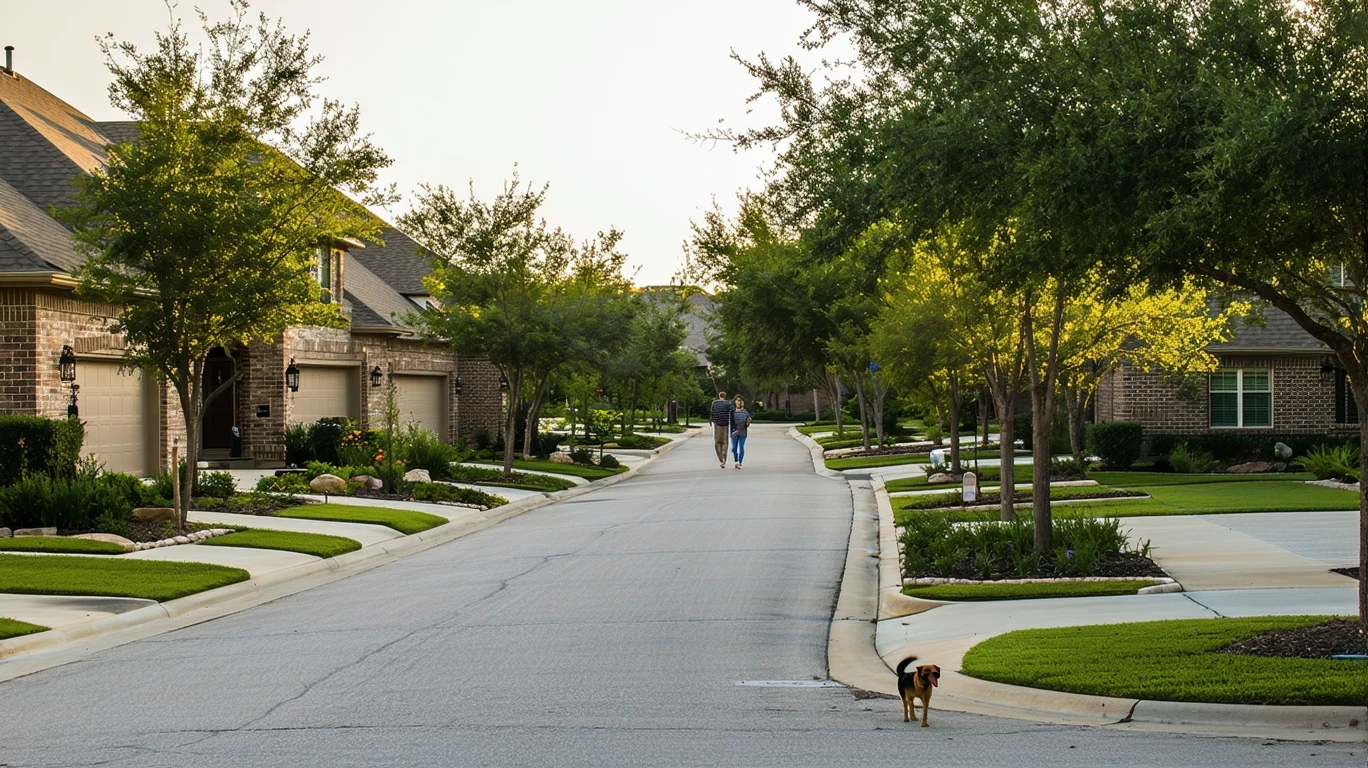
Housing dominates the cost structure in both cities, but the entry barrier and ongoing obligation differ substantially. Cedar Park’s median home value sits at $427,800, while Round Rock’s median home value is $337,500. For buyers, that gap translates directly into down payment requirements, mortgage qualification thresholds, and the baseline equity stake needed to enter the market. Cedar Park’s higher home values reflect newer housing stock, proximity to walkable infrastructure, and access to rail transit—factors that command a premium but also reduce reliance on car-dependent logistics.
Renters face a similar but less extreme gap. Cedar Park’s median gross rent is $1,677 per month, compared to Round Rock’s $1,586 per month. That difference—$91 per month—compounds over a year into over $1,000 in additional rent obligation. For households with tighter income margins, that recurring gap can determine whether discretionary spending exists at all, or whether every paycheck is spoken for before it arrives. Cedar Park’s rental market skews toward newer apartment complexes and single-family homes in planned developments, where amenities like pools, fitness centers, and maintained green spaces are often bundled into rent. Round Rock’s rental stock includes more older apartment communities and scattered single-family rentals, where rent may be lower but maintenance responsiveness and amenity access can vary.
The housing tradeoff isn’t just about monthly payment size—it’s about what that payment buys in terms of daily friction. Cedar Park’s higher housing costs correlate with infrastructure that reduces car dependency: walkable pockets with pedestrian-to-road ratios exceeding high thresholds, rail transit access, and corridor-clustered grocery and food options. Round Rock’s lower housing costs come with documented commute friction: an average commute time of 25 minutes and 33.8% of workers facing long commutes. For dual-income households where both adults commute, that time cost can erode the financial advantage of lower rent or mortgage payments, especially when factoring in vehicle wear, fuel consumption, and the opportunity cost of time spent in traffic rather than at home.
| Housing Metric | Cedar Park | Round Rock |
|---|---|---|
| Median Home Value | $427,800 | $337,500 |
| Median Gross Rent | $1,677/month | $1,586/month |
| Median Household Income | $118,903/year | $91,888/year |
Housing takeaway: Cedar Park’s housing market imposes a higher entry barrier and ongoing obligation, but that cost buys access to infrastructure that reduces transportation dependence and daily logistics friction. Round Rock’s lower housing costs appeal to households prioritizing affordability at the point of entry, but those households must absorb commute time and vehicle reliance as ongoing, less visible costs. First-time buyers with lower down payment capacity will find Round Rock more accessible. Families prioritizing walkability, school density, and park access—and who can meet Cedar Park’s higher income thresholds—will find the premium justified by reduced car dependency and stronger family infrastructure.
Utilities and Energy Costs: Same Rates, Different Exposure
Cedar Park and Round Rock share identical utility rate structures: electricity costs 16.11¢ per kWh and natural gas runs $30.71 per MCF in both cities. The regional price parity index for both is 98, meaning energy costs track slightly below the national baseline. But identical rates don’t produce identical bills. Utility exposure in these cities diverges based on housing stock age, home size, and cooling season intensity—not the price per unit.
Cedar Park’s newer housing stock—concentrated in developments built within the last 15 years—tends to feature better insulation, more efficient HVAC systems, and tighter building envelopes. These homes require less energy to maintain comfortable indoor temperatures during the extended Texas cooling season, which dominates utility bills from May through October. Round Rock’s housing mix includes more older single-family homes and apartment complexes built before modern energy efficiency standards became standard. Older homes with single-pane windows, minimal attic insulation, and aging air conditioning units can see cooling costs spike during triple-digit summer heat, even when the household is mindful of thermostat settings.
Household size and home square footage amplify these differences. A family of four in a 2,500-square-foot Cedar Park home with modern insulation will experience lower cooling costs than the same family in a similarly sized older Round Rock home, even though both are running air conditioning at the same thermostat setting. Single adults or couples in smaller apartments face less dramatic differences, but the gap still exists: newer construction in Cedar Park reduces baseline energy waste, while older Round Rock apartments may lack programmable thermostats, efficient appliances, or adequate weatherstripping.
Heating costs, driven by natural gas in both cities, remain modest compared to cooling. Texas winters are short and mild, with only occasional freezing nights. Natural gas usage spikes briefly in December and January but doesn’t dominate annual utility budgets the way cooling does. Households in either city can expect heating bills to remain predictable and manageable, with the primary variable being home size rather than location.
Utility takeaway: Households moving into newer Cedar Park homes will experience lower cooling season volatility and more predictable utility bills, even though rates are identical to Round Rock. Families in older Round Rock homes—especially larger single-family houses—should budget for higher summer cooling costs and less month-to-month predictability. Renters in newer apartment complexes in either city will see minimal utility differences, but those in older Round Rock buildings may face higher baseline usage due to less efficient construction. The cost driver here isn’t the rate—it’s the housing stock and how much energy it wastes.
Groceries and Daily Expenses: Price Sensitivity vs. Access Convenience
Grocery prices in Cedar Park and Round Rock track nearly identically, reflecting their shared position within the Austin metro’s regional price environment. Both cities show a regional price parity index of 98, meaning staple grocery costs run slightly below the national baseline. Ground beef, chicken, eggs, milk, bread, cheese, and rice—the core of most household grocery budgets—cost the same whether you’re shopping in Cedar Park or Round Rock. The difference isn’t in the price per pound or per dozen. It’s in how access patterns, store density, and convenience spending shape total grocery and daily expense pressure.
Cedar Park’s experiential signals show corridor-clustered food and grocery accessibility: food establishment density exceeds high thresholds, while grocery density sits in the medium band. This means households can access a variety of grocery stores—big-box retailers, regional chains, and specialty markets—concentrated along major corridors, but the distribution isn’t uniformly walkable across all neighborhoods. Families with reliable transportation can comparison-shop easily, taking advantage of weekly sales and bulk pricing at multiple stores within a short drive. Single adults or couples without cars, however, may find themselves relying on the nearest option rather than the cheapest, which can introduce convenience spending creep over time.
Round Rock lacks experiential signals data, so direct infrastructure comparison isn’t possible. However, the city’s documented commute patterns—25-minute average commute and 33.8% long commute rate—suggest that daily errands, including grocery shopping, may require more intentional planning. Households with longer commutes often consolidate errands into fewer, larger trips, which can reduce impulse purchases but also limits flexibility to take advantage of mid-week sales or stock up on perishables frequently. This pattern tends to favor bulk buying and meal planning over spontaneous, smaller shopping trips.
Dining out and convenience spending introduce another layer of cost pressure. Cedar Park’s corridor-clustered food density means restaurants, coffee shops, and fast-casual dining options are highly visible and accessible along major routes. This accessibility can normalize frequent takeout or dining out, especially for dual-income households with limited time to cook. Round Rock’s lower median household income—$91,888 per year compared to Cedar Park’s $118,903 per year—suggests that households there may be more price-sensitive and less likely to absorb frequent dining-out costs without feeling budget strain.
Household size matters significantly here. Single adults in either city can keep grocery costs low by cooking at home and avoiding convenience purchases, but Cedar Park’s higher concentration of quick-service dining options can make it easier to slip into higher spending patterns. Couples with two incomes face similar temptations but have more budget flexibility to absorb occasional splurges. Families with kids, managing larger grocery volumes and more rigid meal schedules, will feel grocery cost pressure most acutely if they’re relying on convenience foods or frequent takeout to manage time constraints. In Cedar Park, that pressure may come from accessibility and visibility of dining options. In Round Rock, it may come from time scarcity driven by longer commutes, which can push families toward pre-packaged or prepared foods to save time at home.
Groceries takeaway: Households in Cedar Park face identical grocery staple prices to Round Rock but are more exposed to convenience spending creep due to higher food establishment density and accessibility. Families with strong meal-planning discipline and reliable transportation can take advantage of Cedar Park’s corridor-clustered grocery access without overspending. Round Rock households, especially those with long commutes, may find grocery shopping requires more intentional planning and bulk buying, which can reduce flexibility but also limit impulse purchases. Price sensitivity matters more in Round Rock due to lower median income, while convenience temptation matters more in Cedar Park due to higher food establishment visibility.
Taxes and Fees: Predictability and Long-Term Exposure
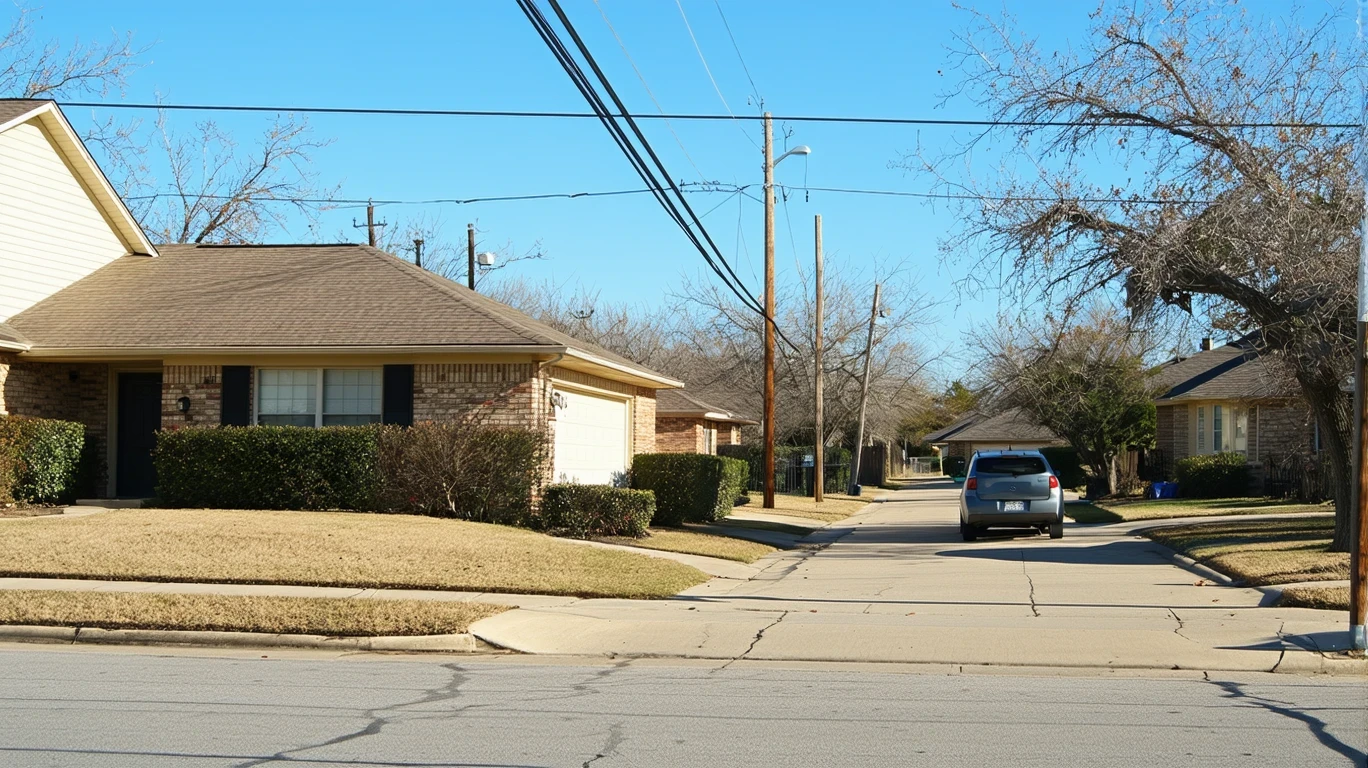
Property taxes dominate the recurring tax burden in both Cedar Park and Round Rock, as Texas relies heavily on property taxes to fund local services, schools, and infrastructure rather than state income tax. Both cities sit within Williamson County, which means they share overlapping tax districts, but the specific combination of city, county, school district, and special district rates can vary depending on the exact neighborhood and taxing jurisdiction. Homeowners in either city should expect property taxes to represent a significant ongoing obligation, typically structured as a percentage of assessed home value and billed annually or semi-annually.
Cedar Park’s higher median home value—$427,800—means that even if the effective tax rate were identical to Round Rock, the absolute dollar amount of property taxes would be higher simply because the tax is calculated against a larger assessed value. This creates a compounding effect: higher home prices lead to higher down payments, higher mortgage payments, and higher property tax bills. For long-term residents, property taxes can increase as home values appreciate, though Texas law includes some protections for homestead exemptions and caps on annual assessment increases for primary residences. New buyers, however, face immediate exposure to the current assessed value, which may reflect recent market appreciation.
Round Rock’s lower median home value—$337,500—reduces the baseline property tax obligation, making homeownership more accessible for households with tighter budgets. However, property taxes remain a significant recurring cost, and the lower home value doesn’t eliminate the exposure—it just reduces the magnitude. Renters in both cities don’t pay property taxes directly, but landlords typically pass through a portion of that cost in the form of higher rent, especially in single-family rental homes where property taxes are more transparent and predictable.
Sales taxes in both cities are structured identically, as they’re governed by state and county rates with minimal local variation. Households in either city will pay the same sales tax percentage on groceries, clothing, household goods, and other taxable purchases. This means sales tax exposure scales with consumption rather than location, and households that spend more on taxable goods will pay more in sales tax regardless of which city they live in.
Fees—trash collection, water, sewer, stormwater management—vary by provider and service area but generally follow similar structures in both cities. Some neighborhoods in Cedar Park include HOA fees that bundle services like landscaping, community pool access, and exterior maintenance, which can add $50 to $200 per month depending on the development. Round Rock also has neighborhoods with HOA fees, though the prevalence and cost vary. Renters typically don’t pay HOA fees directly, but those costs are often embedded in rent for properties within HOA-managed communities.
Taxes and fees takeaway: Homeowners in Cedar Park face higher absolute property tax bills due to higher home values, even if effective tax rates are similar to Round Rock. This creates a compounding cost structure where housing entry, ongoing mortgage, and recurring taxes all scale upward together. Round Rock homeowners benefit from lower baseline property tax exposure due to lower home values, making long-term ownership more financially predictable for households with moderate incomes. Renters in both cities are indirectly exposed to property taxes through rent but face more predictable monthly obligations than owners. HOA fees, where present, add another layer of recurring cost that varies by neighborhood rather than city, and households should verify fee structures before committing to a lease or purchase.
Transportation & Commute Reality
Transportation costs in Cedar Park and Round Rock aren’t determined by gas prices—both cities share the same $2.46 per gallon rate—but by how much driving each city’s infrastructure demands. Cedar Park’s experiential signals show walkable pockets with pedestrian-to-road ratios exceeding high thresholds, rail transit access, and some cycling infrastructure in medium-density areas. This doesn’t mean Cedar Park is car-free, but it does mean that certain errands—grabbing groceries, picking up prescriptions, accessing parks—can happen without a car for households living near these walkable corridors. Rail transit access provides a viable alternative for commuters heading into Austin’s core employment centers, reducing the need for daily car commutes and the associated fuel, parking, and vehicle wear costs.
Round Rock’s transportation reality is documented through commute data: an average commute time of 25 minutes, with 33.8% of workers facing long commutes and only 5.3% working from home. These numbers point to a car-dependent commute structure where most workers are driving to employment centers outside Round Rock, likely into Austin or other parts of the metro. Longer commutes don’t just increase fuel costs—they increase vehicle depreciation, maintenance frequency, and the likelihood of needing a second car for dual-income households. A 25-minute commute, repeated twice daily, five days a week, adds up to over four hours per week spent in a car, which translates into roughly 200 hours per year—time that could otherwise be spent at home, running errands, or managing household tasks.
For single adults, the transportation difference between Cedar Park and Round Rock hinges on commute destination and lifestyle preferences. A single adult working remotely or in a nearby office will find Round Rock’s lower housing costs appealing, as transportation exposure remains minimal. A single adult commuting into Austin daily will face higher time and fuel costs in Round Rock, which can erode the housing savings. Cedar Park’s rail access and walkable pockets offer more flexibility for single adults who want to reduce car dependency without sacrificing access to employment or amenities.
Dual-income couples face compounded transportation exposure in Round Rock if both partners commute. Two long commutes mean two cars, two sets of fuel costs, two maintenance schedules, and two streams of vehicle depreciation. Cedar Park’s rail access can reduce this burden if one or both partners can commute via transit, though this depends on employment location and schedule flexibility. Families with kids face the most complex transportation logistics: school drop-offs, after-school activities, grocery runs, and weekend errands all require reliable transportation. Cedar Park’s integrated park access and strong family infrastructure—school and playground density both in medium bands—can reduce the need for long drives to access recreational spaces. Round Rock families may need to drive farther for similar amenities, adding incremental fuel and time costs that compound over months and years.
Transportation takeaway: Cedar Park’s infrastructure reduces car dependency for households living near walkable corridors and rail access, which lowers fuel costs, vehicle wear, and time spent commuting. Round Rock’s documented commute patterns and lack of experiential infrastructure data suggest higher car reliance, longer commutes, and greater transportation exposure for most households. Single adults and couples with flexible work arrangements can absorb Round Rock’s car dependency more easily, but families and dual-income households with rigid commute schedules will feel the time and cost burden more acutely. Cedar Park’s higher housing costs buy access to infrastructure that reduces transportation friction; Round Rock’s lower housing costs come with the expectation that households will drive more, farther, and more often.
Cost Structure Comparison
Housing pressure dominates the cost experience in both cities, but the nature of that pressure differs. Cedar Park’s higher home values and rent levels create a steeper entry barrier and larger ongoing obligation, but that cost buys access to infrastructure that reduces friction in other areas: walkable pockets, rail transit, corridor-clustered grocery access, and integrated parks. Round Rock’s lower housing costs make entry more accessible, but households absorb that savings through documented longer commutes, higher car dependency, and less infrastructure support for daily errands and family logistics.
Utilities introduce more volatility in Round Rock due to older housing stock, even though both cities share identical electricity and natural gas rates. Cedar Park’s newer construction reduces cooling season exposure, making utility bills more predictable and less prone to summer spikes. Round Rock households in older homes should expect higher baseline energy usage and less month-to-month stability, especially during peak cooling months.
Grocery and daily expense pressure in Cedar Park comes from accessibility and convenience spending creep: high food establishment density makes dining out and quick purchases more visible and tempting. Round Rock’s lower median income and documented commute patterns suggest households there are more price-sensitive and more likely to consolidate errands into fewer, larger trips. This can reduce impulse spending but also limits flexibility to take advantage of sales or shop frequently for perishables.
Transportation patterns matter more in Round Rock, where documented commute times and long commute rates point to higher car reliance and time costs. Cedar Park’s rail access and walkable infrastructure reduce the need for constant driving, which lowers fuel costs, vehicle wear, and the opportunity cost of time spent in traffic. For dual-income households and families, this difference compounds: two long commutes in Round Rock mean two cars, two fuel budgets, and two maintenance schedules, while Cedar Park’s transit access can reduce or eliminate one of those burdens.
The decision between Cedar Park and Round Rock isn’t about which city is “cheaper overall”—it’s about which cost structure aligns with your household’s income baseline, daily logistics, and tolerance for front-loaded vs. ongoing expenses. Households with higher incomes who value walkability, transit access, and reduced car dependency will find Cedar Park’s premium justified by lower friction and more predictable costs outside of housing. Households prioritizing lower housing entry costs and willing to absorb longer commutes and higher car reliance will find Round Rock more financially accessible, as long as they account for the time and transportation costs that come with that choice.
How the Same Income Feels in Cedar Park vs Round Rock
Single Adult
For a single adult, housing becomes the first non-negotiable cost, and the difference between Cedar Park’s $1,677 median rent and Round Rock’s $1,586 median rent determines how much flexibility remains for discretionary spending. In Cedar Park, higher rent buys access to walkable corridors and rail transit, which can reduce or eliminate the need for a car if employment and errands align with transit routes. In Round Rock, lower rent preserves more monthly cash, but the documented 25-minute average commute and lack of transit infrastructure mean a car becomes non-negotiable, adding fuel, insurance, and maintenance as ongoing obligations. Flexibility exists in Cedar Park if the single adult can structure their life around transit and walkable access; flexibility exists in Round Rock if the single adult can absorb commute time and vehicle costs without feeling schedule-constrained.
Dual-Income Couple
For a dual-income couple, the cost structure shifts from housing alone to housing plus transportation logistics. In Cedar Park, higher rent or mortgage payments are offset by the possibility that one partner can commute via rail, reducing the need for a second car and cutting fuel and maintenance costs in half. In Round Rock, lower housing costs create more breathing room in the budget, but if both partners commute—and 33.8% of Round Rock workers face long commutes—the household must maintain two cars, two fuel budgets, and two maintenance schedules. The time cost also compounds: two long commutes mean less time at home for meal prep, errands, or leisure, which can push the couple toward convenience spending on takeout or pre-packaged foods. Cedar Park’s corridor-clustered grocery and food access makes errands faster but also makes dining out more tempting. Round Rock’s lower food establishment density reduces convenience temptation but requires more intentional planning to avoid last-minute, higher-cost purchases.
Family with Kids
For a family with kids, housing and transportation costs become tightly coupled with time budget and logistics complexity. Cedar Park’s higher home values and rent levels demand a higher income baseline, but the city’s strong family infrastructure—school and playground density both in medium bands, integrated park access, and walkable pockets—reduces the need to drive long distances for school, recreation, or errands. Round Rock’s lower housing costs make entry more accessible, but families must absorb longer commutes for working parents, which reduces time available for after-school activities, meal prep, and household management. The lack of experiential infrastructure data for Round Rock means families can’t rely on documented walkability or transit access to reduce car dependency, so the household must plan around the assumption that every errand, every school drop-off, and every weekend activity requires a car. Cedar Park’s higher costs buy predictability and reduced friction; Round Rock’s lower costs require families to manage more logistics with less infrastructure support, which can feel more chaotic even when the budget has more nominal flexibility.
Decision Matrix: Which City Fits Which Household?
| Decision factor | If you’re sensitive to this… | Cedar Park tends to fit when… | Round Rock tends to fit when… |
|---|---|---|---|
| Housing entry + space needs | You need to minimize down payment or monthly rent obligation | You can meet higher income thresholds and value infrastructure access over lower entry costs | You prioritize lower absolute housing costs and can absorb commute friction |
| Transportation dependence + commute friction | You want to reduce car reliance or avoid long daily commutes | You can structure your life around rail transit and walkable corridors | You accept car dependency and longer commutes as the tradeoff for lower housing costs |
| Utility variability + home size exposure | You want predictable utility bills and lower cooling season volatility | You’re moving into newer construction with better insulation and efficient HVAC | You’re willing to manage higher summer cooling costs in older housing stock |
| Grocery strategy + convenience spending creep | You want to avoid impulse dining-out costs and maintain strict grocery budgets | You have strong meal-planning discipline and can resist high food establishment visibility | You prefer fewer dining temptations and are comfortable with bulk buying and intentional planning |
| Fees + friction costs (HOA, services, upkeep) | You want to minimize recurring fees and unpredictable maintenance costs | You’re comfortable with HOA fees in exchange for bundled amenities and maintained green spaces | You prefer lower baseline fees and are willing to manage maintenance independently |
| Time budget (schedule flexibility, errands, logistics) | You want to minimize time spent commuting and running errands | You value walkable access, rail transit, and corridor-clustered errands that reduce driving time | You can absorb longer commutes and car-dependent errands without feeling schedule-constrained |
Lifestyle Fit: Infrastructure, Access, and Daily Rhythm
Cedar Park and Round Rock share the same regional climate—extended cooling seasons, mild winters, and occasional freezing nights—but the lifestyle experience diverges based on infrastructure, access, and how daily logistics unfold. Cedar Park’s experiential signals show walkable pockets with pedestrian-to-road ratios exceeding high thresholds, rail transit access, and integrated park density. This doesn’t mean every neighborhood is walkable, but it does mean that households living near these corridors can structure their daily routines around less driving: walking to nearby restaurants, accessing parks without a car, or commuting via rail into Austin’s core employment centers. For families, this infrastructure reduces the logistical burden of managing school drop-offs, after-school activities, and weekend recreation, as schools and playgrounds are distributed at medium density throughout the city.
Round Rock’s documented commute patterns—25-minute average commute and 33.8% long commute rate—point to a car-dependent lifestyle where most daily activities require driving. The lack of experiential infrastructure data means households can’t rely on documented walkability, transit access, or corridor-clustered errands to reduce car reliance. This doesn’t mean Round Rock lacks parks, schools, or grocery stores, but it does mean that accessing them typically requires intentional driving rather than spontaneous walking or quick transit trips. For families, this can mean more time spent coordinating schedules, managing multiple cars, and planning errands around commute times.
Recreation and outdoor access differ in documented ways. Cedar Park’s integrated park density—exceeding high thresholds—means green space is woven throughout the city, with water features present and parks accessible without long drives. Round Rock lacks experiential signals for park access, so families should verify proximity to parks and recreational facilities before committing to a neighborhood. Both cities benefit from the broader Austin metro’s outdoor culture, with access to nearby lakes, trails, and regional parks, but Cedar Park’s documented infrastructure makes spontaneous outdoor access easier for households without needing to drive far.
Quick facts: Cedar Park offers rail transit access and walkable pockets, reducing car dependency for households near these corridors. Round Rock’s documented average commute time is 25 minutes, with over one-third of workers facing long commutes, pointing to higher car reliance and time costs for most households.
Frequently Asked Questions
Is Cedar Park or Round Rock more affordable for renters in 2026?
Round Rock’s median gross rent is $1,586